Stari Bar Citadel: Montenegro's Ancient Heart
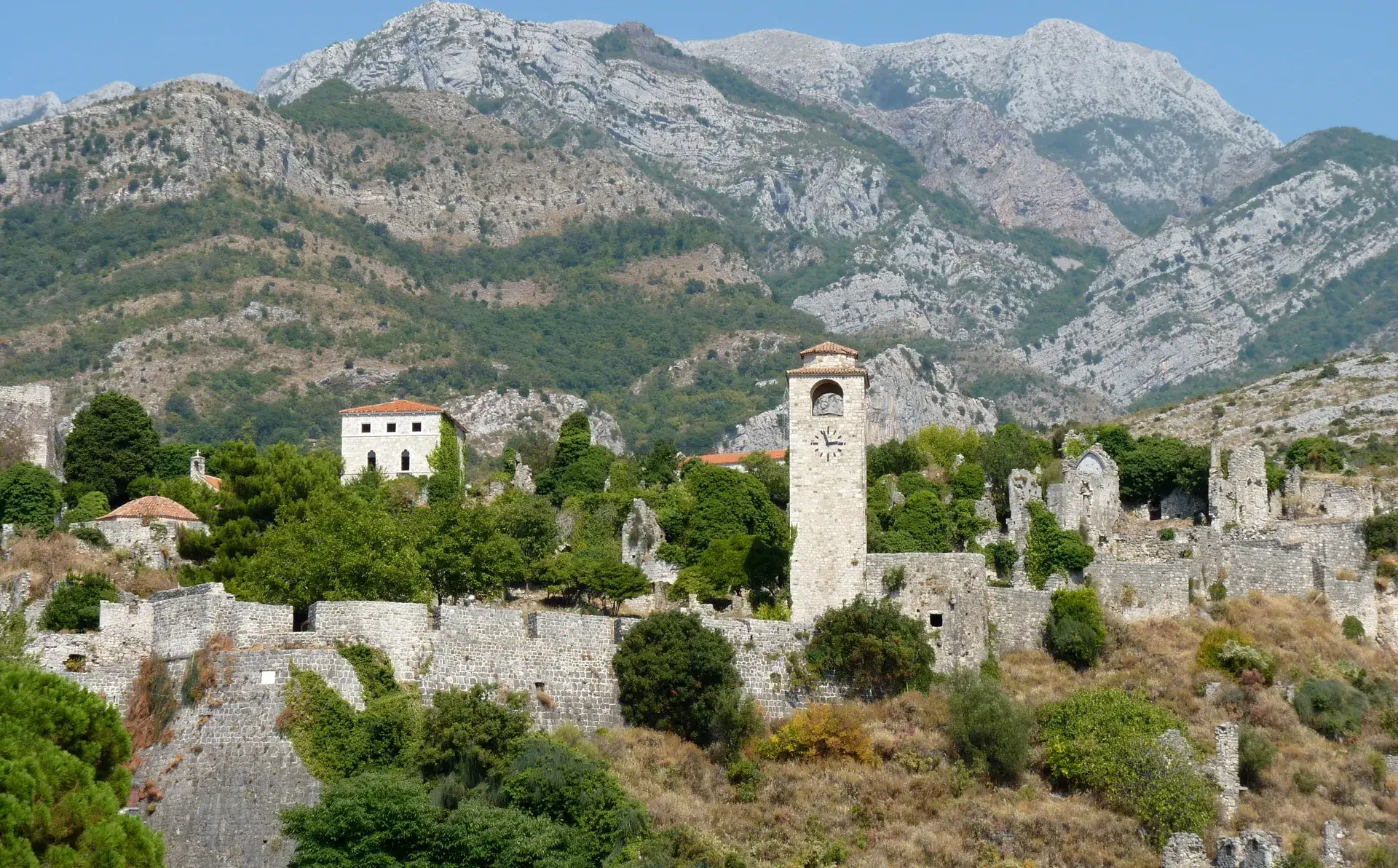
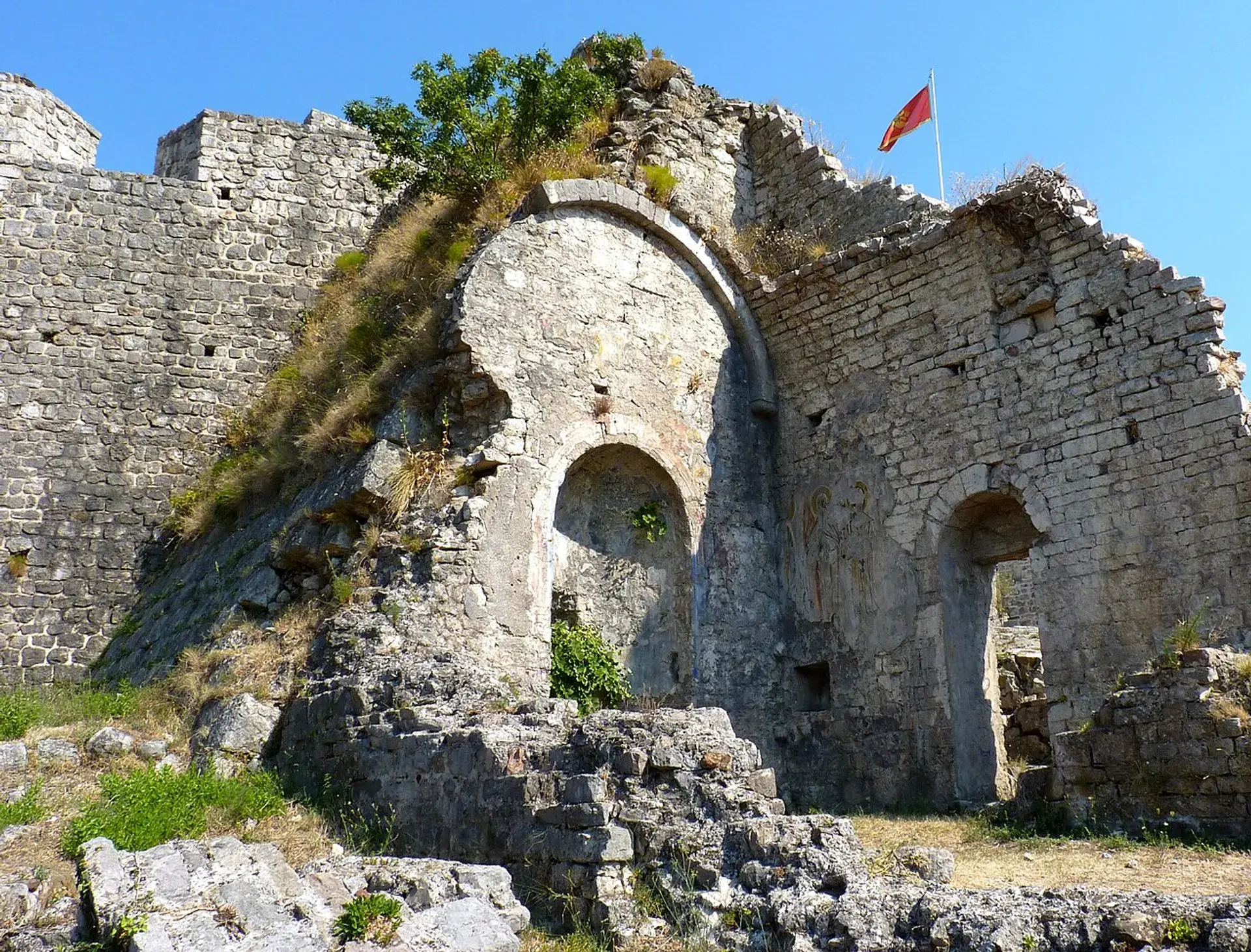
Perched on a strategic hilltop and naturally protected by cliffs, Stari Bar (Old Bar) stands as a testament to centuries of history in Montenegro. Its origins trace back to Illyrian times, evolving from a Roman settlement into a fortified medieval town. Today, it operates as a vast open-air museum, its ruins chronicling a past shaped by numerous empires and pivotal events.
A Tapestry of Empires
Stari Bar's long and contested history is written in its architecture. The city has been under the dominion of Illyrians, Romans, Byzantines, Serbs of the Nemanjić dynasty, Venetians, and the Ottoman Empire, which ruled for over 300 years from 1571. This succession of powers left a rich cultural and architectural synthesis, with Romanesque, Gothic, Renaissance, and Ottoman styles visible among the more than 240 structures within the fortress walls.
Pivotal Moments in History
Several key events defined Stari Bar's trajectory. In 1077, Mihajlo Vojislavljevic was crowned the first King of Zeta (a precursor to Montenegro) in Bar, marking a significant moment for the region's statehood. The city fell to the Ottomans in 1571, beginning a long period under their rule. A major turning point came during the Montenegrin-Ottoman War of 1876-78. Montenegrin forces, led by Prince Nicholas I, reclaimed the city after a prolonged siege, which saw the strategic destruction of the town's aqueduct.
The Lifeline and Its Demise
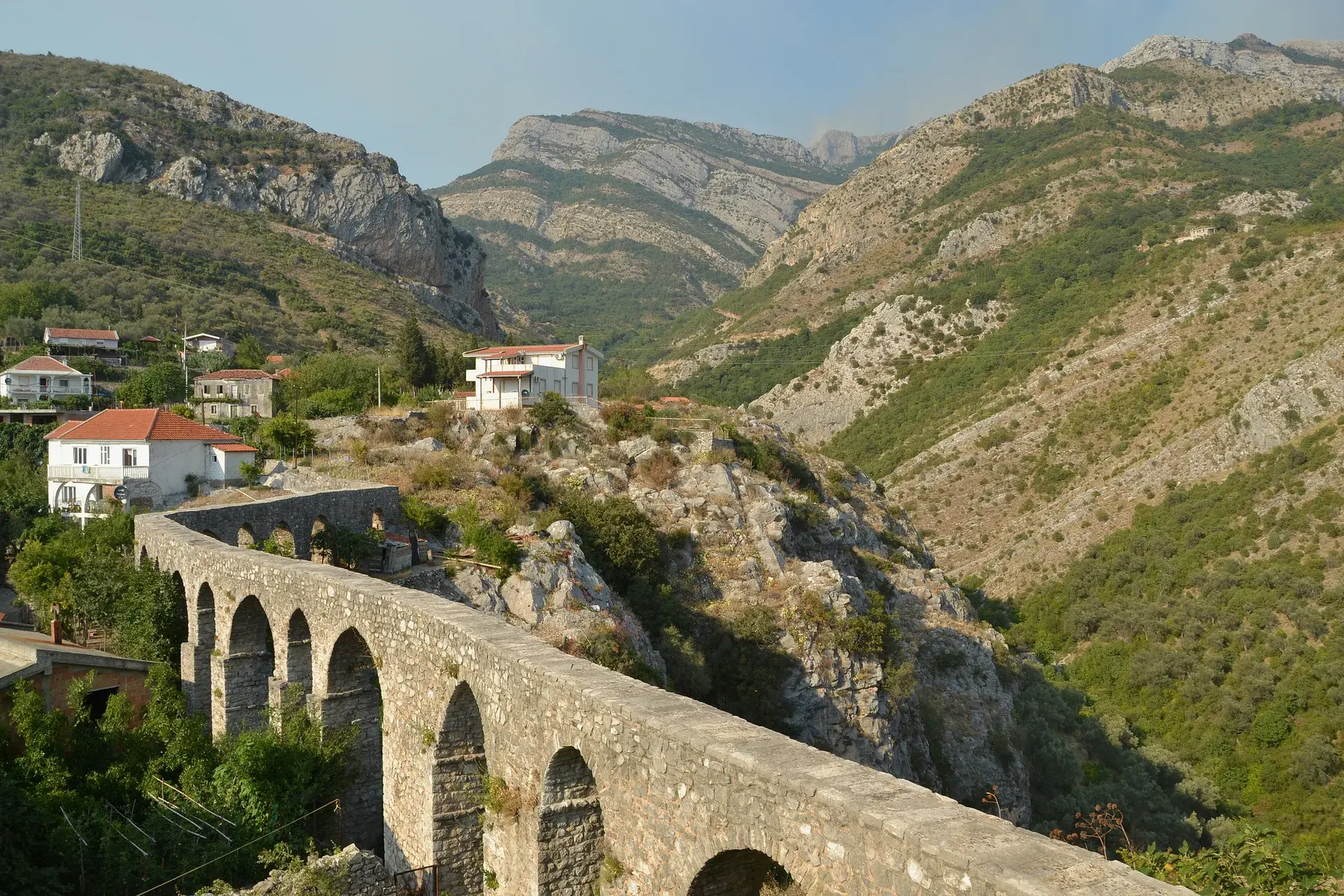
The 17-arch aqueduct, an impressive piece of Ottoman engineering from the 16th-17th centuries, was the lifeblood of Stari Bar for three centuries. Its fate is central to the city's story. In 1878, Montenegrin forces detonated explosives on the aqueduct, cutting off the water supply and forcing the surrender of the Ottoman commander, Ibrahim Bey. The town was largely abandoned after this event. The final blow came on April 15, 1979, when a 6.9 magnitude earthquake completely destroyed the aqueduct again, leading to the site's definitive abandonment by its remaining inhabitants.
Stari Bar Today
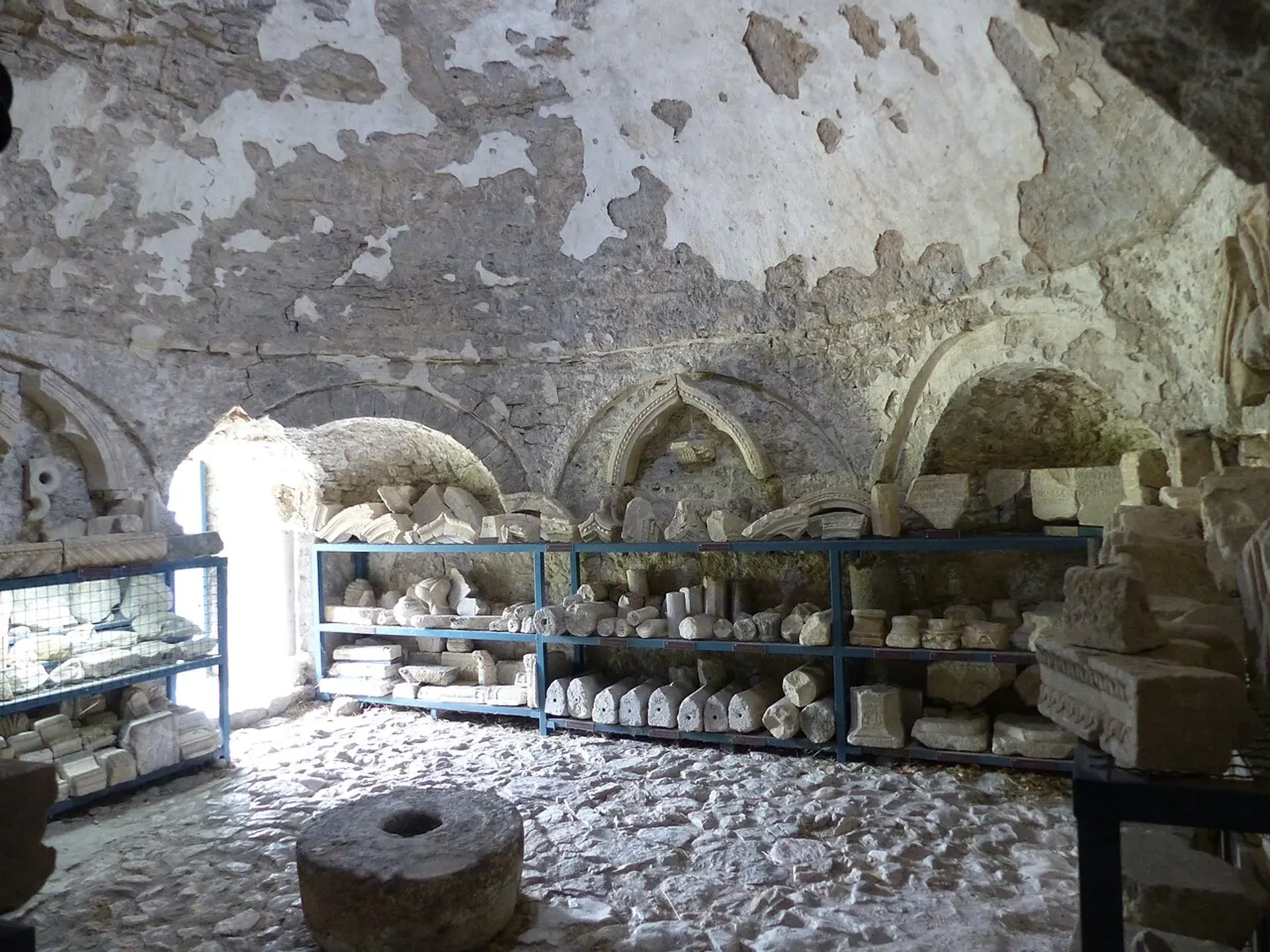
Currently, Stari Bar is a significant archaeological site and open-air museum covering several hectares. While many structures are in ruins, active restoration and stabilization efforts are underway, with some buildings repurposed as exhibition spaces. The area hosts cultural events, including the annual Barski ljetopis (Bar Chronicle) summer festival. Outside the ancient walls, a vibrant community thrives with traditional restaurants, cafes, and shops. The site is also notable for being where the 12th-century 'Chronicle of the Doclean Priest', the earliest known literary work among South Slavs, was written.
FAQ
Why was Stari Bar abandoned?
Stari Bar was largely abandoned after its aqueduct was destroyed during a siege in 1878. The final abandonment occurred after a devastating 6.9 magnitude earthquake on April 15, 1979, which once again destroyed the aqueduct, cutting off the primary water source.
What is Stari Bar used for today?
Today, Stari Bar is an open-air museum and a major archaeological site with over 240 structures. It hosts cultural events, and the area just outside the walls is a lively hub with shops and restaurants.
What is the significance of the Stari Bar aqueduct?
The Ottoman-built aqueduct was the town's essential water supply for 300 years. Its destruction was a key historical event, first as a military tactic by Montenegrin forces in 1878 and again by the 1979 earthquake, which ultimately led to the town's abandonment.
Is there anything else of historical interest near Stari Bar?
Yes, in the nearby village of Mirovica stands the Stara Maslina, an olive tree estimated to be over 2,250 years old. It is considered one of Europe's most ancient trees and is still capable of producing olives.