Gunpowder Magazine & Lapidarium in Stari Bar, Montenegro
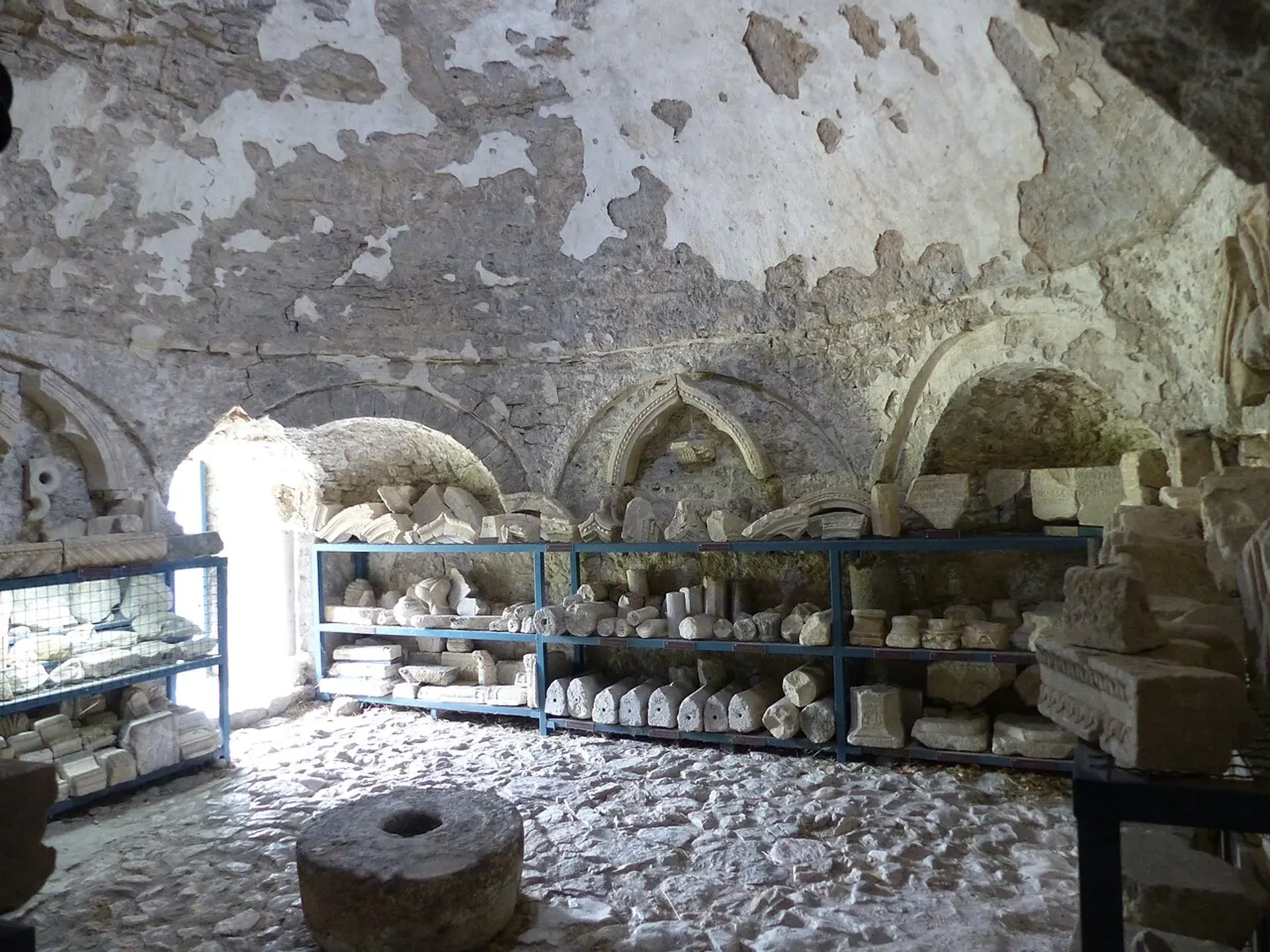
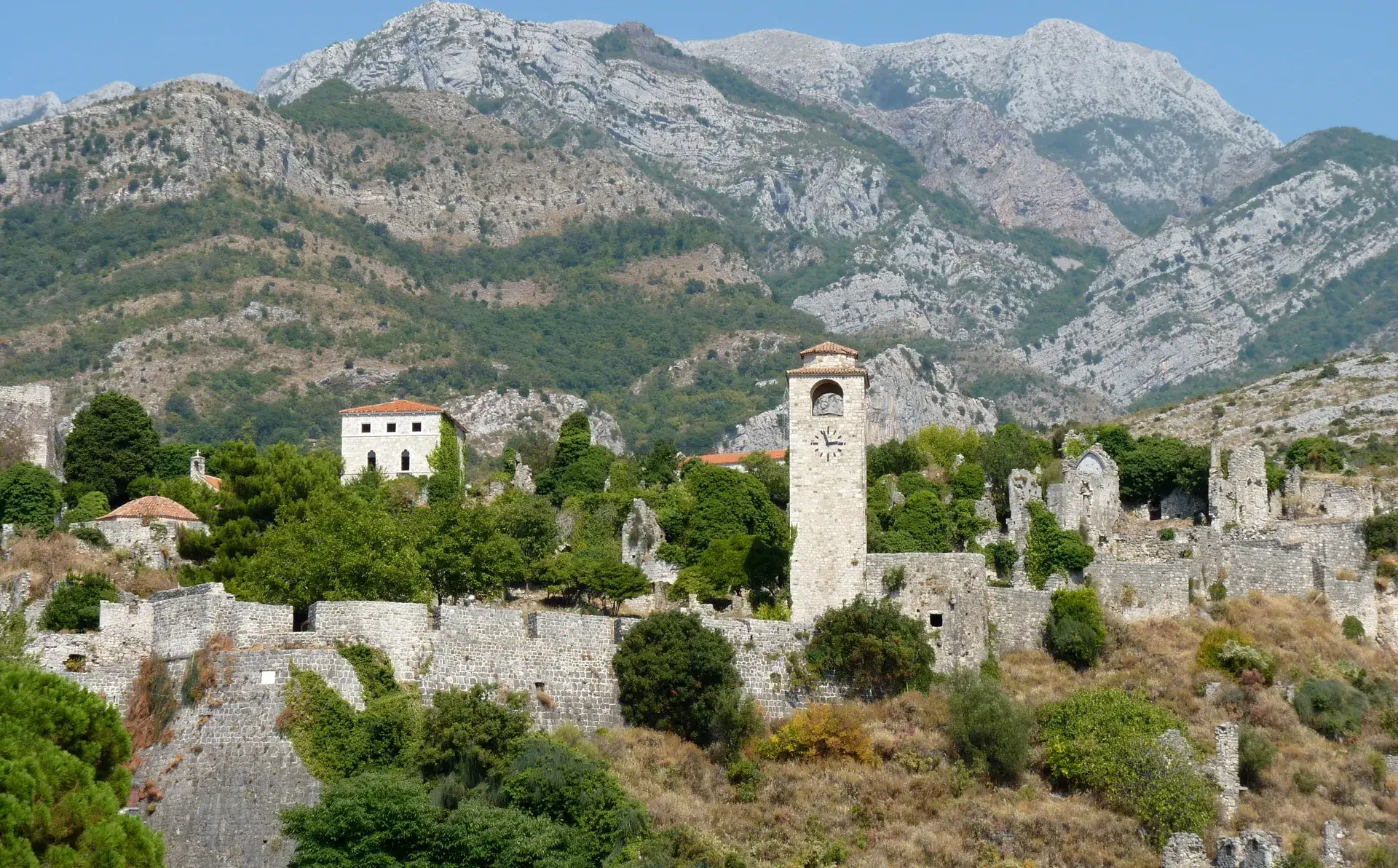
Located within the historic fortress of Stari Bar, Montenegro, the Gunpowder Magazine, also known as Barutana, stands as a testament to the city's transformation. This structure, once a vital military storehouse for explosives, now serves a peaceful purpose as a Lapidarium, housing fragmented stone remnants of the city's rich and layered past. It is an integral part of the Stari Bar open-air museum, situated on a hilltop at the foot of Mount Rumija.
A History of Empires and Conflict
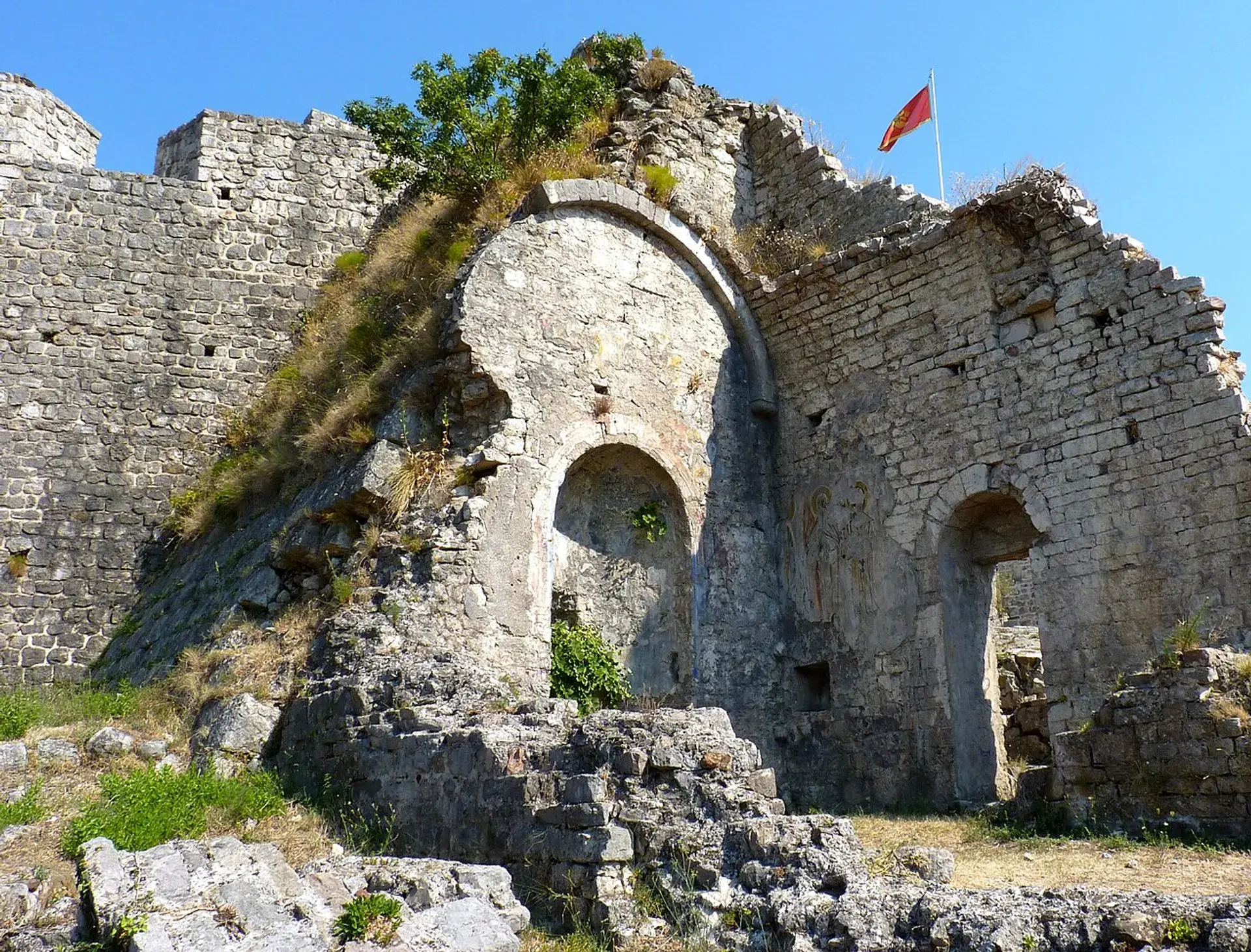
The fortress of Stari Bar has origins dating to a 6th-century Roman settlement and saw its fortifications built between the 10th and 18th centuries. The city passed through the hands of successive empires, including the Byzantine, Serbian, Venetian, and Ottoman, each leaving its architectural mark. The Gunpowder Magazine's construction is associated with this long history, which showcases a blend of Romanesque, Gothic, Renaissance, and Ottoman styles.
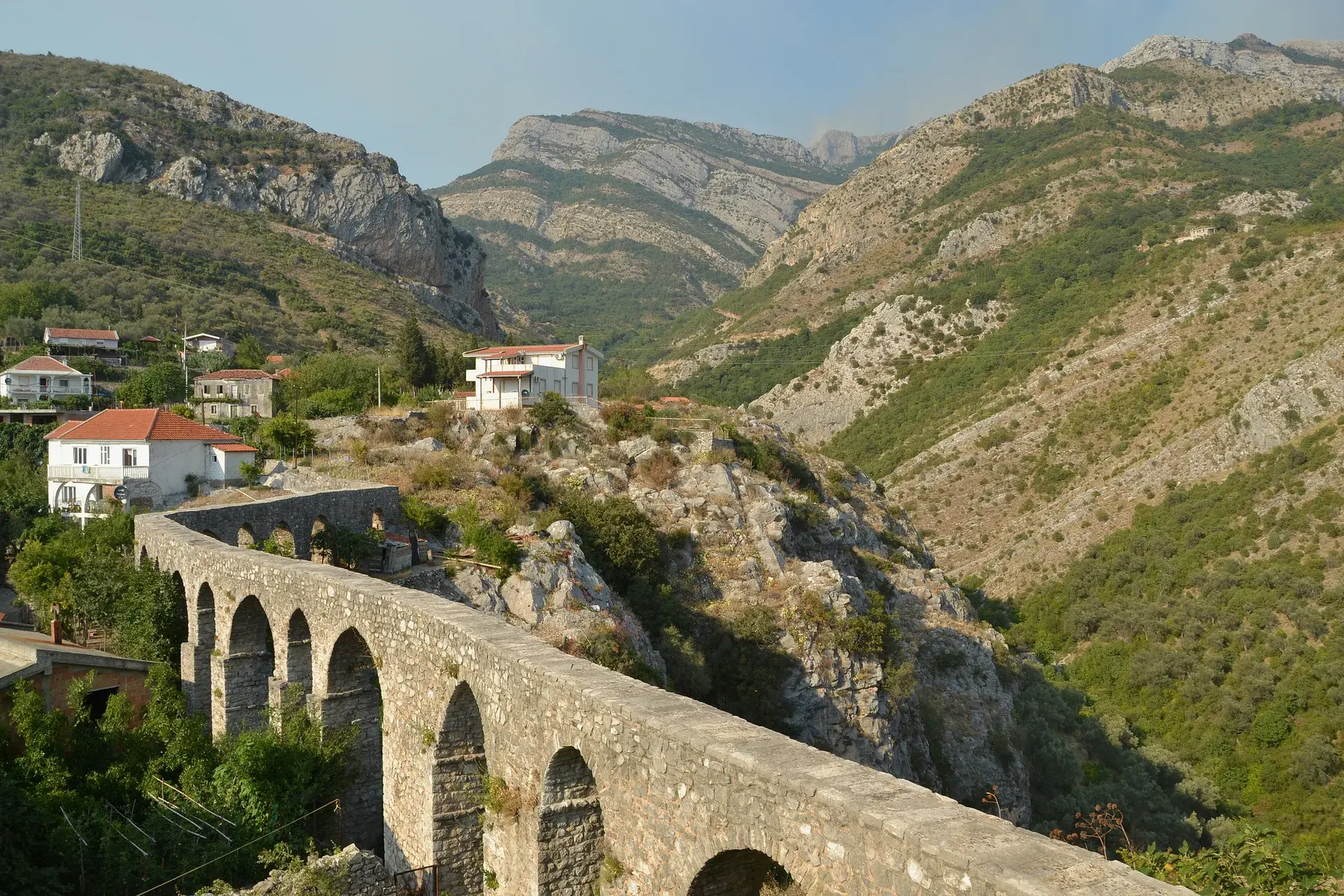
The building's original function was tied to warfare. A pivotal event occurred during the Montenegrin-Ottoman War of 1877-1878. Montenegrin forces, led by Mašo Vrbica, besieged the city. To compel the surrender of the Ottoman garrison commanded by Ibrahim Bey, the Montenegrins detonated a 225 kg explosive inside the Bar Aqueduct on January 5, 1878. This act cut off the town's water supply, leading to the Ottoman surrender just four days later.
From Destruction to Preservation
The building's conversion from a military magazine to a Lapidarium marks a profound shift from a place of destructive potential to one of historical preservation. This transformation mirrors the journey of Stari Bar itself, a once-strategic stronghold that is now a meticulously preserved archaeological site. Prominent archaeologist Mladen Zagarčanin has been instrumental in the research and curation of the Lapidarium, helping to uncover and present the site's history.
Artifacts Within the Lapidarium
Today, the Lapidarium houses various archaeological exhibitions that offer insight into life in Stari Bar across different eras. Among the key exhibits are stone inscriptions from the early 14th century, which originated from the former St. Nikola Church. This church was later converted into a mosque and was ultimately destroyed by an ammunition explosion in 1912.
Archaeological excavations in the area have also unearthed a diverse collection of faunal remains. These include wild pig bones found alongside arrows, indicating hunting practices, as well as large quantities of snails, shells, domestic animal bones, and even turtle remains, which were consumed as a dish during the Middle Ages.
FAQ
What is the Gunpowder Magazine in Stari Bar?
The Gunpowder Magazine, or Barutana, was a building within the Stari Bar fortress used for storing explosives. It has since been converted into a Lapidarium, a museum dedicated to displaying stone artifacts and archaeological finds from the area.
What can be seen inside the Lapidarium today?
The Lapidarium exhibits various archaeological finds from Stari Bar. Notable items include stone inscriptions from the early 14th-century St. Nikola Church and artifacts from the Roman, Byzantine, Serbian, Venetian, and Ottoman periods.
What major historical event is associated with explosives at Stari Bar?
During the 1877-1878 siege of Stari Bar, Montenegrin forces detonated an explosive charge in the city's aqueduct. This cut off the water supply to the Ottoman garrison, forcing their surrender.
Where is the Gunpowder Magazine located?
The Gunpowder Magazine is located within the ruined city of Stari Bar, an open-air museum situated on a hilltop approximately 4 kilometers from the modern city of Bar, Montenegro.