Monument to Ivan Crnojevic: Founder of Cetinje
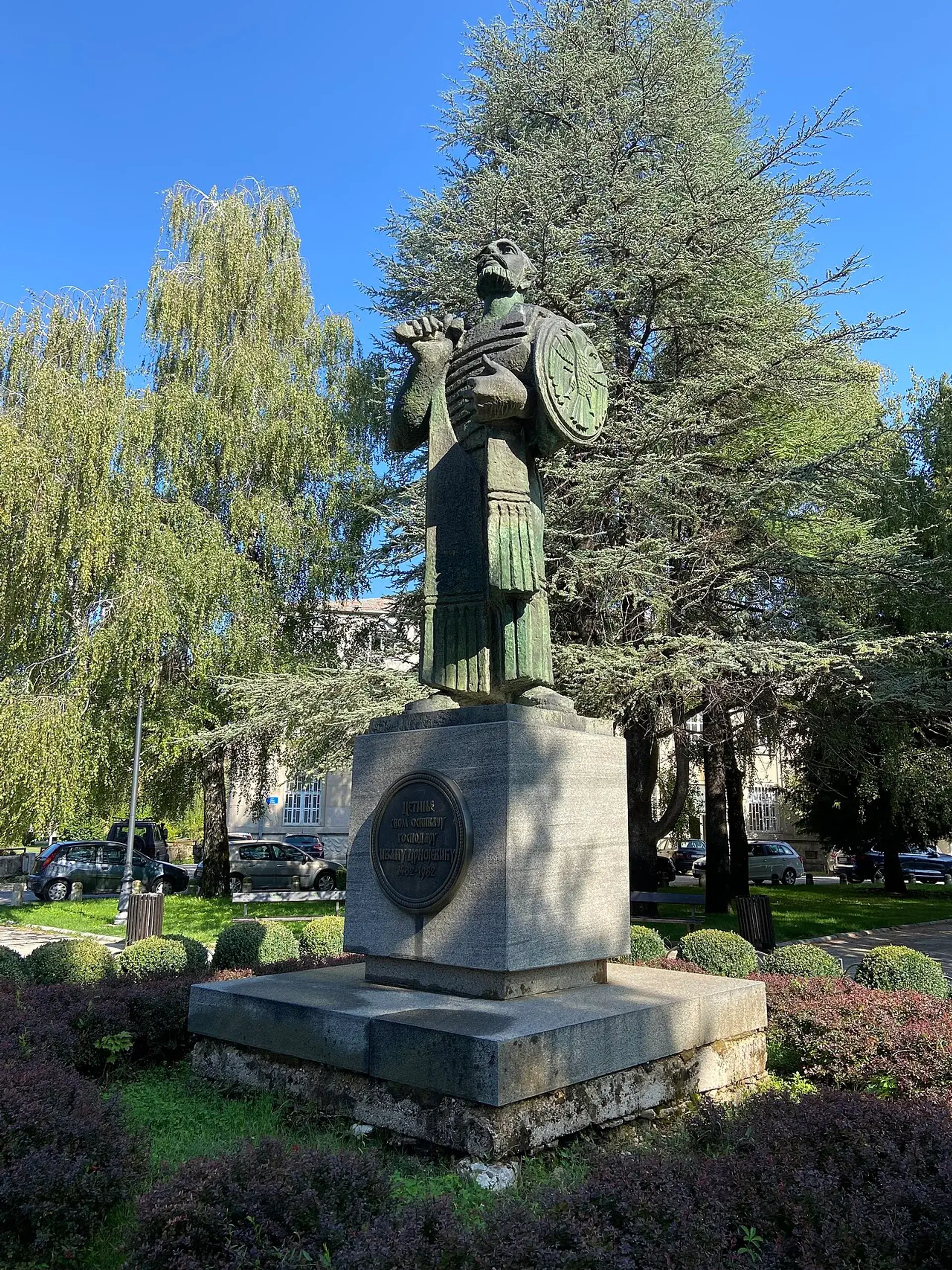
In the heart of Cetinje stands the powerful Monument to Ivan Crnojevic, a commanding sculpture honoring the founder of the city and a pivotal figure in the Montenegrin state. Erected in 1982 to mark the 500th anniversary of Cetinje's founding, this bronze statue by sculptor Ante Grzetic serves as a central landmark and a testament to a lasting legacy.
The Lord of Zeta
Ivan Crnojevic, born around 1442, became the Lord of Zeta (present-day Montenegro) in 1465. His reign was defined by the constant threat of the expanding Ottoman Empire. To secure his domain, he made a strategic decision in 1482 to relocate his capital from the vulnerable Žabljak to a more defensible position, founding the city of Cetinje.
This move was crucial for the continuity of Montenegrin statehood and identity. In Cetinje, Ivan Crnojevic built his court and established the Cetinje Monastery in 1484, dedicating it to the Nativity of the Theotokos. The monastery quickly became the spiritual and administrative heart of the region, solidifying Cetinje's role as a bulwark for Montenegrin independence.
A Monument's Place in the City
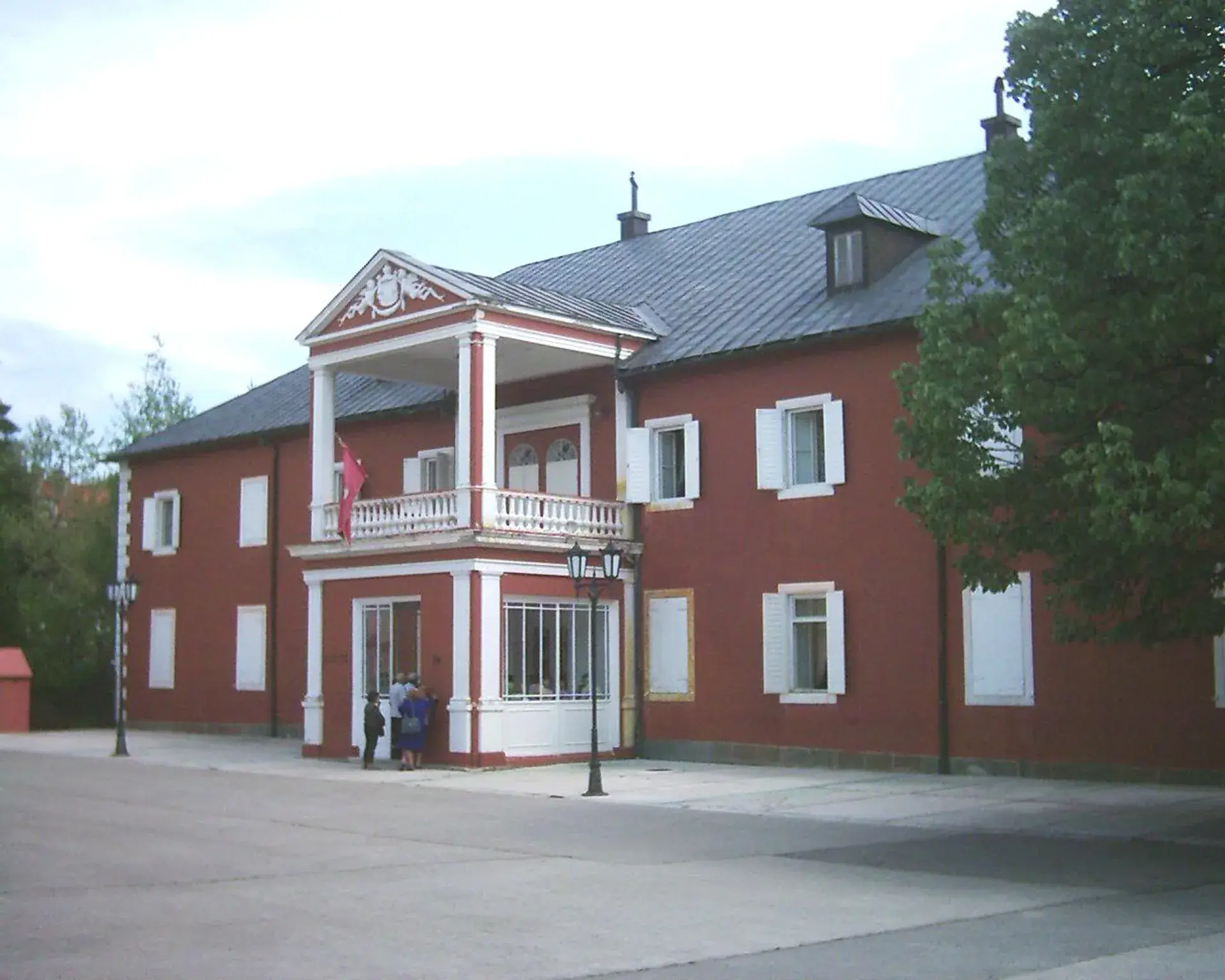
The Monument to Ivan Crnojevic stands prominently on Dvorski Trg, Cetinje's main square, directly in front of King Nikola's Museum. Officially opened in 1983, the statue is a point of pride for the city, commemorating its founder. It has become a popular meeting point for locals and a common photo spot for visitors. It is also a tradition for students to touch the statue for good luck before important exams.
A Legacy of Culture and Conflict
Ivan Crnojevic’s influence extended beyond military and political strategy. The court and monastery he built are considered the first recorded examples of Renaissance architecture in Montenegro. His legacy was further cemented by his son, Đurađ Crnojević, who established one of Southeast Europe's first Cyrillic printing houses in Cetinje, producing the first South Slavic book, 'Octoechos - The First Voice,' in 1494.
Ivan's life was also one of complex diplomacy. He navigated shifting alliances, at times clashing with Venice and at others paying tribute to the Ottoman Sultan Mehmed II before resuming resistance. In a fascinating family twist, his youngest son, Staniša, converted to Islam and became an Ottoman official known as Skenderbeg Crnojević.
An Unexpected Resting Place
Ivan Crnojevic was originally buried in the Court Church at Ćipur. In a surprising turn of events during a 20th-century reconstruction of the church, his grave was discovered. Following the discovery, his bones were removed and placed in a bank safe for security.
FAQ
Who was Ivan Crnojevic?
Ivan Crnojevic was the Lord of Zeta (modern Montenegro) from 1465 to 1490. He is celebrated as the founder of the city of Cetinje, which he established as his new capital in 1482.
When was the Monument to Ivan Crnojevic built?
The bronze monument was sculpted by Ante Grzetic and erected in 1982 to commemorate the 500th anniversary of Cetinje's founding. It was officially opened in 1983.
Where is the monument located in Cetinje?
The monument is located on Dvorski Trg (Palace Square), the main square in Cetinje, situated in front of King Nikola's Museum.
What is the cultural significance of Ivan Crnojevic's rule?
Ivan Crnojevic founded the Cetinje Monastery and his court, which are considered the first Renaissance buildings in Montenegro. His son later established one of the first Cyrillic printing presses in Southeast Europe there, producing the first South Slavic book in 1494.