Museum of King Nikola: Montenegro's Royal Legacy
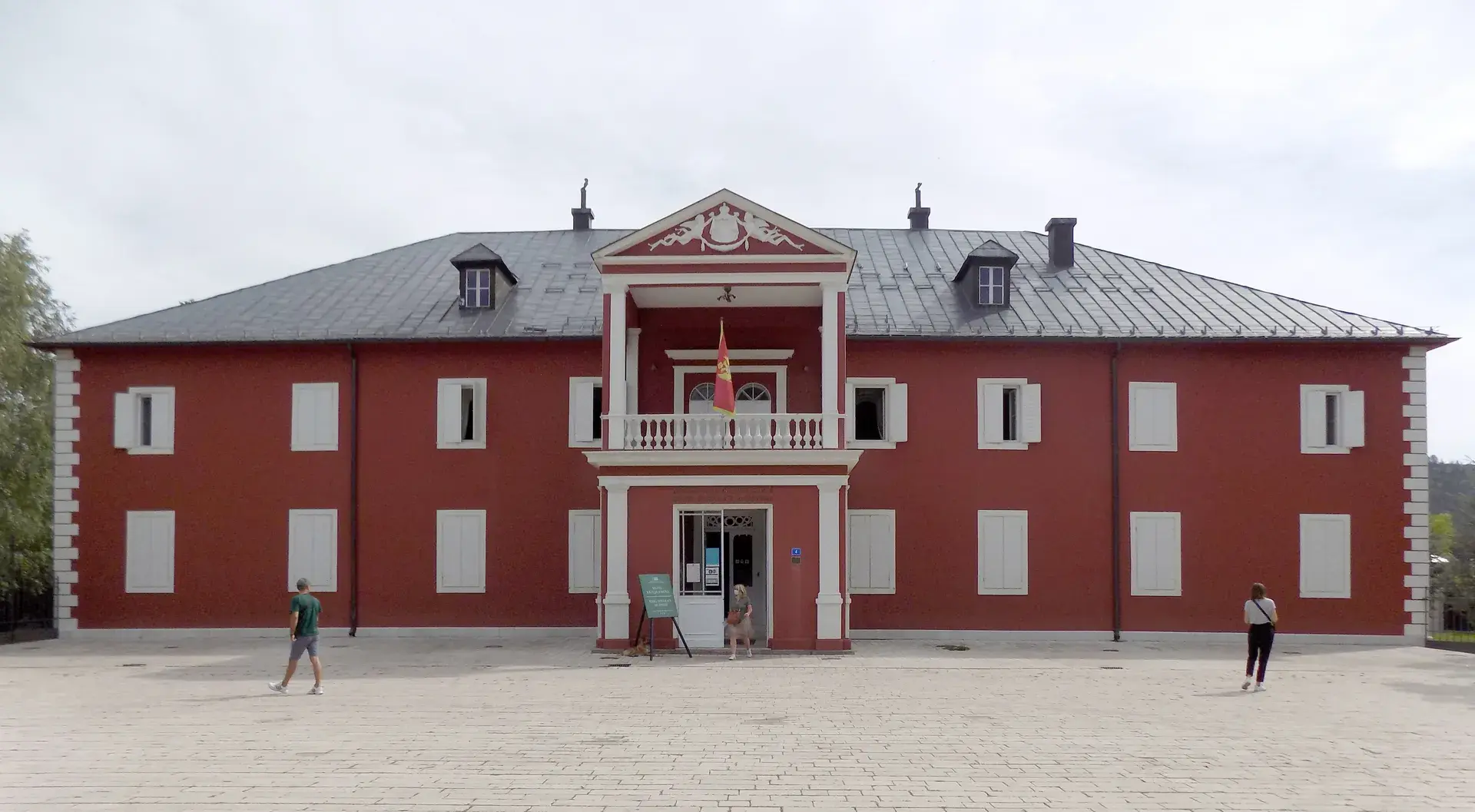
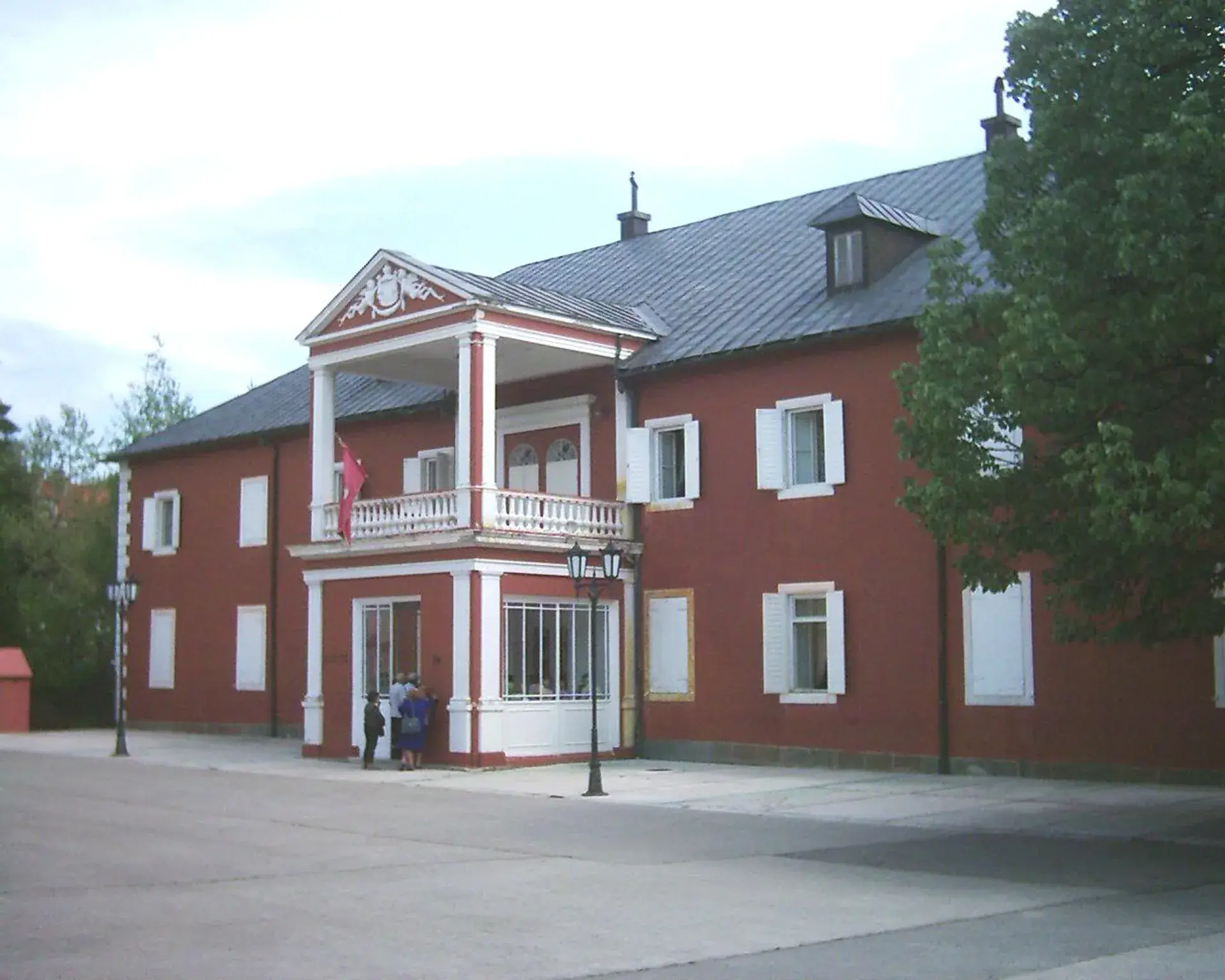
From its prominent position on Dvorski Trg, the former residence of King Nikola I Petrović Njegoš stands as a regal testament to Montenegro's royal past. This building, which witnessed the proclamation of a kingdom, now serves as a museum preserving the legacy of the nation's final monarch.
A Palace with Surprising Origins
Construction on the building began in 1863, with an initial purpose that might surprise many. It was originally commissioned as a residence for Princess Darinka, the widow of Prince Danilo I, and her daughter Olga. However, after Princess Darinka left Montenegro, the palace's destiny changed. The ruling Petrović-Njegoš family, led by Prince Nikola I, relocated their court from the nearby Biljarda, making this their new official residence.
The Reign of a King
King Nikola I ruled from this palace for 58 years, from 1860 until 1918. The residence became a hub for European diplomacy and the center of Montenegrin political life. A pivotal moment in the nation's history occurred here in 1910 when, coinciding with the 50th anniversary of his reign, the Kingdom of Montenegro was proclaimed. King Nikola also became known as the 'father-in-law of Europe' by marrying six of his nine daughters into various European royal houses. The royal family's time in the palace ended in 1918 with the occupation by Austria-Hungary and their subsequent departure into exile.
Architectural Style
The building's architecture blends neoclassical grace with touches of Art Nouveau, yet it maintains a simpler, domestic character typical of Cetinje houses of the era. It underwent several reconstructions, achieving its final appearance around 1910 under the direction of architect Fernando Balak for King Nikola's Golden Jubilee celebration.
The Museum Today
Formally established as a museum in 1926, the building now operates as the Museum of King Nikola, a key part of the National Museum of Montenegro. Its permanent exhibition is designed to reconstruct the historic interiors, offering a glimpse into the daily life of the Petrović-Njegoš dynasty.
The collections are vast and varied, featuring original furniture, weaponry, military flags, royal portraits, personal items, clothing, medals, and coins. The museum also houses a court library and archive containing over 10,000 items, including rare copies of the Oktoih Prvoglasnik, the first book printed among the South Slavs in 1493.
FAQ
When did King Nikola's Palace become a museum?
The former royal residence was formally established as the Museum of King Nikola in 1926, following the royal family's departure into exile in 1918.
Was the palace originally built for King Nikola I?
No, the palace was initially constructed between 1863 and 1867 as a residence for Princess Darinka, the widow of Prince Danilo I. It only later became the main palace for King Nikola I.
What is King Nikola I known for?
King Nikola I Petrović-Njegoš was the last monarch of Montenegro. He was famously called the 'father-in-law of Europe' because he arranged strategic marriages for six of his daughters into prominent European royal families, including those of Italy, Serbia, and Russia.
What can you see inside the Museum of King Nikola?
The museum's collections include original furniture, royal portraits, weaponry, military flags, personal items of the royal family, and a court library with over 10,000 items, including a book printed in 1493.