National Museum of Montenegro | Cetinje's Historic Heart
Located in the historic capital of Cetinje, the National Museum of Montenegro stands as the country's largest and most significant museum institution. It is not a single entity but a complex of specialized museums housed within architecturally important buildings, serving as the primary custodian of the nation's vast cultural and historical heritage.
A Complex of Historic Buildings
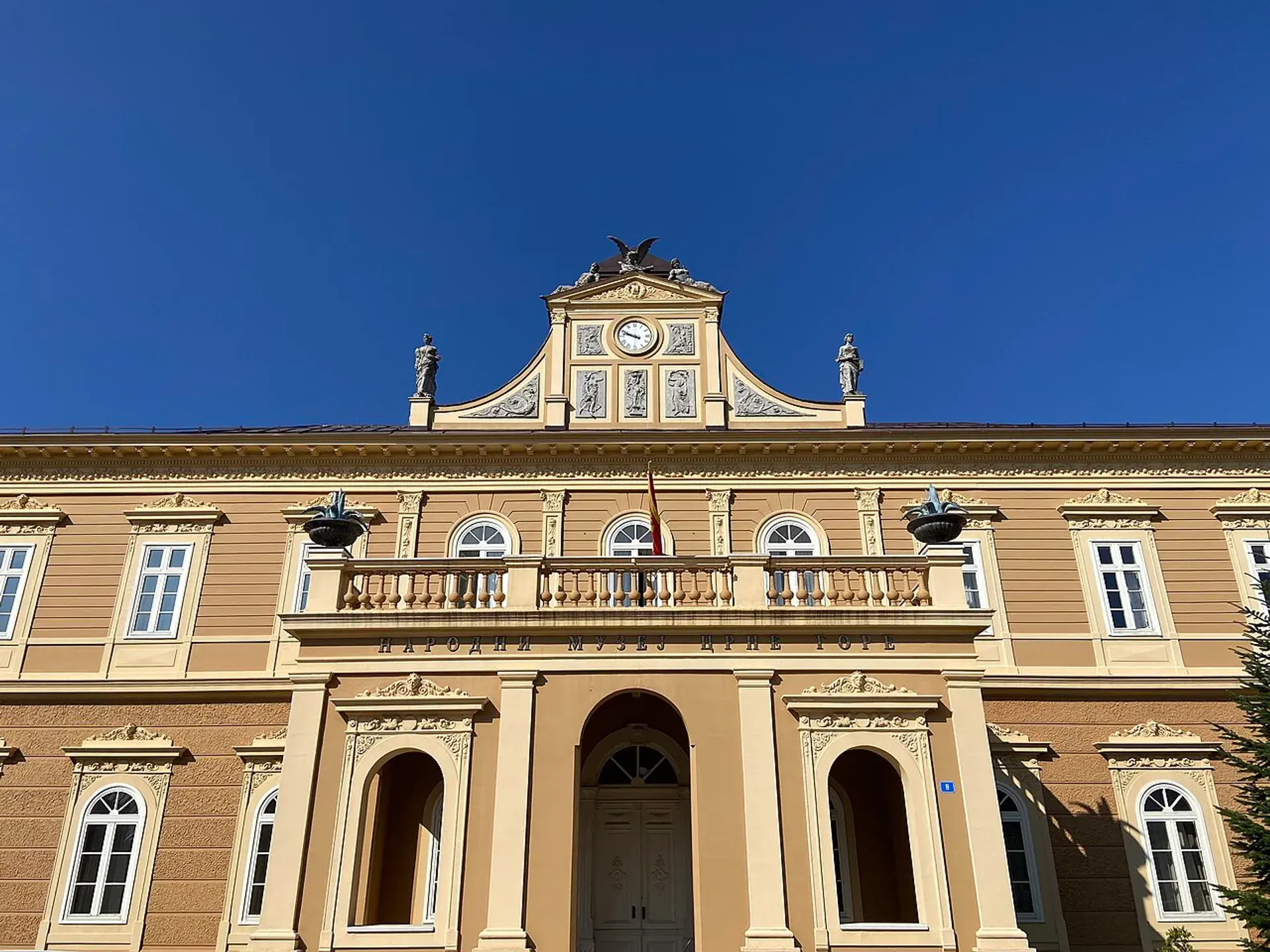
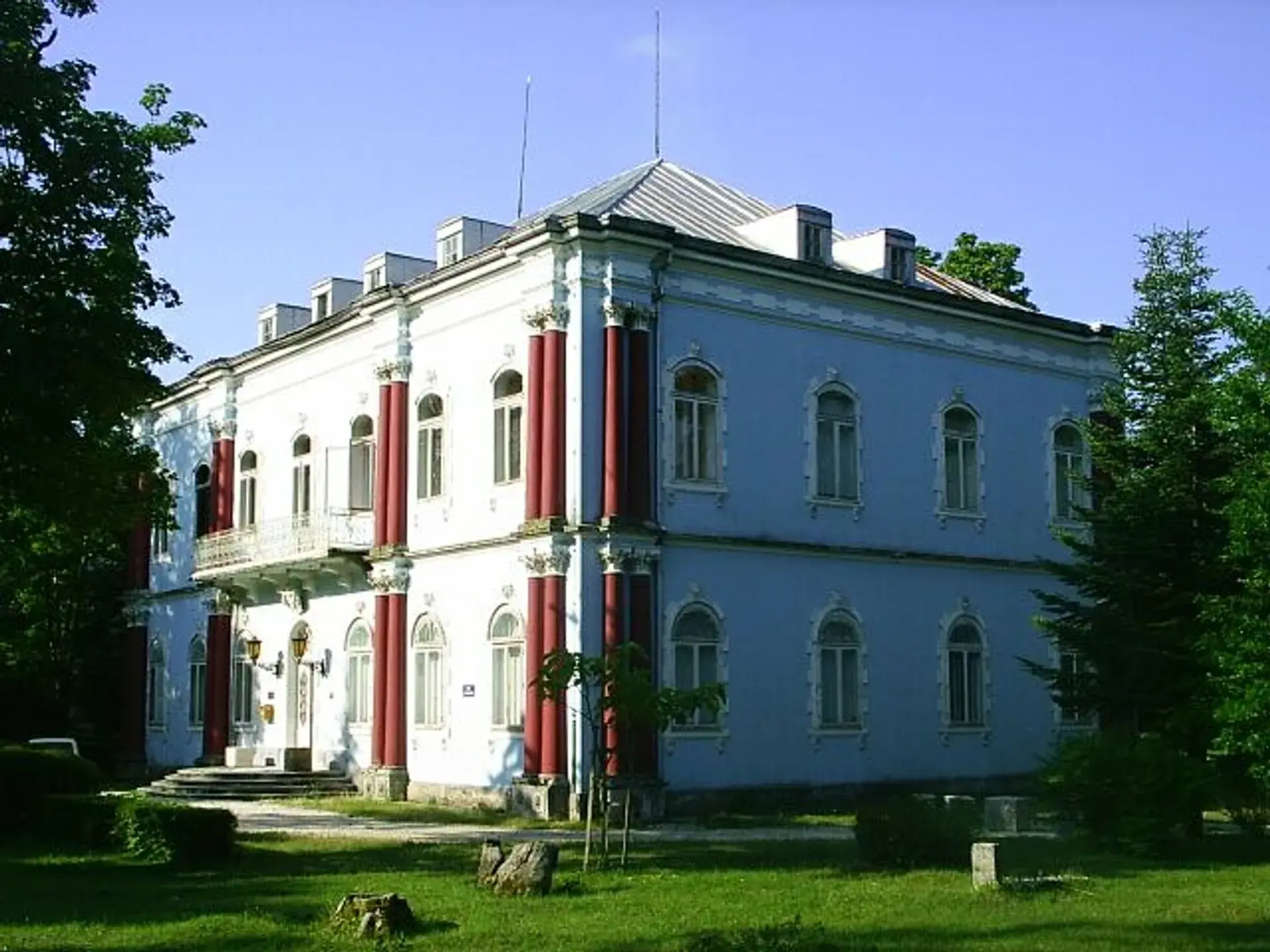
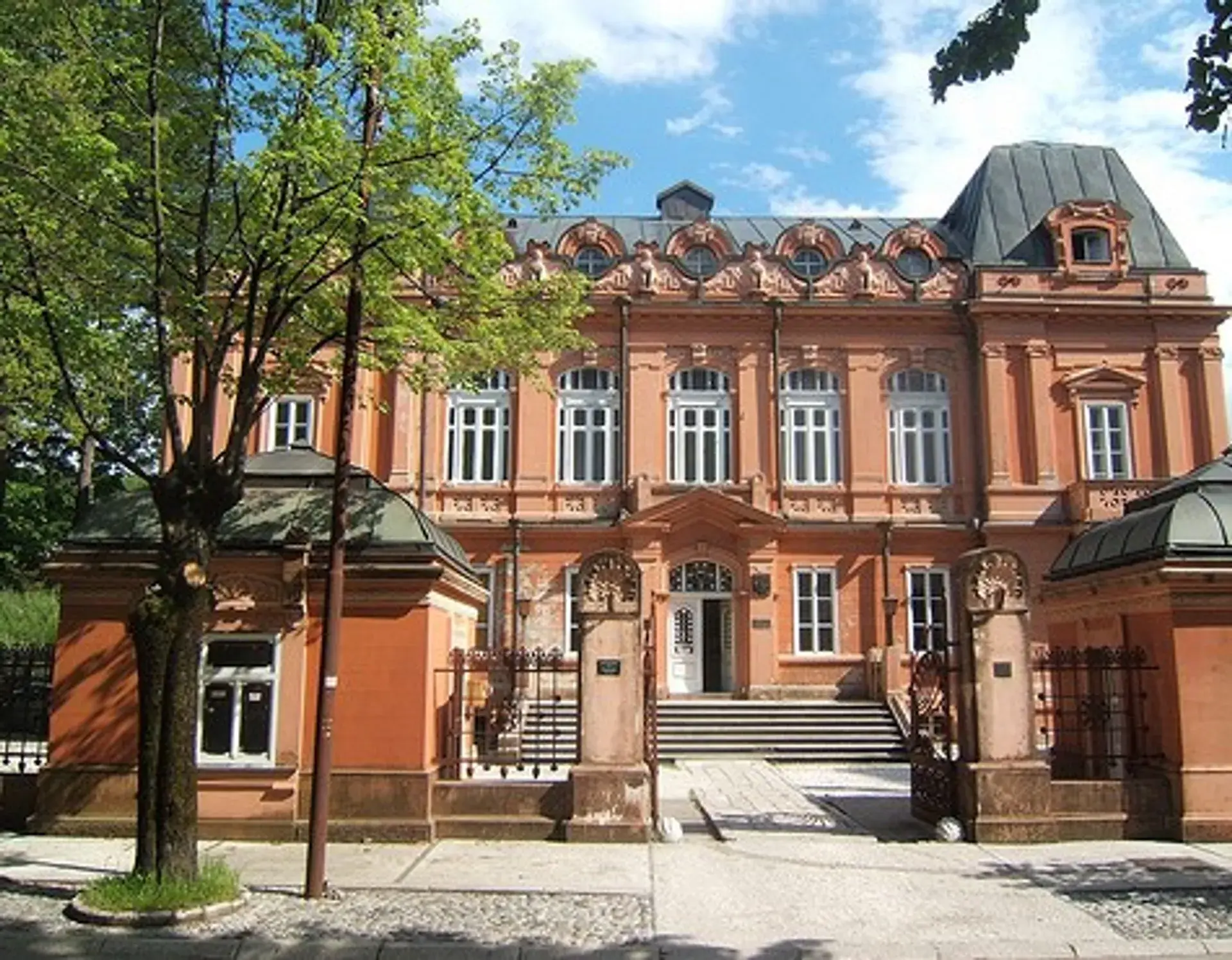
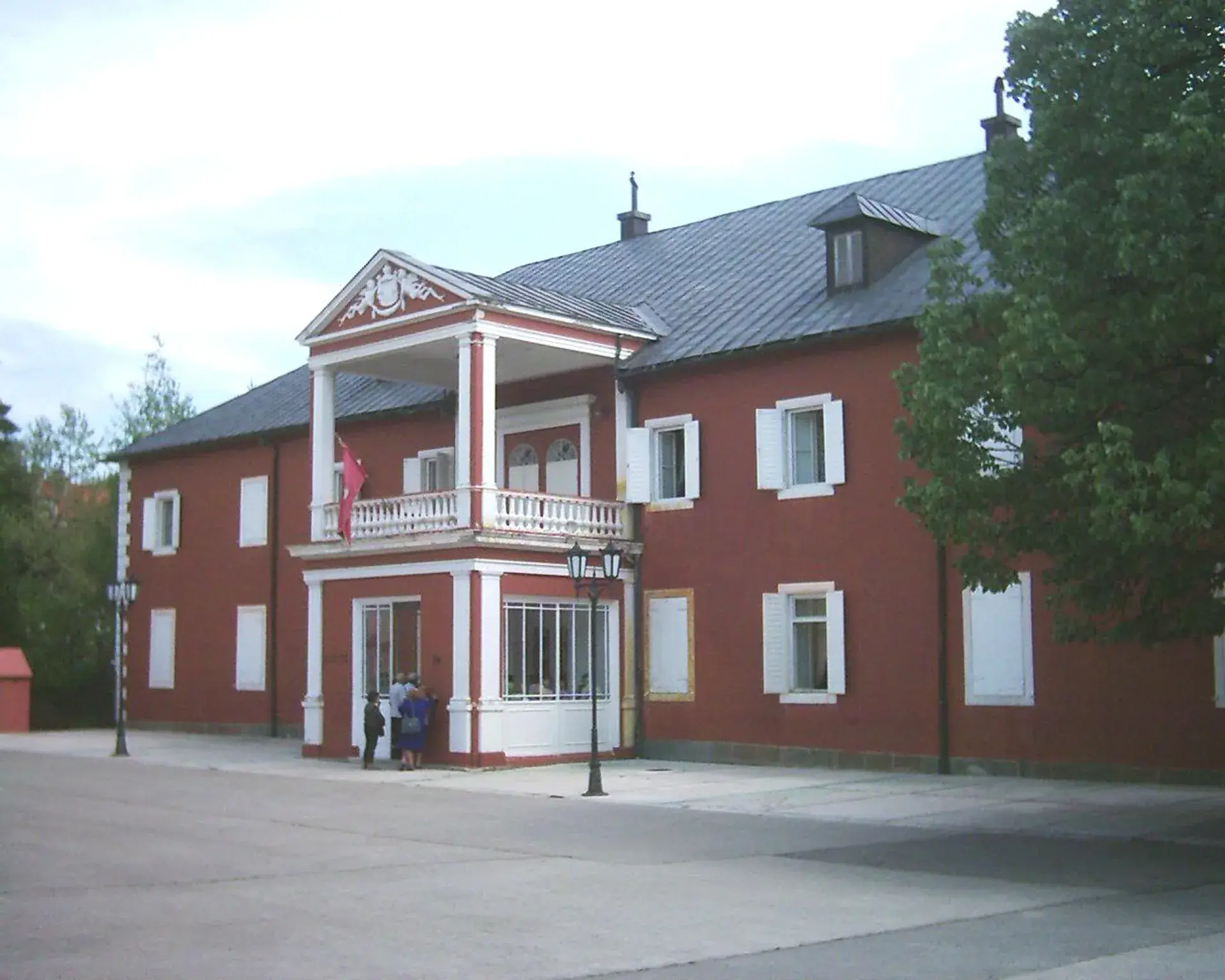
The museum's departments are spread across Cetinje's historic center. The administrative headquarters is located in the Government House (Vladin dom), a Neo-Renaissance structure built in 1910. Other key buildings include King Nikola's Palace, a neoclassical residence constructed between 1863 and 1867, and Biljarda, the 1838 residence of Petar II Petrović Njegoš, designed with input from Russian diplomat Jegor Ozereckovski.
The Evolution of a National Institution
The museum's origins can be traced to 1836 with the display of weapons and relics. The institutional framework was formalized with the Law on Royal Montenegrin Library and Museum in 1896. The State Museum was officially founded in 1926, continuing a tradition of collecting that began when Cetinje became the nation's political and spiritual center in the 15th century. The institution adopted its current name, the National Museum of Montenegro, in 1992.
Diverse Departments and Collections
The National Museum comprises five main departments: the Historic Museum, the Ethnographic Museum, the Museum of Arts, the Njegoš Museum (Biljarda), and the Museum of King Nikola. Together, they present Montenegro's socio-economic, political, military, and cultural past. The extensive collections feature everything from archaeological sources of the Middle Paleolithic era to modern artworks, war relics, and ethnographic items, offering a comprehensive narrative of the country's identity.
Prized Treasures and Unsettling Losses
Among the museum's most prized possessions are the Oktoih Prvoglasnik, a significant printed work from the late 15th century, and the original icon of Our Lady of Philermos, brought to Montenegro in 1798. These treasures highlight the depth of the collection. However, the museum's history also contains a stark contradiction to its mission of preservation: an estimated 3,000 artifacts are unaccounted for and presumed to have been stolen over the years.
FAQ
What is the National Museum of Montenegro?
It is Montenegro's largest museum institution, located in the historic capital of Cetinje. It is a complex comprising five specialized museums housed in significant historical buildings.
What are some of the main buildings in the museum complex?
Key buildings include King Nikola's Palace (1867), Biljarda (1838), the former residence of Petar II Petrović Njegoš, and the Government House (1910), which serves as the administrative headquarters.
What kind of collections does the museum have?
The museum's collections cover Montenegro's history from the Middle Paleolithic to modern times, including archaeological artifacts, war relics, ethnographic items, and significant works of art.
Does the museum hold any famous artifacts?
Yes, its prized possessions include the Oktoih Prvoglasnik, a printed book from the late 15th century, and the original icon of Our Lady of Philermos.