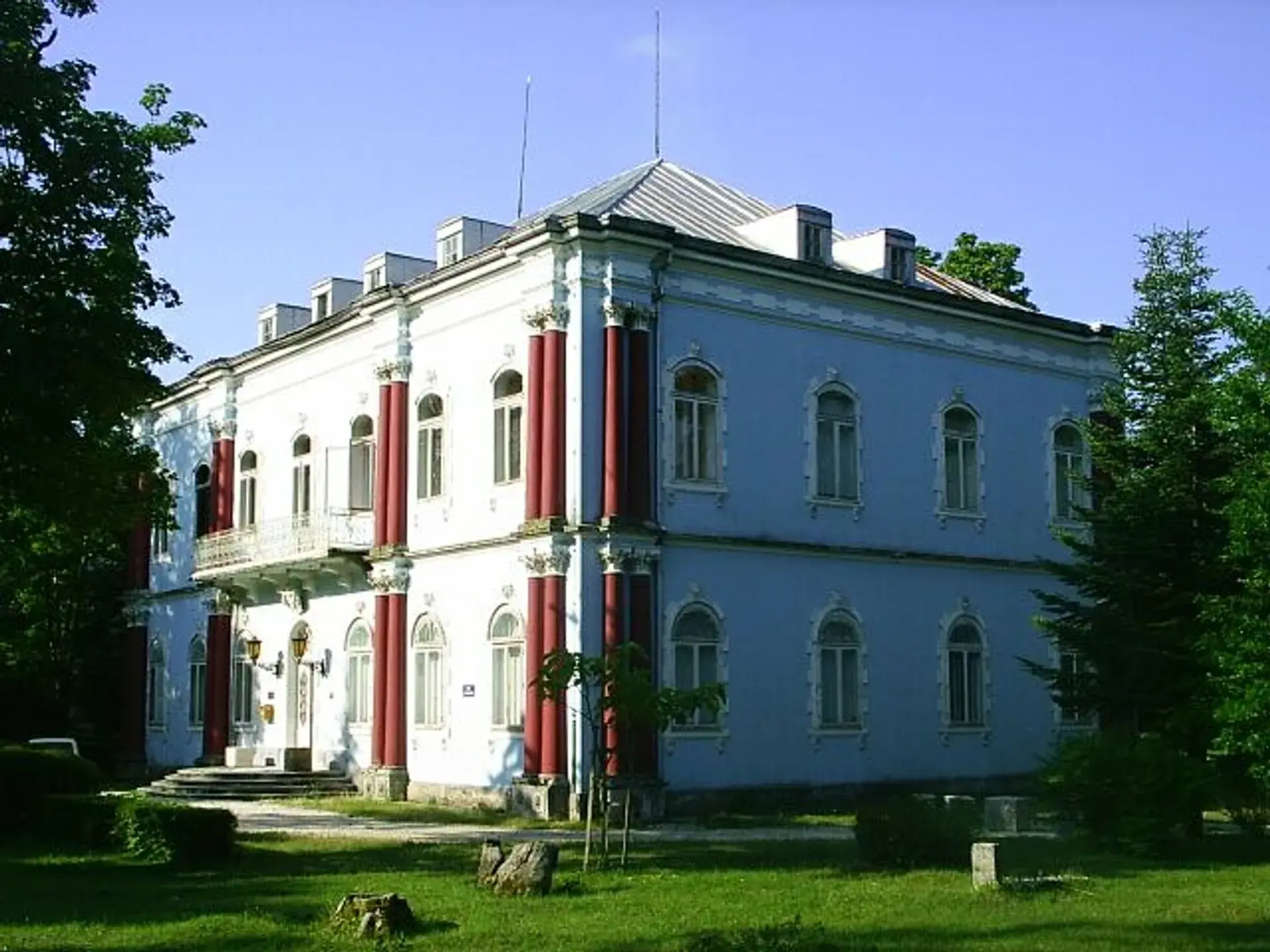
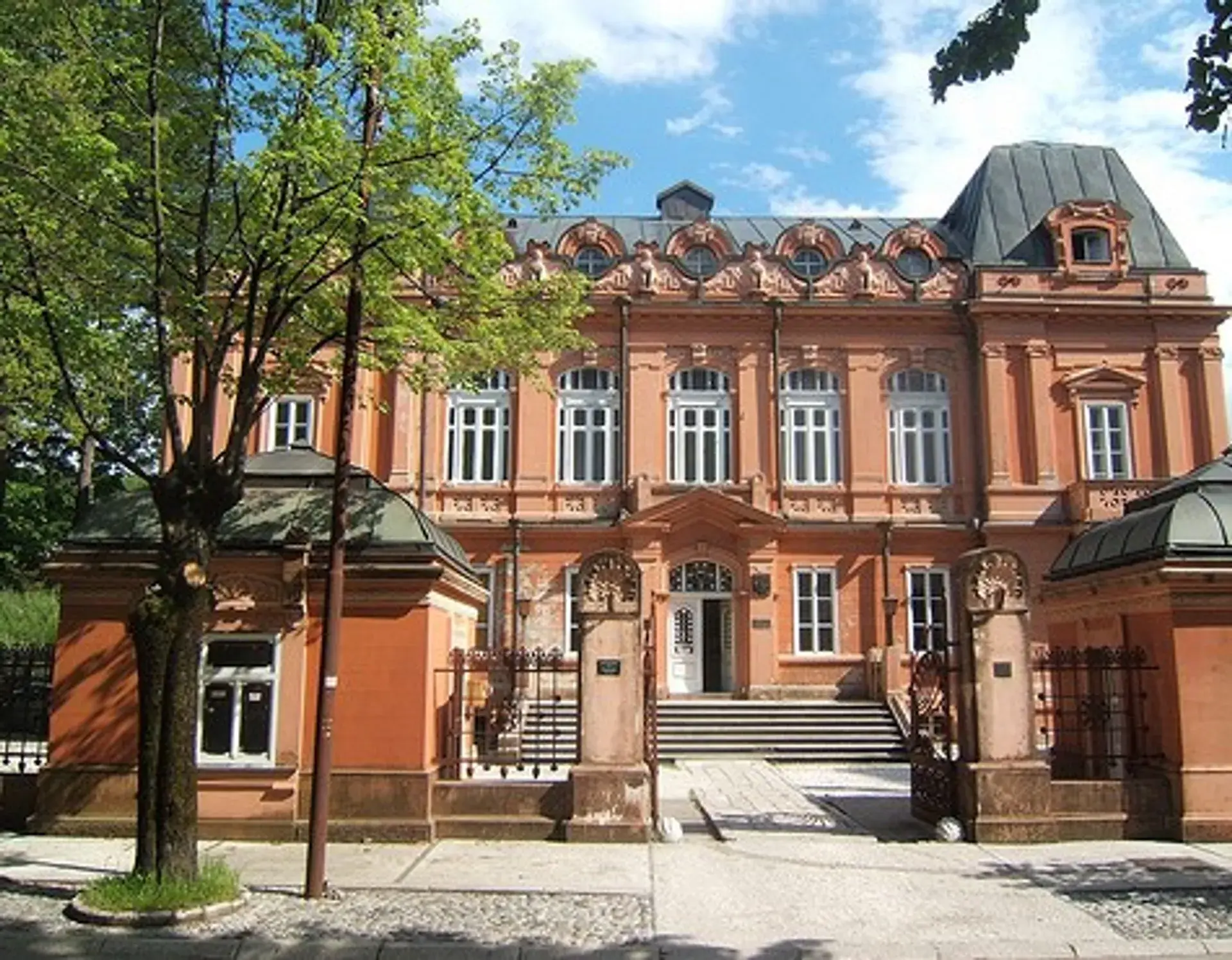
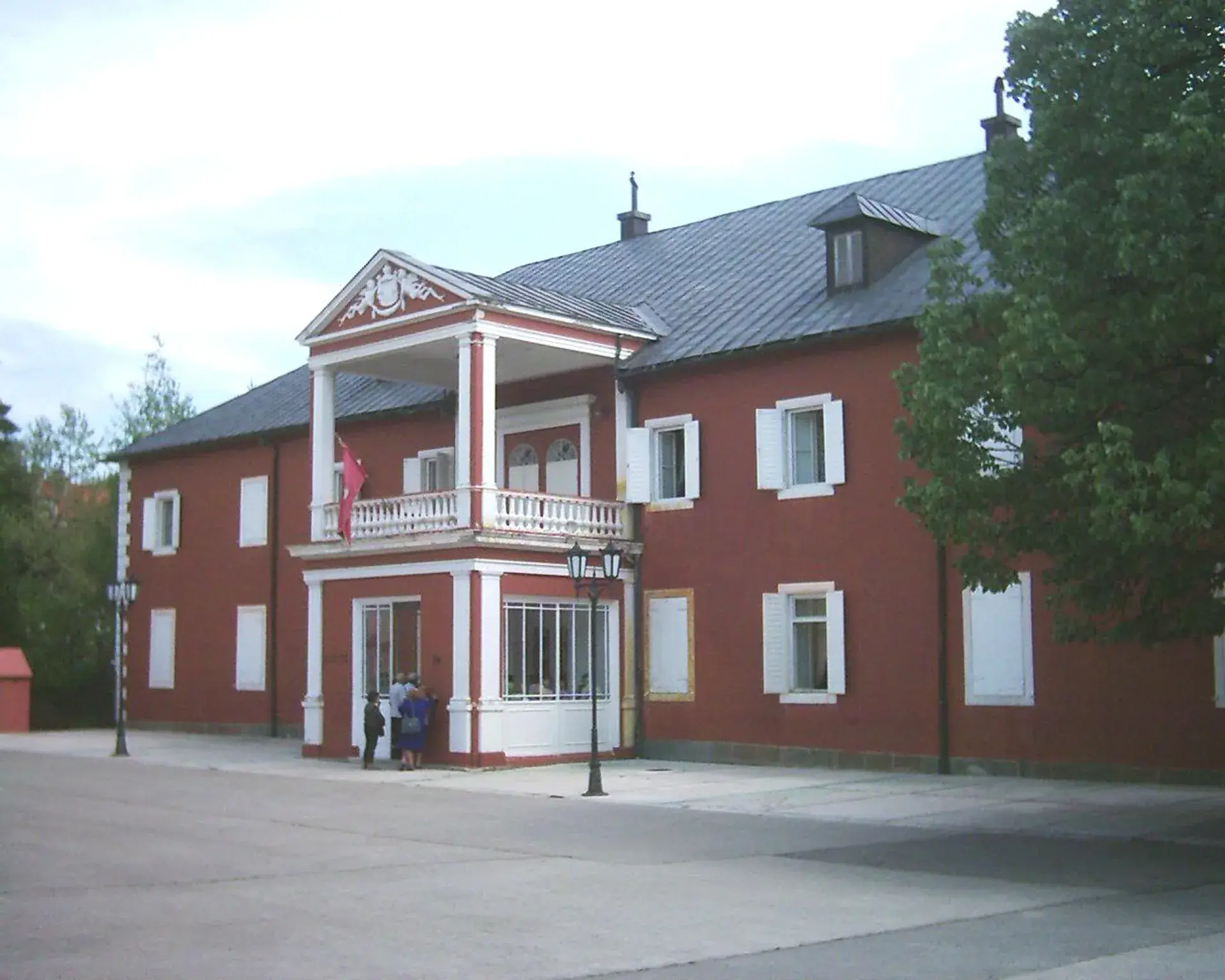
Njegoš Museum Billiards in Cetinje, Montenegro
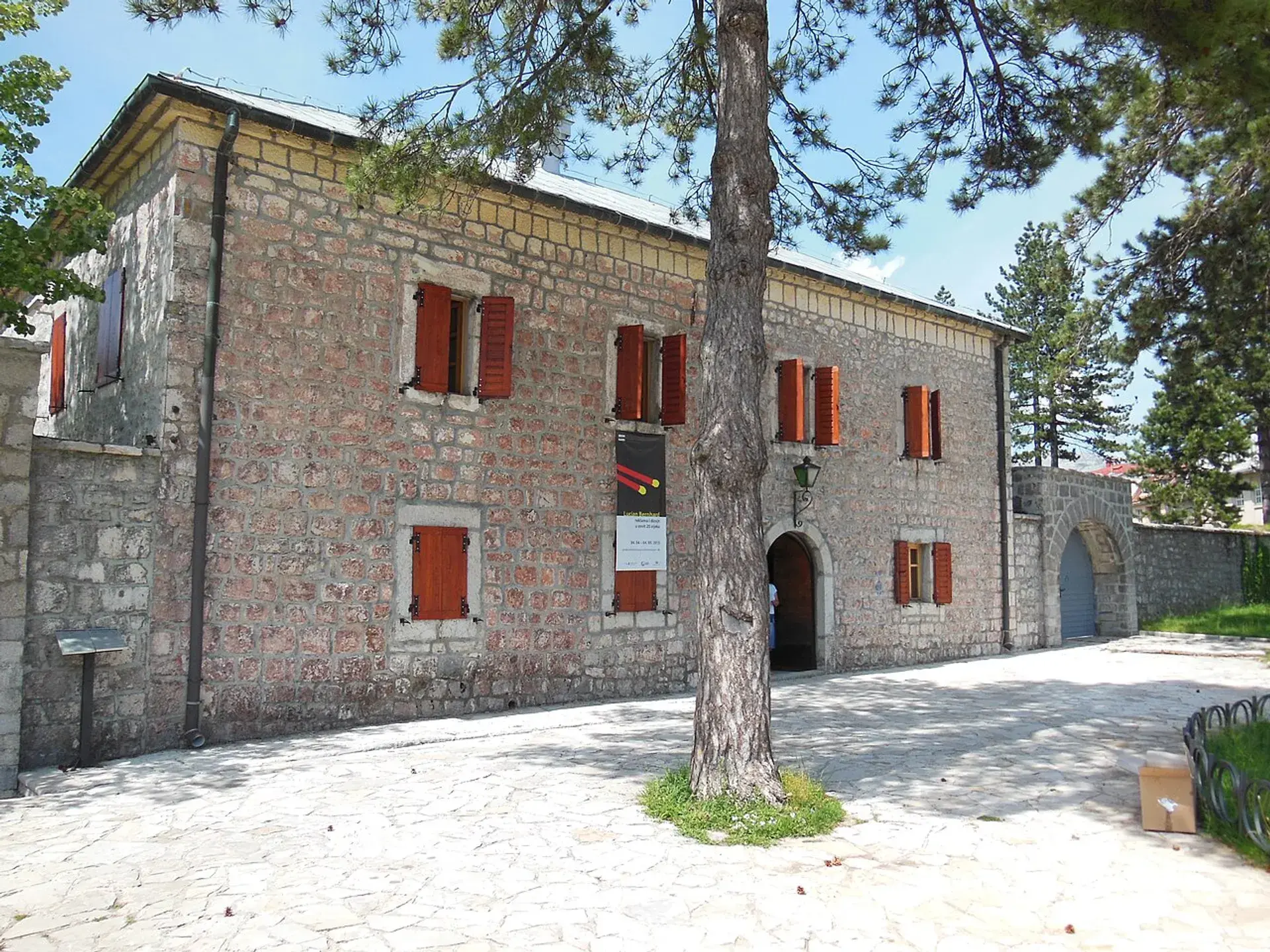
The Njegoš Museum Billiards, or Biljarda, is a historic landmark in Cetinje, Montenegro, that served as the residence of the celebrated Prince-Bishop, poet, and philosopher, Petar II Petrović-Njegoš. Its construction marked a pivotal moment in Montenegrin history, symbolizing the modernization of the state and the transition of governance from the Cetinje Monastery to a centralized, structured administration.
Construction and Architecture
Construction of the building, originally known as the 'New House', began on March 29, 1838. Designed by Russian emissary architect Jakov Ozereckovski and built with significant financial support from Russia, the structure was conceived as a fortified medieval castle. The two-story stone building is over 70 meters long and 7.5 meters wide, containing 25 rooms.
Its defensive features included a high stone wall with four corner towers. Although some of these elements were removed around 1910, the building was largely restored to its original appearance in 1951 to commemorate the centenary of Njegoš's death. Further renovations took place after a 1979 earthquake.
The Famous Billiard Table
The building's lasting name, 'Biljarda', came from an unusual source. In 1839 or 1840, a billiard table was acquired from Vienna or Italy for Njegoš, who was a great enthusiast of the game. This was the first billiard table in Cetinje, and its arrival was a significant event. The transport required immense effort, as it was reportedly carried on the backs of several men over the mountainous terrain from Kotor. In honor of Njegoš's favorite pastime, the 'New House' was subsequently renamed 'Biljarda' (Billiards).
A Center for State and Culture
Beyond being Njegoš's personal residence, the Biljarda was the epicenter of Montenegrin political, cultural, and educational life. It housed the Montenegrin Senate, the Prince's guards, and provided accommodation for distinguished guests. The building also contained Njegoš's printing shop, a theological school, a high school, and a girl's institute. After Njegoš's death in 1851, his successors, Prince Danilo I and Prince Nikola I, also resided there until 1867.
The Museum Today
In 1951, the Biljarda was officially established as the Njegoš Museum, a key unit of the National Museum of Montenegro. The permanent exhibition is dedicated to the life and work of Petar II Petrović-Njegoš. On display are his personal belongings, including his bishop's cross, garments, and a collection of weapons. The museum also holds his library and rare manuscripts, most notably the original 'Mountain Wreath'.
The famed billiard table that gave the building its name is located on the ground floor. In the courtyard, visitors can also see a detailed topographic Relief Map of Montenegro, which was created in 1917.
FAQ
Why is the Njegoš Museum called Billiards?
The building was originally named the 'New House'. It was renamed 'Biljarda' (Billiards) after Prince-Bishop Petar II Petrović-Njegoš, a passionate player, had the first billiard table in Cetinje brought to the residence in 1839 or 1840.
What can be seen at the Njegoš Museum Billiards?
The museum features the personal belongings of Petar II Petrović-Njegoš, including his library, weapons, and manuscripts like the original 'Mountain Wreath'. The famous billiard table is also on display, along with a large Relief Map of Montenegro in the courtyard.
When was the Billiards building constructed?
Construction on the building began on March 29, 1838, under the patronage of Prince-Bishop Petar II Petrović-Njegoš.