Het Plein: The Hague's Historic Political & Social Heart
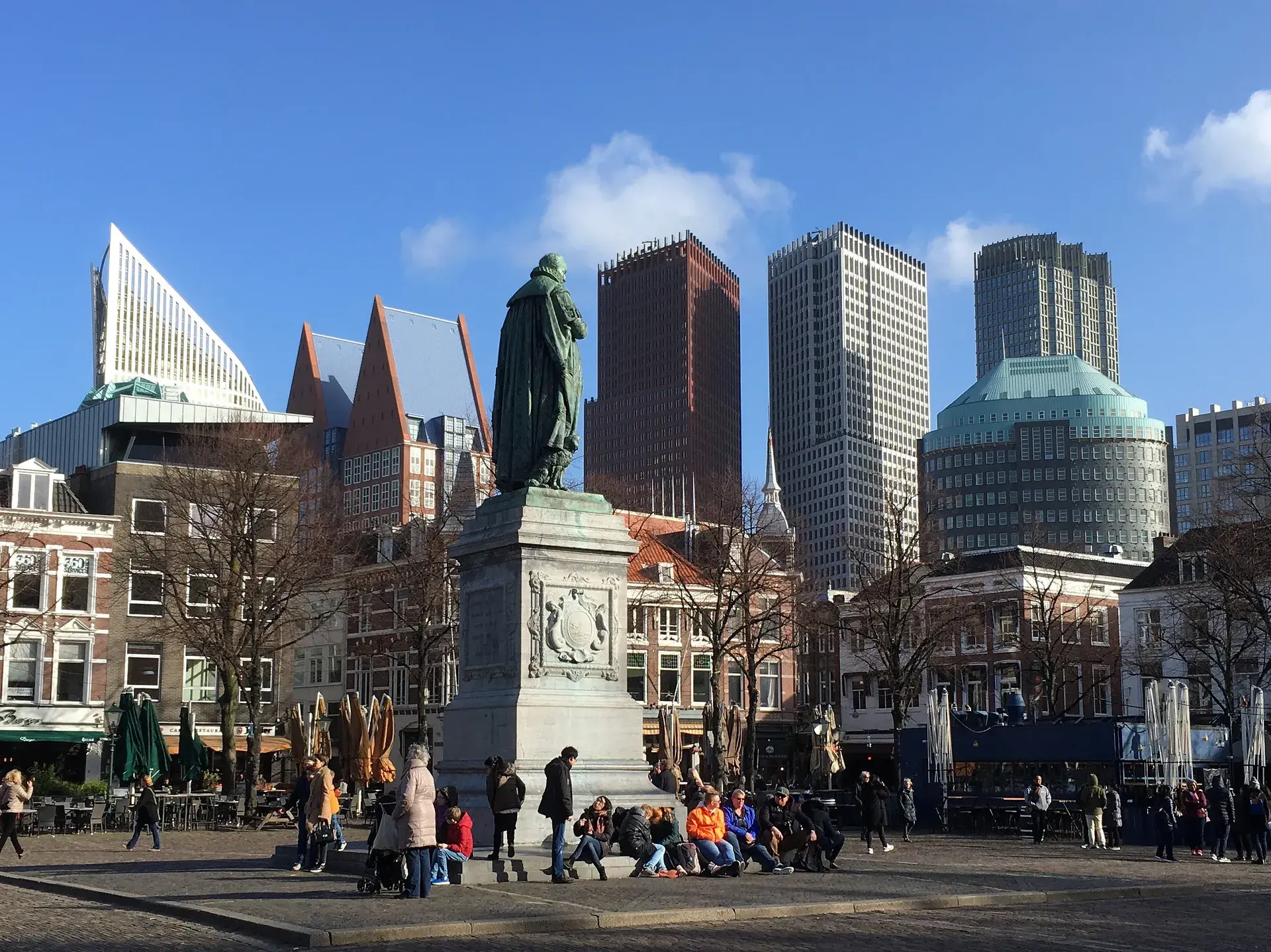
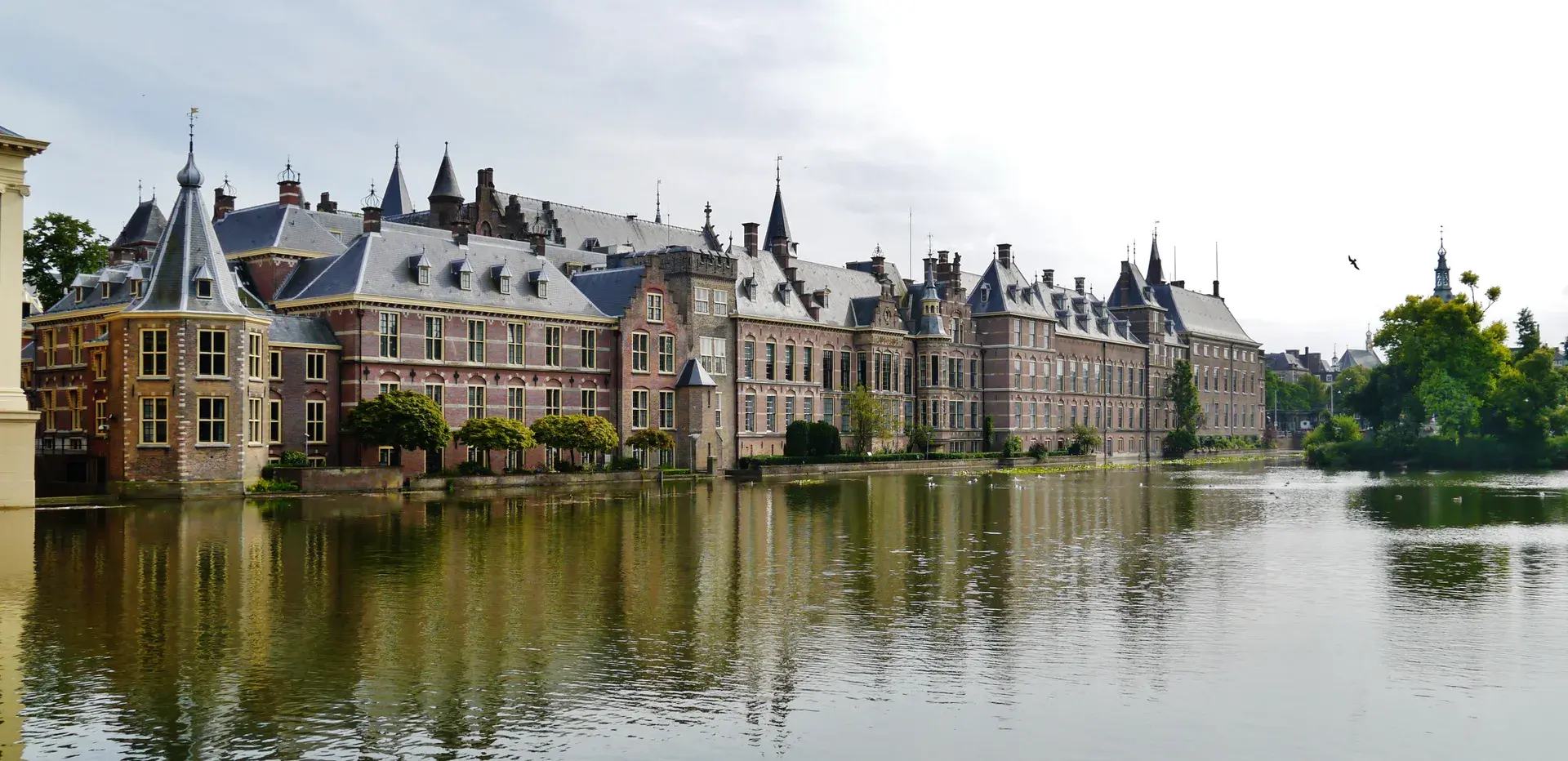
Het Plein is a quadrangular open square that serves as the vibrant political and social heart of central The Hague. Located adjacent to the Binnenhof, the seat of the Dutch Parliament, this historic space embodies the city's pulse, blending centuries of history with the daily life of modern governance and leisure.
From Royal Garden to Grand Square
The origins of Het Plein date back to the mid-13th century when the area was a walled vegetable garden known as the 'Kooltuin' (cabbage garden). It dutifully supplied vegetables to the Count of Holland's court residing at the Binnenhof. By the late 16th century, under the Oranje-Nassau stadtholders, it had been converted into an ornamental garden, the 'Stadhouderstuin'.
A significant transformation occurred in 1632 when Stadtholder Prince Frederik Hendrik intervened to prevent residential development on the land. Inspired by the axial symmetry of Paris's Place Royale (now Place des Vosges), he initiated the creation of a formal urban square. Building plots were sold around the new perimeter, and the project was largely completed by 1633, establishing the grand layout seen today.
The Statue of William the Silent
Dominating the center of the square is the bronze statue of William the Silent (Willem van Oranje), unveiled on June 5, 1848. The monument honors the man revered as the 'Father of the Fatherland' for his pivotal leadership during the Dutch Revolt against Spanish rule, which laid the foundation for the Dutch state.
Sculpted by Louis Royer and sponsored by King Willem II, the statue portrays William as a statesman. His right hand is raised, and his left rests on the sealed documents of the Union of Utrecht (1579), a key alliance of Dutch provinces. A dog at his side symbolizes loyalty, referencing a story that it once saved his life. The statue's design was the subject of a year-long debate over details such as the prince's posture and whether he should wear a cap.
The Modern Pulse of The Hague
Today, Het Plein functions as a bustling public square and a primary social hub. Its perimeter is lined with numerous restaurants, cafes, and pubs that attract politicians, professionals, and visitors throughout the day. It is common to see ministers and secretaries of state walking through the square.
The square frequently hosts cultural events, markets, and political gatherings. A regular food market takes place on Thursdays. As evening falls, Het Plein transforms into one of The Hague's premier nightlife destinations, with its many establishments converting into lively bars and clubs.
FAQ
What was Het Plein originally?
Het Plein began in the mid-13th century as a walled vegetable garden called the 'Kooltuin' (cabbage garden). It provided produce for the Count of Holland's court at the nearby Binnenhof before being transformed into a formal square in 1632.
Who is the statue in the center of Het Plein?
The central statue is of William the Silent (Willem van Oranje), known as the 'Father of the Fatherland'. Sculpted by Louis Royer and unveiled in 1848, it honors his leadership in the Dutch Revolt against Spanish rule.
What is Het Plein used for today?
Today, Het Plein is a vibrant social and political hub adjacent to the Dutch Parliament. It is filled with cafes and restaurants, hosts a weekly food market on Thursdays, and becomes a lively nightlife area in the evening.
Why is there a dog on the statue of William the Silent?
The dog at the side of William the Silent's statue is a symbol of loyalty. Its inclusion is based on a story that a dog once saved the Prince's life.