Mauritshuis: Dutch Art & Complex History in The Hague
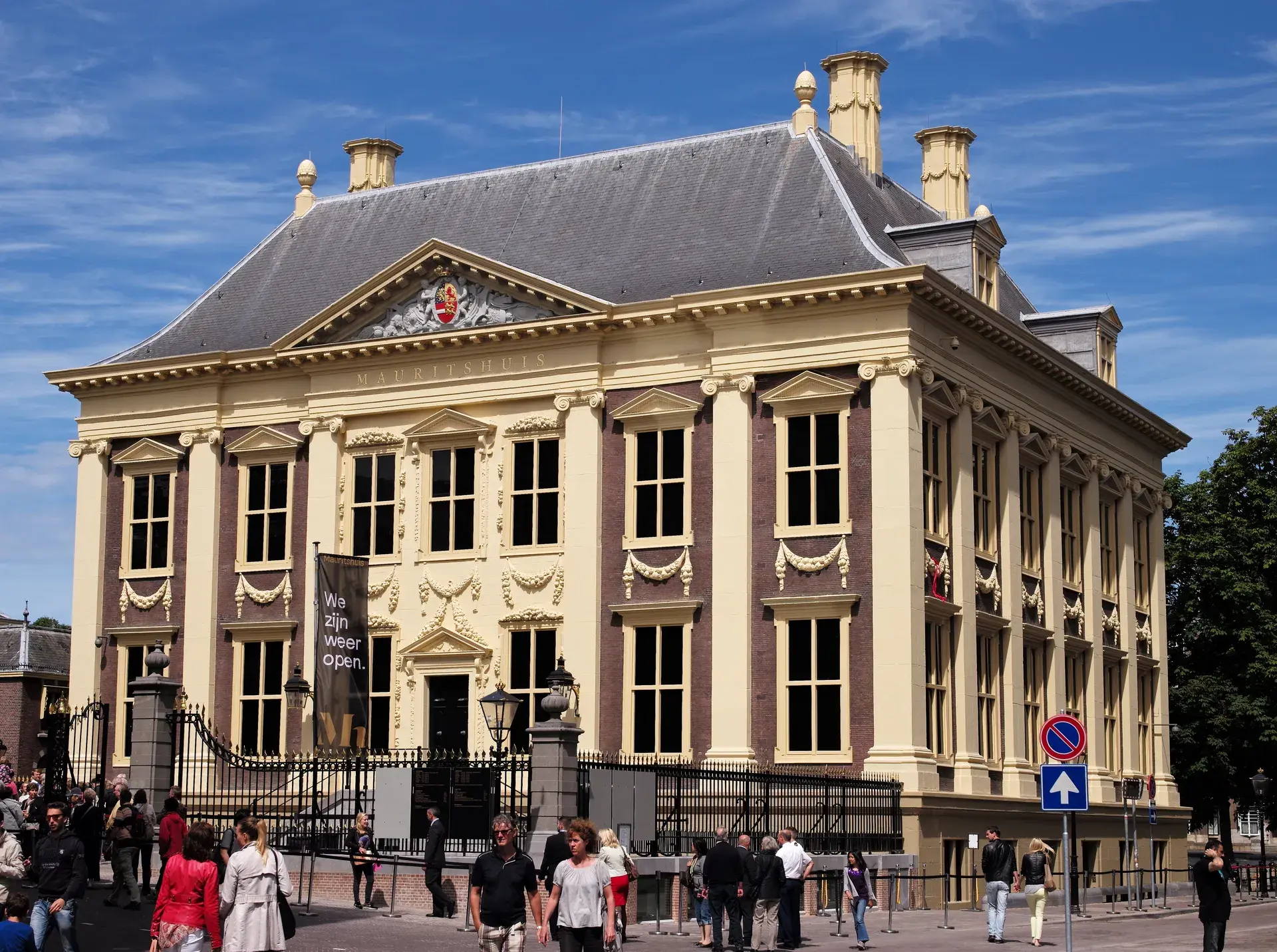
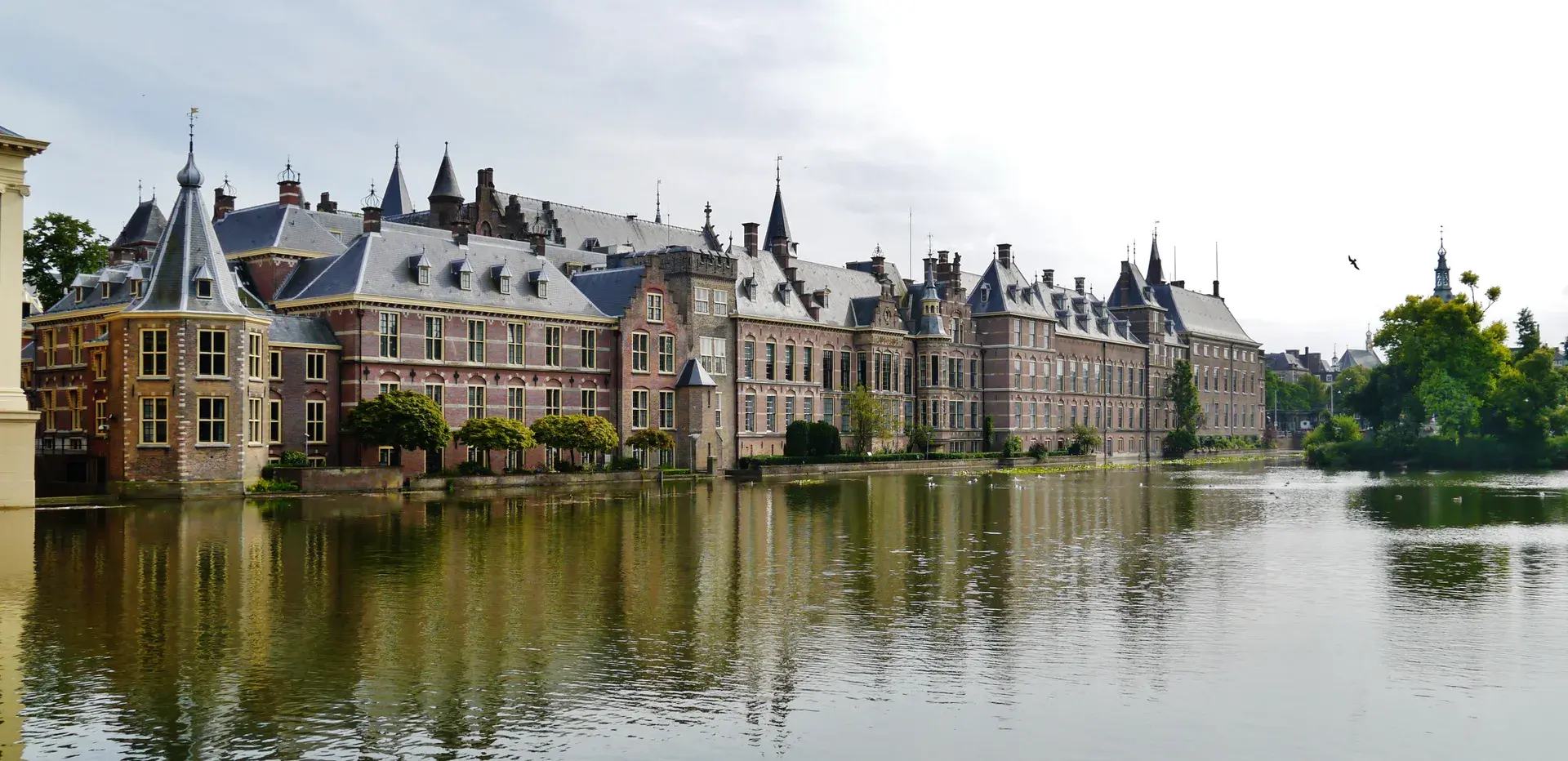
Located in the heart of The Hague, the Mauritshuis is a 17th-century city palace that now serves as a world-renowned art museum. Its elegant Dutch Classicist facade stands beside the historic Binnenhof and the picturesque Hofvijver pond. While celebrated for its collection of Dutch Golden Age masterpieces, the building's history is deeply intertwined with the story of its founder and the wealth generated during the colonial era.
A Palace of Complex Origins
The Mauritshuis was constructed between 1633 and 1644 as a private home for Count Johan Maurits of Nassau-Siegen. The design is attributed to architect Jacob van Campen. Much of the wealth used to fund this lavish residence was derived from Johan Maurits's tenure as Governor-General of Dutch Brazil from 1636 to 1644. During this time, he oversaw the transport of approximately 24,000 enslaved people and profited significantly from the sugar and slave trade, leading some contemporaries to disparagingly call the building the 'Sugar Palace.'
The original interior reflected his time in South America, adorned with tropical hardwood and frescoes of Brazilian landscapes. The great hall displayed items brought from Brazil, including headdresses, gemstones, and stuffed animals. After Johan Maurits moved to Germany in 1647, the house was often used to accommodate guests of the Dutch government.
From Residence to Royal Museum
A devastating fire in 1704, reportedly started by a servant, destroyed much of the interior. The building underwent extensive restoration between 1708 and 1718. In 1820, the Dutch state purchased the Mauritshuis to house the Royal Cabinet of Paintings, a collection largely based on that of Stadtholder Prince William V. King William I officially inaugurated the building as a public museum on January 5, 1822, marking a key moment in the democratization of art in the Netherlands.
By 1875, the entire building was dedicated to the art collection. Under the directorship of Abraham Bredius starting in 1889, the collection grew significantly with important acquisitions, including Carel Fabritius's 'The Goldfinch.'
A Jewel Box of Dutch Art
Today, the Mauritshuis, officially the Royal Cabinet of Paintings, holds a collection of 854 objects. It is most famous for its Dutch Golden Age paintings by masters such as Rembrandt van Rijn, Jan Steen, Paulus Potter, and Frans Hals. One of its most iconic works, Johannes Vermeer's 'Girl with a Pearl Earring,' was famously purchased at an auction in 1882 for a mere two guilders and thirty cents.
A major renovation from 2012 to 2014 doubled the museum's floor space. An underground foyer now connects the original building to the adjacent Sociëteit de Witte building, which houses additional exhibition rooms, a brasserie, and a library. The museum actively engages with its history, offering programs that educate visitors on the colonial past of its founder.
FAQ
What is the Mauritshuis famous for?
The Mauritshuis is famous for its world-class collection of Dutch Golden Age paintings, including Johannes Vermeer's "Girl with a Pearl Earring," Rembrandt's "The Anatomy Lesson of Dr. Nicolaes Tulp," and Carel Fabritius's "The Goldfinch."
Who built the Mauritshuis?
The Mauritshuis was built between 1633 and 1644 as a private residence for Count Johan Maurits of Nassau-Siegen. The Dutch Classicist design is by architect Jacob van Campen.
What is the controversial history of the Mauritshuis?
The building's founder, Johan Maurits, financed its construction with wealth acquired as Governor-General of Dutch Brazil, where his fortune was significantly tied to the sugar industry and the transatlantic slave trade. This led to the building being nicknamed the 'Sugar Palace'.
When did the Mauritshuis become a museum?
After being purchased by the Dutch state in 1820, the Mauritshuis was officially opened as a public museum, the Royal Cabinet of Paintings, by King William I on January 5, 1822.