St. James Church, Sandomierz: Poland's Oldest Brick Church
The Foundational Monument of Sandomierz
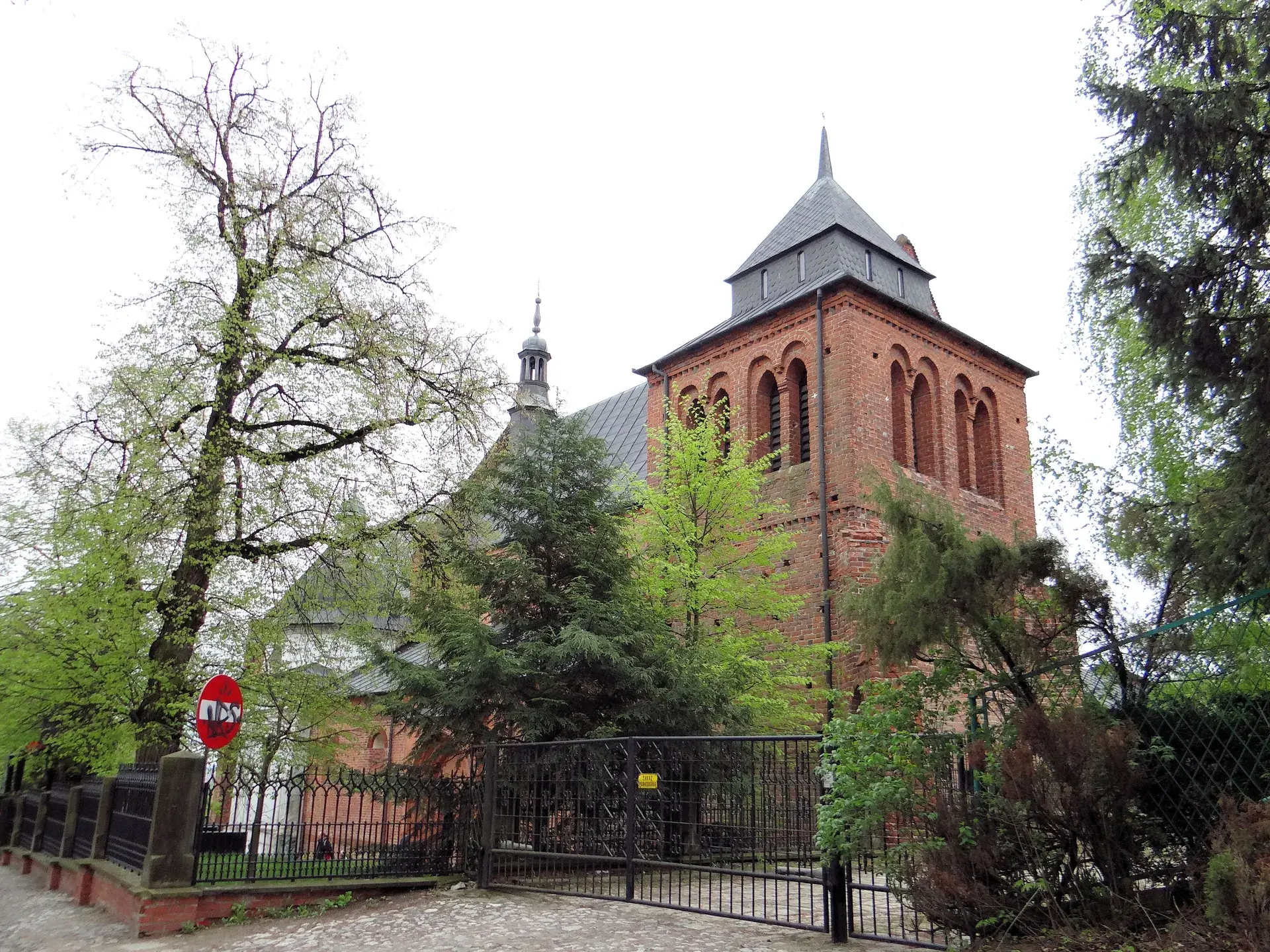
Perched atop Jacob's Hill (Wzgórze Świętojakubskie), the Church of St. James (Kościół św. Jakuba) stands on the grounds of the original early-medieval settlement of Sandomierz, occupied well before the town was re-chartered around its current Market Square. Recognized as one of the oldest brick churches in Poland, the current church was constructed between 1226 and 1250 over the footprint of an earlier 1211 sanctuary.
Founded by Bishop Iwo Odrowąż and Saint Jacek (Hyacinth) Odrowąż—the first Polish Dominican—the site established the second-oldest Dominican monastery in the country, following only Kraków in prominence and monastic seniority.
Romano-Gothic Brick Architecture
The basilica exemplifies transitional Romano-Gothic architecture, characterized by its pioneering Wendish bond brickwork. The exterior presents stark surfaces of raw, exposed red brick complemented by intricate ceramic mouldings set into the gables.
Inside, the space maintains a minimalist, unplastered aesthetic. Although subsequent centuries saw the introduction of baroque embellishments, a destructive fire in 1905 prompted an extensive restoration. This work stripped away later baroque alterations, exposing the original thirteenth-century Romanesque brick surfaces.
Tumultuous History and the 1260 Martyrdom
Throughout its history, the convent weathered severe crises. In 1260, a Tatar invasion breached the complex, resulting in the martyrdom of Prior Sadok, 48 fellow Dominican friars, and numerous local townspeople seeking sanctuary. To commemorate the blood spilled during this massacre, Polish Dominican friars were granted the unique privilege of wearing red belts with their standard monastic habits.
The complex also sustained damage during a 14th-century Lithuanian invasion before undergoing restoration financed by Queen Jadwiga. Later, following the January Uprising against the Russian Empire in 1864, imperial authorities formally dissolved the monastery. The Dominican order was absent from Sandomierz for 137 years before friars officially returned to resume pastoral duties in 2001.
Notable Relics and Hidden Curiosities
The church preserves an array of significant medieval and post-medieval antiquities:
- Historic Bells: The freestanding belfry contains some of Poland's oldest functional church bells, cast in 1314 and 1389.
- The Adelaide Sarcophagus: Within the interior rests a 17th-century sarcophagus carved entirely out of a single massive oak trunk, holding the remains of Princess Adelaide.
- Crusader Gravestones: Floor and wall spaces feature Romanesque tombstones inscribed with swords, which historians associate with Polish knights who joined early medieval crusades.
Contemporary Role and Hillside Vineyard
Today, the Church of St. James remains an active Dominican priory and Catholic rectory church. It serves as a major hub for pilgrims journeying along the Lesser Polish Way of the Camino de Santiago, marked by the traditional St. James shell symbolism. It also functions as a cultural venue, regularly hosting early music concerts featuring Renaissance polyphony and Gregorian chant. In 2012, the resident friars revitalized the surrounding monastery slopes by establishing the St. James Vineyard, restoring viticulture to the historic hillside.
FAQ
Why do Polish Dominican friars wear red belts?
Polish Dominicans wear red belts with their habits as a special privilege honoring the memory of Prior Sadok and 48 friars martyred at the monastery during the 1260 Tatar invasion.
What architectural style is St. James Church in Sandomierz?
The church is a prominent example of transitional Romano-Gothic architecture, noted for its early Wendish bond brickwork, ceramic gable mouldings, and unplastered brick interior.
How old are the bells at the Church of St. James?
The monastery belfry holds some of the oldest preserved bells in Poland, with castings dating to 1314 and 1389.