Ravine of Queen Jadwiga: Sandomierz's Loess Gorge
Geological Origins of the Sandomierz Loess Gorge
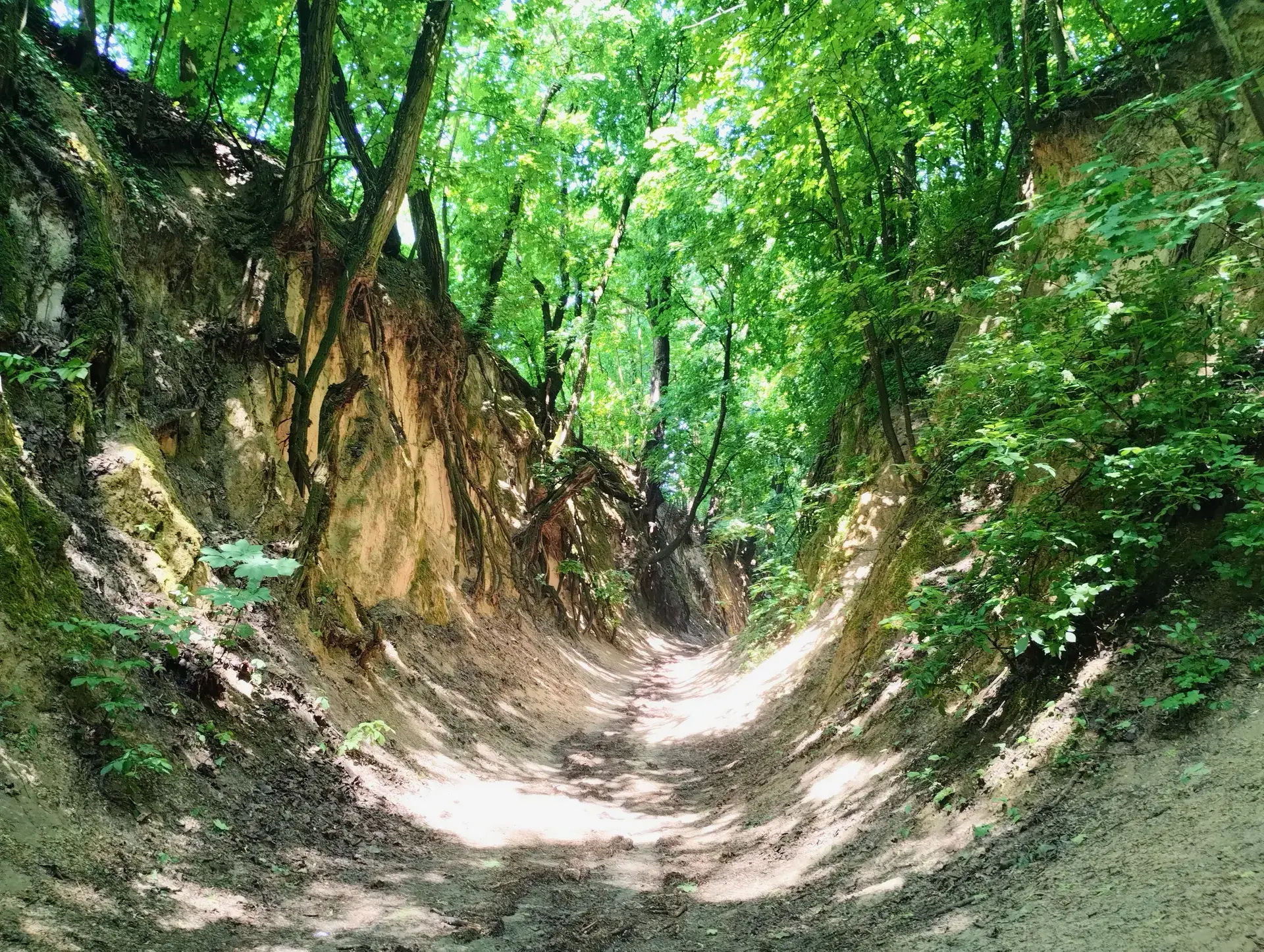
The Ravine of Queen Jadwiga (Wąwóz Królowej Jadwigi) is a natural loess gorge situated in southwestern Sandomierz, Poland. Spanning approximately 500 meters in length, the sunken corridor features steep, near-vertical walls that reach heights between 10 and 15 meters. It cuts through deep Quaternary loess deposits between St. James Hill (Wzgórze Świętojakubskie) and St. Paul Hill (Wzgórze Świętopawelskie), linking Staromiejska Street with Królowej Jadwigi Street.
The geological foundation of the gorge dates back to the Pleistocene ice ages, during which thick layers of wind-blown silt settled across the regional plateau. Over centuries, rainwater runoff and spring snowmelt cut deep incisions into this soft sedimentary layer. This natural water erosion was further accelerated by continuous human and livestock traffic traveling along sunken roadway paths.
Despite loess being composed of fine, dust-like silt particles, its cohesive mechanical structure allows the vertical canyon walls to stand upright for decades without collapsing, provided they remain shielded from direct flowing surface water.
Protected Environment and Microclimate
On December 30, 1988, the Ravine of Queen Jadwiga was officially designated an inanimate natural monument (pomnik przyrody nieożywionej). It is also preserved as part of the broader Sandomierz Historic Monument complex.
The crests of the canyon are shaded by a deciduous canopy consisting of lime, maple, elm, and black locust trees, with an undergrowth dominated by black elder. Erosion along the rim has exposed intricate webs of tree root systems that hang across the yellow-brown silt walls.
This high wall structure and dense canopy create a distinct microclimate marked by a sharp drop in ambient temperature and reduced daylight compared to the surrounding streets. The gorge floor consists of compacted silt that remains dry and powdery in warm conditions, but quickly turns into slick mud after rainfall.
Historical Context and Town Topography
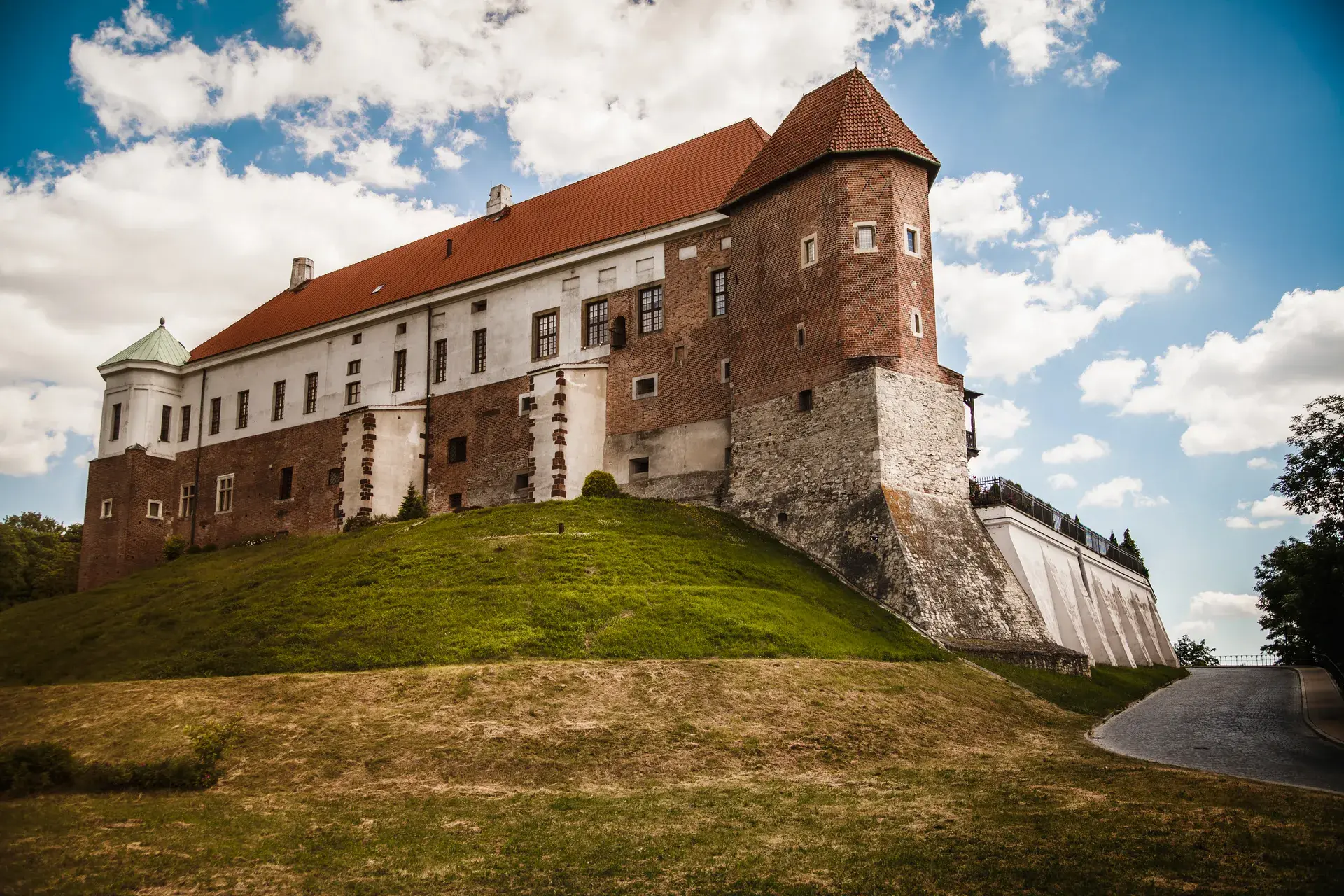
Sandomierz sits upon a deeply dissected loess plateau overlooking the Vistula River valley. Historically, deep ravines like the Ravine of Queen Jadwiga and nearby Wąwóz Piszczele served as natural defensive moats, giving the historic town its divided layout across separate hilltops.
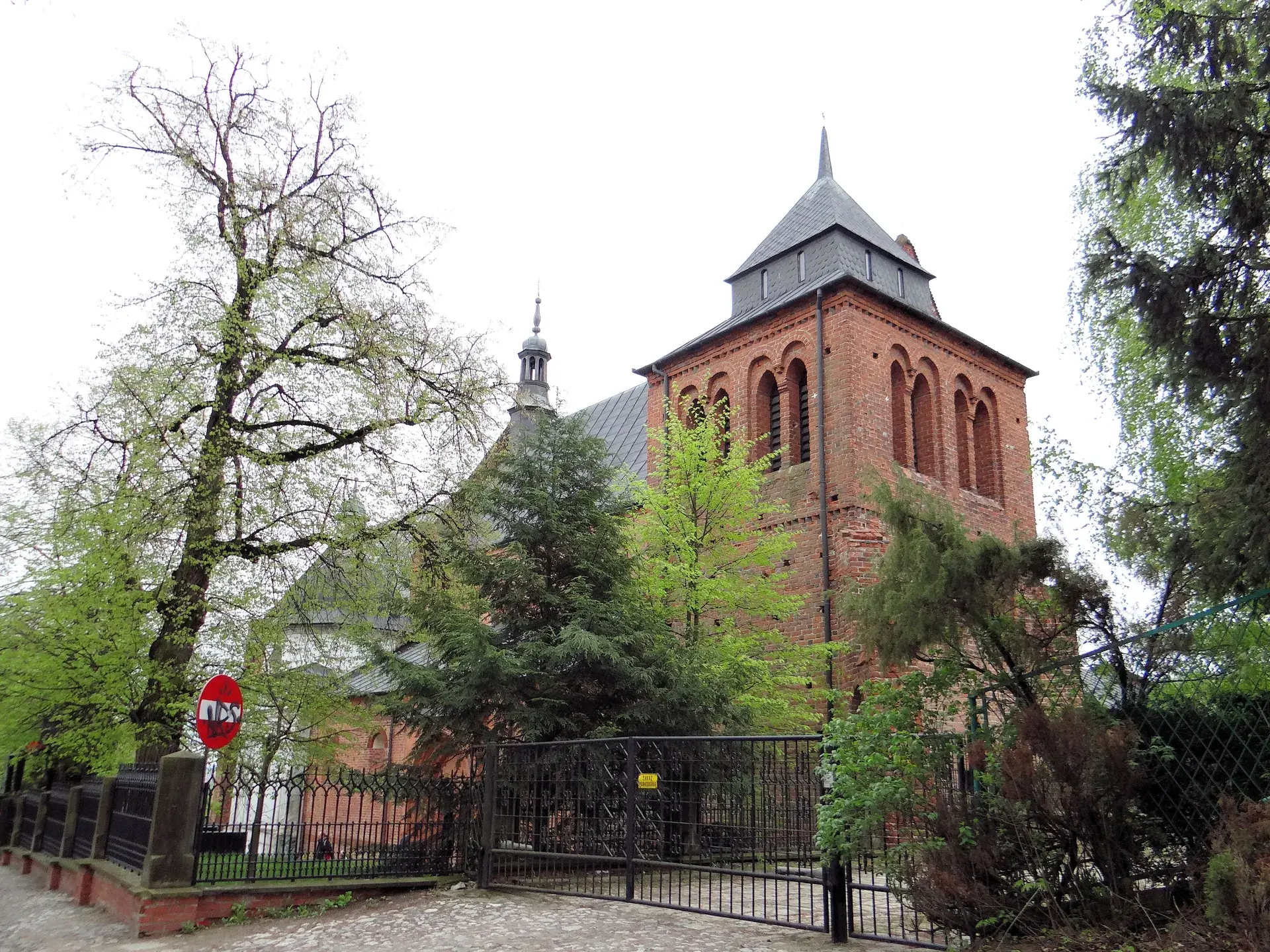
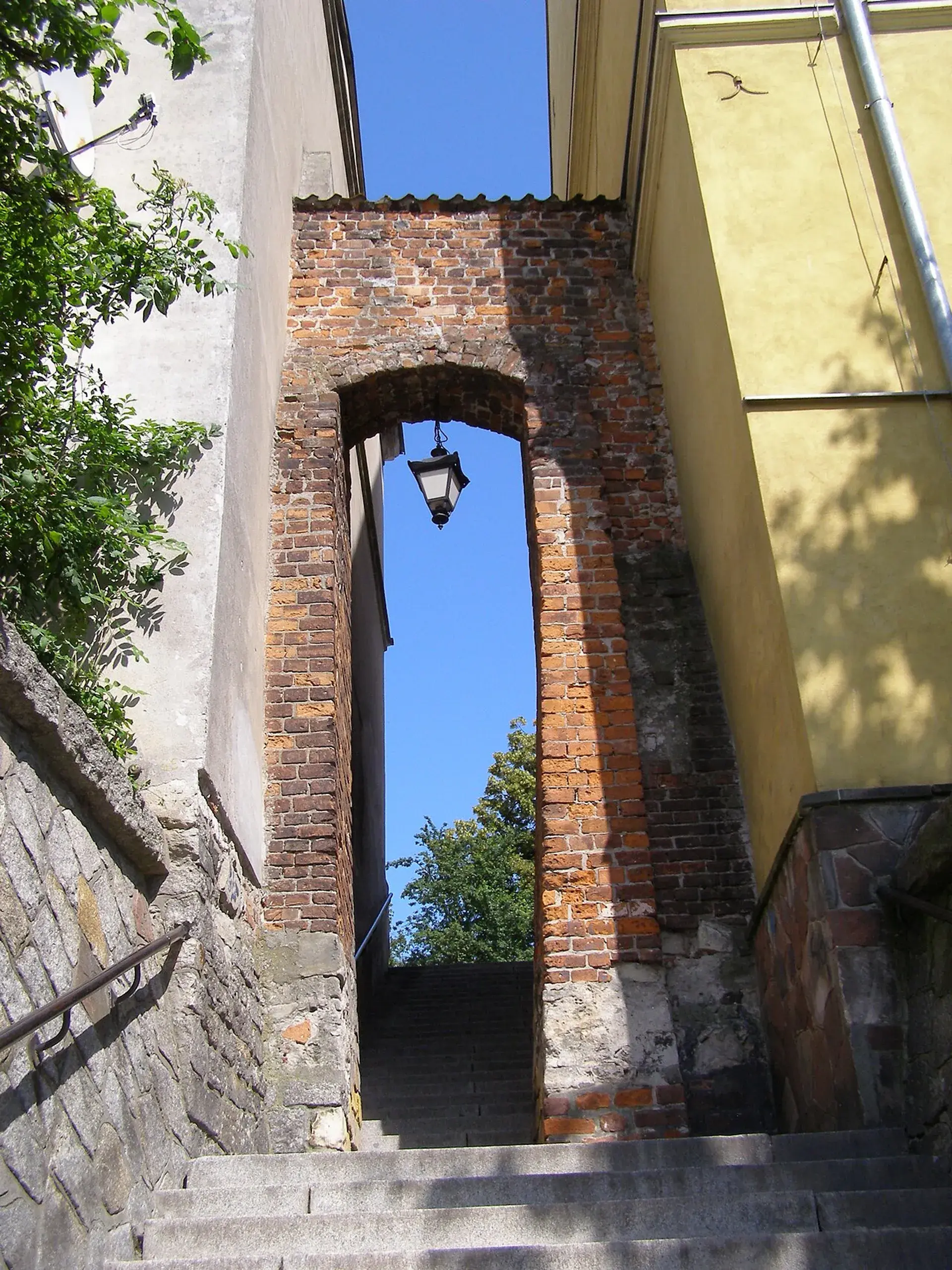
The ravine sits adjacent to the earliest settlement district of Sandomierz, which was originally clustered around the 13th-century Dominican Church of St. James. Following the city's 1286 Magdeburg town charter, municipal and commercial activity migrated to the current Market Square hill. As a result, the gorge physically bridges the later medieval core with the earlier Romanesque ecclesiastical quarter, exposing the geological silt beneath the town's brick architecture.
Royal Legends
Local lore associates the ravine with 14th-century Queen Jadwiga of Poland. According to tradition, the monarch frequently used this sunken passage to attend religious services at the Church of St. James.
A related folk tale tells of a winter journey toward Kraków during which Queen Jadwiga's sleigh became stuck in deep snow near the ravine. Inhabitants from the nearby village of Świątniki dug her out of the drifts and gave her shelter for the night. As an expression of gratitude, she gifted them a pair of white gloves. A set of medieval gloves linked to this legend remains on display today in the Diocesan Museum at Długosz House (Dom Długosza) in Sandomierz.
Trail Access and Regulations
The Ravine of Queen Jadwiga operates year-round as a free, open-access public pedestrian trail. It serves as an integral stop on local municipal heritage itineraries and runs alongside the Małopolska Way of St. James pilgrimage trail. To protect the delicate silt walls and ensure pedestrian safety, bicycles and motorized vehicles are prohibited from entering the gorge.
FAQ
How was the Ravine of Queen Jadwiga formed?
The ravine was carved through Quaternary loess deposits by rainwater runoff and snowmelt over centuries. The erosion was accelerated by historical foot and livestock traffic along sunken roads cut into wind-blown glacial silt that accumulated during Pleistocene ice ages.
Why do the steep loess walls remain standing without collapsing?
Although loess consists of fine, dust-sized silt particles, its mechanical structure allows vertical walls to remain stable for decades unsupported, so long as they are sheltered from running surface water.
Are bicycles or vehicles permitted inside the ravine?
No. The ravine is designated solely as a pedestrian trail; both bicycles and motorized vehicles are strictly prohibited.
What is the legend behind Queen Jadwiga's gloves?
According to legend, Queen Jadwiga's sleigh became stuck in snow near the ravine, and villagers from Świątniki rescued her. In return, she presented them with white gloves, which are preserved in the Diocesan Museum at Długosz House in Sandomierz.