Jardim do Mar's Narrow Alleys: A Historic Madeira Gem
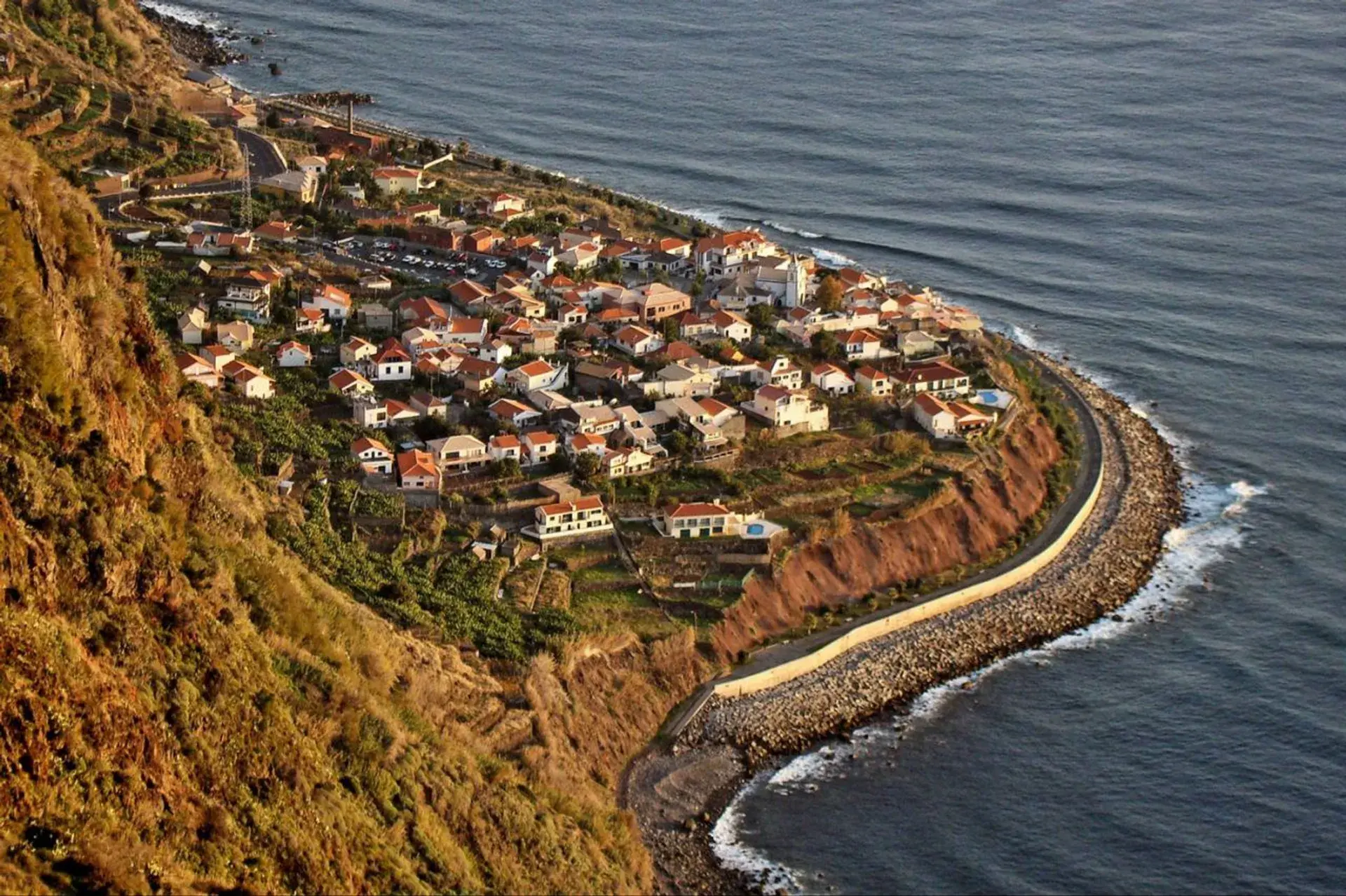
The narrow, cobbled alleys of Jardim do Mar are the quintessential feature of this historic village on Madeira's southern coast. These pedestrian pathways wind through a landscape of traditional architecture, reflecting centuries of history shaped by isolation and a unique geography. Known as the 'Garden of the Sea,' the village is situated on a 'fajã,' a fertile land-deposit between towering cliffs and the Atlantic Ocean.
A History of Isolation and Community
Founded in the 15th century as a remote fishing enclave, Jardim do Mar was accessible primarily by boat or difficult footpaths for centuries. This isolation fostered a distinct way of life and a strong sense of community. The village officially became a parish by royal decree in 1848.
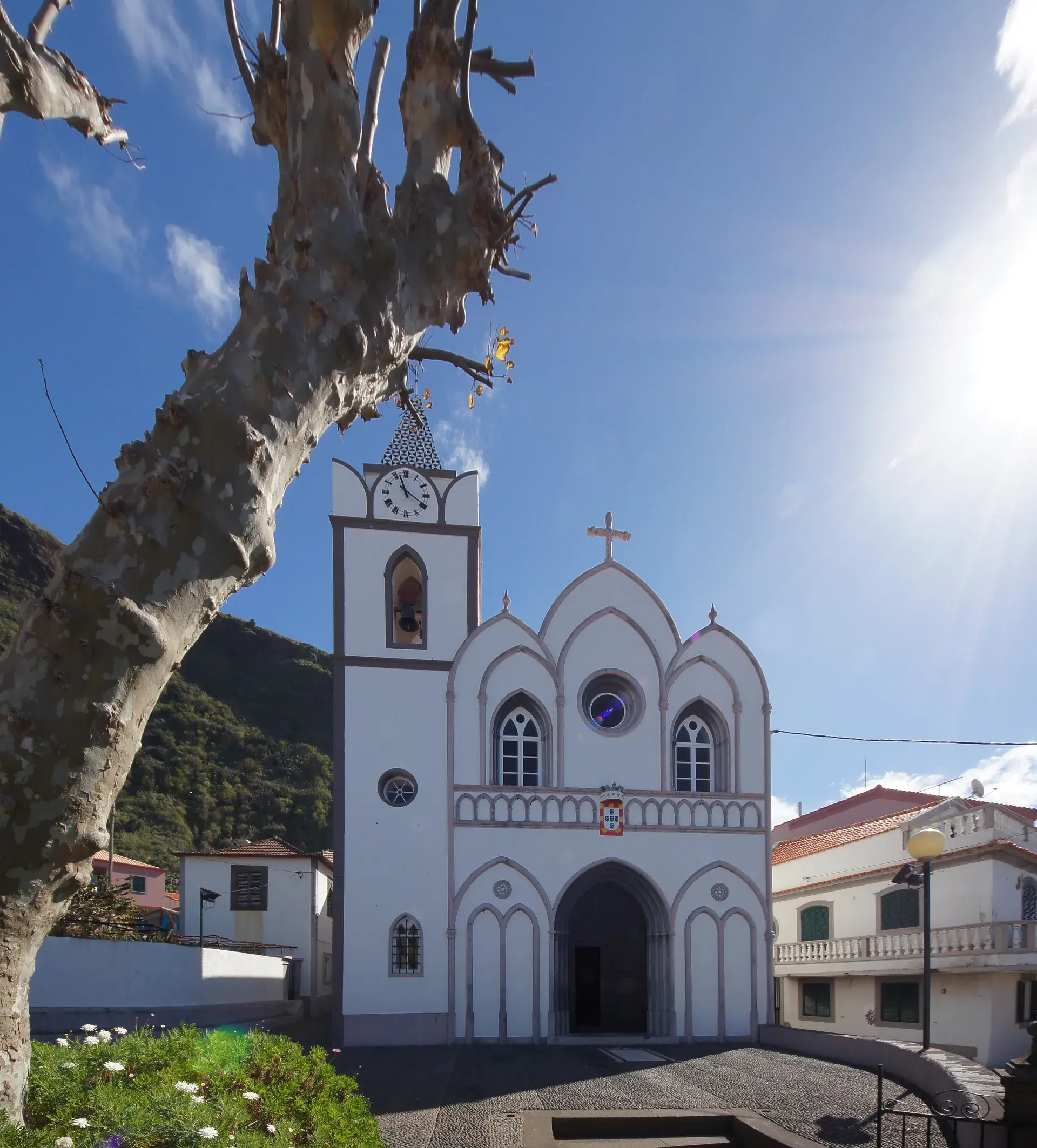
A testament to the residents' collective spirit is the parish church of Nossa Senhora do Rosário, consecrated in 1907. Under the guidance of Curate César Martinho Fernandes, the entire village participated in its construction, with men and women carrying stones and sand from the beach. The construction of modern roads in the 1960s finally ended the village's profound isolation, though its traditional character largely remains.
Pedestrian Pathways and Traditional Architecture
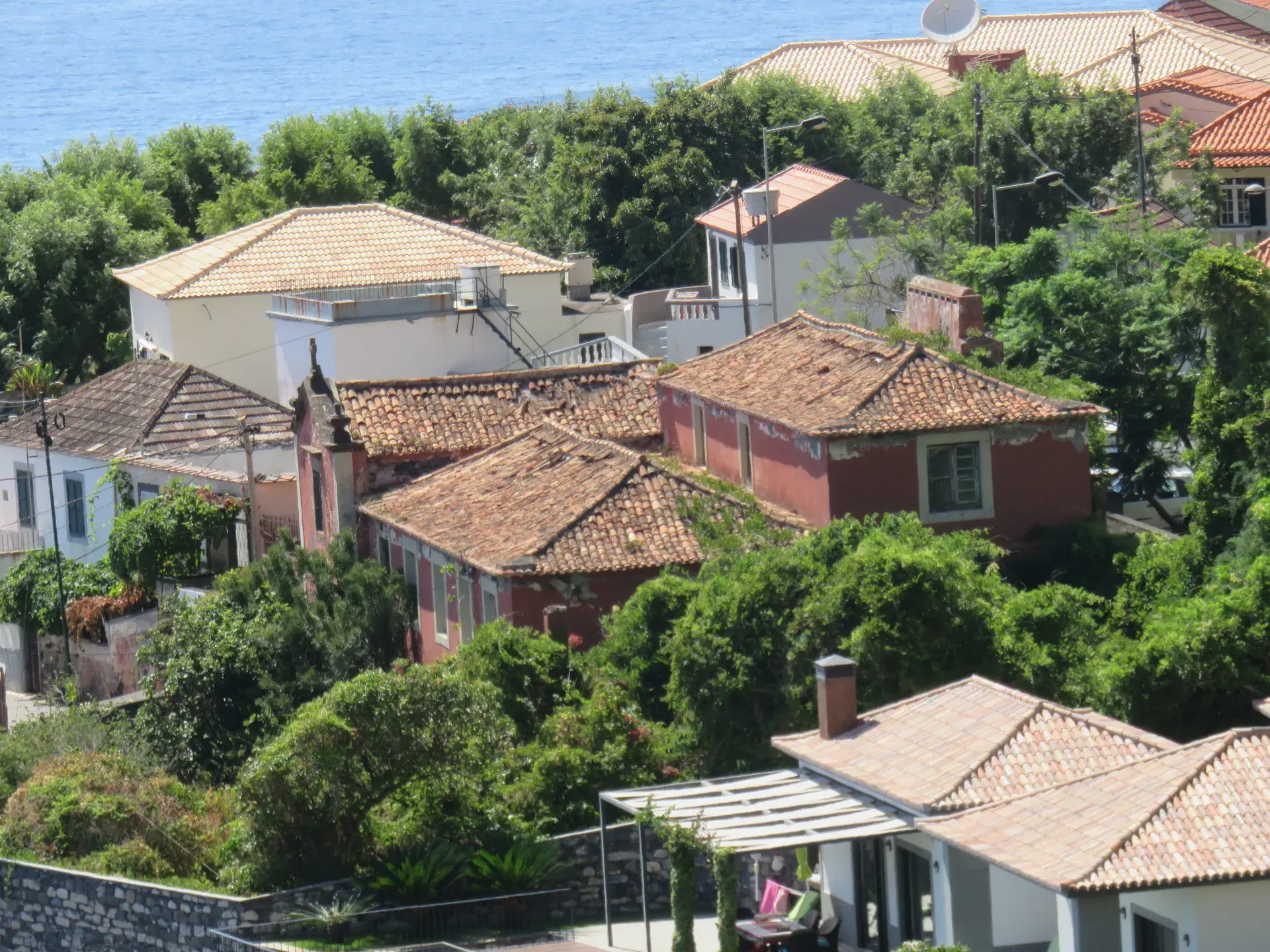
The village's layout is a labyrinth of narrow, cobbled lanes, many of which are inaccessible to cars, preserving a tranquil, vehicle-free environment. These alleys are lined with traditional white-washed houses with red-clay roofs, and stone houses adorned with wooden shutters and decorative chimneys.
Today, these paths are used for serene strolls, allowing exploration of the village's quiet atmosphere. Residents continue to use the pathways to access small, terraced plots where they cultivate vegetables, fruit, and sugarcane, maintaining an agricultural landscape that has persisted for centuries. The village square, in front of the Igreja de Nossa Senhora do Rosário, serves as a central community gathering point.
A Surprising Surfing Legacy
Beyond its tranquil appearance, Jardim do Mar holds a surprising history as a former world-class surfing destination. The village's powerful waves attracted international attention, leading it to host the Red Bull Big Wave Challenge in 2000 and the World Surfing Championship in 2001.
This era came to an end following the construction of a new seawall and promenade around 2004. The project, which sparked protests from the surfing community, significantly altered the legendary surf break. The wave is now considered more dangerous and is surfable only under very specific conditions by expert surfers.
Sights and Scents of the Alleys
A walk through Jardim do Mar's alleys engages multiple senses. The air is often filled with the scent of subtropical flora, with vibrant hibiscus, bird of paradise flowers, and strelitzias spilling over stone walls. This botanical richness is due to the village's south-facing slope and favorable microclimate, which also supports the growth of banana, papaya, and avocado trees. Permeating everything is the constant, soothing sound of Atlantic waves crashing against the shore, a reminder of the village's deep connection to the sea.
FAQ
Why are the alleys in Jardim do Mar so narrow?
The narrow, cobbled alleys are a key feature of Jardim do Mar's traditional village design, which predates modern vehicles. Their design reflects centuries of isolation on a coastal land-deposit ('fajã'), where pathways were built for pedestrians in a compact community.
Was Jardim do Mar a famous surfing spot?
Yes, Jardim do Mar was once considered a world-class surfing destination, hosting major international events like the 2000 Red Bull Big Wave Challenge and the 2001 World Surfing Championship. However, the construction of a seawall around 2004 significantly altered the famous wave.
How was the main church in Jardim do Mar built?
The parish church of Nossa Senhora do Rosário, consecrated in 1907, was constructed through the collective effort of the entire village. Guided by Curate César Martinho Fernandes, local men and women carried stones and sand from the nearby beach to build the church.