Ruínas do Engenho do Jardim do Mar: A History
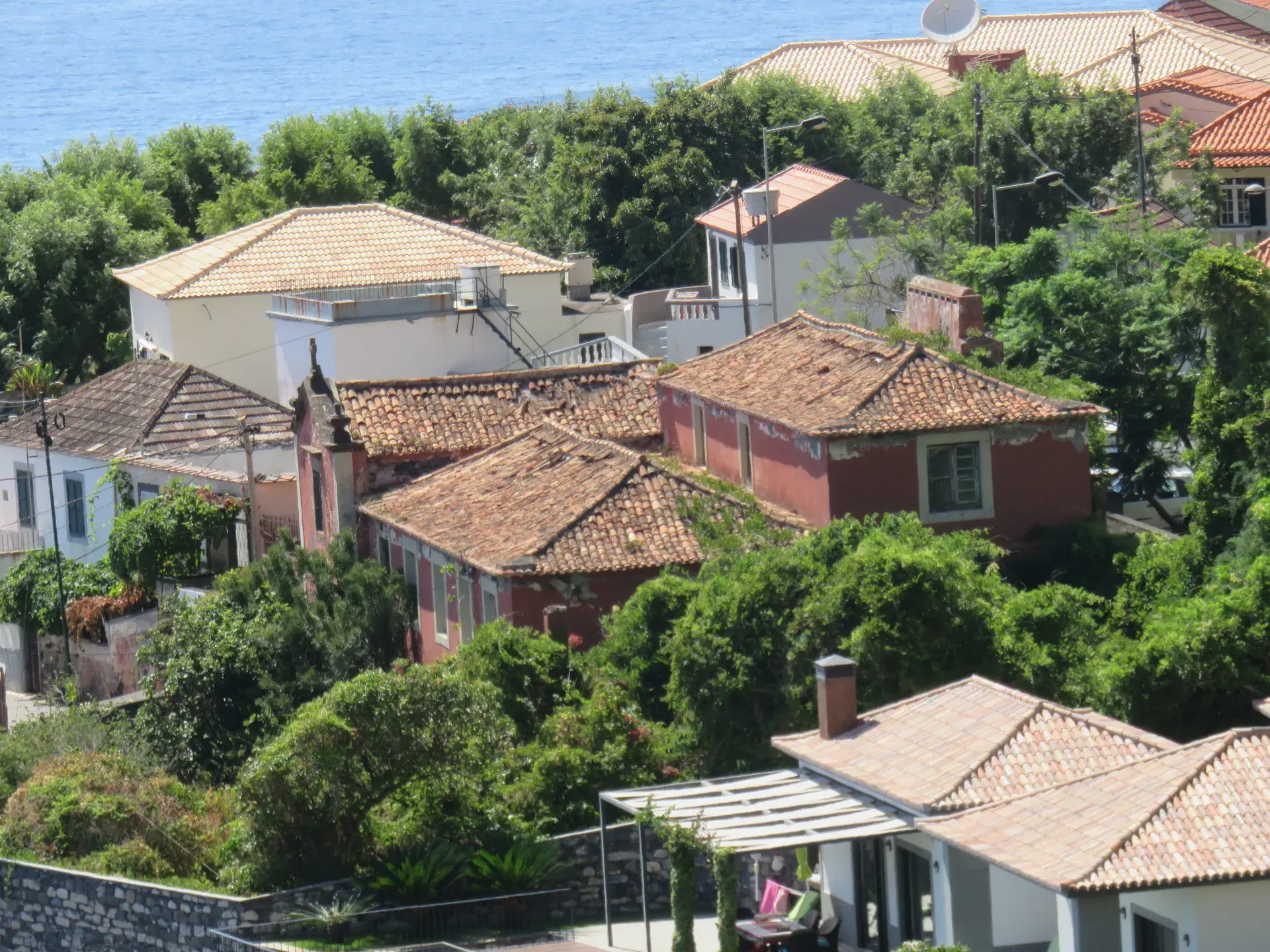
The Ruínas do Engenho do Jardim do Mar are the evocative remnants of a historical sugar cane mill in Madeira. What stands today are the weathered remains, including a prominent chimney and portions of the original architectural framework, serving as a tangible link to the village's industrial past and Madeira's significant sugar cane industry, which began in the 15th century.
History and Operation
The sugar cane mill and distillery was constructed in 1900 by Francisco João Vasconcelos do Couto Cardoso, the nephew of the parish's Baron. Initially, the mill operated using water power before transitioning to a steam-powered system. Equipped with two stills, it was also used for the production of aguardente. The mill's operation reflects the deep historical ties of Madeira to sugar cultivation, an industry that profoundly shaped the island's economy for centuries.
Changes in Ownership
Throughout its operational history, the mill saw several changes in management. In 1907, it was leased to José de Sousa and Sofia Vieira de Sousa. Later, in 1921, the property was sold to Maria Pureza Sumares and António Gonçalves Sumares. These transactions mark different eras in the life of the industrial site.
A Complex Local Legacy
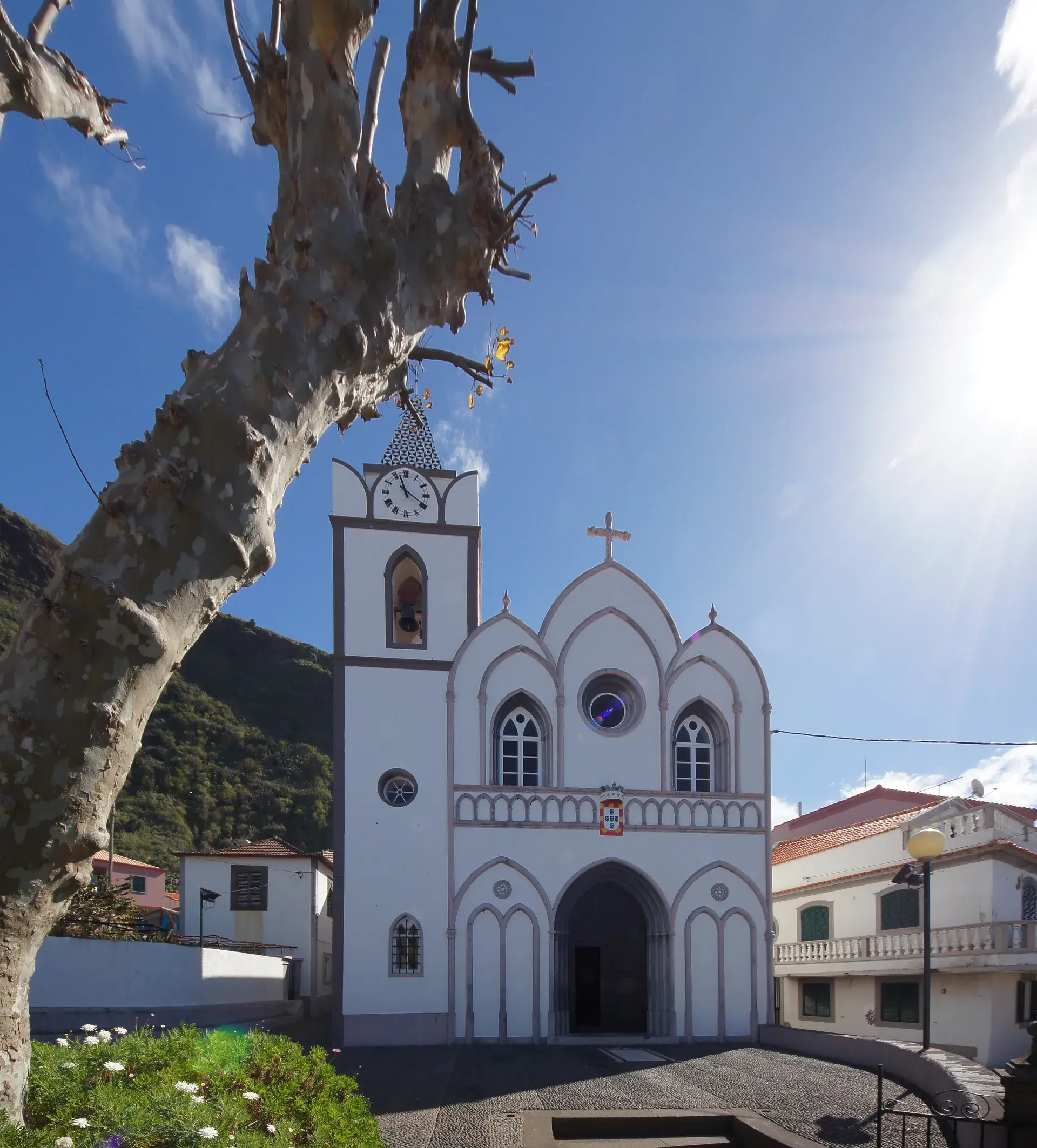
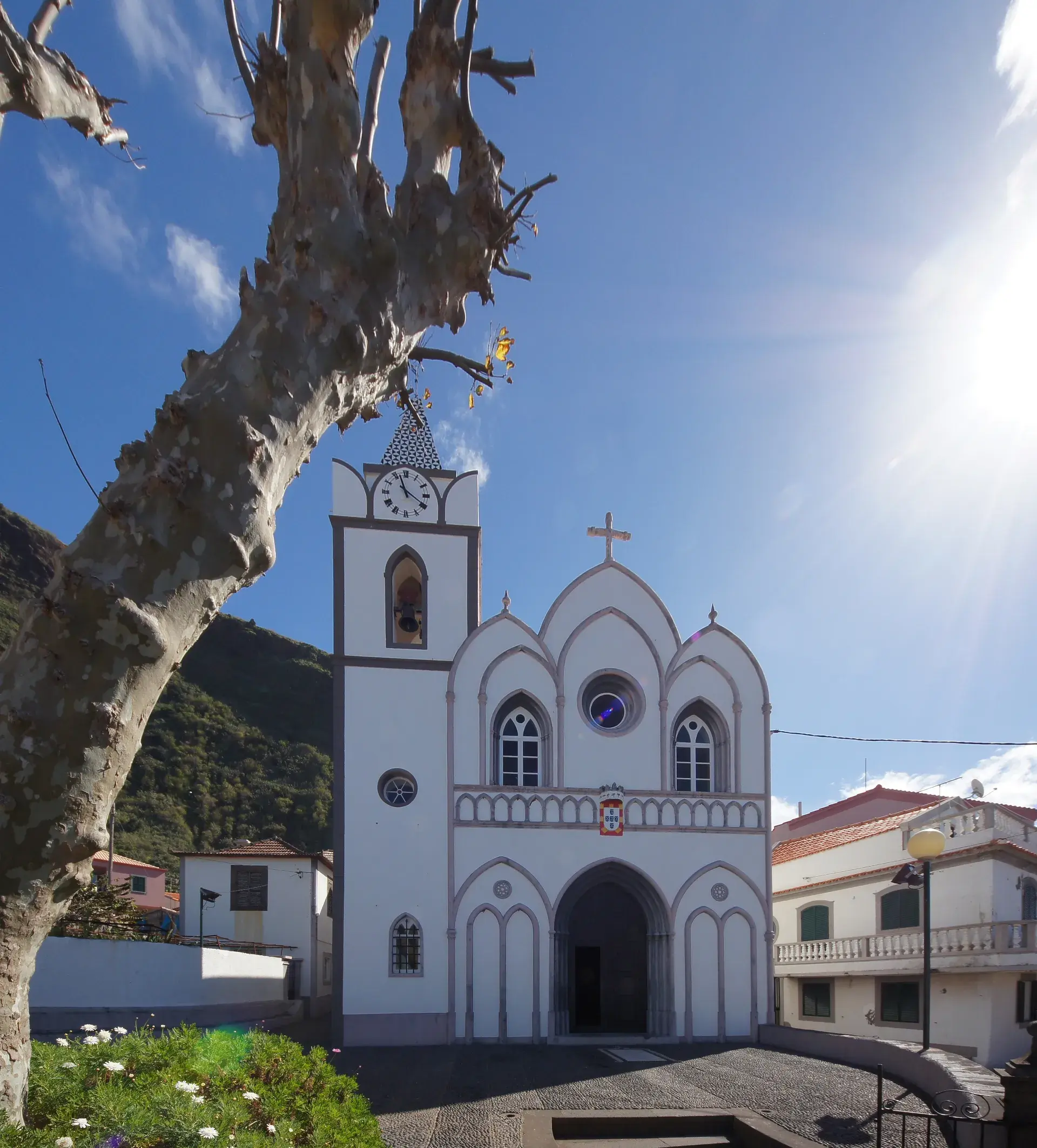
The mill's founder, Francisco João Vasconcelos do Couto Cardoso, was also a key figure in the community, supporting the 1906 construction of the new parish church, Nossa Senhora do Rosário, which was architecturally inspired by the Notre Dame Cathedral of Paris. His wife, the writer Luzia (1875-1945), often wintered in the nearby Quinta da Piedade. Her personal diaries reveal a complex relationship with the area; while she expressed a profound appreciation for the natural landscape, she also recorded a surprising 'repugnance' towards the local inhabitants of Jardim do Mar.
The Ruins Today
Today, the ruins stand as a historical landmark. They contribute to the picturesque character of Jardim do Mar, a village known for its narrow streets and traditional low-lying houses. The site is a reminder of a time when the village was a hub of industry, made more significant by its historical isolation; until the 1960s, the primary access to Jardim do Mar was by boat.
FAQ
When was the Engenho do Jardim do Mar built?
The sugar cane mill was constructed in 1900 by Francisco João Vasconcelos do Couto Cardoso.
What remains of the original mill?
The preserved remnants of the mill include its chimney and portions of the original architectural framework.
What did the Engenho do Jardim do Mar produce?
It was a sugar cane mill and distillery, equipped with two stills for producing aguardente, a type of spirit.
How was Jardim do Mar accessed historically?
The village was so geographically isolated that until the 1960s, its primary means of access was by boat.