Jardim do Mar: Madeira's Historic Garden of the Sea
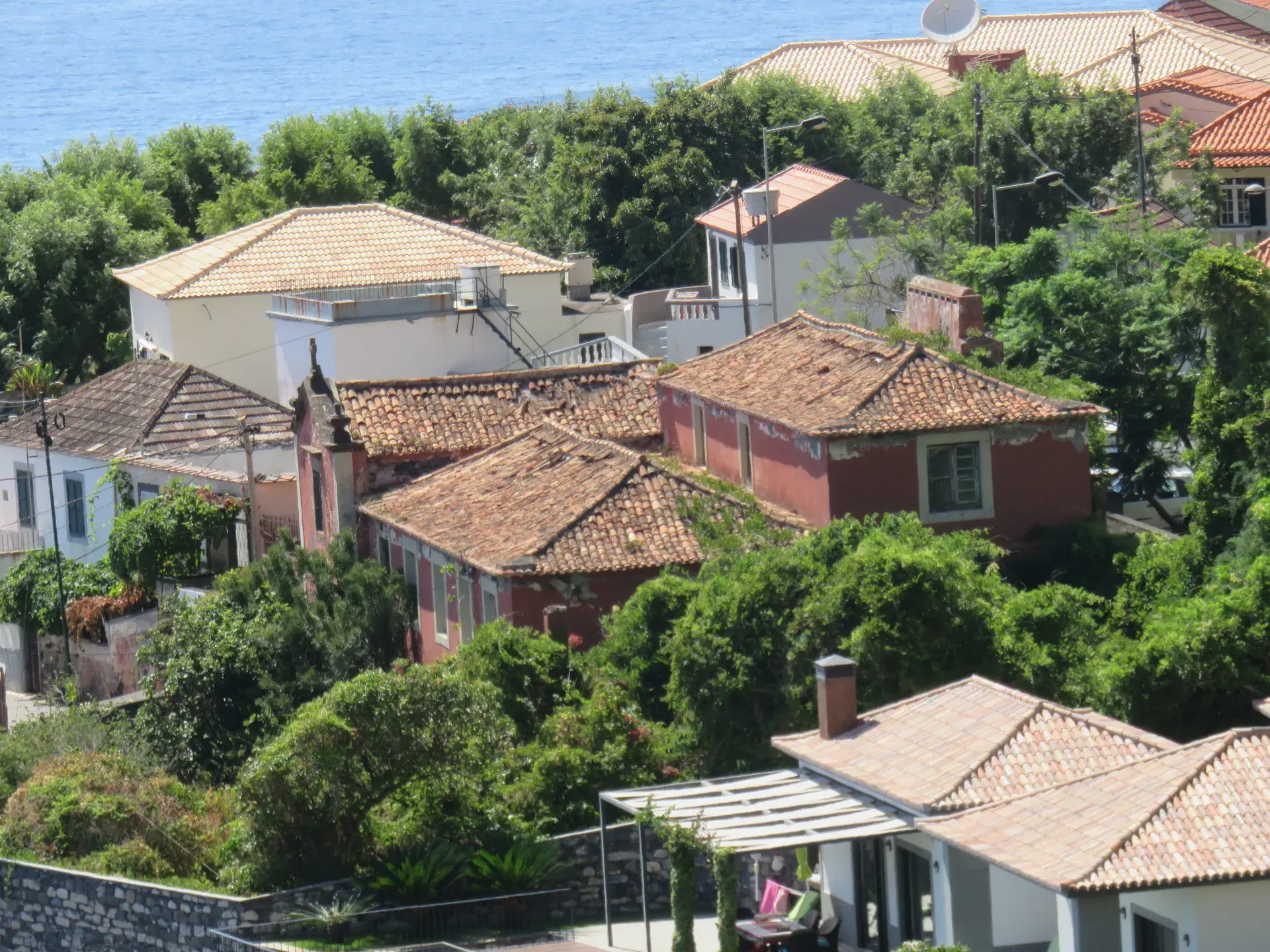
Nestled on a verdant coastal plain, the village of Jardim do Mar lives up to its name, which translates to "Garden of the Sea." This name originates from the abundance of wildflowers and wild roses that historically blanketed the area. Today, it remains a tranquil village characterized by traditional Madeiran architecture, including low, white-washed houses with red-clay roofs and distinctive prismatic chimneys, all connected by narrow, cobbled streets.
A History of Isolation and Faith
Jardim do Mar's origins trace to the 15th century, but for hundreds of years, it remained remarkably isolated, accessible primarily by boat or difficult paths carved into the steep slopes. This seclusion, which lasted until roads were built in the 1960s, helped preserve its traditional character.
The community's deep-seated faith is central to its history. A Royal Decree from King D. João V on November 15, 1734, officially established the parish. This was a crucial development, addressing the "serious inconvenience" for inhabitants who struggled to travel to neighboring parishes, often missing mass or even dying without receiving sacraments. The decree stipulated the priest's salary be paid in wheat and wine.
The Parisian Connection
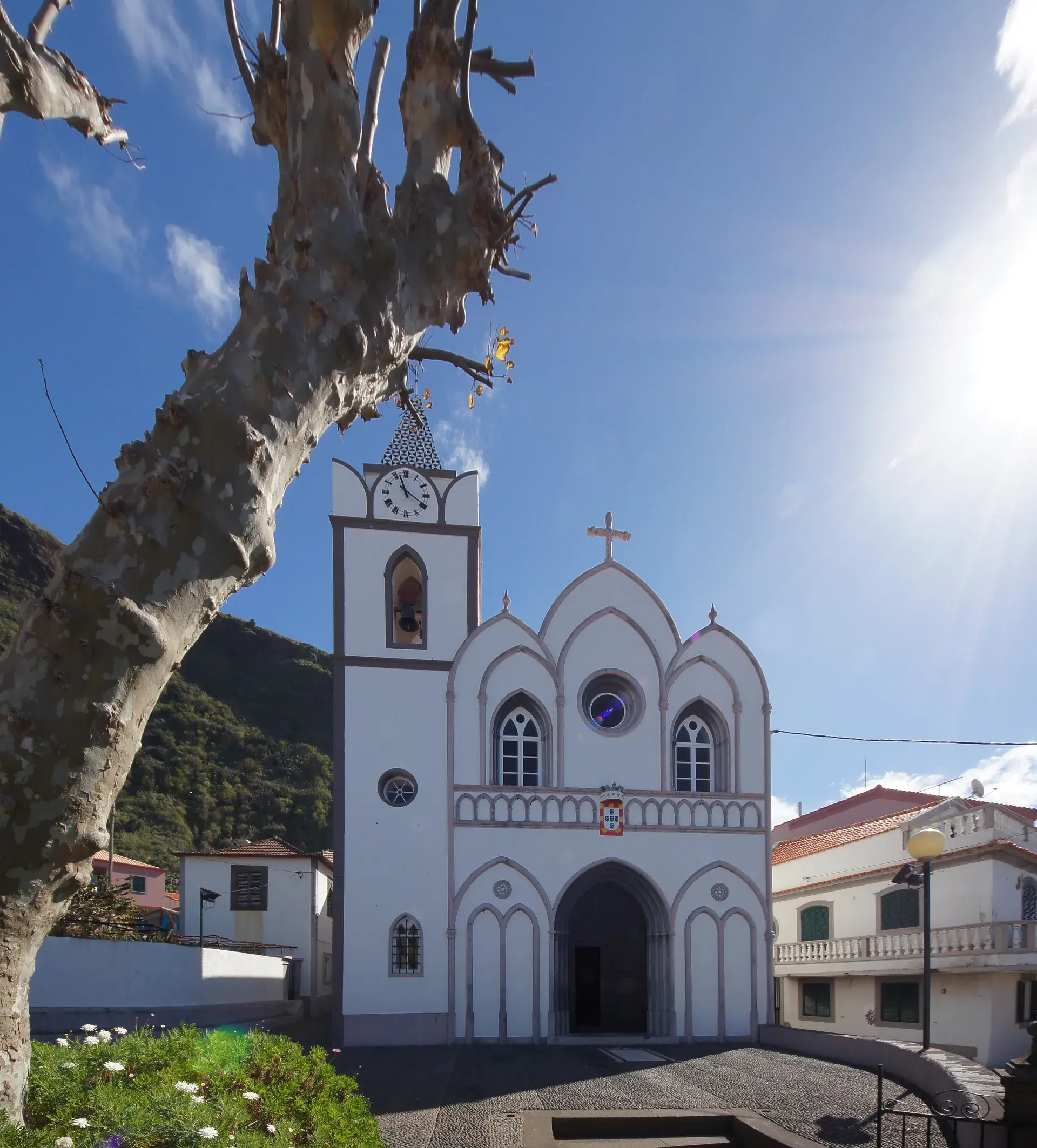
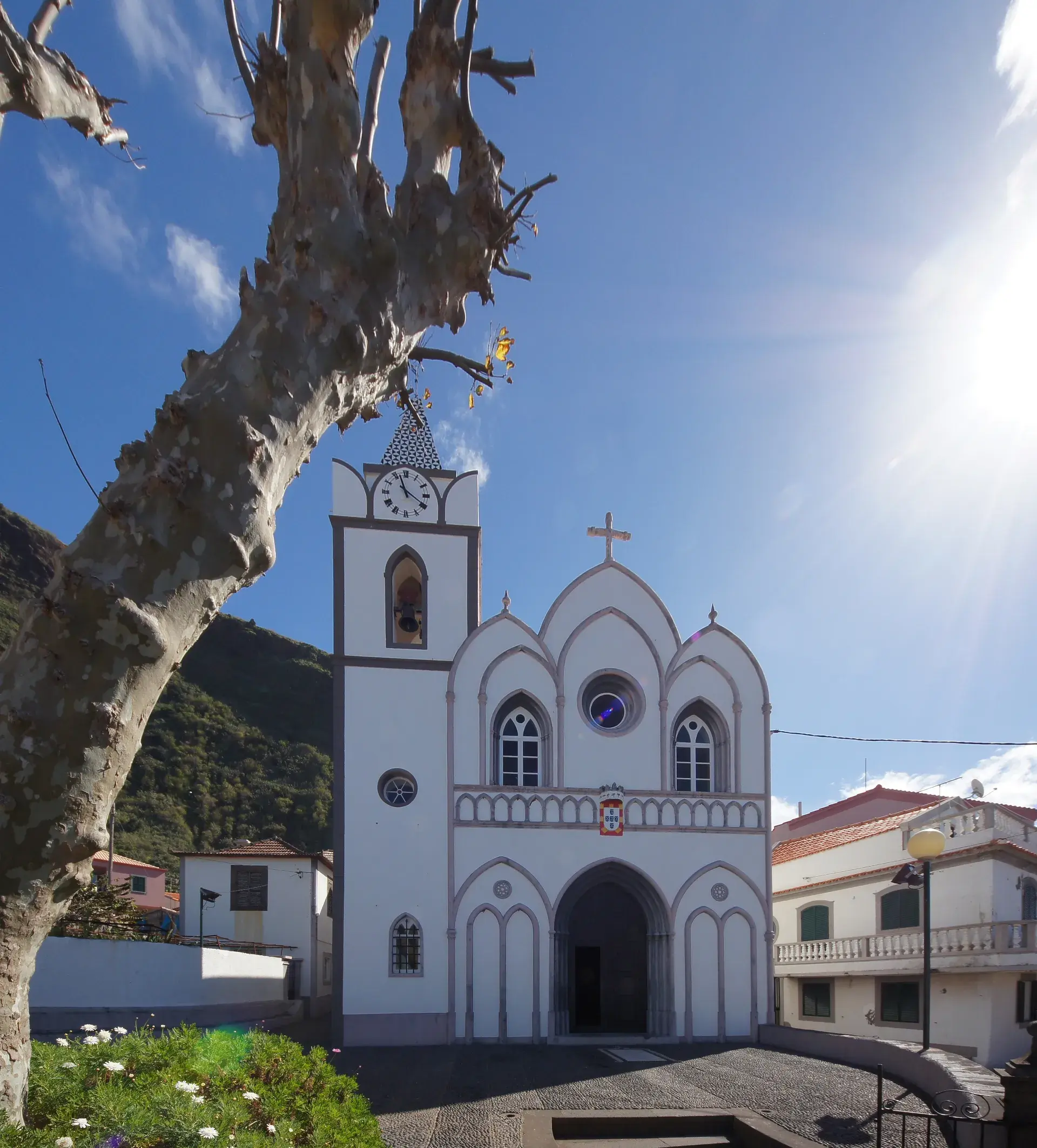
The current Parish Church of Nossa Senhora do Rosário stands as a testament to community dedication. Built from 1906 and consecrated on September 19, 1907, the project was spearheaded by curate César Martinho Fernandes. Many parishioners contributed labor, and some even borrowed money at interest to fulfill their contributions, with records showing debts were still being repaid in 1921. In a surprising twist, the church's architecture was inspired by the grand Cathedral of Notre Dame in Paris.
A Surfing Mecca's Rise and Transformation
In the latter half of the 20th century, Jardim do Mar's quiet existence was transformed. By the 1990s, international publications like 'Surfer Magazine' had discovered its powerful right-hand point break, catapulting the village to fame as one of the world's premier big-wave spots. It hosted prestigious events, including the Billabong Challenge in 1997 and the World Team Big Wave Championship in 2000.
This era was significantly altered around 2003 with the construction of a controversial seawall promenade. The project sparked protests from surfers and environmentalists as it severely impacted the quality and safety of the legendary wave.
Jardim do Mar Today
Today, Jardim do Mar is a peaceful destination with a small population of a few hundred residents. The village square in front of the church serves as a social hub. Locals continue traditional agricultural practices on the terraced hillsides, cultivating bananas, grapes, papayas, and avocados. While the world-class wave is less consistent, the village still attracts surfers, hikers, and visitors seeking serenity. Its picturesque streets, ocean-front promenade, and local cafes offer a glimpse into a quieter side of Madeira.
FAQ
What is the origin of the name Jardim do Mar?
The name Jardim do Mar, meaning "Garden of the Sea," comes from the historical abundance of wildflowers, including wild roses, that once flourished on its verdant coastal plain.
What is special about the church in Jardim do Mar?
The Parish Church of Nossa Senhora do Rosário, consecrated in 1907, is architecturally inspired by the famous Cathedral of Notre Dame in Paris, a surprising detail for such a small, historically remote village.
Why was Jardim do Mar famous for surfing?
In the 1990s, Jardim do Mar gained international fame for its powerful right-hand point break, considered one of the world's best big-wave spots. It hosted major competitions before a seawall was built around 2003, which impacted the wave.