Vereda Serrado & the Historic Paths of Jardim do Mar
Step onto Vereda Serrado, one of the ancient footpaths winding through the village, where each cobblestone whispers tales of Jardim do Mar's secluded past. This tranquil coastal village, established in the 15th century, preserves its authentic character through a network of narrow lanes and historic trails that crisscross its landscape.
A Village Shaped by Isolation
For centuries, Jardim do Mar was an isolated fishing community, accessible only by sea or via difficult footpaths carved into the cliffs. Before roads were introduced in the 1960s, these steep trails were the only land connection to other parishes. An old method of transport involved 'Redeiros' who carried people, including a portly local priest, up the cliffs in hammocks. This history underscores the vital role these paths played in the village's survival and development.
The Paths Today
Today, Jardim do Mar’s charm is defined by its many vehicle-inaccessible footpaths. The streets are paved in the traditional Portuguese manner, winding between white-washed houses. The main hiking trail is the Vereda do Jardim do Mar (PR 20), an old path of approximately 1.9 km that climbs steeply towards the village of Prazeres, with an elevation gain from 35m to 530m. For a more leisurely walk, an 800-meter coastal promenade offers stunning ocean views. These paths are central to the village's quiet rhythm, where the sounds of birdsong and distant waves dominate.
Sights Along the Way
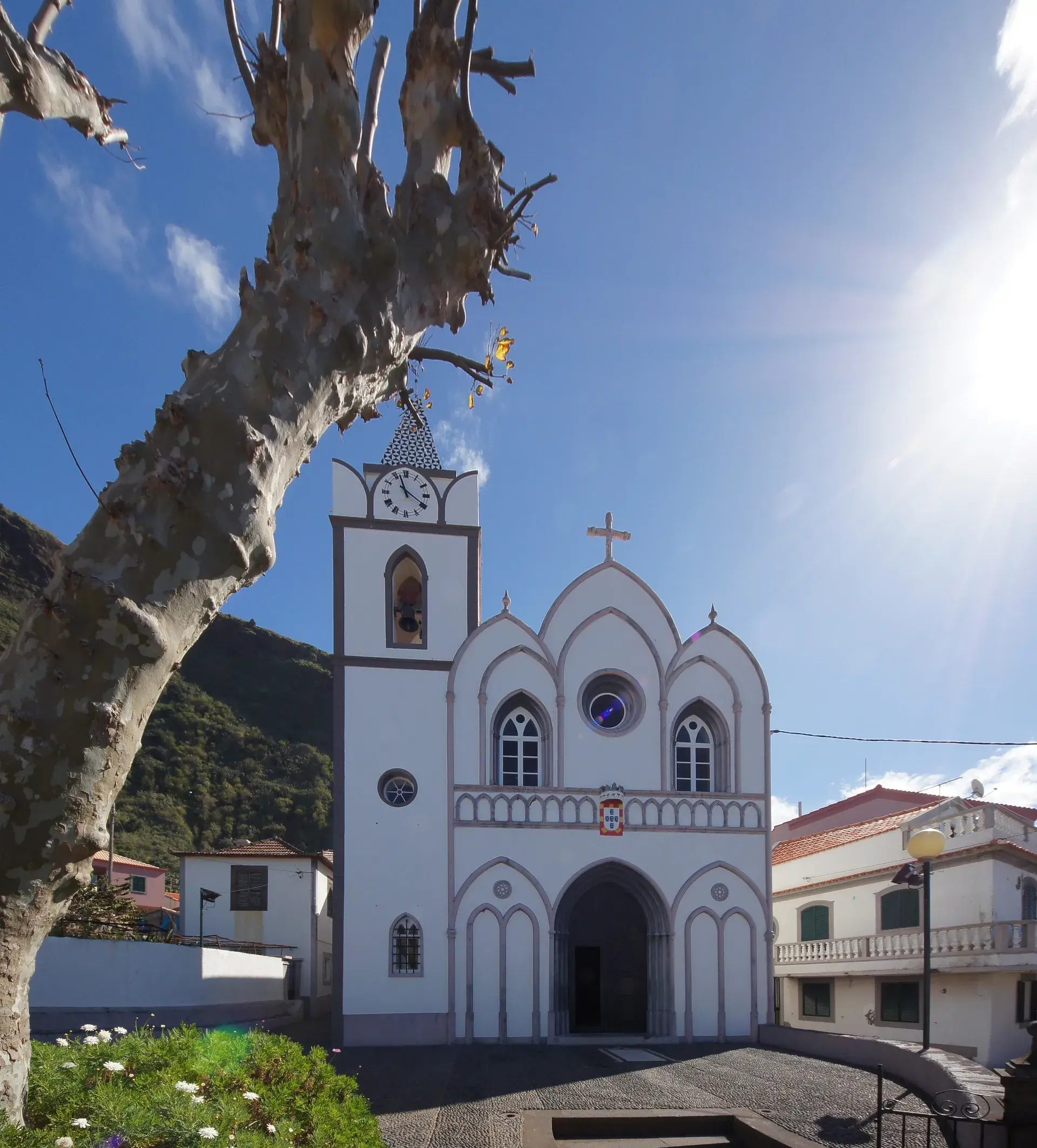
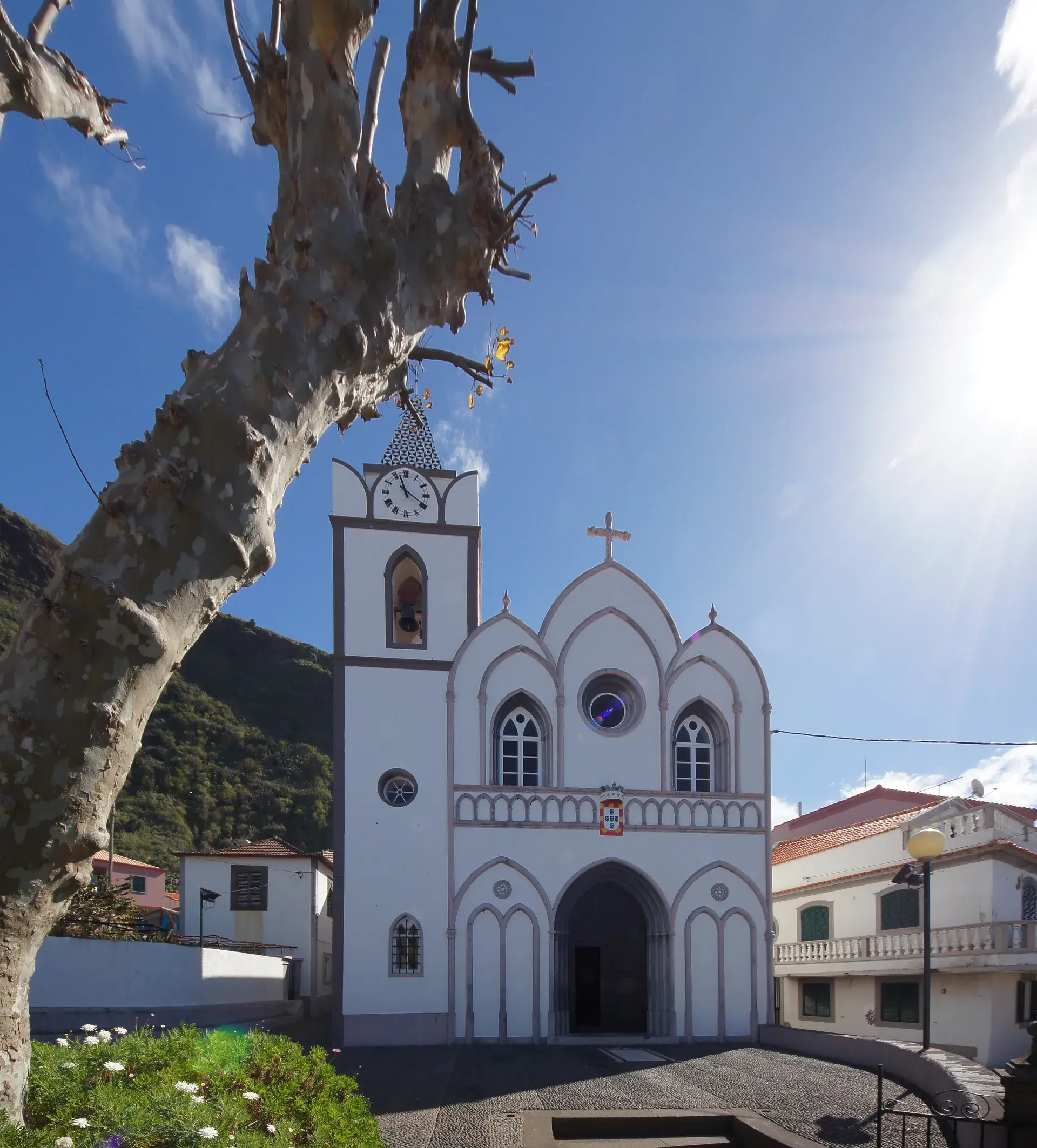
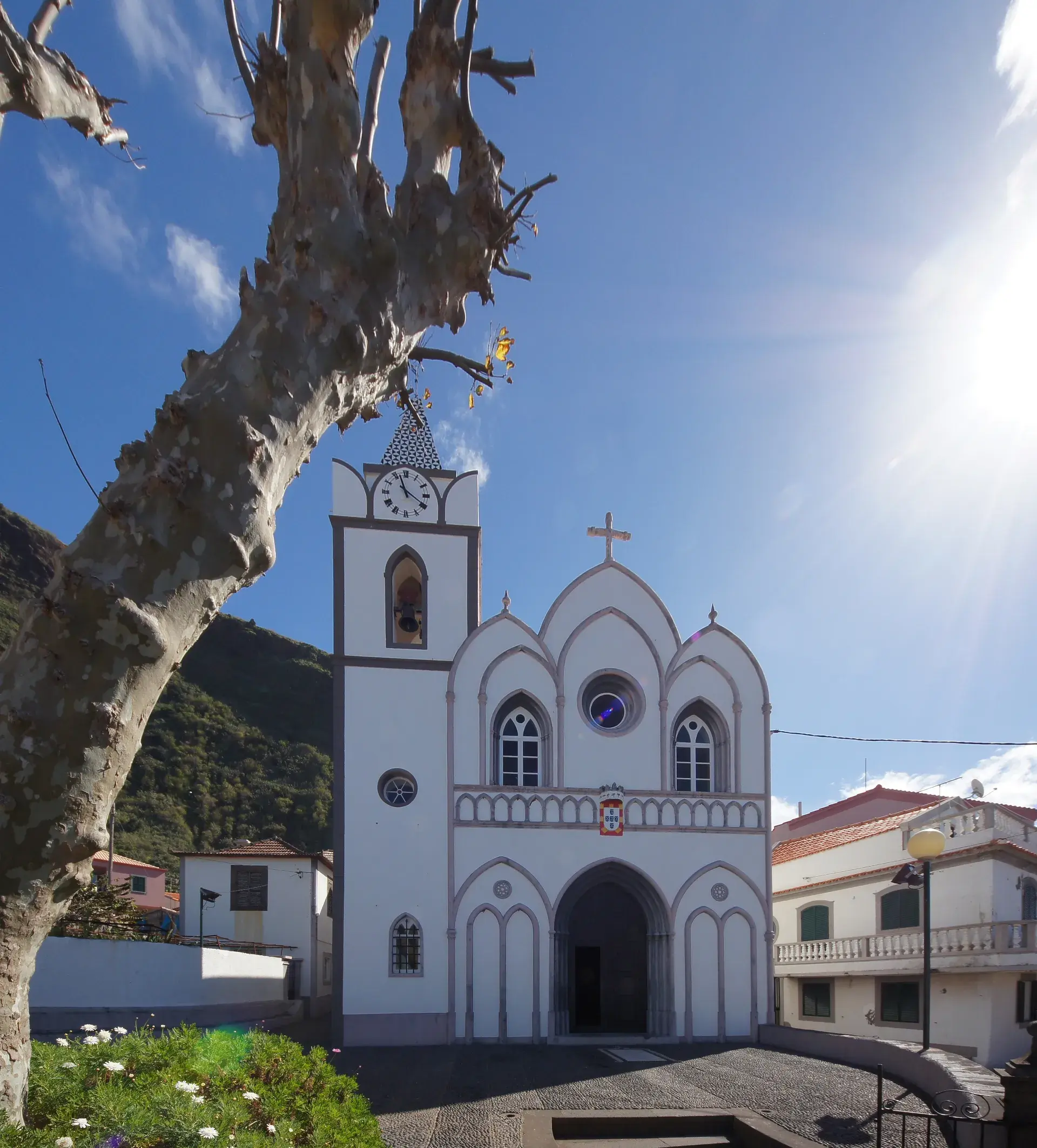
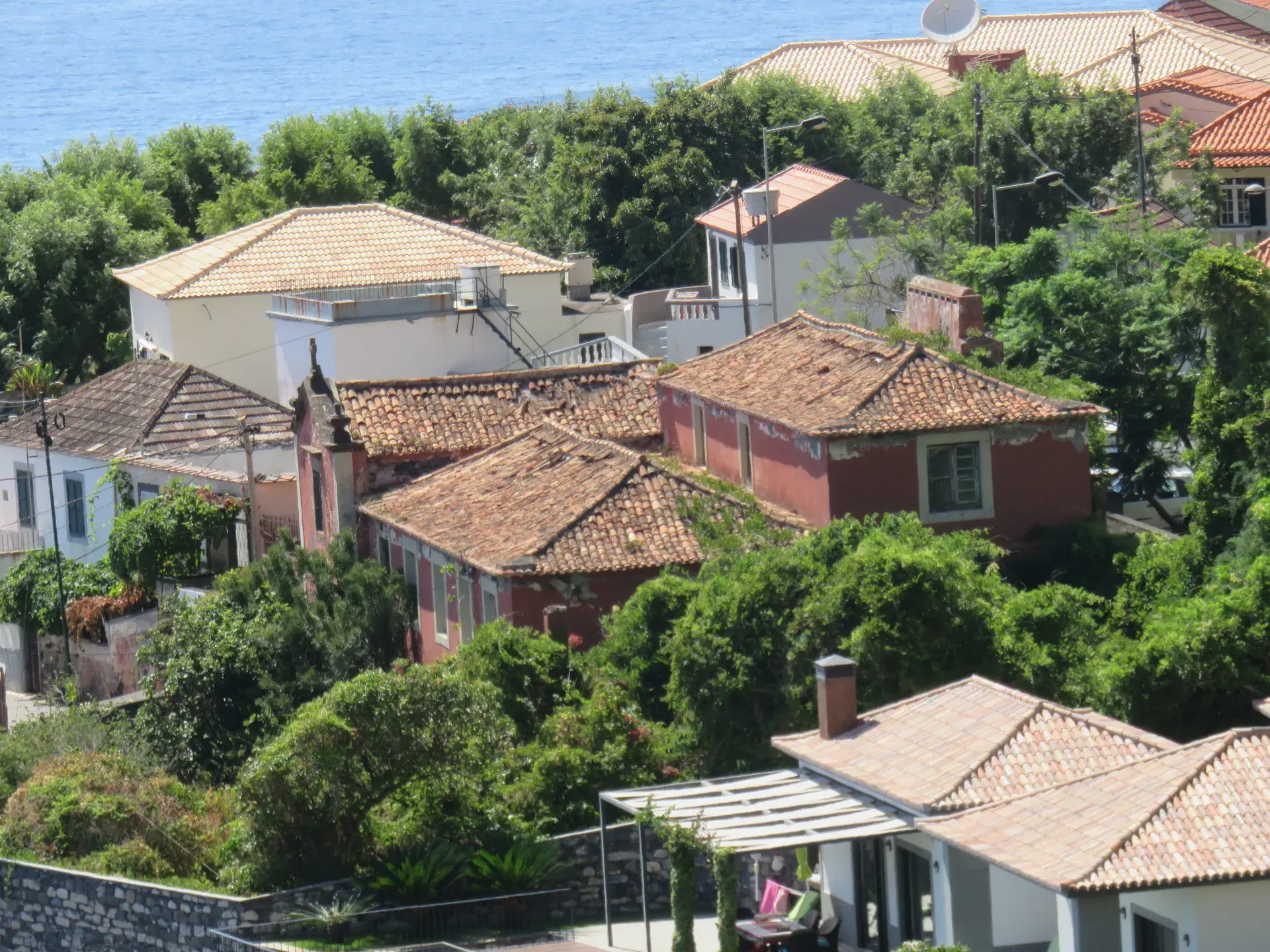
The footpaths of Jardim do Mar offer a journey through its living history and culture. Walkers will pass traditional houses with red-clay roofs, terraced hillsides cultivated with bananas and vineyards, and the central square with its fountains. The paths also lead to significant landmarks, including the Chapel of Nossa Senhora da Piedade, founded in 1736, and the main parish church, Igreja de Nossa Senhora do Rosário. This church, consecrated in 1907, features an unusual design inspiration for a small Madeiran village: it was built as a reproduction of the Notre Dame Cathedral in Paris.
A Garden of the Sea
The village's name, Jardim do Mar, translates to "Garden of the Sea." It was so named because of the abundant wildflowers and wild roses that once covered the landscape. A specific place within the village is still called 'Roseiras' (Place of the rose bushes). Thanks to a sunny, south-facing microclimate, the village remains a lush garden. The paths are lined with flourishing subtropical flora, including hibiscus, bird of paradise flowers, papaya trees, and avocado groves, connecting walkers to the natural beauty that first gave the village its name.
FAQ
Why is the village called Jardim do Mar?
The name means "Garden of the Sea." It was named for the abundant wildflowers, including wild roses, that historically covered the area. A part of the village is still called 'Roseiras,' meaning 'Place of the rose bushes.'
What is the main hiking trail in Jardim do Mar?
The main trail is the Vereda do Jardim do Mar (PR 20). It is an old path of approximately 1.9 km that leads towards the village of Prazeres, with an elevation change from 35m to 530m.
What is unique about the main church in Jardim do Mar?
The parish church, Nossa Senhora do Rosário, which was rebuilt in 1906 and consecrated in 1907, was designed to be a 'reproduction' of the Notre Dame Cathedral in Paris.
How did people travel on the paths before roads were built?
Before roads were built in the 1960s, people were often transported in hammocks up the steep cliff paths by carriers known as 'Redeiros.'