Oradea's Moon Church: A Celestial Marvel in Romania
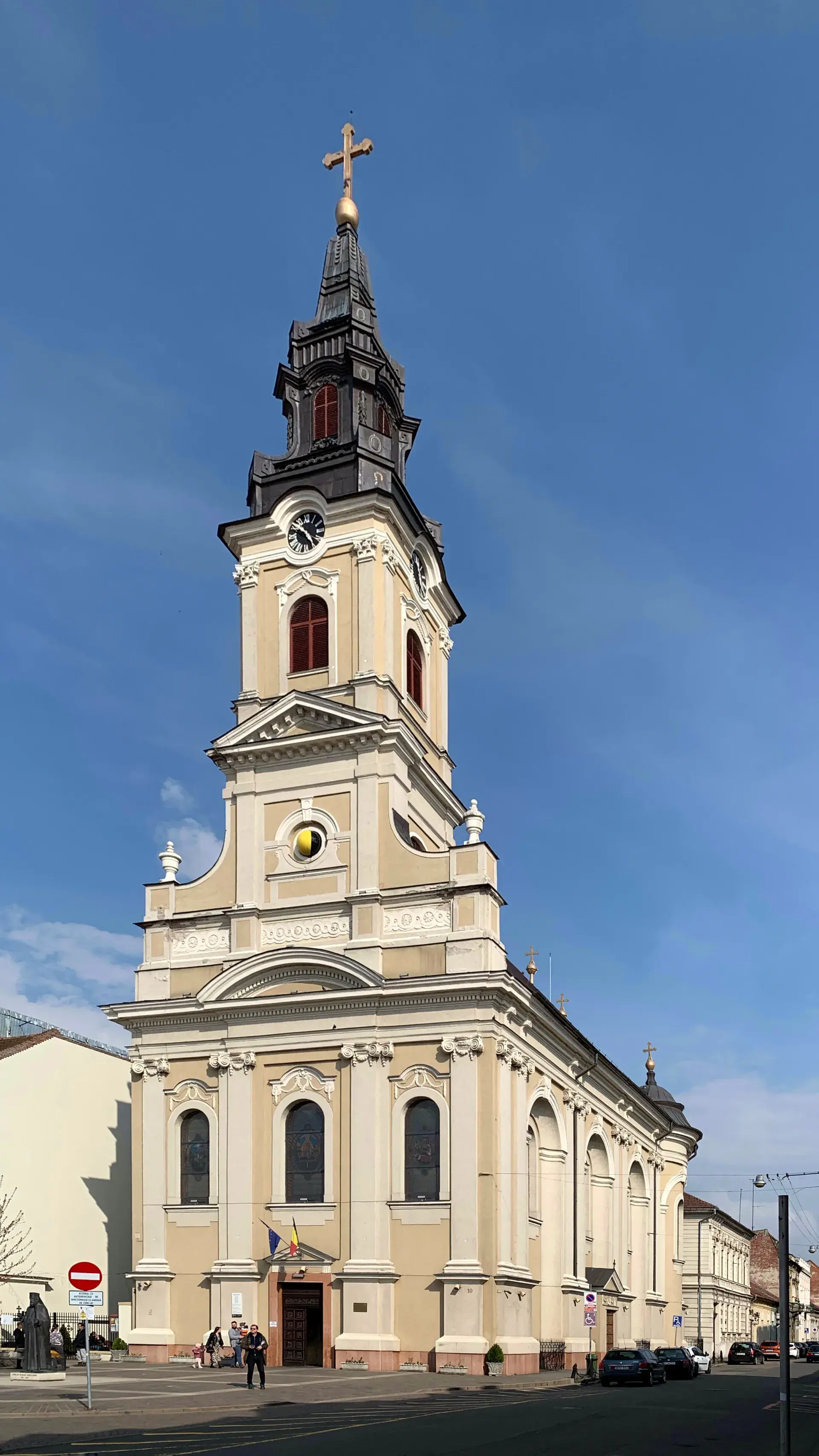
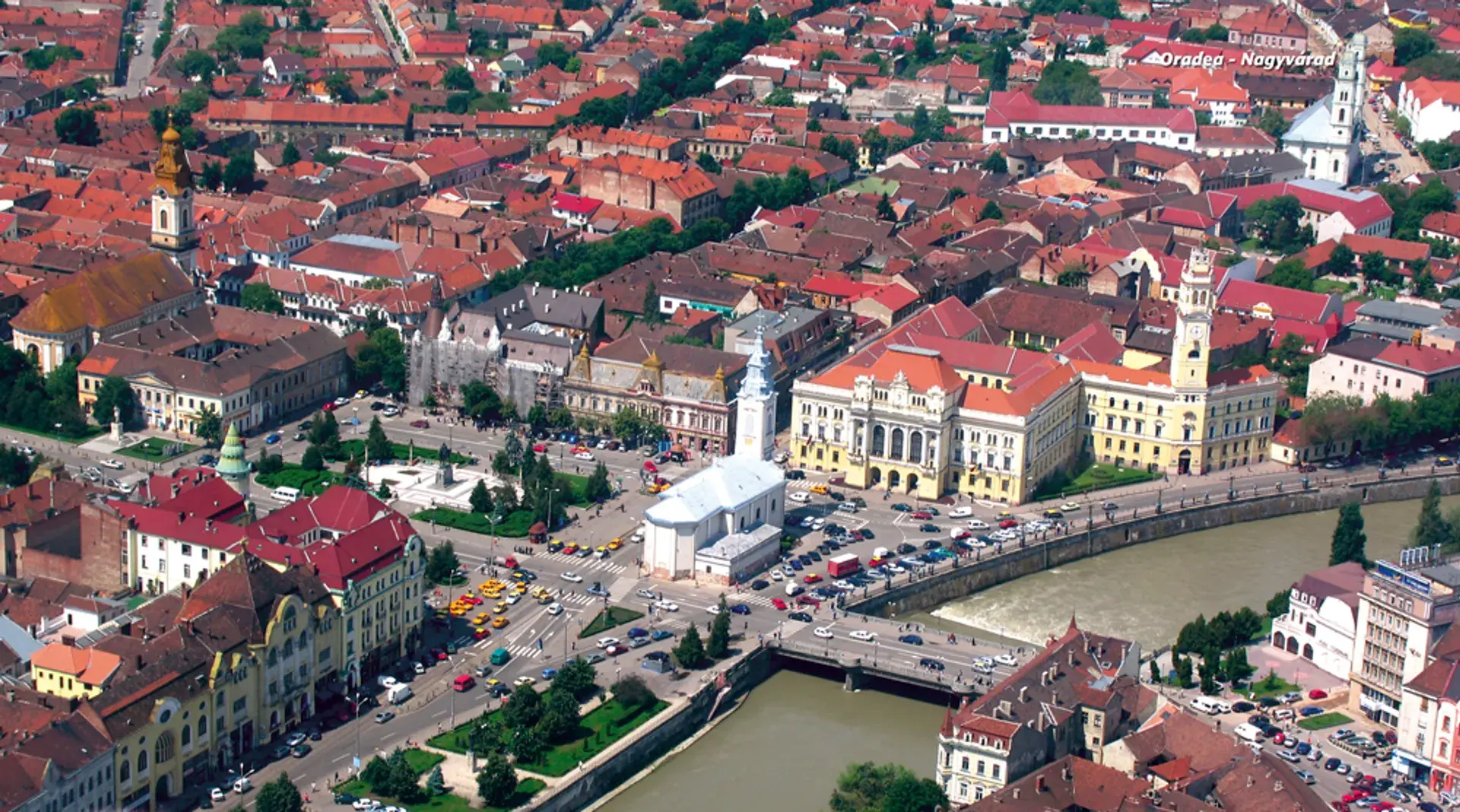
Located in Oradea, Romania, the Moon Church, officially the Dormition of the Mother of God Cathedral, is a remarkable testament to faith, astronomy, and history. This Romanian Orthodox church is renowned for its ingenious astronomical clock, a feature that has captivated visitors for centuries and given the church its popular name.
The Celestial Clock
The church's most distinctive feature is the intricate mechanism in its 55-meter-high bell tower, designed in 1793 by the Viennese clockmaker Georg Rueppe. Considered unique in Europe, this gravity-powered clock includes a one-meter diameter sphere, painted half-gold and half-black. This sphere completes a full rotation every 28 days, accurately depicting the phases of the moon for observers in the square below. Visitors can climb the tower to see the complex mechanism up close.
Architectural and Artistic Heritage
Constructed between 1784 and 1790, the church showcases a late provincial Baroque style with prominent neoclassical elements, based on the plans of architect Éder Jakab. The spire incorporates Byzantine accents, while the interior features a rich blend of Rococo, Empire, and late Baroque decorations. The primary interior paintings were created by the brothers Alexandru and Arsenie Theodorovici, with additional contributions from Paul Murgu.
A History of Community and Resilience
The church's origins lie with Oradea's multi-ethnic Orthodox community of Romanians, Serbs, Aromanians, and Greeks, who received permission from Emperor Joseph II to build a grander place of worship. The foundation stone was laid on November 9, 1784, a date that coincided with the Transylvanian peasant revolt led by Horea, Cloșca, and Crișan. The building remarkably survived the Great Fire of 1836, which destroyed over a hundred surrounding houses.
Unique Symbols and Curiosities
Reflecting its diverse founding community, the church holds three marble plates from its foundation ceremony with inscriptions in Serbian, Greek, and Church Slavonic. In a highly unusual tribute, a medallion portrait of the peasant revolt leader Horea was once placed above the iconostasis, a position typically reserved for sacred figures. A copy of this portrait remains in the church, while the original is preserved in the Oradea Diocese museum.
The Church Today
The Moon Church continues to serve as an active Romanian Orthodox parish, welcoming both worshippers and visitors. It also houses a small museum of religious art. After serving as the Episcopal Cathedral since 1920, it passed this primary role to a new cathedral inaugurated in 2020, but it remains a vital historical and religious landmark in Oradea.
FAQ
What is special about the Moon Church in Oradea?
The Moon Church is famous for its unique astronomical clock, installed in 1793. It features a one-meter sphere, half-gold and half-black, that rotates using a gravity-powered mechanism to accurately show the phases of the moon.
When was the Moon Church built?
The foundation stone for the Moon Church was laid in 1784, and construction was completed in 1790. The church was officially consecrated in 1832 after the interior decorations were finalized.
Why is there a portrait of a secular figure in the Moon Church?
A medallion portrait of Horea, a leader of the 1784 peasant revolt, was placed above the iconostasis. This rare tribute to a secular figure in a religious space reflects the historical context of the church's construction. A copy remains in the church today, with the original in a museum.