Union Square Oradea: A Historic Architectural Showcase
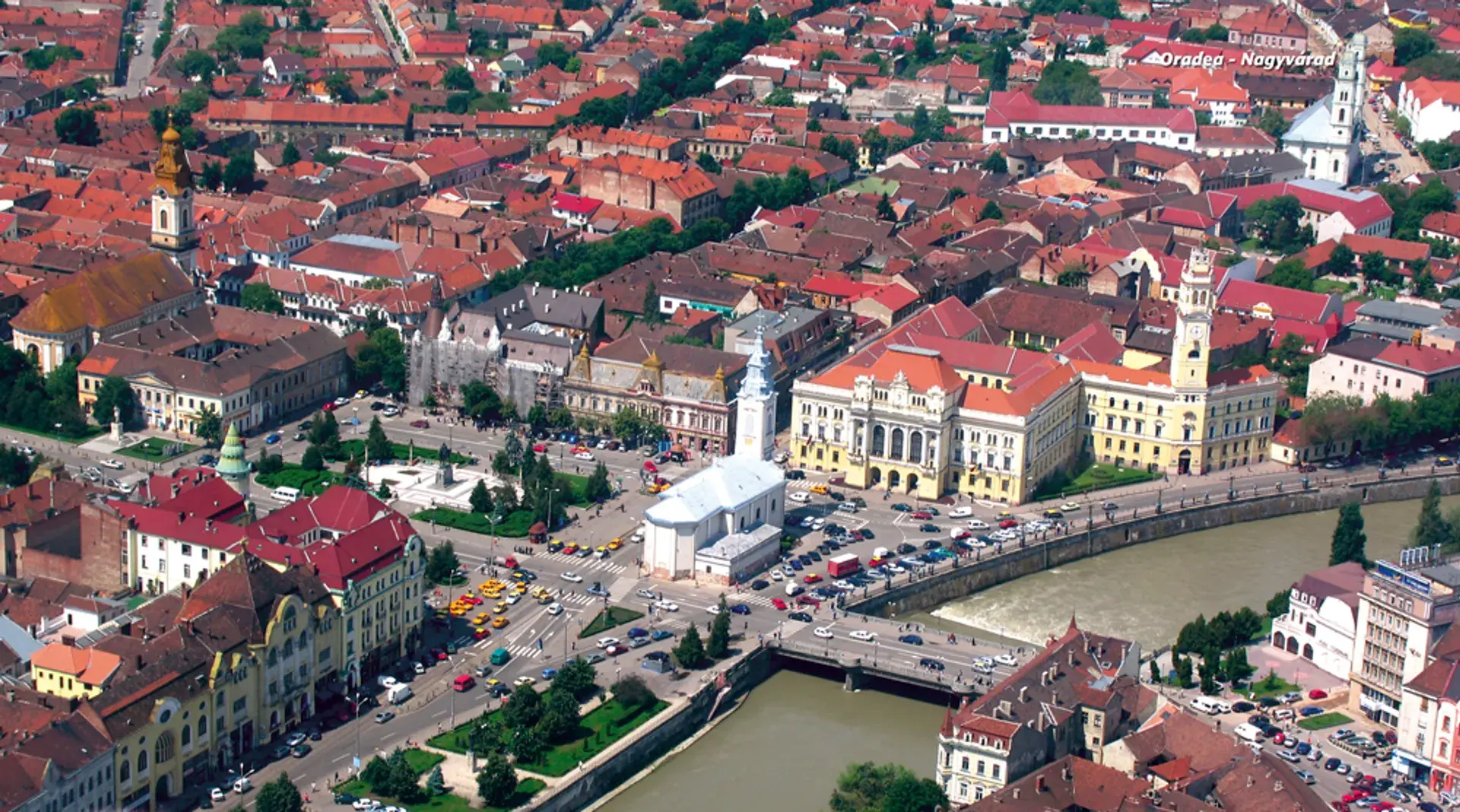
Union Square, or Piața Unirii, stands as the historical and cultural heart of Oradea, Romania. This central square is a vibrant pedestrian area that serves as a tangible record of the city's multi-ethnic character and complex history, framed by an extraordinary collection of architectural landmarks.
A History of Transformation
The square's origins date back to the establishment of Oradea's New Town district between 1714 and 1740, when it was known as 'Little Square' (Piața Mică). Its history is one of constant change, reflecting the region's shifting political tides through numerous name changes, including Saint Ladislaus Square, Ferdinand Square, and Victoria Square.
A devastating fire in 1836 prompted significant redevelopment. In 1869, the area was transformed into a park with lime and sycamore trees. However, an economic boom at the turn of the 20th century led to another major transformation. The square was paved again to accommodate the construction of the grand palaces that define its modern appearance. The entire area underwent a large-scale rehabilitation in 2015.
An Architectural Masterpiece
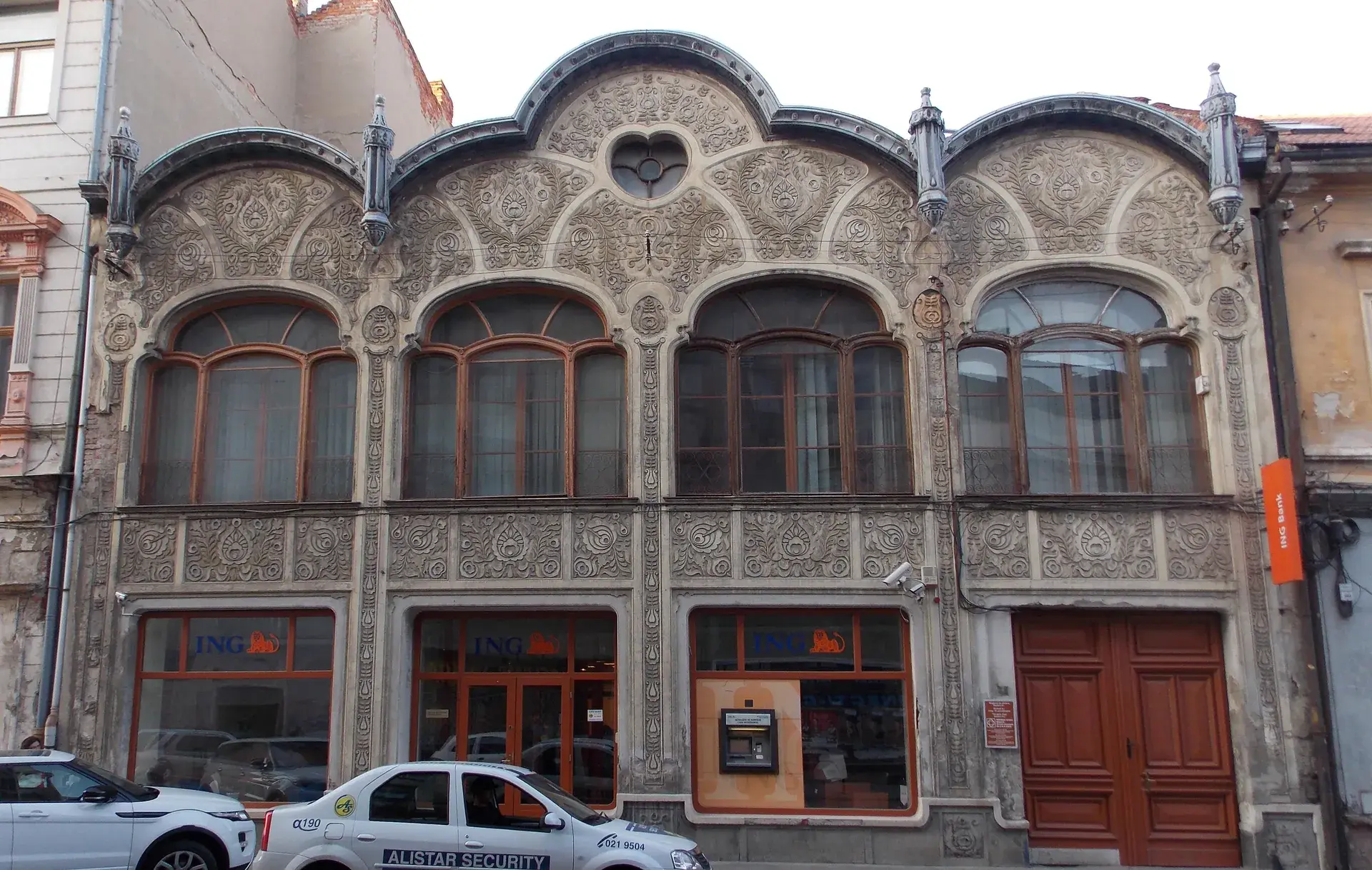
Union Square is renowned for its diverse architectural ensemble, showcasing styles from Baroque and Classicist to Eclectic and a remarkable concentration of Art Nouveau (Secessionist) buildings. This architectural wealth was driven by a prosperous, mixed community of Hungarian, Romanian, and Jewish citizens.
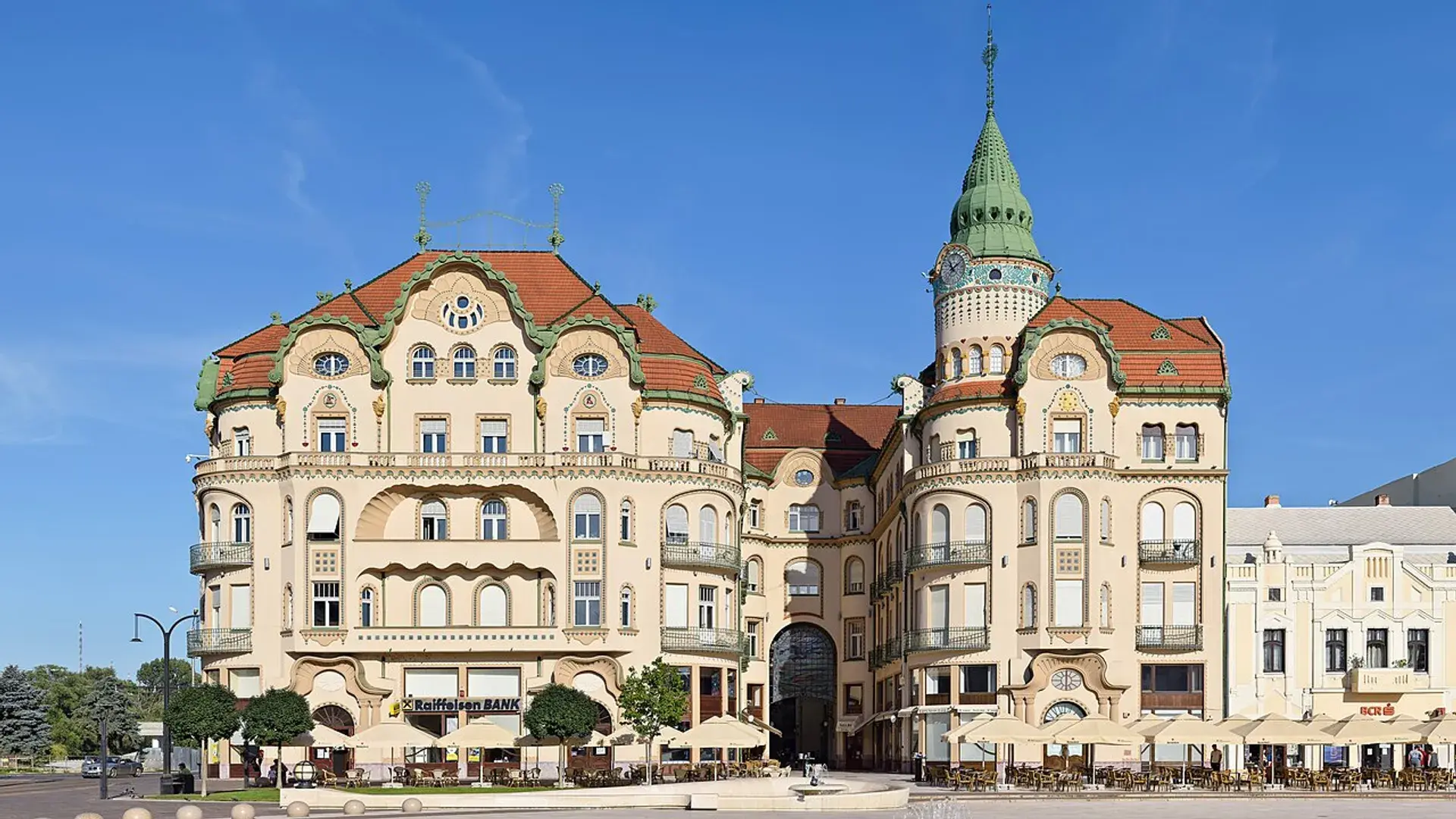
Key buildings include the Black Eagle Palace (Palatul Vulturul Negru), a quintessential Art Nouveau landmark built between 1907-1908 by architects Marcell Komor and Dezső Jakab. Other notable structures are the Oradea City Hall (1901-1903) and the Palace of the Greek-Catholic Bishopric (1903-1905), both designed by Kálmán Rimanóczy Jr. The square is also home to the Baroque-style Saint Ladislaus Roman-Catholic Church (1720-1733).
The Moon Church and Other Curiosities
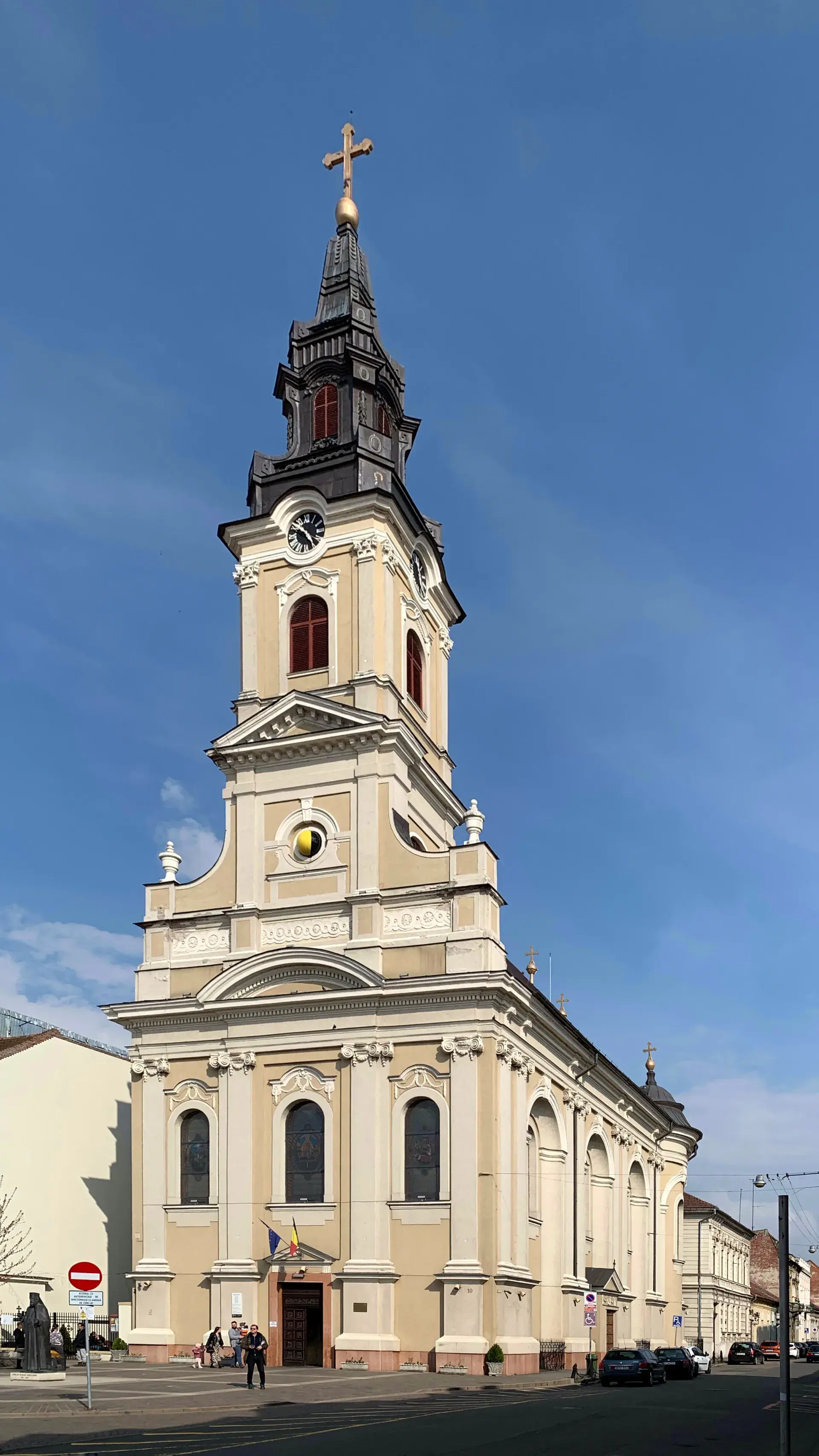
One of the most unique landmarks is the Orthodox cathedral known as the Moon Church (Biserica cu Lună). Completed in 1832, it features an intricate astronomical clock mechanism from 1793 that accurately depicts the phases of the moon. Another piece of history is visible on the clock tower of City Hall, which still bears bullet traces from the war in 1944.
Oradea's Civic and Cultural Hub
Today, Union Square is a bustling center of city life. It is a pedestrian-friendly zone filled with cafes, restaurants, and shops, including the public shopping arcade within the Black Eagle Palace. The square serves as a major hub for public transportation and hosts numerous cultural events throughout the year, such as the Oradea Christmas Fair, Festum Varadinum, and the Gaudeamus Book Fair.
FAQ
What is the most famous building in Oradea's Union Square?
The Black Eagle Palace (Palatul Vulturul Negru) is one of the most prominent landmarks in Union Square, celebrated for its distinctive Art Nouveau (Secessionist) style. It was built between 1907 and 1908.
Why is the 'Moon Church' in Union Square special?
The Moon Church (Biserica cu Lună), an Orthodox cathedral, is famous for its unique astronomical clock. The mechanism, created in 1793, accurately indicates the phases of the moon.
What architectural styles can be seen in Union Square?
Union Square features a rich variety of architectural styles, including Baroque, Classicist, Eclectic, Neo-Romanian, and most notably, a significant collection of Art Nouveau (Secessionist) buildings from the early 20th century.
Has Union Square always had the same name?
No, the square has had several names throughout its history, such as Little Square, Saint Ladislaus Square, Ferdinand Square, Malinovsky Square, and Victoria Square, reflecting the city's complex political evolution.
Discover Oradea like never before
Dive into Oradea hidden stories and secret spots with Ciceru interactive tours.
Explore tour
Audioguide
Quizzes
Maps
Solo
Couples
Groups & families

© Original uploader was Vertigoro at ro.wikipedia | Public domain