Piața Aurarilor: Sibiu's Historic Goldsmiths' Square
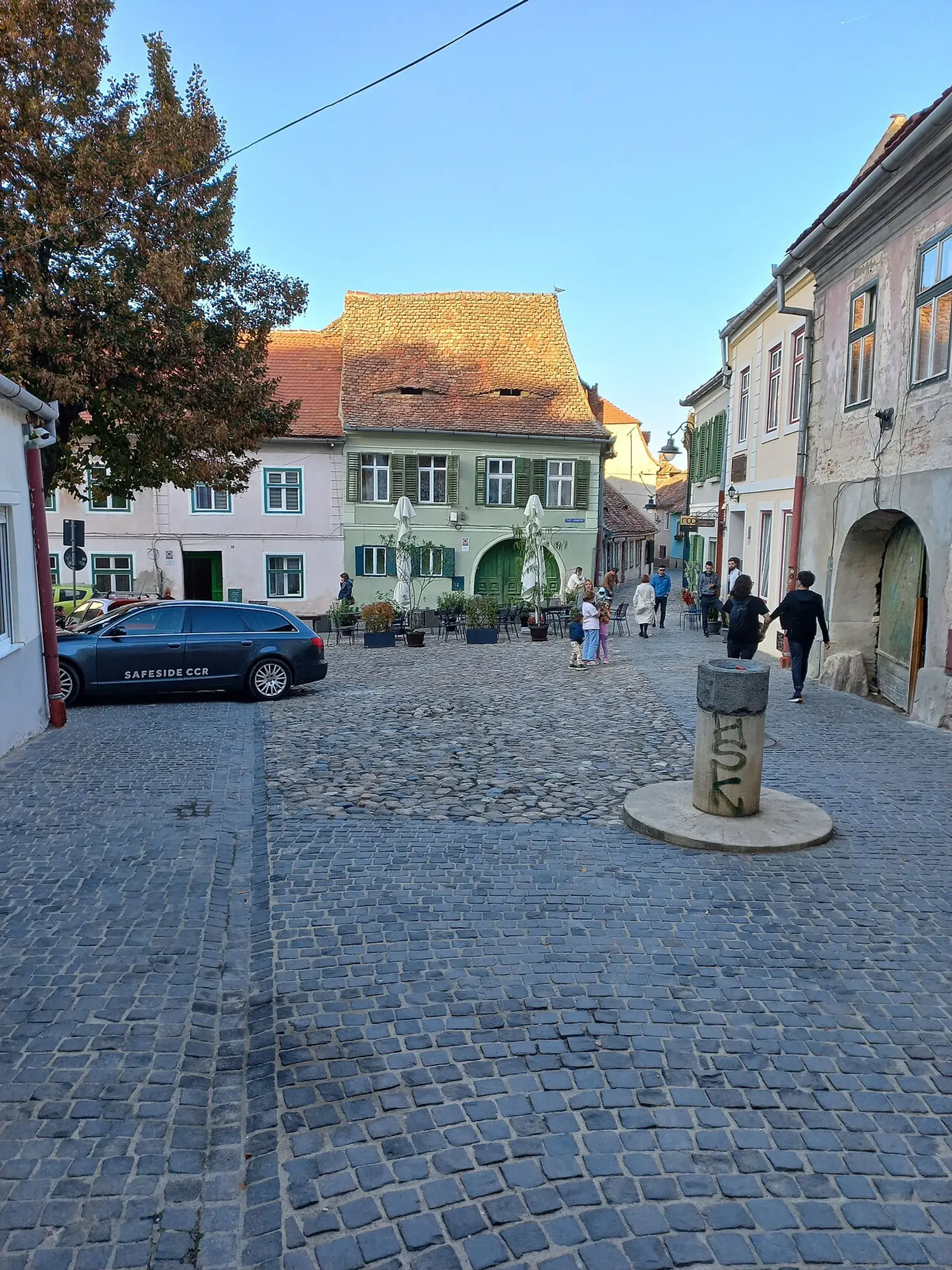
Piața Aurarilor, also known as Goldsmiths' Square, is a historic square in Sibiu, Romania, that preserves a distinct medieval character. Located in the city's Lower Town (Orașul de Jos), it was once the designated center for the city's thriving goldsmith workshops. The square's strategic position was integrated into Sibiu's second defensive wall, which was constructed following the Mongol invasion of the 12th century.
A Center for Craftsmanship
Piața Aurarilor was a crucial hub for Sibiu's goldsmiths' guild, an organization so well-regarded that it served as a model for other goldsmith unions throughout Transylvania. The collective work of the craftsmen in this square was integral to Sibiu's economic prosperity and its reputation as a significant medieval trade center, exporting high-value goods like jewelry. This manufacturing hub in the Lower Town complemented the Upper Town, which was home to wealthier merchants.
Architecture and Historic Passages
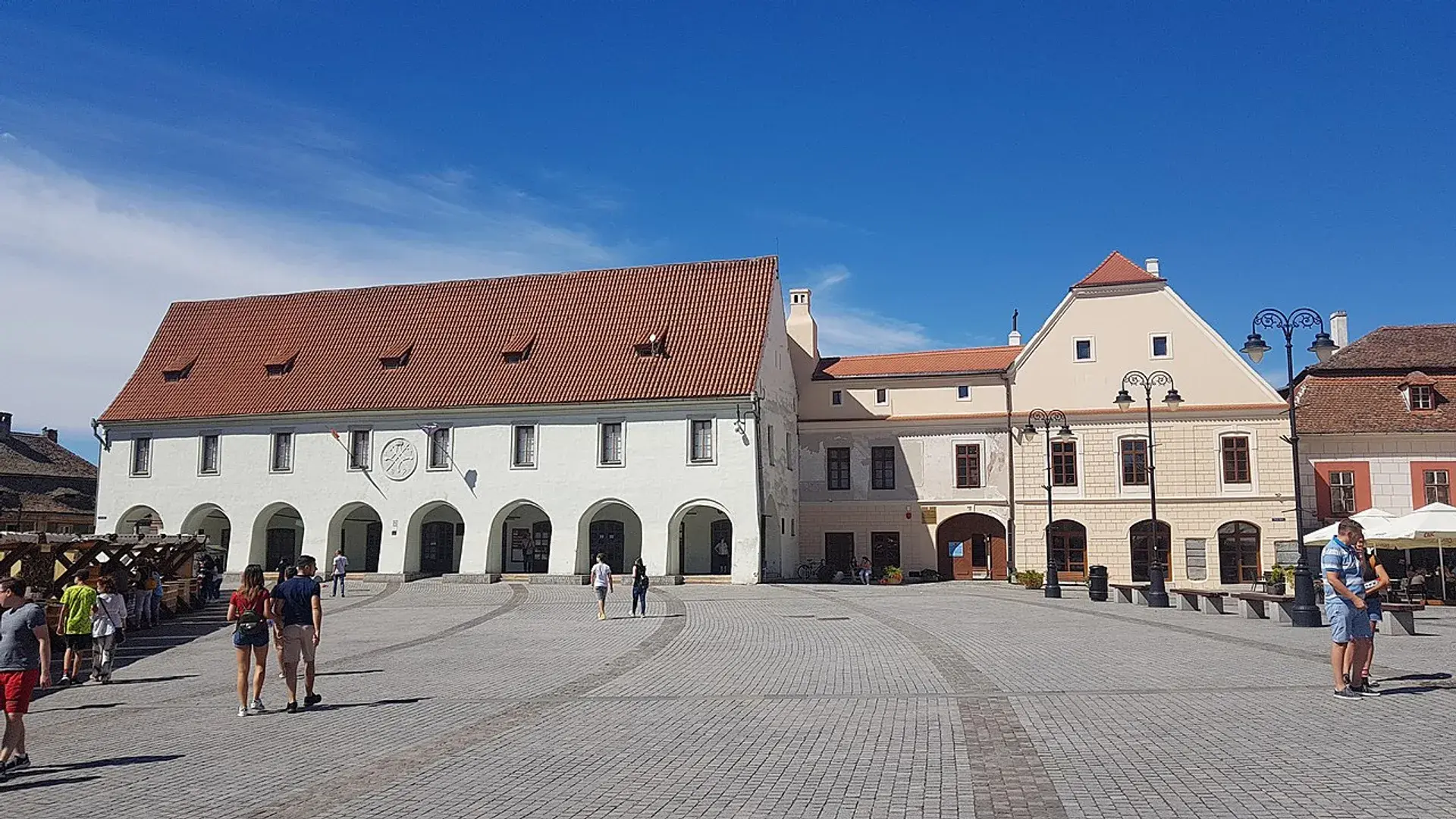
The square is surrounded by buildings dating from the 15th to the 18th centuries, maintaining a picturesque medieval aesthetic. Notable structures include the houses at numbers 1 and 2, which date back to 1567. A charming route, the Goldsmiths' Passage (Pasajul Aurarilor), connects the square to the larger Small Square (Piața Mică), passing beneath a house. Another passage, the Golden Passage, leads from the square to the Golden Gate Tower, a defense structure from the 13th century.
A History of Many Names
Though now firmly associated with its artisan past, the square's identity has shifted over the centuries. First documented in 1496 as 'Beym Fingerligsbrunnen' (By the Fingerling Fountain), it was later known as 'Unter der Fingerlingstreppe' (1637) and 'Fingerlingsplatz' (1872). During the communist era, it was briefly named 'P-ța I.C. Frimu' in 1947. Its current name, Piața Aurarilor, was officially restored in 1970, reclaiming its historical heritage.
The Square Today
Today, Piața Aurarilor is a tranquil, romantic pedestrian area. The aroma of freshly roasted coffee often fills the air, coming from NOD Prăjitoria de cafea, a specialty coffee shop that roasts its beans on-site. The café also organizes local community events. The square also contains a guesthouse and is near a restaurant. For those arriving by car, public parking is available on the nearby Strada 9 Mai.
Hidden Traces of the Past
Several subtle clues point to the square's long history. A faceted stone pillar in front of house number 9 marks the former location of a fountain with pipes, first documented in 1496. Additionally, an old stream once flowed through the courtyard of the building at number 10, channeling water from the upper squares toward the Cibin River.
FAQ
What is the history of Piața Aurarilor?
Piața Aurarilor, or Goldsmiths' Square, was historically the designated area for goldsmith workshops in Sibiu. First mentioned in 1496, it was a vital hub for the city's renowned goldsmiths' guild and played a key role in Sibiu's economy as a medieval craft center.
How is Piața Aurarilor connected to other parts of Sibiu?
The square is connected to the Small Square (Piața Mică) via the picturesque Goldsmiths' Passage (Pasajul Aurarilor). From the square, the Golden Passage provides access to the 13th-century Golden Gate Tower, part of the city's old fortifications.
Why is the square called Goldsmiths' Square?
The square was the historic center for Sibiu's goldsmiths' guild, which was considered a model for similar unions across Transylvania. Although its name changed several times, it was officially renamed Piața Aurarilor (Goldsmiths' Square) in 1970 to honor this heritage.