Stairs Passage Sibiu: A Historic Medieval Walkway
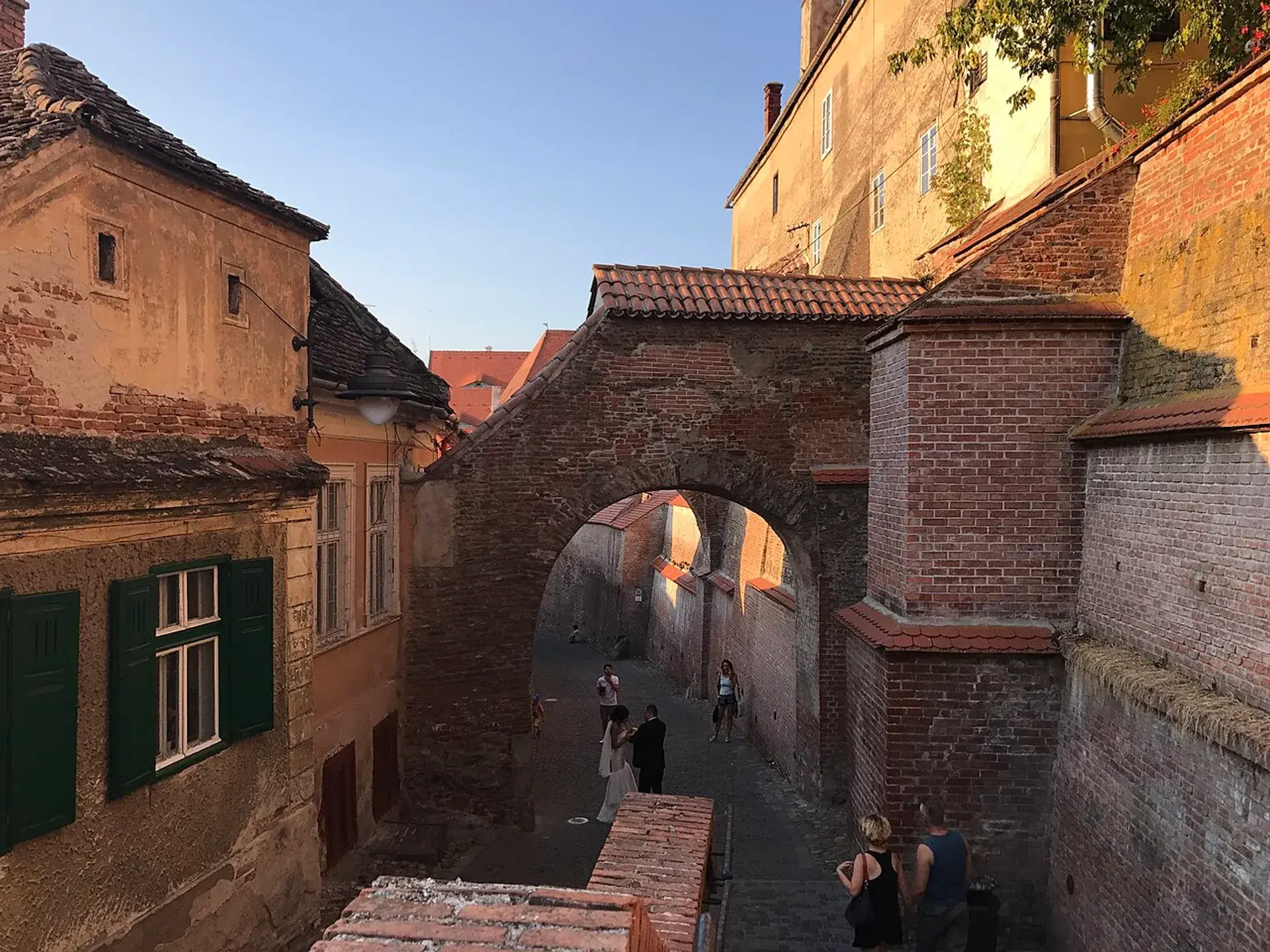
The Stairs Passage, known locally as Pasajul Scărilor, is a historic stone and brick walkway in Sibiu. This picturesque path, framed by medieval arches, provides a vital connection between the city's Upper Town and Lower Town.
A Medieval Fortification
Most historians agree that the Stairs Passage was constructed in the 14th century, forming an integral part of Sibiu's third fortification belt, which was erected between 1357 and 1366. Its creation was a strategic response to the devastating Tatar invasion of 1241-1242, which highlighted the need for more robust defenses.
The passage was designed to facilitate movement and defense between the administrative and commercial Upper Town and the artisanal Lower Town. Featuring two branches of stairs and characteristic medieval arches, it encircled the walls near the Evangelical Church, serving as a critical component of the city's defensive and social infrastructure.
Evolution and Restoration
While appearing ancient, the passage has undergone significant changes. Before the 1930s, it was remodeled and partially demolished to accommodate road traffic, an intervention that fundamentally altered its original medieval level and route. During this period, the third defensive wall near the city hall was breached, and several historic houses were removed.
The structure has seen several major restorations, including one in 1860. More recently, in 2006, the Sibiu Municipality invested 3,000,000 RON in an extensive project that included masonry work, soil consolidation, and repaving the path with cubic stones. Since 2004, the Stairs Passage has been officially listed as a historical monument in Sibiu County.
The Passage Today
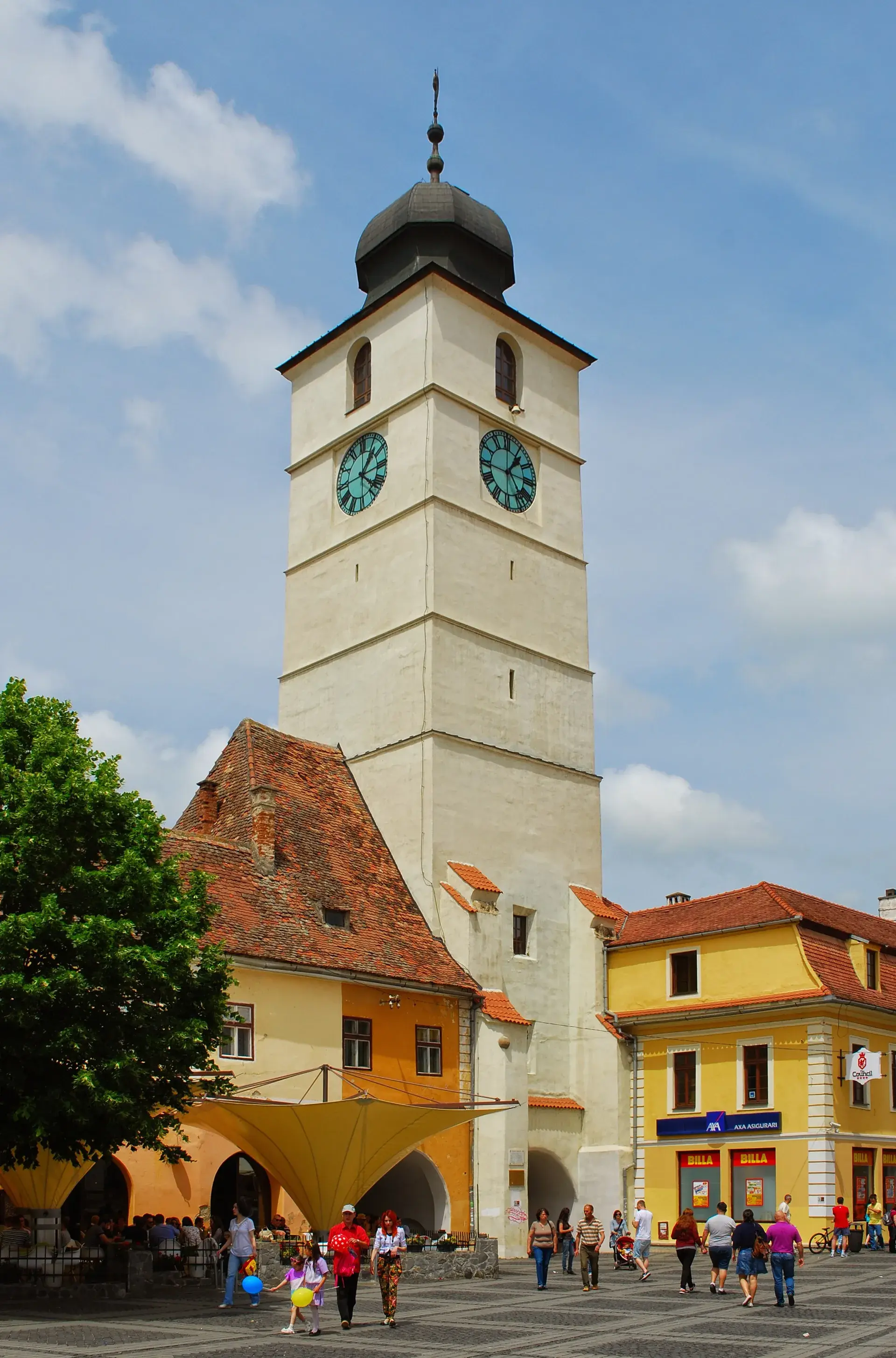
Today, the Stairs Passage is a prominent tourist attraction and a daily route for locals, connecting the area near the Brukenthal Museum in the Upper Town with Strada Turnului in the Lower Town. It offers a tangible connection to the city's medieval past.
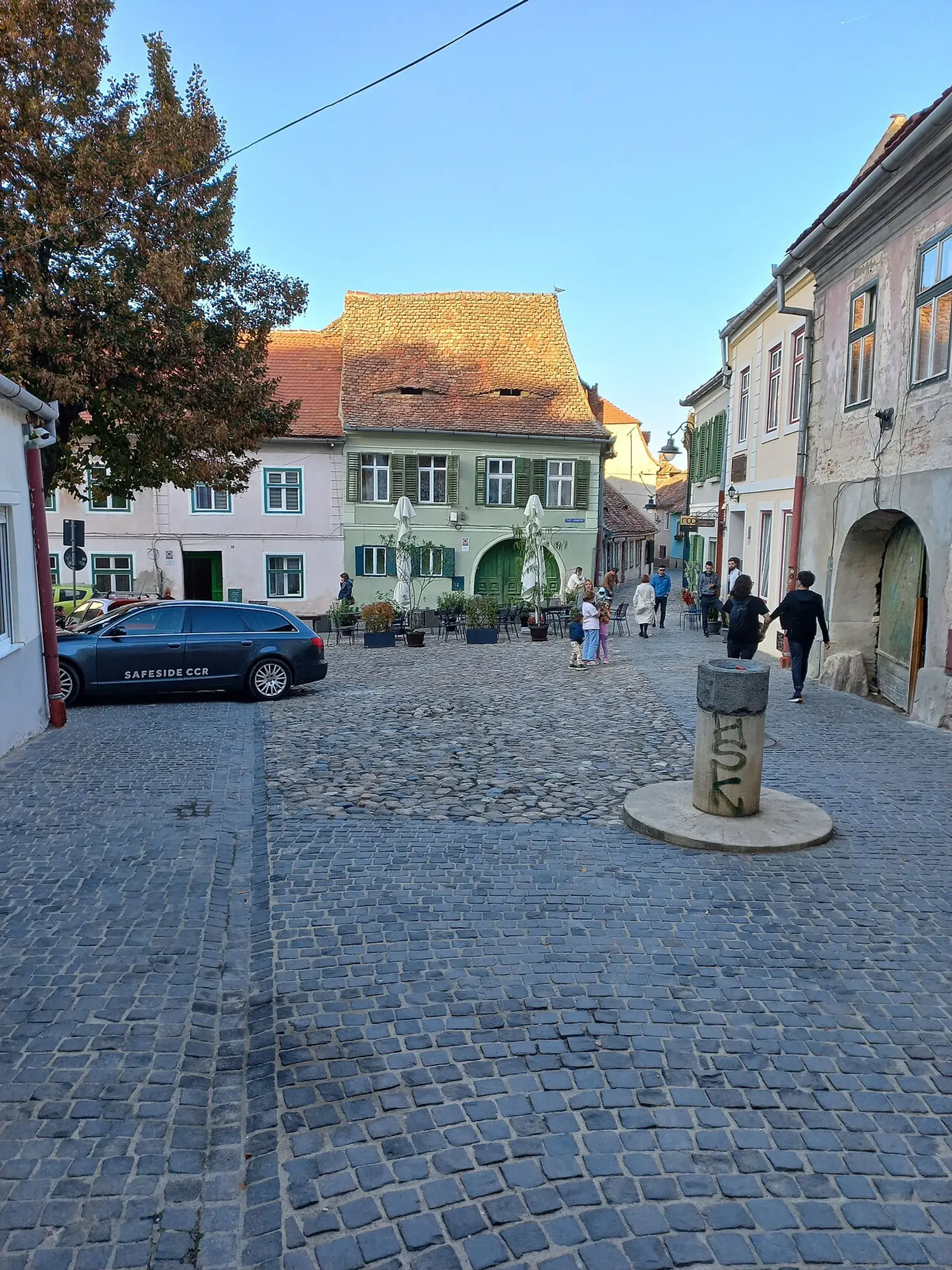
The area is a lively urban space, home to various shops, cafes, and restaurants. The passage itself is often used as a scenic backdrop for cultural events, continuing its legacy as an emblematic part of Sibiu. It is also known by the evocative nickname 'Zidul cu ace' (Wall with Needles).
FAQ
When was the Stairs Passage in Sibiu built?
The Stairs Passage was constructed in the 14th century as part of Sibiu's third fortification belt, which was built between 1357 and 1366.
What does the Stairs Passage connect?
The passage is a pedestrian link connecting Sibiu's historic Upper Town, near the Brukenthal Museum, with the Lower Town, terminating at Strada Turnului.
Is the Stairs Passage in its original form?
No. The passage was significantly remodeled and partially demolished before the 1930s to make way for road traffic, which altered its original medieval level. It has also undergone several restorations, most recently in 2006.