Bled Castle: Slovenia's Oldest Documented Fortress
An 800-Year Episcopal Outpost
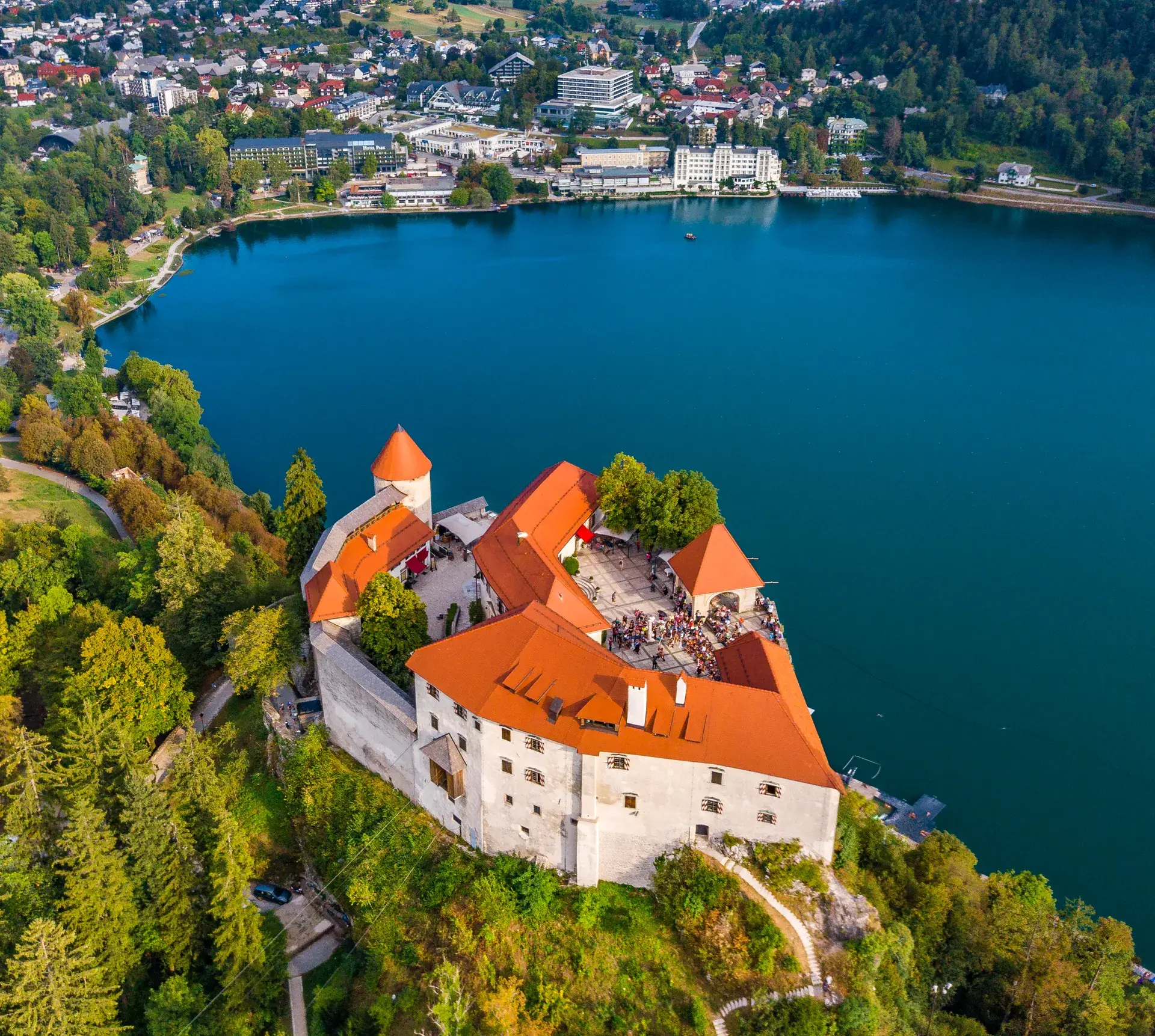
Perched atop a 130-metre-high limestone cliff directly above the northern shore of Lake Bled, Bled Castle (Blejski grad) is recognized as the oldest documented castle in Slovenia. The fortification first appeared in written records on May 22, 1011, under the name castellum Veldes, within an imperial deed issued by King Henry II. This deed expanded upon a 1004 land grant to Bishop Albuin of Brixen, formally establishing the estate under the ecclesiastical authority of the Diocese of Brixen in South Tyrol.
The Diocese of Brixen retained ownership of Bled Castle for more than eight centuries until state secularization under Austrian rule in 1803. Because the bishops rarely resided at the site in person, the fortress was administered by appointed governors and caretakers. Consequently, the complex evolved not as an ornate royal palace, but as a fortified administrative outpost, storehouse, and strategic regional refuge.
Architectural Evolution and Courtyard Layout
The castle was constructed across two distinct levels to match the natural contours of the bedrock cliff. The lower courtyard originally handled logistical and economic functions, housing servants' quarters and utility spaces. Among its notable utilitarian features is a defensive cistern well, which was carved by hand directly into the solid limestone to a depth of 12 metres.
The fortified upper courtyard served residential and defensive roles, containing living quarters, ramparts, and a 16th-century chapel dedicated to St. Albuin and St. Ingenuin. The chapel features Baroque illusionist frescoes dating to the 1700s that depict the original episcopal donors and the Austrian imperial court. Due to significant damage caused by major regional earthquakes in 1511 and 1690, the fortress reflects a structural blend of Romanesque defensive walls, Gothic extensions, Renaissance fortifications, and Baroque restorations.
Reformation Roots, Private Enterprise, and Restoration
During the 16th century, leased noble tenants transformed the castle into a regional hub for the Protestant Reformation. In June 1561, Slovene Protestant reformer and book pioneer Primož Trubar visited the fortress, a milestone documented today by a commemorative plaque mounted near the print shop.
In 1918, local hotel pioneer Ivan Kenda purchased the castle, lake, and island with plans to adapt the medieval fortress into a luxury resort hotel. The enterprise placed enormous financial strain on Kenda, ultimately causing his bankruptcy and leading to the repossession of the estate by a cooperative bank in 1937.
A devastating fire swept through the fortress on August 18, 1947, destroying roofs and several auxiliary structures. Between 1952 and 1961, architect Anton Bitenc—a student and collaborator of Jože Plečnik—oversaw a comprehensive decade-long restoration. Bitenc lived directly on the grounds during the project, repairing the damaged historic fabric and adapting the interior spaces specifically for cultural tourism. In September 1999, Slovenia officially declared the fortress a cultural monument of national importance.
Cultural Attractions and Modern Use
Managed year-round by the Bled Culture Institute (Zavod za kulturo Bled), the castle functions as a cultural museum and event venue. The residential wing of the upper courtyard features a 14-room regional history exhibition curated by the National Museum of Slovenia, covering regional archaeology, geology, and the development of local tourism from prehistory through the 19th century.
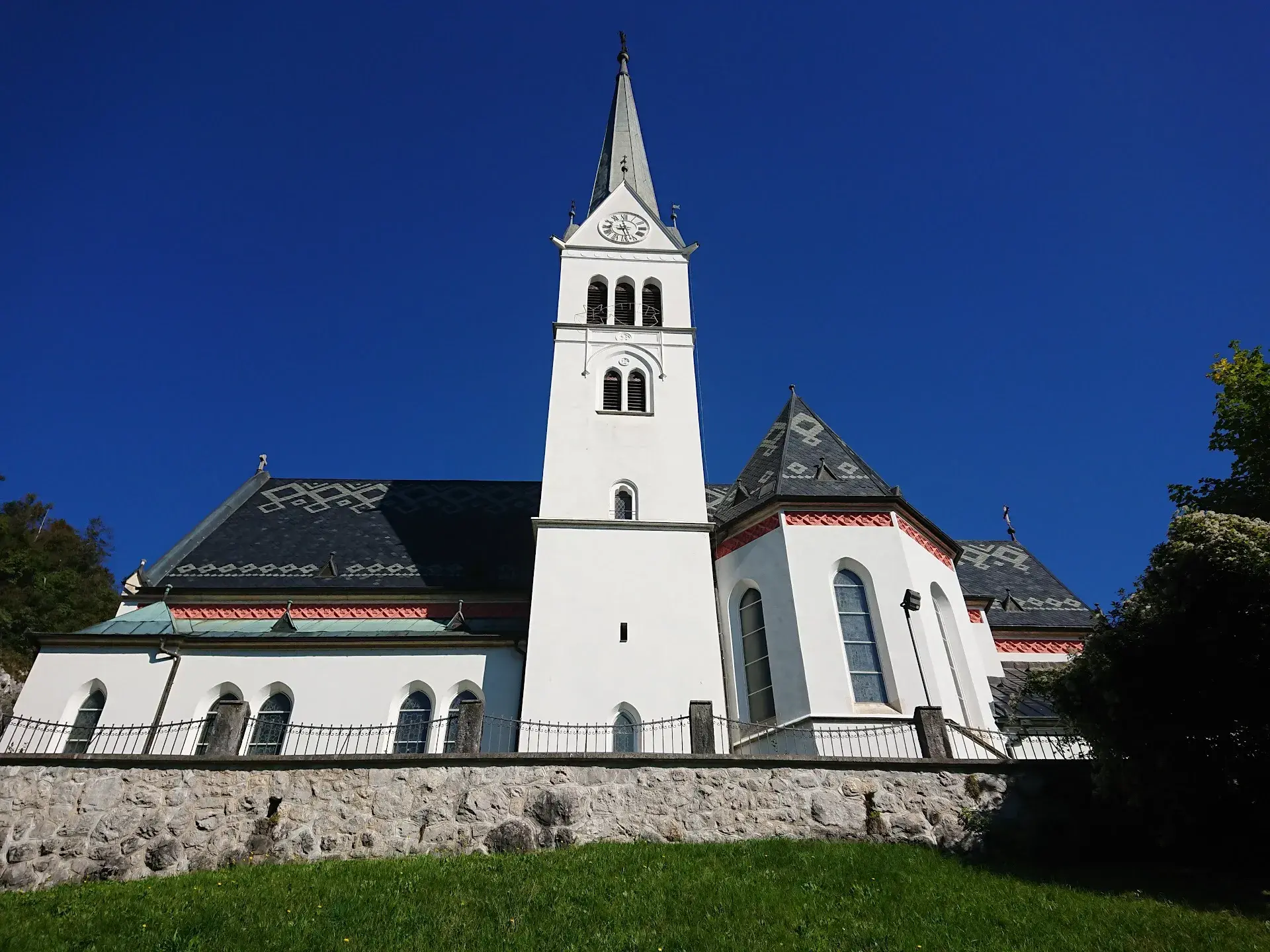
In the lower courtyard, traditional trades remain active. A working printing shop operates a replica wooden Gutenberg press, where the air carries the scent of beeswax, linseed oil, iron, and damp ink. The lower level also accommodates an apiary, a wine cellar, and rotating art exhibits in the Stolp Gallery. The upper terrace provides an elevated vantage over Lake Bled and Bled Island, connected to the town below via steep walking paths such as the Rikli Trail and the stairs past St. Martin's Church, which reach grades of up to 34 degrees.
FAQ
What is the historical significance of Bled Castle?
First documented on May 22, 1011, as castellum Veldes in a deed by King Henry II, Bled Castle is the oldest documented castle in Slovenia.
Who owned Bled Castle before modern times?
Emperor Henry II granted the estate to Bishop Albuin of Brixen in the 11th century. The Diocese of Brixen retained ownership for more than 800 years until secularization under Austrian rule in 1803. In 1918, it was acquired by hotelier Ivan Kenda before being repossessed by a bank in 1937.
What exhibitions and facilities are located inside the castle?
The complex houses a 14-room history museum curated by the National Museum of Slovenia, a 16th-century chapel with Baroque illusionist frescoes, a printing shop with a replica Gutenberg press, a wine cellar, an apiary, the Stolp Gallery, and an upper-terrace restaurant.