Port of Cádiz: An Ancient Maritime Gateway
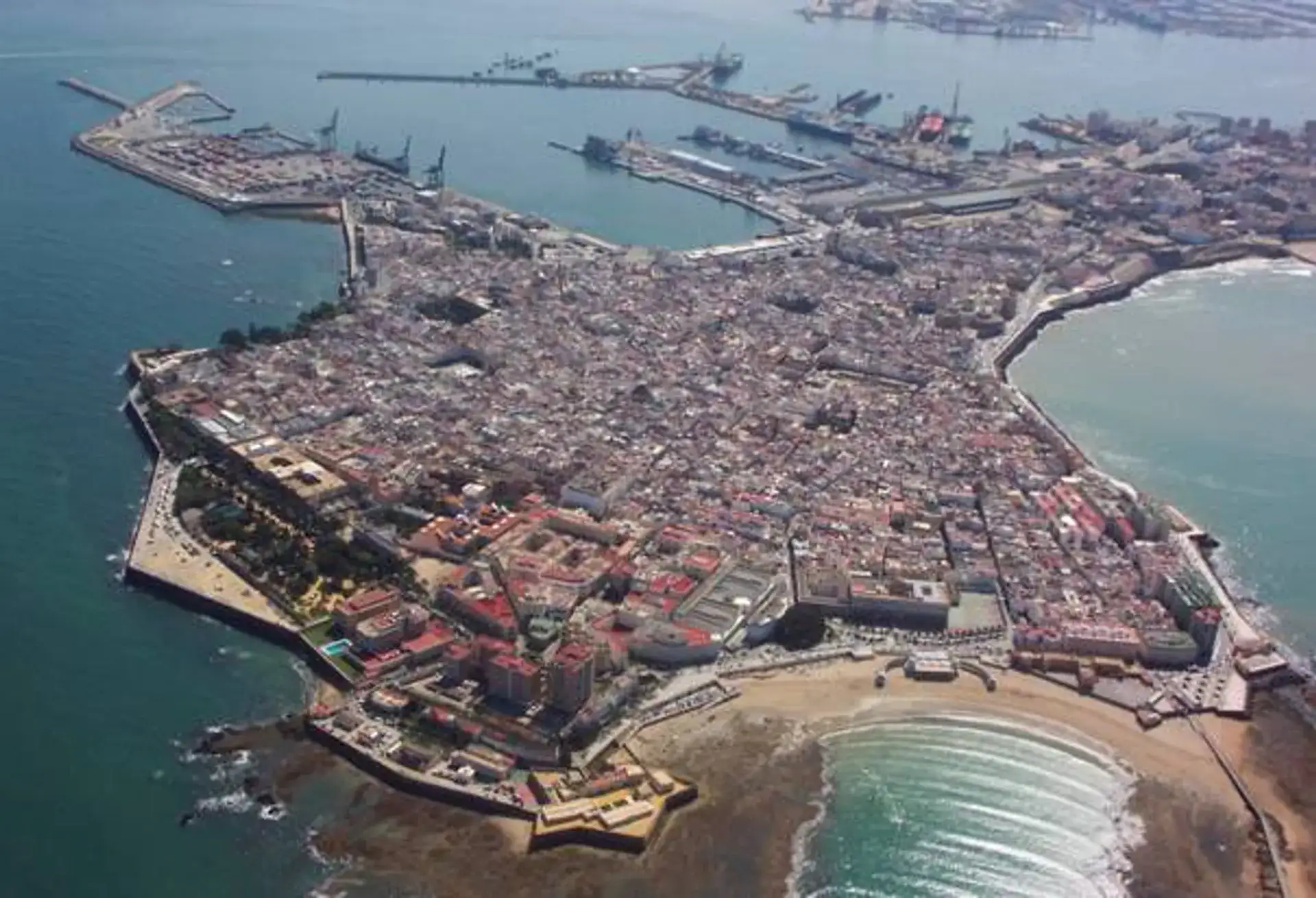
The Port and Bay of Cádiz are inextricably linked to the city's identity as one of Western Europe's oldest continuously inhabited urban centers. Its strategic position between the Atlantic and Mediterranean has defined its history as a vital trading hub, naval base, and point of departure for transatlantic voyages.
Ancient Origins
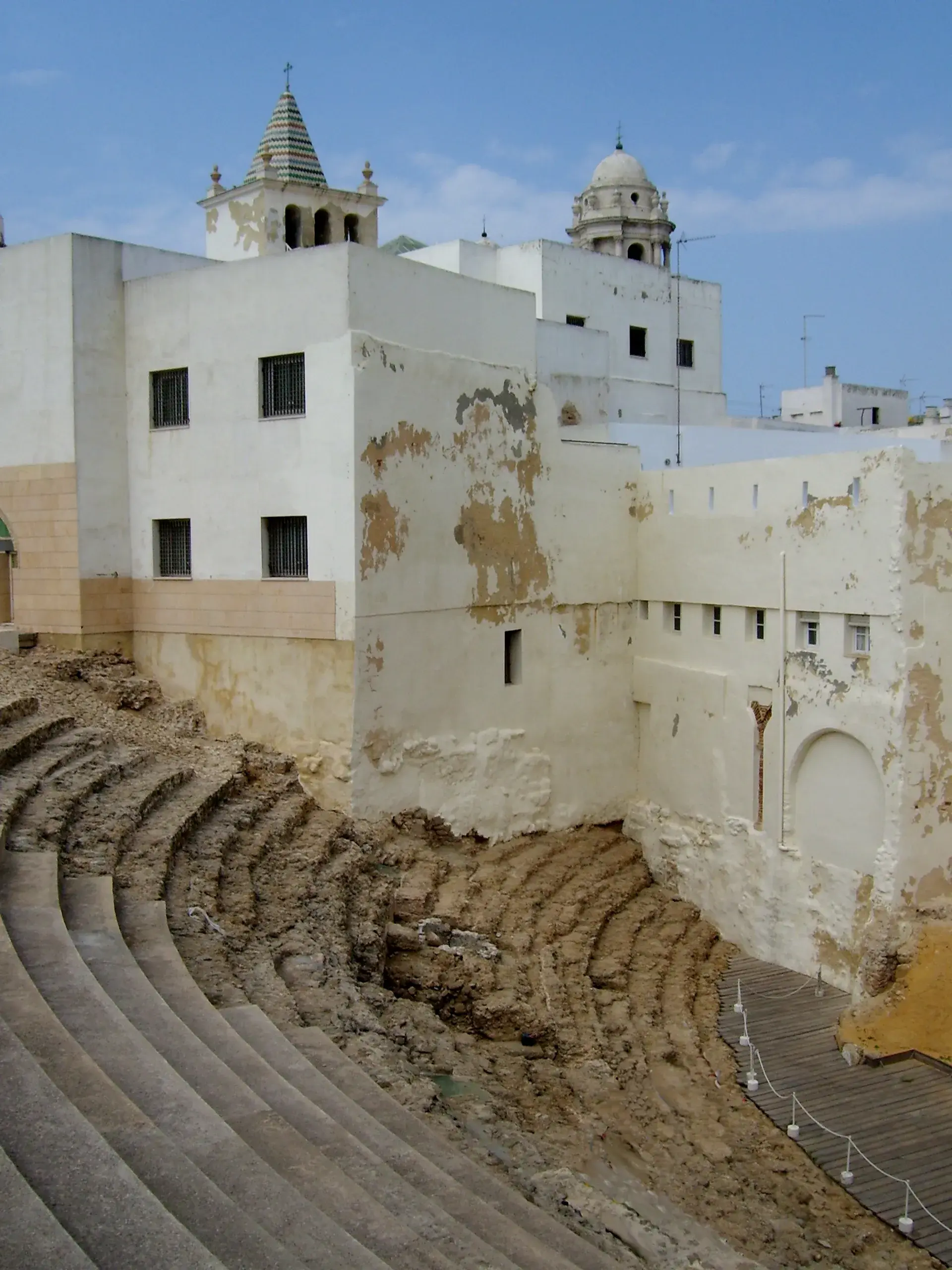
Founded as Gadir by Phoenicians from Tyre around 1100 BC, the city was strategically chosen for its access to precious metals. Archaeological evidence traces the port back to the 9th century BC. During the 3rd century BC, it fell under Carthaginian control, famously hosting Hannibal before his invasion of Italy. Under Roman rule from 206 BC, the city, renamed Gades, flourished as a significant port and naval base. The city's ancient wealth is underscored by artifacts like the two massive Phoenician marble sarcophagi housed in the Museum of Cádiz, which were intricately carved in Lebanon and date back to the 5th century BCE.
The Age of Exploration and Conflict
After a period of decline under the Visigoths, the city was reconquered in 1262. The port's renaissance began during the Age of Exploration. Christopher Columbus sailed from Cádiz on his second and fourth voyages to the New World, cementing its role in global discovery. However, this prominence also made it a target. In 1587, Sir Francis Drake led a famous raid, destroying 31 ships and delaying the Spanish Armada by a year in an event known as the 'Singeing the King of Spain's Beard.'
A Golden Age and Liberal Stronghold
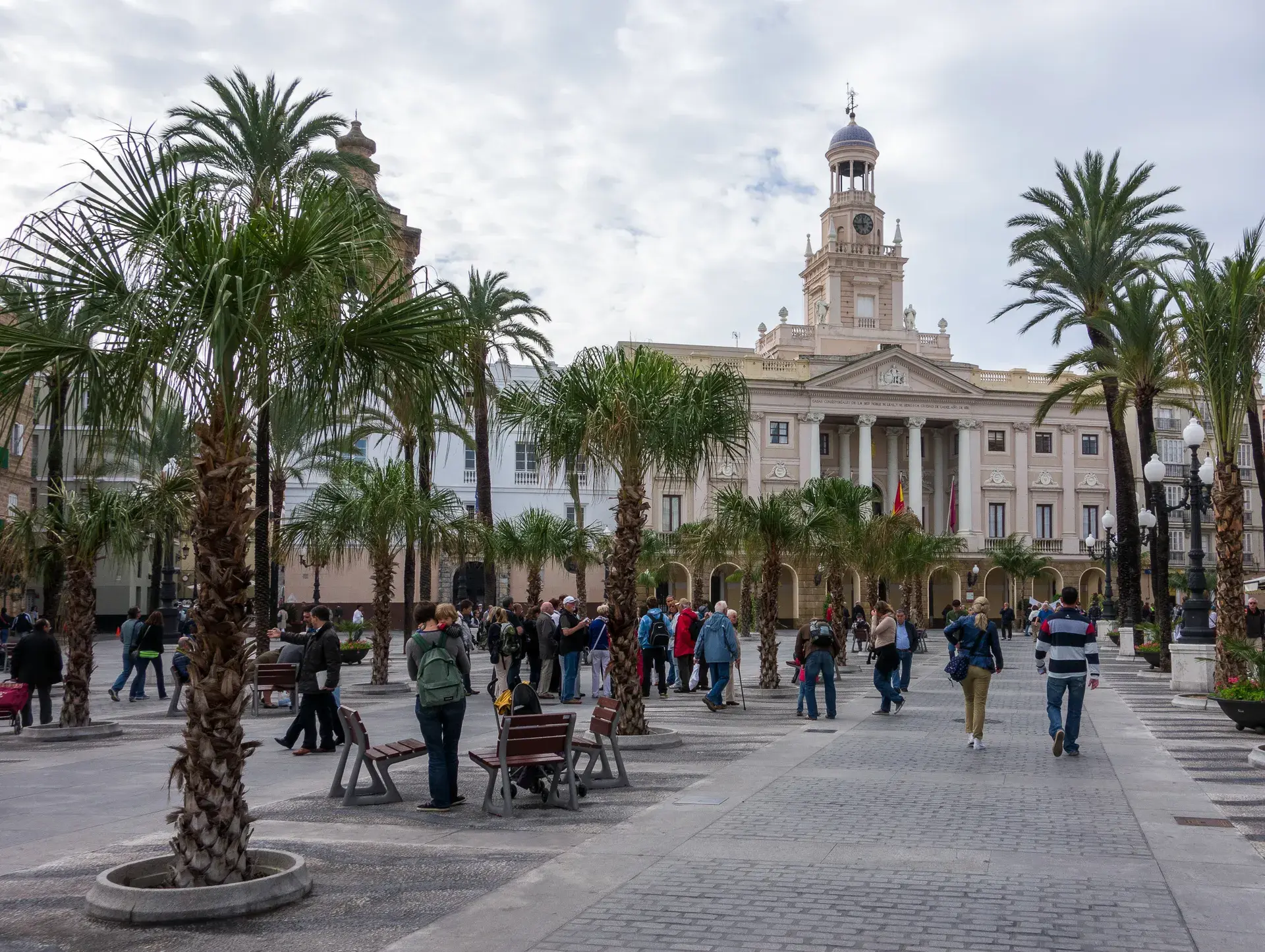
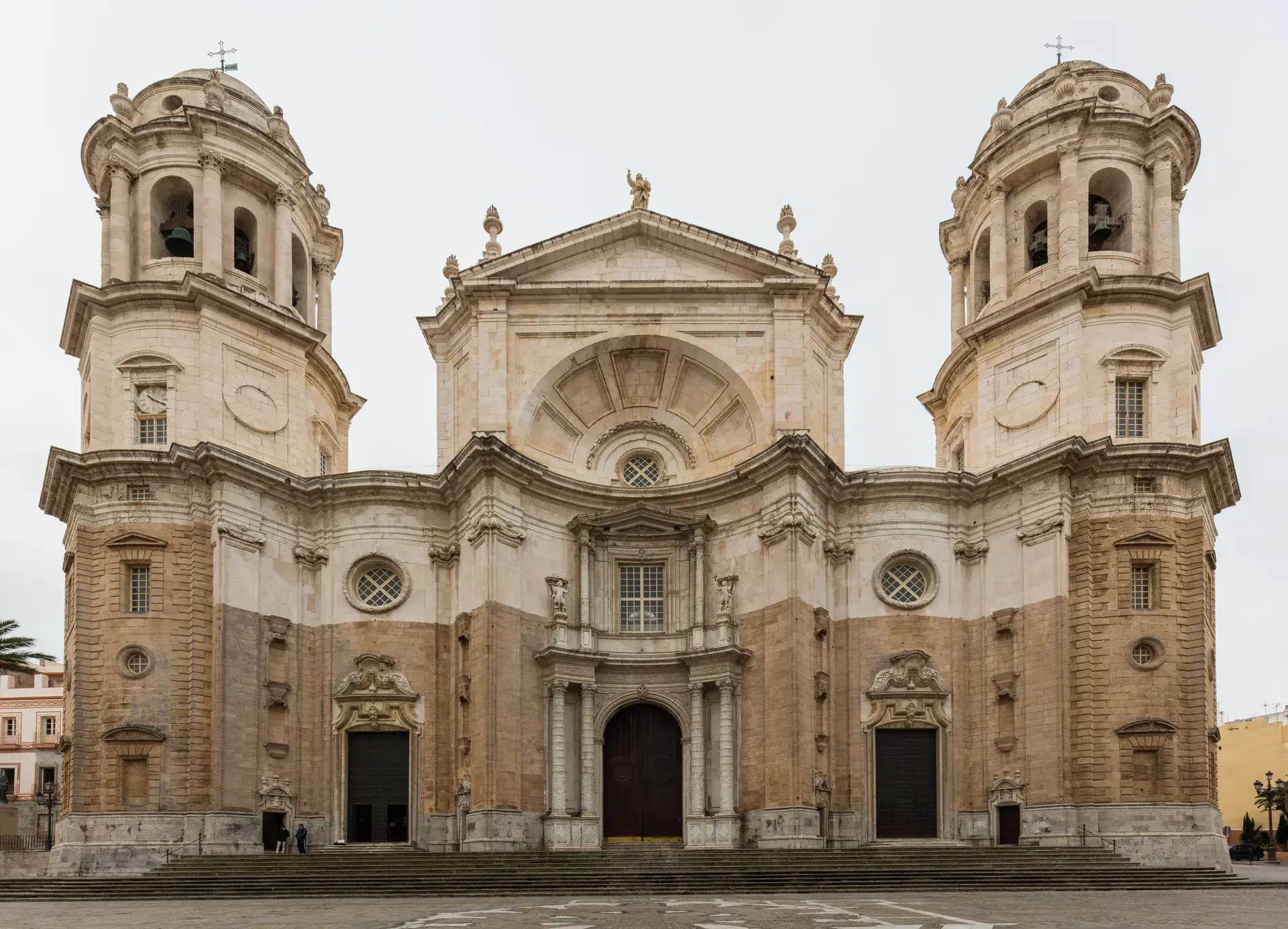
The 18th century marked the port's "Golden Age." From 1717 to 1778, Cádiz held a near-monopoly on Spanish trade with the Americas. The immense wealth generated during this period financed the construction of much of the city's distinctive Baroque architecture. Later, during the Napoleonic Wars (1810-1812), Cádiz resisted a French siege thanks to its strong defenses. It served as Spain's provisional capital and the seat of the Cortes, where the liberal Spanish Constitution of 1812 was signed.
The Modern Port and Bay
Today, the Port of the Bay of Cádiz, unified under a single administration in 1982, is a modern, strategic hub. It comprises four harbors handling passengers, trade, and fishing. The port is a major cruise ship destination, with the Alfonso XIII Pier located adjacent to the historic Old Town, allowing immediate access for visitors. The area is a focal point for local life, with catamaran services connecting Cádiz to nearby towns like El Puerto de Santa María and Rota. A unique historical feature can be found in the city's narrow streets, where obsolete 18th and 19th-century iron cannons were repurposed and embedded vertically to protect building corners from carriage wheels.
FAQ
Why was the Port of Cádiz so important in the 18th century?
From 1717 to 1778, Cádiz held a virtual monopoly on Spain's trade with the Americas. This ushered in its "Golden Age," generating immense wealth that financed much of the city's beautiful Baroque architecture.
Did Christopher Columbus sail from Cádiz?
Yes, Christopher Columbus departed from the Port of Cádiz for his second and fourth voyages to the New World.
What is a unique historical feature to see in Cádiz's streets?
In the 18th and 19th centuries, obsolete iron cannons were embedded vertically at street corners to protect building facades from damage by carriage wheels. These can still be seen today.
How does the port function today?
The Port of the Bay of Cádiz is a modern hub for trade, fishing, and tourism. It is a major cruise ship destination with a pier adjacent to the historic city center and offers catamaran services to nearby towns.