Cádiz's Barrio del Pópulo & Hidden Roman Theatre Guide
The Barrio del Pópulo, the ancient heart of Cádiz, holds a remarkable secret within its medieval street plan: the remains of a colossal Roman Theatre. This structure, one of the oldest and largest in the entire Roman Empire, lay completely hidden and forgotten for over 1,600 years, buried beneath centuries of construction, until its accidental rediscovery in 1980.
History of Barrio del Pópulo
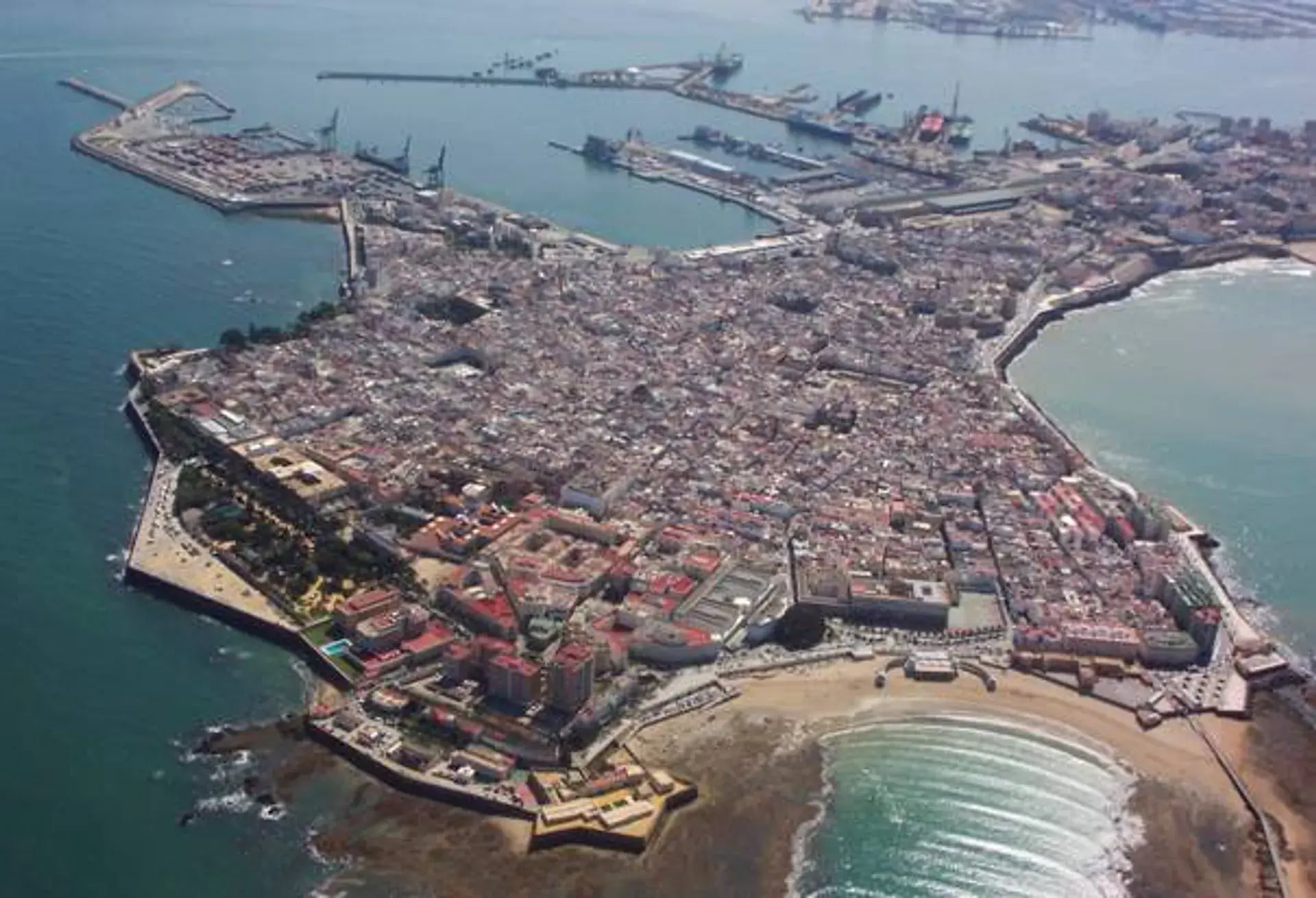
The story of the Barrio del Pópulo begins with the Phoenician founding of Gadir in 1100 BC, making it one of the oldest continuously inhabited settlements in Western Europe. Its current medieval character is defined by three 13th-century arches: the Arco de la Rosa, Arco de los Blancos, and Arco del Pópulo. The neighborhood's name comes from a 16th-century painting of the Virgin Mary placed over a gate, which bore the inscription 'Ora pro populo' ('pray for the people').
Throughout its history, the district has witnessed significant events, including Francis Drake's sack of the city in 1596 and resistance against French troops during the Spanish War of Independence. Its narrow, cobbled streets are a testament to its layered past, which includes Phoenician, Roman, Visigothic, and Arab periods.
The Roman Theatre of Gades
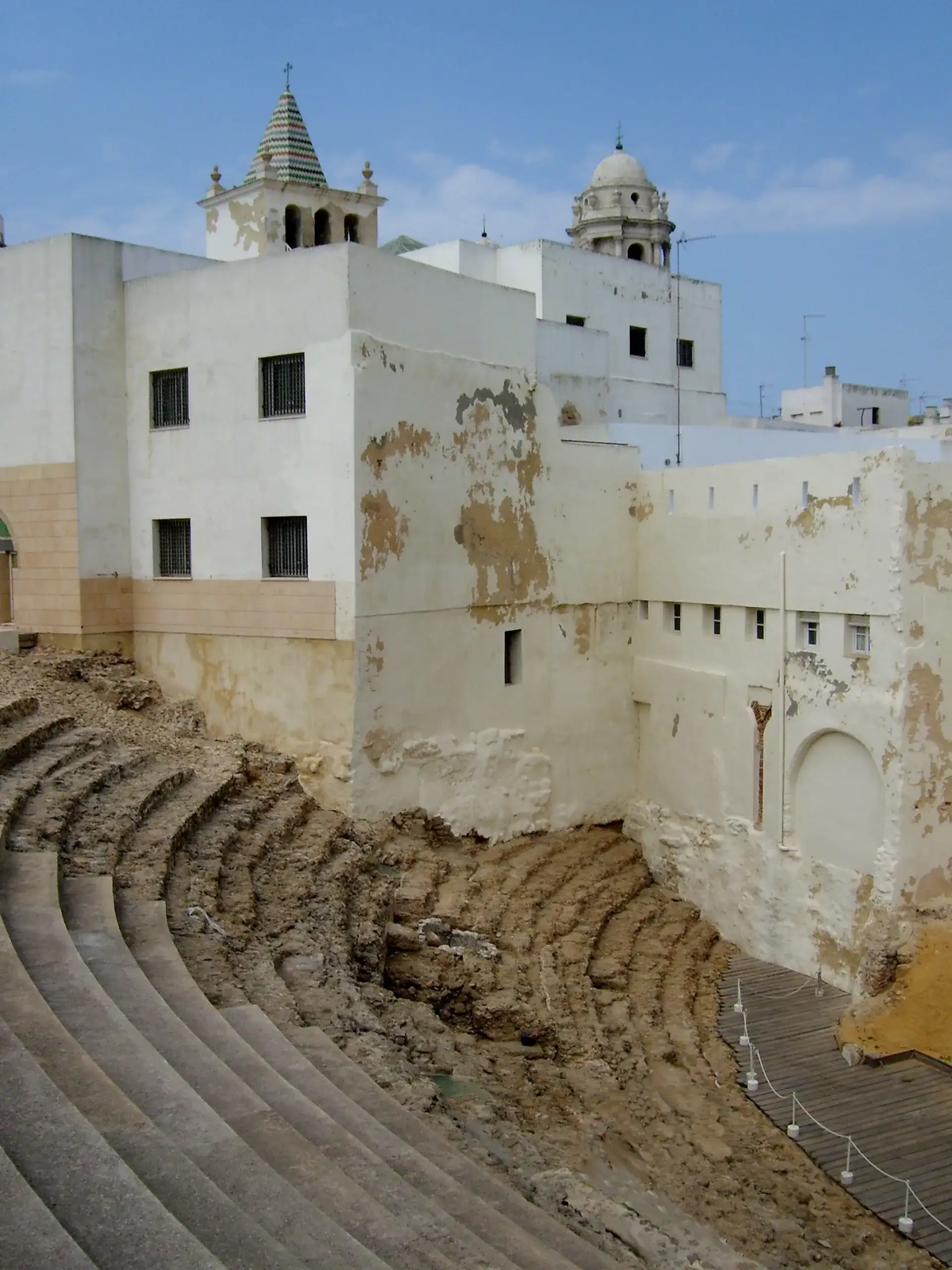
Constructed around 70 BC under the patronage of Lucius Cornelius Balbus and his nephew, the Roman Theatre was a centerpiece of a new urban expansion in what was then called Gades. With a cavea (auditorium) diameter exceeding 120 meters, it could seat between 10,000 and 12,000 spectators, a significant number given the city's estimated population of 50,000. This made it one of the largest theatres in the Roman Empire and the oldest known in Spain.
The structure was built using local 'piedra ostionera' stone, marble, and Roman concrete, utilizing a natural slope for its parabolic tiered seating. It served as a vital cultural and social hub, mentioned by classical authors like Cicero and Strabo. The theatre was abandoned by the late 3rd or early 4th century AD and was subsequently plundered for its materials.
From Fortress to Rediscovery
After its abandonment, the theatre's history became one of burial and repurposing. It served as the foundation for an Islamic fortress and later, in the 13th century, King Alfonso X 'the Wise' ordered the construction of the medieval Castle of the Villa directly over its ruins. This layering of history completely obscured the theatre, and its existence was known only through ancient texts until archaeological work in 1980 accidentally brought it back to light.
The District and Theatre Today
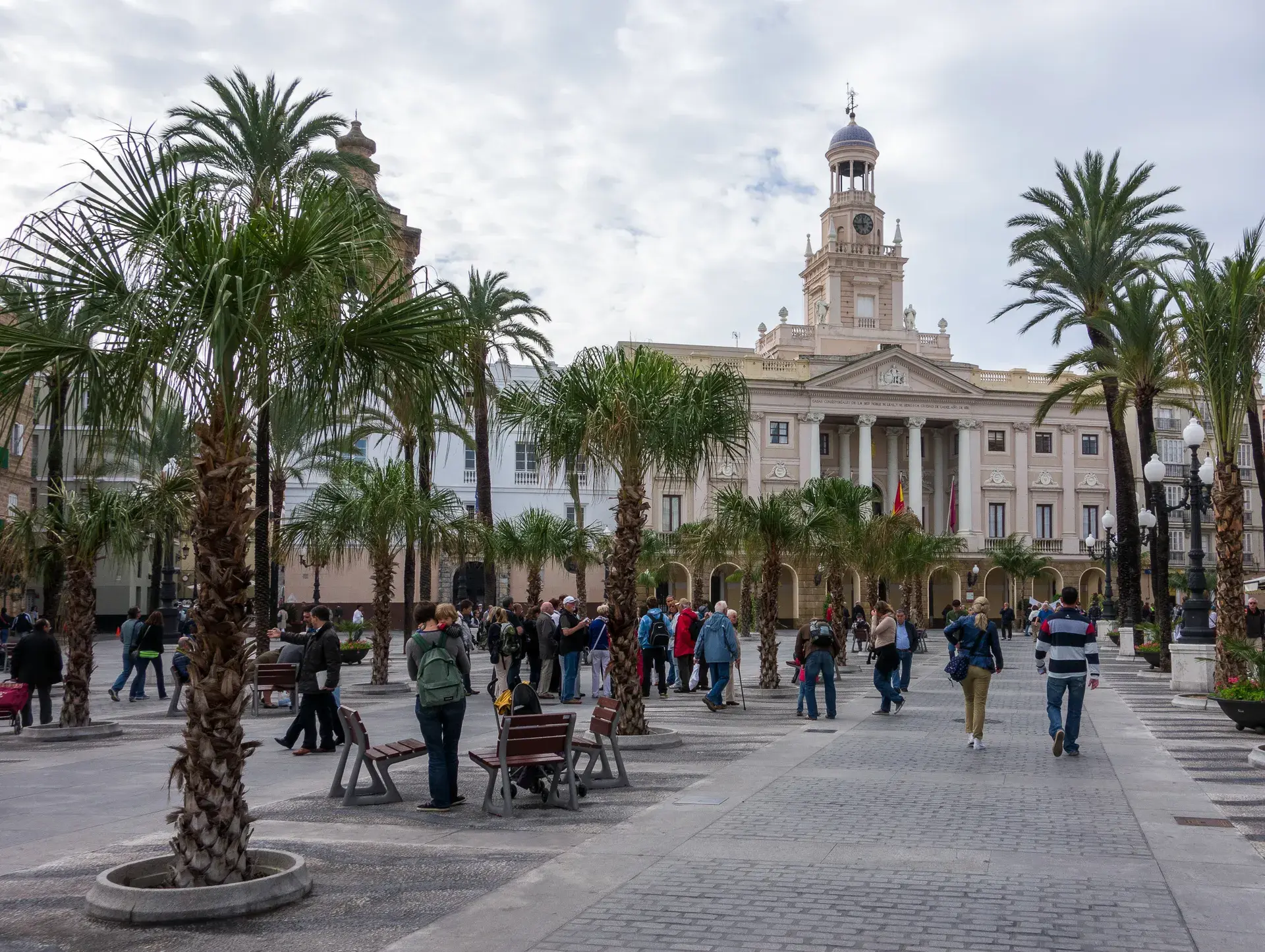
Today, the Barrio del Pópulo is a vibrant, compact district functioning as an open-air museum. Its labyrinthine, pedestrian-friendly streets are filled with taverns, restaurants, and bars serving local gastronomy. The neighborhood is also a hub for cultural events, including Carnival groups and an annual Andalusian market.
The Roman Theatre is an active archaeological site, partially excavated and open to the public with free admission. A Visitor Centre opened in 2015 offers context through models and videos, with glass portals allowing views of the excavated seating area. Excavations are ongoing, though the most monumental parts of the theatre, including its main stage, remain buried beneath the modern buildings of the Pópulo neighborhood.
FAQ
When was the Roman Theatre of Cádiz discovered?
The Roman Theatre was accidentally rediscovered in 1980 during archaeological excavations. It had been completely buried and unknown for over 1,600 years.
How old is the Barrio del Pópulo?
The Barrio del Pópulo is the oldest neighborhood in Cádiz, with origins that trace back to the Phoenician founding of the city, then called Gadir, in 1100 BC.
How large was the Roman Theatre in Cádiz?
It was one of the largest in the Roman Empire and the oldest in Spain. It had a capacity of 10,000 to 12,000 spectators and a diameter of over 120 meters.
Is the entire Roman Theatre of Cádiz excavated?
No, the site is only partially excavated. The most monumental areas, including the main stage (scaenae frons), remain hidden beneath modern buildings within the El Pópulo neighborhood.