Plaza de Mina & Museo de Cádiz: History and Art
Plaza de Mina and the adjoining Museo de Cádiz form a cultural and historical centerpiece in the city of Cádiz, Spain. The square, a vibrant public space, and the museum, a repository of deep history, share origins tied to the 19th-century transformation of Spain and reflect the city's evolution from an ancient settlement to a modern hub.
History of Plaza de Mina
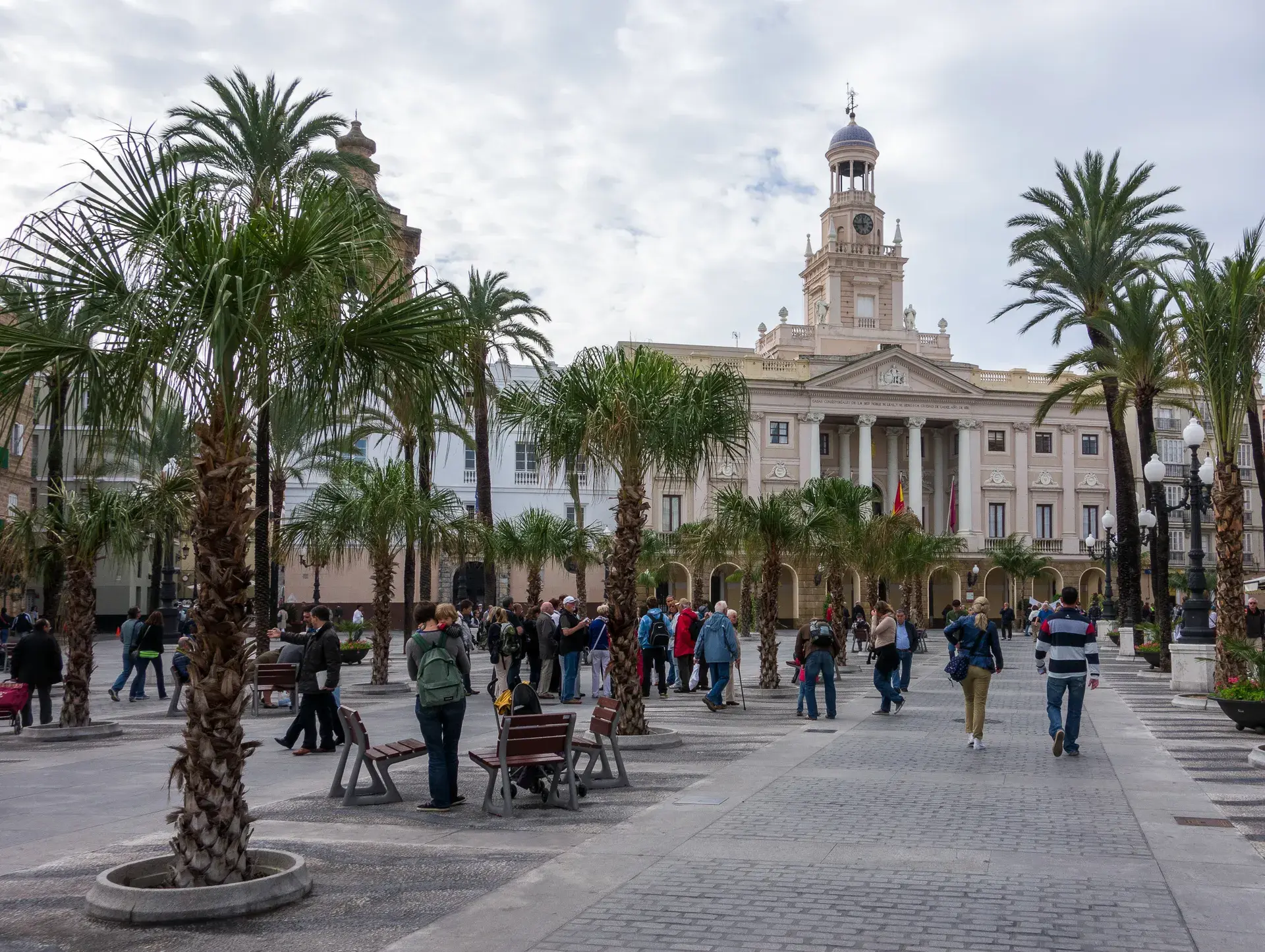
Originally the orchard of the San Francisco convent, the land was acquired by the city following the ecclesiastical confiscations of 1836. It was converted into a public square in 1838 by architects Torcuato Benjumeda and Juan Daura. The plaza is named for General Francisco Espoz y Mina, a celebrated hero of the Spanish War of Independence.
Trees were first planted in 1861, and after a redevelopment in 1897, the square was last remodeled in 1991 to preserve its 19th-century character. Over the years, it has been home to notable figures, including composer Manuel de Falla, who was born at number 3, and the pioneering geologist José Macpherson, born at number 12.
The Museo de Cádiz: A Treasure Trove of History
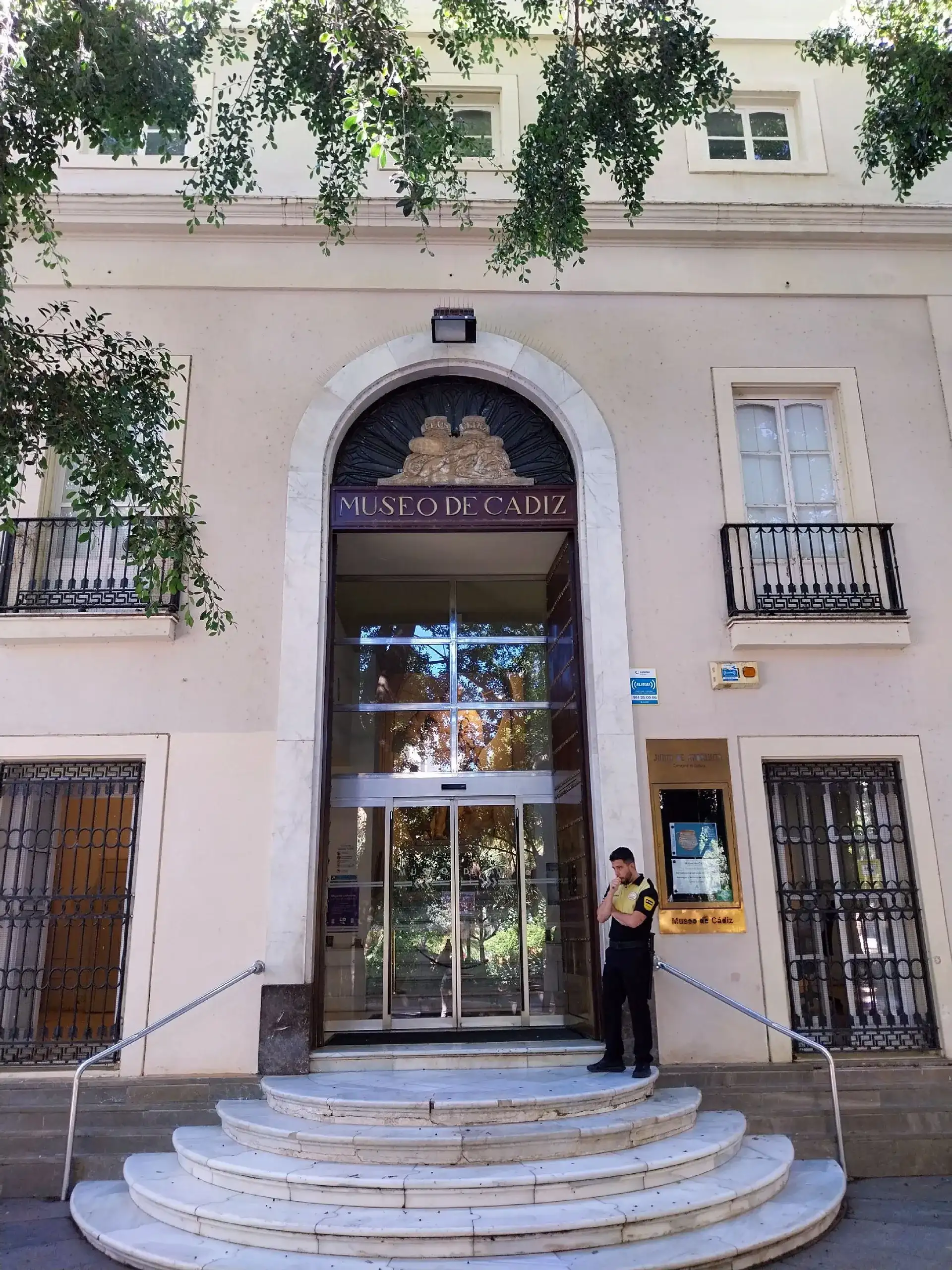
The Museo de Cádiz is housed in a neoclassical building on the plaza that was also part of the former San Francisco convent. Formally established in 1970, it merged the Provincial Museum of Fine Arts (founded 1835) and the Provincial Museum of Archaeology (founded 1877). Its collections began with confiscated art from convents, including significant paintings by Zurbarán.
The archaeology section is renowned for its two Phoenician anthropoid sarcophagi. The first, a male sarcophagus, was discovered in 1887. A second sarcophagus, found in 1980 and long identified as female, was later revealed through research to contain the remains of a man. The museum's three floors cover archaeology, fine arts, and ethnography, which includes local traditions like the Tía Norica puppets.
A Hub of Daily Life and Culture
Today, Plaza de Mina is a cherished green retreat in the historic center. With its shaded walkways, benches, and a central gazebo with the 'Fountain of the Four Seasons', it serves as a social hub for locals and a pleasant spot for visitors. The surrounding cafes are often busy, and the square is a popular place for leisurely strolls.
The Museo de Cádiz continues to be a prominent cultural institution. Since 2011, the adjoining Casa Pinillos, a former bourgeois home, has been integrated into the museum complex, serving as a modern center for exhibitions and cultural events.
Hidden Stories and Tributes
The plaza holds a few unique stories. A statue of General Espoz y Mina once stood in the center of the square but mysteriously disappeared during one of its remodels, and its whereabouts remain unknown. Additionally, every year on November 23rd, a small musical tribute is performed in front of number 3 Plaza de Mina to honor the birthday of composer Manuel de Falla.
FAQ
What is the origin of Plaza de Mina?
Plaza de Mina was originally the orchard of the San Francisco convent. It was transformed into a public square in 1838 after the land was acquired by the city during the Mendizábal Disentailment.
What are the main collections in the Museo de Cádiz?
The Museo de Cádiz has three main sections: Archaeology, featuring two famous Phoenician sarcophagi; Fine Arts, with works by artists like Zurbarán; and Ethnography, which showcases local traditions.
Who is Plaza de Mina named after?
The plaza is named in honor of General Francisco Espoz y Mina, a guerrilla fighter who became a hero and a symbol of Spanish resistance during the War of Independence against Napoleon.
Is there an entrance fee for the Museo de Cádiz?
Entry to the Museo de Cádiz is free for citizens of the European Union, while a small fee is charged for other visitors.