Monument a Narcís Monturiol: Figueres's Submarine Tribute
Standing at the lower end (part baixa) of La Rambla in Figueres, Catalonia, the Monument a Narcís Monturiol honors one of the city's most celebrated historical figures. Unveiled in 1918, this 7.50-metre-tall white limestone monolith was the very first public monument erected in Figueres and holds protected heritage status as a Bé Cultural d'Interès Local (BCIL, reference IPA-19710) in the Inventari del Patrimoni Arquitectònic de Catalunya.
Honoring Figueres's Submarine Pioneer
The monument commemorates Figueres-born inventor Narcís Monturiol (1819–1885), a pioneer of underwater navigation best known for developing the Ictíneo submarines. Monturiol conceived the idea for his submersible vessels after observing coral divers risk their lives in the waters off nearby Cadaqués.
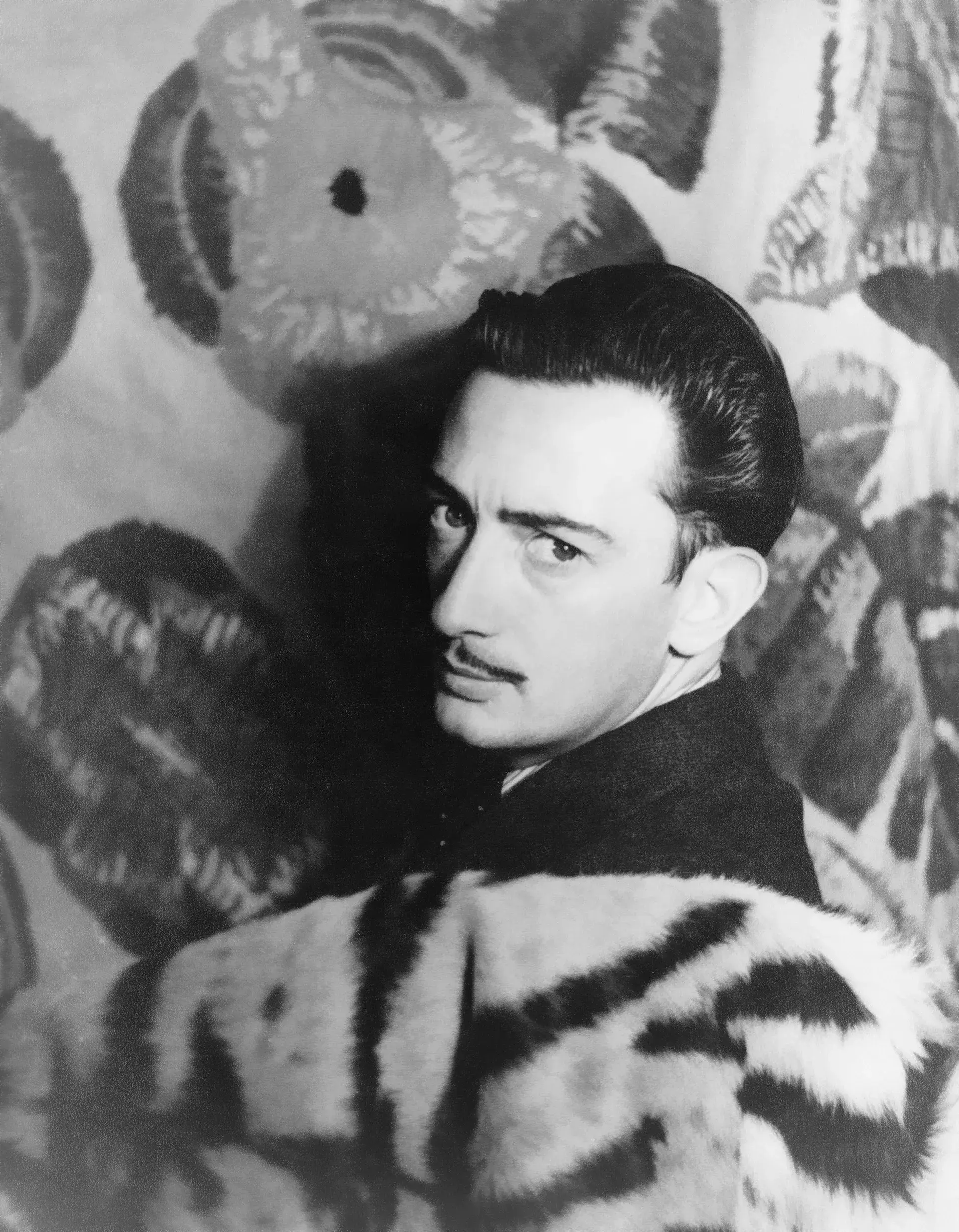
Alongside Salvador Dalí, Monturiol stands as one of Figueres's most internationally notable figures. Together with the surrounding architecture of La Rambla, the memorial reflects the civic pride and prominence of Figueres's bourgeoisie during the late nineteenth and early twentieth centuries.
Noucentisme Design and Sculpture
Crafted in the Noucentisme style, the monument was designed by municipal architect Ricard Giralt Casadesús with sculptural work by Enric Casanovas. Its white limestone pedestal features a classical high-relief portrait of Monturiol framed by a male figure and a female figure.
Crowning the 7.50-metre structure is a bronze female figure kneeling on her left knee while holding olive branches. The monument stands above the lower steps of La Rambla, framed by flower beds, vintage-style street lamps, and the canopy of 26 plane trees planted in the 1860s.
History of Figueres's First Public Monument
Before the monument's completion, an earlier popular subscription had fallen short of funding. The project finally materialized as part of the 1916–1918 reform of La Rambla, led by Ricard Giralt and promoted by Mayor Marià Pujulà and writer-politician Josep Puig Pujades. Giralt and Casanovas won a public design competition that also included a proposal from Figueres architect Pelai Martínez, and a scale model was exhibited at Magatzems Puig Pujades on Carrer de Girona.
Built at a cost of 25,000 pesetas, the monument was financed through private donations and benefit festivals hosted at local cinemas Sala Edison and El Jardí. According to the Figueres Tourism Office and Catalan heritage records, the inauguration took place at 3:00 PM on 2 May 1918—though a 2009 local press article cites 3 May 1918. Surrounding balconies and windows were draped with damasks (domassos), and poet Eduard Marquina dedicated the prose piece A la nova Rambla to the occasion.
Figueres waited more than forty years after 1918 before erecting another monument to a distinguished figure, honoring Pep Ventura. On 2 May 2018, the Monturiol monument's centenary was marked with speeches, sardanes dances, and guided visits to its subterranean foundations.
Hidden Engineering and Placement Debates
Beneath the paved surface of La Rambla runs the buried Riera Galligans stream, which military engineer Antoni Lasauca covered between 1828 and 1840 for hygiene reasons after expropriating an old mill. Because the heavy 7.50-metre limestone monument sits directly above the stream's covered vault, engineers had to construct a massive subterranean support pillar inside the underground channel to keep the vault from collapsing.
The choice of site was not without debate. The monument had originally been intended for Plaça de la Palmera—a square that later received the Pep Ventura monument in 1972—and Catalan writer Josep Pla famously questioned placing Monturiol's memorial on La Rambla, arguing in favor of an alternative location.
La Rambla and Cultural Heritage Today
Following a modern renovation in 2002–2003 led by Carles Teixidor, La Rambla remains the pedestrianized social and commercial heart of Figueres, lined with benches, cafés, and shops. The Monument a Narcís Monturiol serves as a central landmark on guided walking routes through historic Figueres, linking the promenade with the Dalí Theatre-Museum, Dalí's birthplace, the Church of Sant Pere, and the Town Hall.
While the buried stream and support structure normally remain hidden from view, the city of Figueres offers guided underground tours of the Subsòl de la Rambla during the annual Fires i Festes de la Santa Creu in early May, allowing visitors to inspect the 1918 monument's foundations from below.
FAQ
When was the Monument a Narcís Monturiol inaugurated?
Most sources, including the Figueres Tourism Office and Catalan heritage records, state that the monument was inaugurated at 3:00 PM on 2 May 1918, although a 2009 local press article gives the date as 3 May 1918.
Who designed the Monument a Narcís Monturiol?
The monument was designed in the Noucentisme style by municipal architect Ricard Giralt Casadesús, with sculptures created by Enric Casanovas.
Why is there a massive support pillar beneath the monument?
The 7.50-metre white limestone monolith stands directly above the covered vault of the buried Riera Galligans stream, so engineers built a subterranean support pillar inside the stream channel to prevent the vault from collapsing.
Can visitors see the underground foundations of the monument?
Yes. During the Fires i Festes de la Santa Creu in early May, Figueres offers guided underground tours of the Subsòl de la Rambla, allowing visitors to view the 1918 monument's foundations from below.