Casa de Zafra: Nasrid History in Granada's Albaicín
In the heart of Granada's historic Albaicín district stands the Casa de Zafra, a rare and exceptionally preserved example of 14th-century Nasrid domestic architecture. Originally a residence for Muslim nobility, this structure offers a unique window into the daily life of Hispano-Muslim Granada, contrasting with the palatial scale of the Alhambra. Today, it serves as the Albaicín Interpretation Centre, providing context for the surrounding UNESCO World Heritage site.
A History of Survival
The Casa de Zafra was built during the 14th century in the Axares district, a noble quarter of the Nasrid Kingdom. After the Christian conquest of Granada in 1492, the house entered a new chapter. In the 16th century, it was granted to Hernando de Zafra, the trusted secretary of the Catholic Monarchs, Isabella I and Ferdinand II. The house is named for him, not its original Muslim owners.
A pivotal moment in its history came after Hernando de Zafra's death when the house was integrated into the neighboring Convent of Santa Catalina de Siena. This incorporation was the key to its survival, protecting the Nasrid structure from demolition or significant alteration for centuries. The entire convent complex, including the house, was declared a historical and artistic monument in 1931. The Municipality of Granada acquired the house in 1946, and it underwent extensive restorations before opening to the public.
Nasrid Architecture and Rediscovered Art
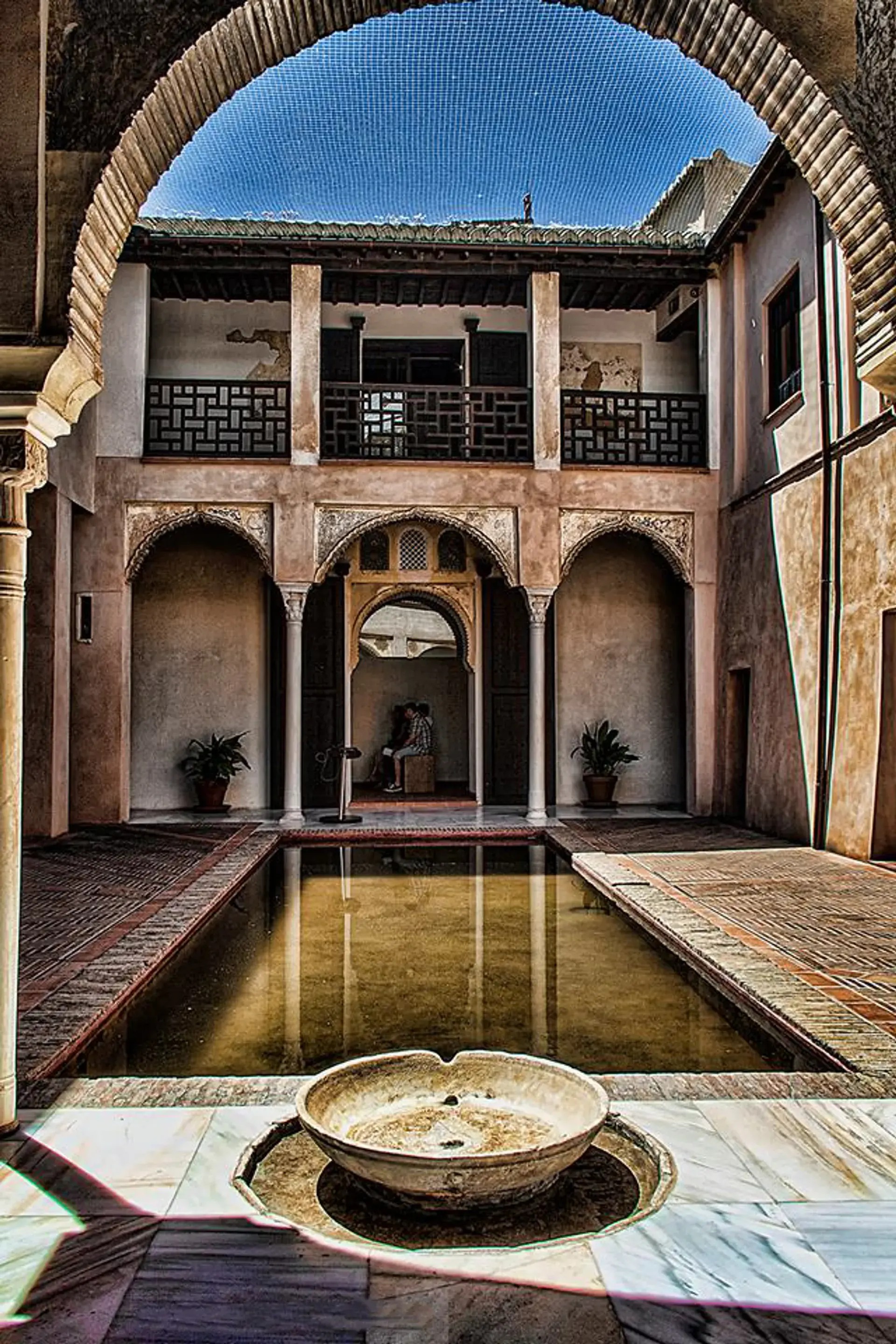
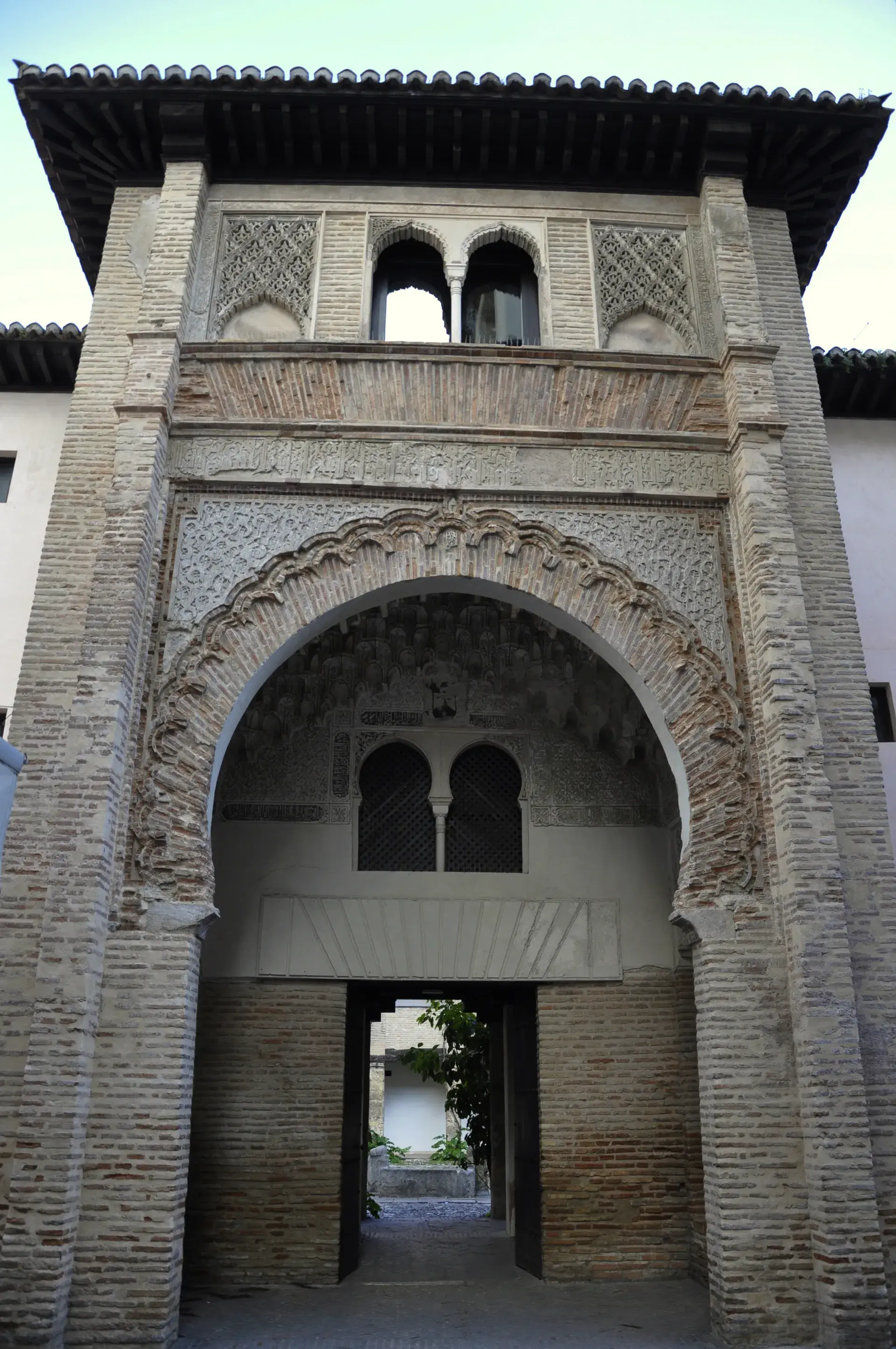
The building is a quintessential example of Nasrid domestic design. Its layout is organized around a central courtyard featuring an 'alberca,' or water pool. This element was both decorative and functional, providing natural cooling and a tranquil atmosphere. The architecture is defined by characteristic horseshoe arches and intricate stucco work.
During restoration efforts in the 20th century, remarkable discoveries were made. Beneath layers of plaster and paint applied after the Christian conquest, original Nasrid artistry was uncovered. These included decorative wall paintings and polychrome 'alfarjes' (intricate wooden ceilings), revealing the home's concealed artistic splendor.
The Albaicín Interpretation Centre
Today, the Casa de Zafra functions as the Centro de Interpretación del Albaicín. It serves as an educational starting point for visitors exploring the historic neighborhood. The center uses models, audiovisual displays, and interactive panels to explain the history, culture, and evolution of the Albaicín.
Exhibits detail domestic life in Nasrid houses, using the building itself as a prime example. While the rooms are not filled with period furnishings, the architecture speaks for itself. From certain vantage points, the house also offers picturesque views of the Alhambra. General admission is a few euros, with free entry offered on Sundays.
FAQ
Why is the Casa de Zafra so well-preserved?
The Casa de Zafra's remarkable state of preservation is because it was incorporated directly into the structure of the Convent of Santa Catalina de Siena after the 16th century, which protected the original Nasrid building from being significantly altered or demolished.
Who is the Casa de Zafra named after?
The house is named after Hernando de Zafra, the secretary to the Catholic Monarchs, who received the property as a grant in the 16th century following the Christian conquest of Granada. It is not named after its original Nasrid owners.
What is the Casa de Zafra used for today?
It currently serves as the Albaicín Interpretation Centre, a museum dedicated to explaining the history, culture, and urban evolution of Granada's Albaicín neighborhood, which is a UNESCO World Heritage site.
What can visitors see at the Casa de Zafra?
Visitors can admire the 14th-century Nasrid architecture, including a central courtyard with a pool, horseshoe arches, and original stucco work. The center also features exhibits with models and interactive displays about the Albaicín's history.