Royal Chapel of Granada: Tomb of the Catholic Monarchs
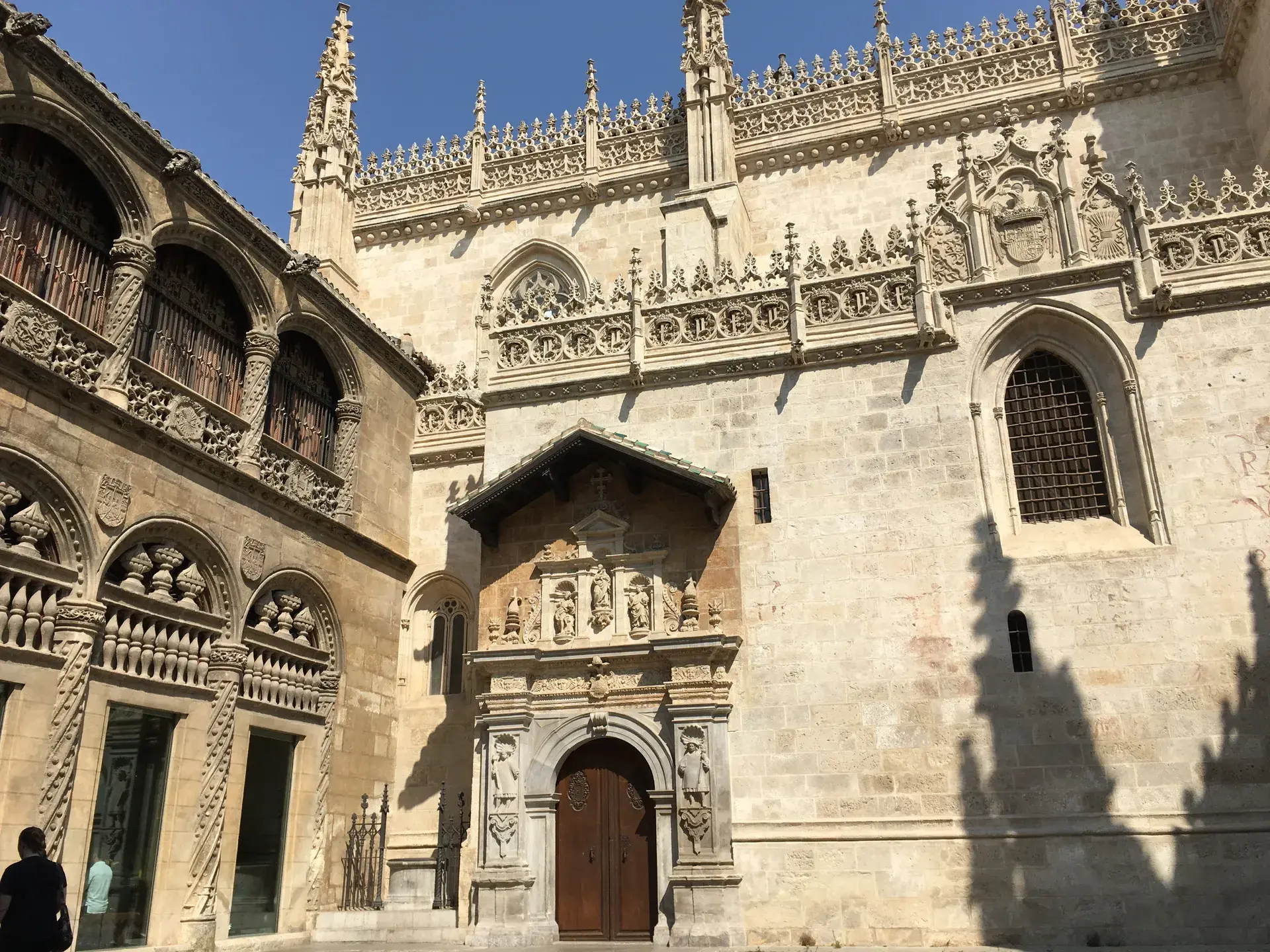
The Royal Chapel of Granada stands as a monumental testament to a pivotal era in Spanish history. Commissioned by the Catholic Monarchs, Isabella I of Castile and Ferdinand II of Aragon, this impressive 16th-century building was designed to be their final resting place. Its construction symbolizes the culmination of the Christian Reconquista and the establishment of a unified Spain, forever linking the city of Granada with the nation's foundational rulers.
A Royal Decree and Construction
Following the conquest of Granada in 1492, the monarchs formalized their wish to be buried in the city with a royal decree on September 13, 1504. Construction on the chapel, built on the site of the former Great Mosque, began in 1505 and was completed in 1517. The principal architect, Enrique Egas, designed the structure in the prevailing Isabelline Gothic style.
Queen Isabella died in 1504 before construction was finished and was temporarily interred in the Convent of San Francisco in the Alhambra. In 1521, her grandson, Emperor Charles V, honored his grandparents' wishes by ordering the transfer of their remains to the newly completed chapel.
The Royal Tombs and Crypt
At the heart of the chapel are the magnificent tombs of Spain's most influential royals. The mausoleum holds the remains of Isabella I of Castile, Ferdinand II of Aragon, their daughter Joanna I of Castile (known as Juana la Loca), her husband Philip I of Castile (Philip the Handsome), and their young grandson, Infante Miguel de Paz.
Elaborate marble monuments, sculpted by Italian artist Domenico Fancelli and Spanish sculptor Bartolomé Ordóñez, command the center of the transept. However, these are ornate cenotaphs. In a surprising contrast that honors Queen Isabella's request for an austere burial, the actual remains are housed in simple lead coffins within a stark crypt below.
Art and Architectural Highlights
As the largest funerary chapel in Spain, the Royal Chapel of Granada is rich with artistic and architectural details. The High Altarpiece, created by Felipe Bigarny, is considered one of Spain's first and finest examples of the Plateresque style. An inscription chronicling the accomplishments of the Catholic Monarchs, including the conquest of Granada, runs along a distinctive blue frieze within the chapel.
The Chapel Today
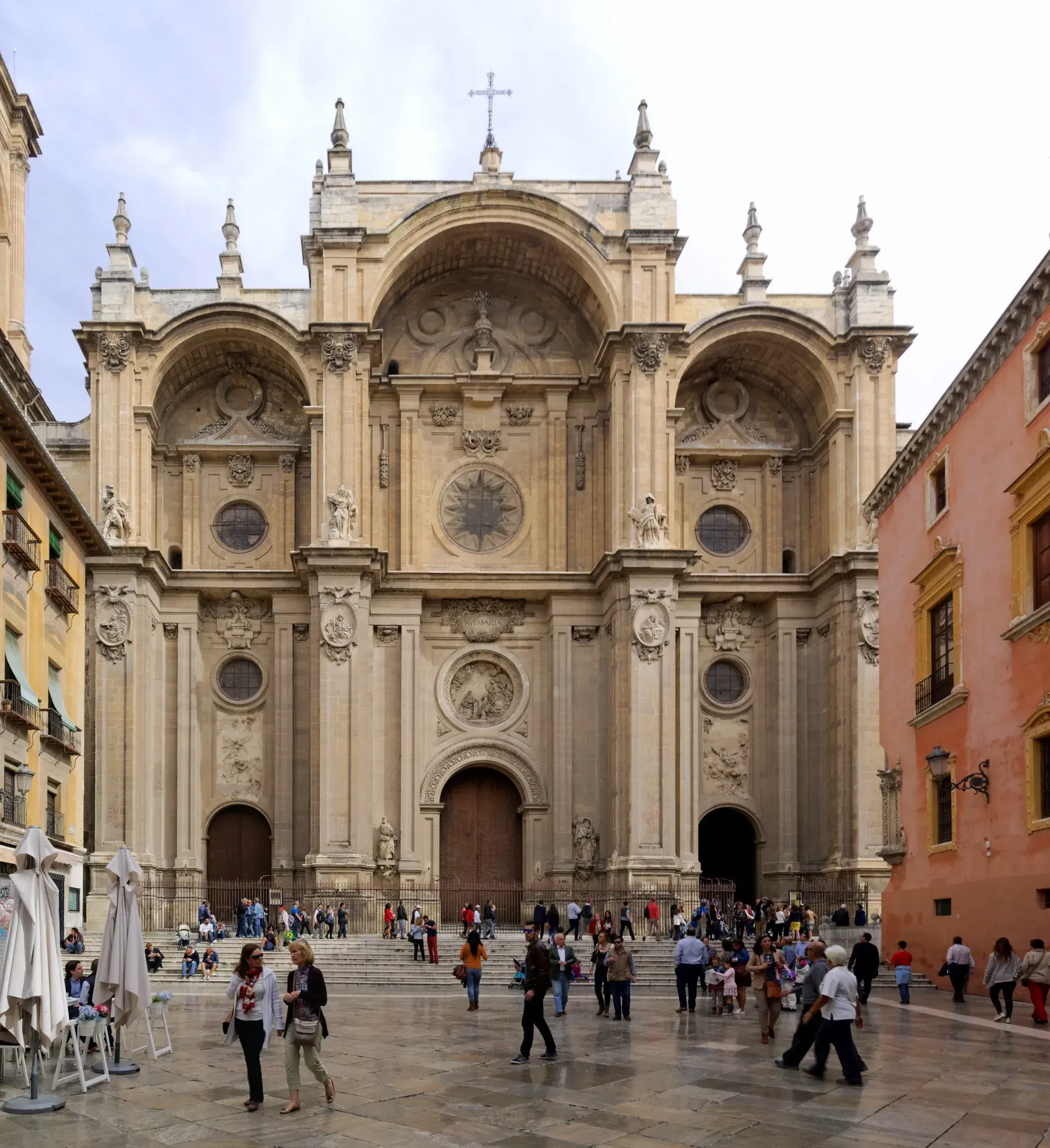
The Royal Chapel remains an active site for Catholic worship and a significant cultural landmark. It is part of a larger monumental complex that includes the Granada Cathedral. Adjacent to the chapel is the Sacristy-Museum, which displays a collection of personal items belonging to the monarchs, including Queen Isabella's crown and scepter, King Ferdinand's sword, and a collection of Flemish paintings. Visitors should note that photography and video recording are generally prohibited inside.
FAQ
Who is buried in the Royal Chapel of Granada?
The Royal Chapel of Granada is the final resting place for the Catholic Monarchs, Isabella I of Castile and Ferdinand II of Aragon; their daughter, Joanna I of Castile; her husband, Philip I of Castile; and their grandson, Infante Miguel de Paz.
What is the difference between the tombs and the crypt in the Royal Chapel?
The elaborate marble tombs in the main chapel are decorative cenotaphs. The actual remains of the monarchs are interred in simple lead coffins in an austere crypt located directly beneath the tombs, reflecting Queen Isabella's wish for a humble burial.
When was the Royal Chapel of Granada built?
Construction for the Royal Chapel of Granada took place between 1505 and 1517. It was commissioned by the Catholic Monarchs following a royal decree they issued in 1504.
What can be seen in the Sacristy-Museum?
The Sacristy-Museum displays personal artifacts of the Catholic Monarchs, including Queen Isabella's crown, scepter, and chest, King Ferdinand's sword, and a collection of Flemish paintings and Italian artworks.