Estatua del Cenachero: Málaga's Iconic Monument
An Emblem of Málaga’s Maritime Heritage
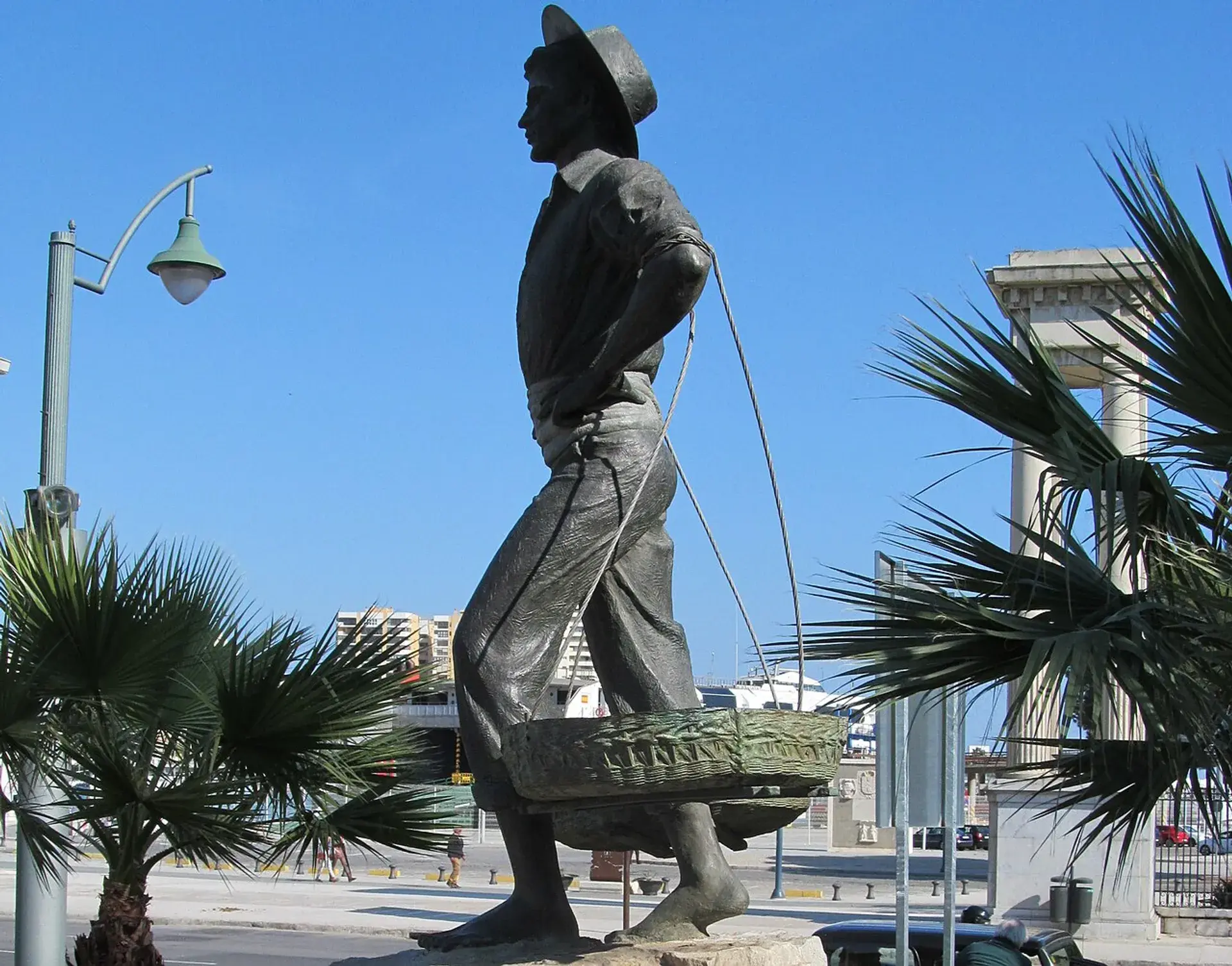
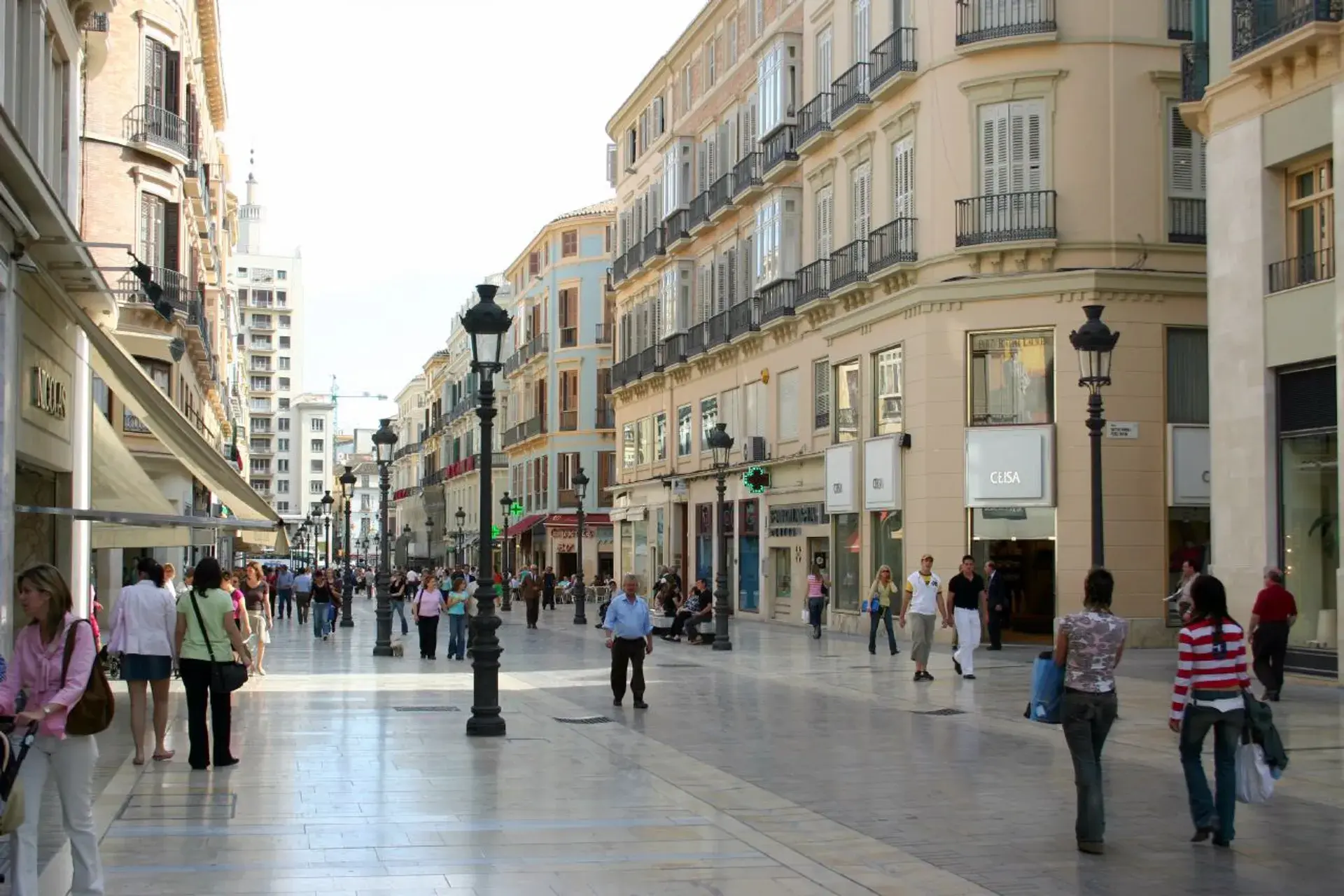
The Estatua del Cenachero is a bronze civic monument situated in Plaza de la Marina, standing at the junction connecting Calle Marqués de Larios, Paseo del Parque, and the Port of Málaga near the Palmeral de las Sorpresas promenade. Located outside the municipal tourism office, the monument honors the cenachero, the traditional itinerant fish vendor who once distributed fresh catches across the city. Along with the handmade jasmine blossom display (biznaga) and the anchovy (boquerón), the cenachero is recognized as one of the primary cultural symbols defining traditional Malagueño identity.
The Tradition of the Cenachero
Throughout the nineteenth and early twentieth centuries, prior to motorized transport and domestic refrigeration, cenacheros served as an essential connection between the sea and local households. Vendors purchased fish directly from fishing crews hauling beach seines (el copo) along the shoreline.
Carrying catches of anchovies (boquerones vitorianos), sardines, horse mackerel (jureles), and whitebait (chanquetes), these vendors traveled barefoot or bare-legged straight from the sand, jogging several kilometers into urban neighborhoods to sell door-to-door. With the mid-twentieth-century introduction of urban sanitary regulations, home refrigeration, and municipal markets, the trade steadily disappeared from city streets.
Sculptural Design and Creation
Created in the 1960s during the redevelopment of Plaza de la Marina, the sculpture was commissioned under Mayor Francisco García Grana and sculpted by Andalusian artist Jaime Fernández Pimentel. Pimentel drew upon childhood memories of a vendor named Diego who walked down Calle Carretería, while employing Manolo González Carabantes ("El Petaca"), a fisherman from Almayate, as the live model for the figure's posture and clothing.
The bronze figure is clad in traditional working garments, including a wide-brimmed hat, an open-collared shirt, a waist sash (fajín), and rolled trousers. Portrayed mid-stride, the figure balances two shallow woven esparto grass baskets (cenachos) hooked over arched forearms, capturing the physical strain and flexed neck muscles of the vendor. On the stone pedestal below, a bronze plaque features verses by Málaga poet Salvador Rueda celebrating the vendor's call and physical exertion.
Replicas, Relocations, and Public Art Connections
The statue forms part of an informal trio of mid-century bronze civic works by Pimentel depicting traditional local archetypes, alongside El Biznaguero in the Pedro Luis Alonso Gardens and the donkey Platero in Parque de Málaga.
Although initially installed in Plaza de la Marina, the monument was temporarily relocated to Paseo de la Farola near the lighthouse in 1989. It returned to Plaza de la Marina in 2004. An official cast replica of the sculpture was also presented by the City of Málaga to its American sister city, Mobile, Alabama, where it stands in Mobile's Malaga Plaza.
FAQ
Who created the Estatua del Cenachero?
The statue was sculpted by Andalusian artist Jaime Fernández Pimentel in the 1960s, commissioned under Mayor Francisco García Grana.
What is a cenachero?
A cenachero was an itinerant fish vendor in Málaga who purchased fish directly from beach seines and ran barefoot or bare-legged through city neighborhoods, carrying his wares in woven esparto grass baskets balanced on his arms.
Where is the replica of the Estatua del Cenachero located?
A cast replica of the monument was donated by the City of Málaga to its sister city of Mobile, Alabama, where it is installed in Malaga Plaza.
Has the statue always been in Plaza de la Marina?
While originally placed in Plaza de la Marina in the 1960s, the monument was moved to Paseo de la Farola near the lighthouse in 1989 before returning to Plaza de la Marina in 2004.