Stora Hamnkanalen: Gothenburg's Historic Dutch Canal
To build a major trading hub on marshy ground, Sweden's king had to borrow from the undisputed masters of water management: the Dutch. Stora Hamnkanalen (The Great Harbour Canal) serves as the central historic waterway defining Gothenburg's core. Dug between 1620 and 1622, it anchors the 17th-century orthogonal street plan that earned the city early comparisons to Dutch canal cities.
A Centuries-Old Commercial Lifeline
Historically operating as Gothenburg’s primary port for more than two centuries, the canal was a bustling commercial artery. Cargo ships originally sailed directly into the waterway to unload at quay-side markets, while town leaders and wealthy merchants maintained private moorings.
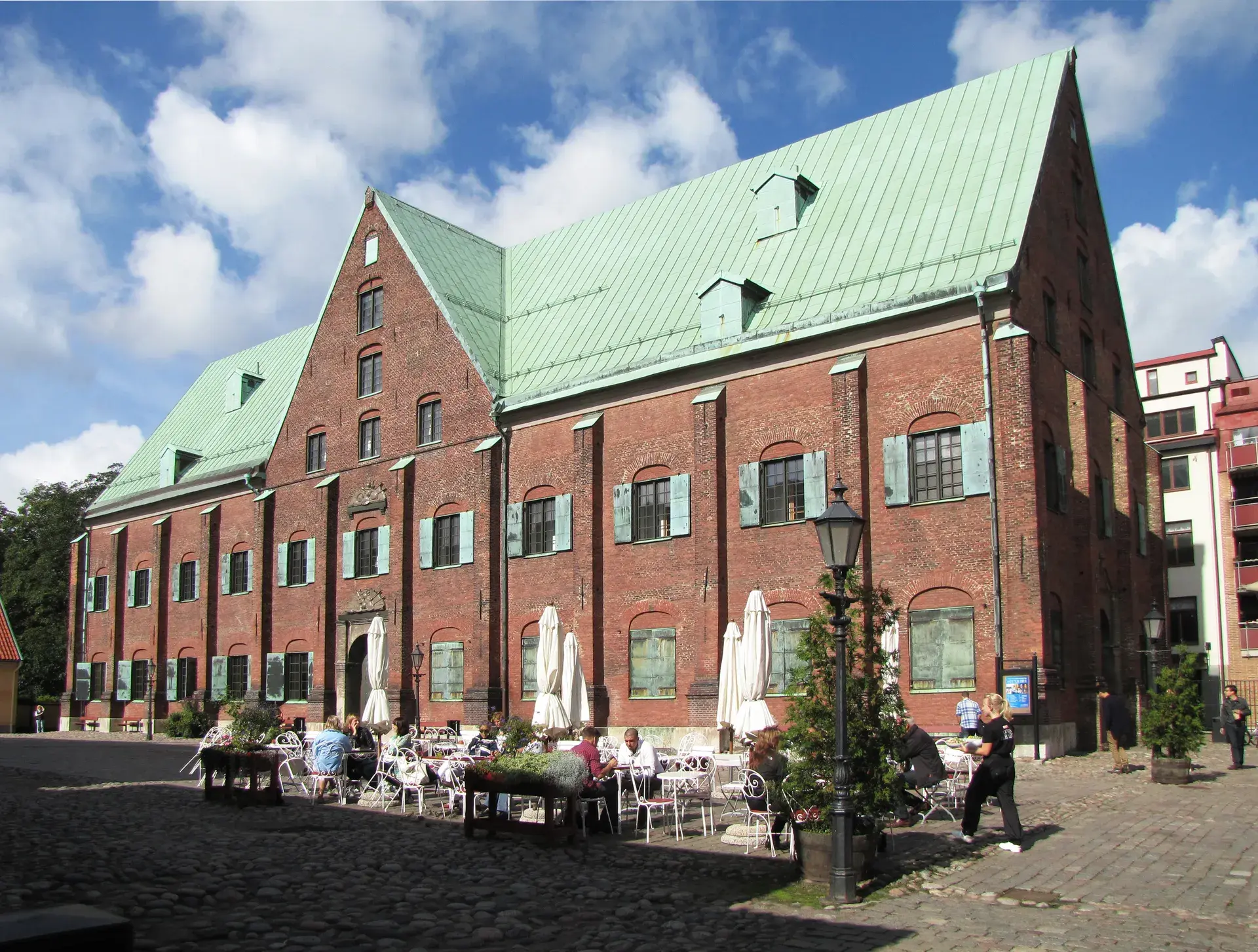
During the 18th century, the Swedish East India Company relied on the canal. Because their massive East Indiaman vessels had to anchor downriver at Klippan, smaller barges ferried tea, porcelain, silk, and spices up Stora Hamnkanalen to the company's headquarters at Ostindiska Huset, completed in 1762.
The French Connection and Modern Transition
Near the canal's entrance at Packhuskajen sits the French Site (Franska Tomten). In 1784, this warehouse area was granted to France as a duty-free zone to pay for Sweden's acquisition of the Caribbean island of Saint Barthélemy.
Commercial barge traffic eventually ceased in the early 20th century. Older bridges were replaced with fixed, non-opening low structures, and larger deepwater harbour quays were constructed along the Göta älv.
Sightseeing and Low Bridges
Today, Stora Hamnkanalen is navigated primarily by Gothenburg's open-top Paddan tour boats and recreational kayakers. The route is famous for its notoriously low bridge clearances, which force sightseeing boat passengers to physically crouch beneath the stone and iron structures.
One uniquely low bridge is nicknamed "The Cheese Slicer" (Osthyveln). At this crossing, boat guides traditionally instruct passengers to crouch directly on the floor to avoid being hit.
A Heritage Transit Corridor
Flanked directly by Norra Hamngatan and Södra Hamngatan, the canal reflects the surrounding neoclassical and 18th-century stone facades in its water. It functions as an urban transit corridor crossed by pedestrian, road, and tram bridges linking key areas like Brunnsparken and Stenpiren.
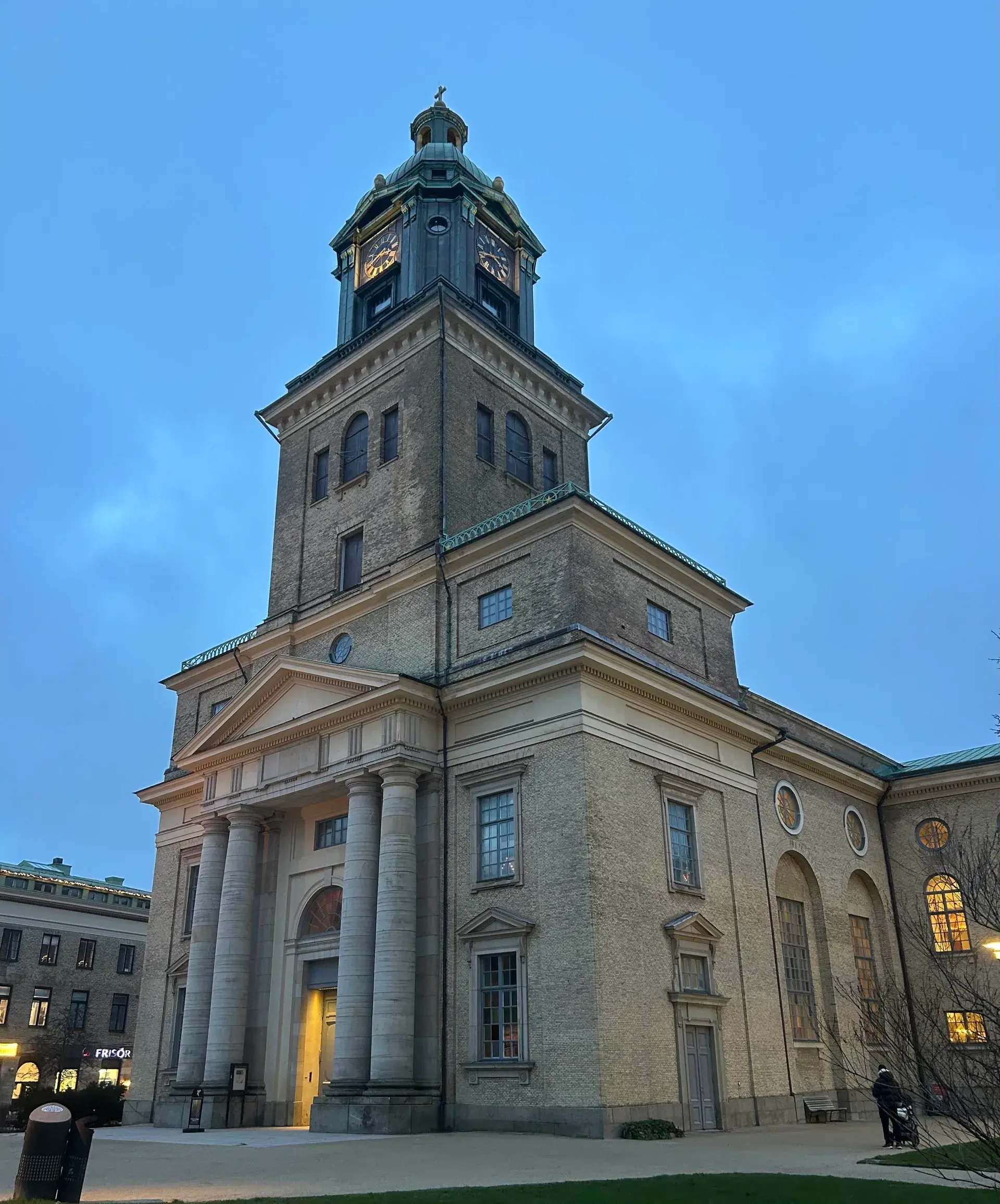
Important heritage buildings line its banks, including the Museum of Gothenburg (housed in the former East India House), the German Church (Christinae kyrka), and the Town Hall complex near Gustaf Adolfs Torg.
FAQ
Why was Stora Hamnkanalen built?
When King Gustav II Adolf founded Gothenburg in 1621, he commissioned Dutch engineers to build the canal grid to navigate the marshy ground. The canal served as the city's primary port and commercial artery for over two centuries.
What is 'The Cheese Slicer' on Stora Hamnkanalen?
'The Cheese Slicer' (Osthyveln) is the nickname for a famously low bridge crossing the canal. Clearances are so tight that sightseeing boat guides instruct passengers to crouch on the floor to pass safely beneath it.
What historic buildings can be seen along Stora Hamnkanalen?
The canal is flanked by significant heritage buildings, including the Museum of Gothenburg (located inside the 1762 East India House), the German Church (Christinae kyrka), and the Town Hall complex.