Mercery Lane: Canterbury's Historic Pilgrim Path
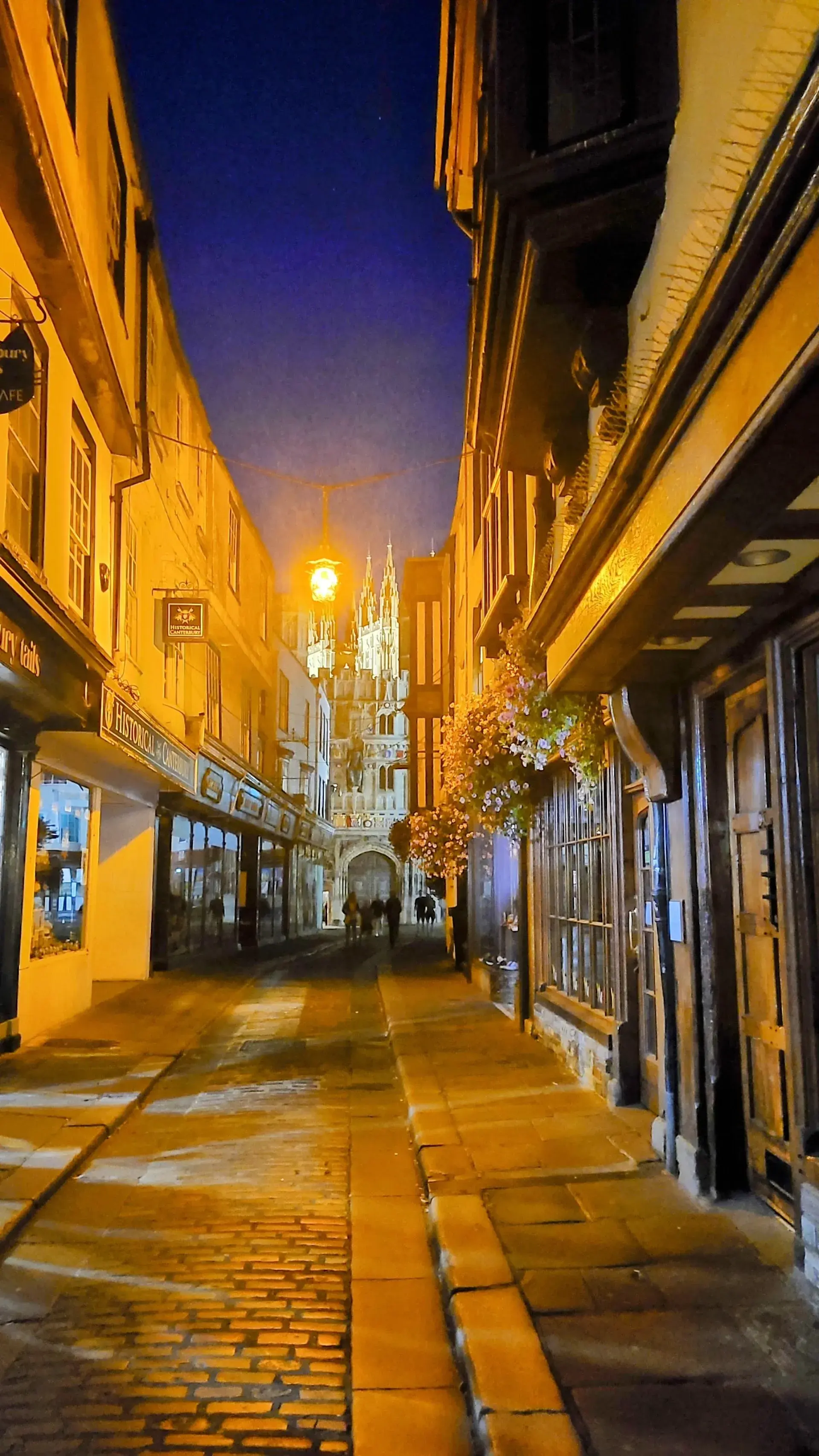
Mercery Lane is a historic and picturesque thoroughfare in Canterbury, connecting the High Street to the Buttermarket and the magnificent Christ Church Gateway of Canterbury Cathedral. This narrow, cobbled lane offers a dramatic approach to the cathedral, embodying the city's rich medieval heritage.
The Medieval Pilgrim's Route
In the medieval period, Mercery Lane served as the primary approach for countless pilgrims journeying to the shrine of Thomas Becket in Canterbury Cathedral. The lane's prosperity was driven by these religious journeys, particularly after the Black Death. Its name derives from the "mercers," or merchants, who lined the street trading in textiles and other goods. A mercer named Solomon was recorded living on the corner in the mid-12th century.
Pilgrims could purchase essential souvenirs, such as leaden brooches depicting Saint Thomas Becket's head or ampulles of water from Becket's Well. These items served as tangible memorials of their visit. Even King John of France is noted to have purchased memorials from the stalls on his return from captivity.
Architecture and Historic Inns
The lane is characterized by its timber-framed buildings, some of which are Grade II listed. A distinctive feature is the projecting upper stories, typical of medieval construction, which make the buildings on either side appear to almost touch, as the lane has retained its medieval width.
A central feature was the Chequers Inn, a large pilgrim hostel established by Christchurch Priory in 1392. It could accommodate up to 100 less wealthy pilgrims in a dormitory, with private suites for others. The inn is famously referenced in Geoffrey Chaucer's "The Tale of Beryn." A fire in 1865 destroyed the inn's western wing. Another hidden feature of the lane is the 13th-century vaulted stone cellars extending 30 feet underground beneath the building formerly occupied by Boots the Chemist.
Mercery Lane Today
Today, Mercery Lane remains a vibrant, pedestrianized street that blends historical charm with modern commerce. It is one of the most photographed locations in Canterbury, celebrated for its cobbled surface and preserved medieval character.
The historic buildings now house a variety of retail establishments, including antique shops, trendy boutiques, and souvenir sellers. Prominent brands like Pret A Manger, Fat Face, and Cornish Bakery operate from these sensitively altered historic premises, which often feature ground-floor retail with residential accommodation above. Historic pubs, such as The Thomas Becket, continue to cater to locals and tourists.
FAQ
What is the origin of the name Mercery Lane?
The name "Mercery" comes from the medieval period when the street was a center for merchants, known as mercers, who traded in textiles and other mercantile goods.
What was the Chequers Inn on Mercery Lane?
The Chequers Inn, built in 1392, was a large hostel that provided accommodation for pilgrims visiting Canterbury Cathedral. It could house up to 100 people in its dormitory and is mentioned in Chaucer's "The Tale of Beryn."
Why is Mercery Lane so narrow?
Mercery Lane has remarkably retained its original medieval width. This narrowness, combined with the projecting upper stories of its timber-framed houses, makes the buildings on either side appear to almost touch.
What can be found on Mercery Lane today?
Today, Mercery Lane is a bustling pedestrian street with a mix of shops, including modern brands, antique sellers, souvenir shops, and pubs, all housed within its historic timber-framed buildings.
Discover Canterbury like never before
Dive into Canterbury hidden stories and secret spots with Ciceru interactive tours.
Explore tour
Audioguide
Quizzes
Maps
Solo
Couples
Groups & families

© Photo by Vera r via Google Maps · Google Places