Chester's Ancient Roman Columns: A Roman Legacy
The ancient Roman columns and architectural fragments visible in Chester offer a tangible connection to the city's imperial past as the fortress of Deva Victrix. However, many of these impressive stone remnants are not in their original locations. The majority are displayed in the Chester Roman Gardens, a public space intentionally designed in the 20th century to showcase these salvaged pieces of history.
The Founding of Deva Victrix
Chester's Roman history began with the establishment of the legionary fortress Deva Victrix around 70-79 AD, under the reign of Emperor Vespasian. Strategically positioned on a sandstone bluff overlooking the River Dee, the fortress was crucial for Roman campaigns against local tribes. Construction was initiated by Legio II Adiutrix, though the fortress is more famously associated with Legio XX Valeria Victrix, which was based there for over 300 years. Initially built from timber, the fortress was later reconstructed in stone, a testament to its long-term importance. The Roman presence ended with their withdrawal from Britain in the late 4th or early 5th century.
A Collection of Fragments
The columns and artifacts displayed today were not discovered in their current arrangement. Instead, they are a collection of fragments unearthed during 19th-century excavations and repairs to the city's medieval walls. For centuries, Roman stonework had been repurposed as building material. These salvaged pieces originated from some of Deva's most important structures, including the main baths and the legionary headquarters. The grand scale of these original buildings was notable, as the Deva Victrix fortress was about 20 percent larger than other Roman fortresses in Britain, leading some historians to theorize it was intended to be a provincial capital.
Creation of the Roman Gardens
The Chester Roman Gardens were formally created in 1949 by Charles Greenwood and Graham Webster, who was the curator of the Grosvenor Museum at the time. The project was part of Chester's contribution to the 1951 Festival of Britain and involved arranging the collected Roman fragments in a picturesque park setting. The site itself has a more recent industrial history; from 1781 until 1917, it was occupied by a clay tobacco-pipe factory. The gardens underwent a redesign in 2000 to enhance the visitor experience.
Chester's Roman Remnants Today
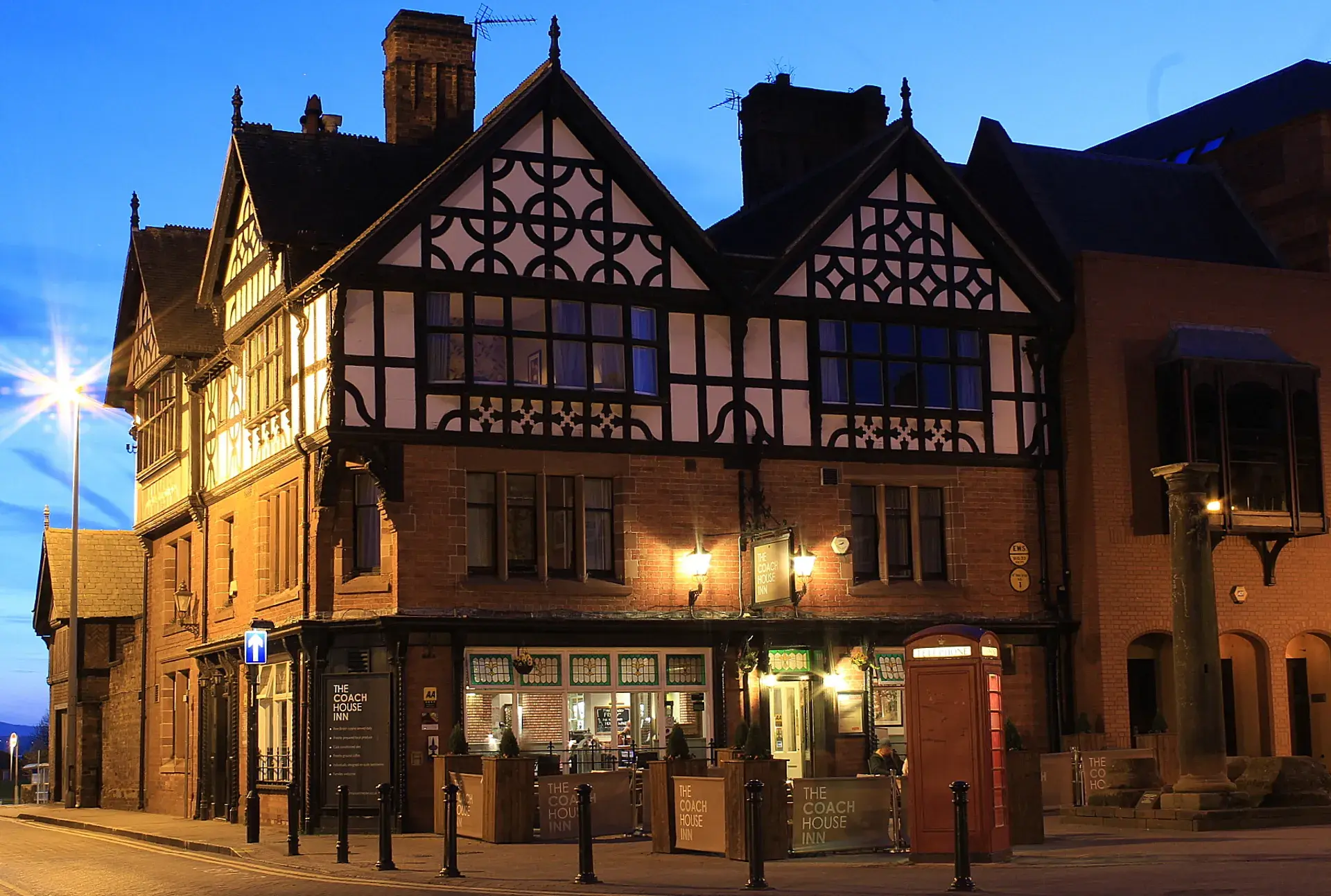
Today, the Roman Gardens serve as a tranquil public park where people can view the ancient ruins. Information boards provide context for the various artifacts on display. The space is used by locals for picnics and as a scenic route to the River Dee, and it also hosts summer events like outdoor cinema screenings. Beyond the gardens, other Roman column bases are displayed outside the Coach House Inn on Northgate Street, and more fragments are visible through a glass floor in the basement of a Pret a Manger on the same street.
FAQ
Are the Roman columns in Chester in their original location?
No, the Roman columns and fragments displayed in Chester's Roman Gardens are not in their original positions. They were collected from various city excavations and reassembled in the gardens, which were created in 1949.
When was the Roman fortress in Chester built?
The Roman fortress, known as Deva Victrix, was founded around 70-79 AD during the reign of Emperor Vespasian. Construction was started by the Legio II Adiutrix and later occupied by the Legio XX Valeria Victrix.
Where did the fragments in the Roman Gardens come from?
The fragments were salvaged from various 19th-century excavations around Chester. Many were found reused as building material within the medieval city walls and originated from important Roman structures like the main baths and legionary headquarters.
What was on the site of the Roman Gardens before they were created?
Before the Chester Roman Gardens were established in 1949, the site was home to a clay tobacco-pipe factory that operated from approximately 1781 until 1917.