Chester Castle: Norman Stronghold & Neoclassical Gem
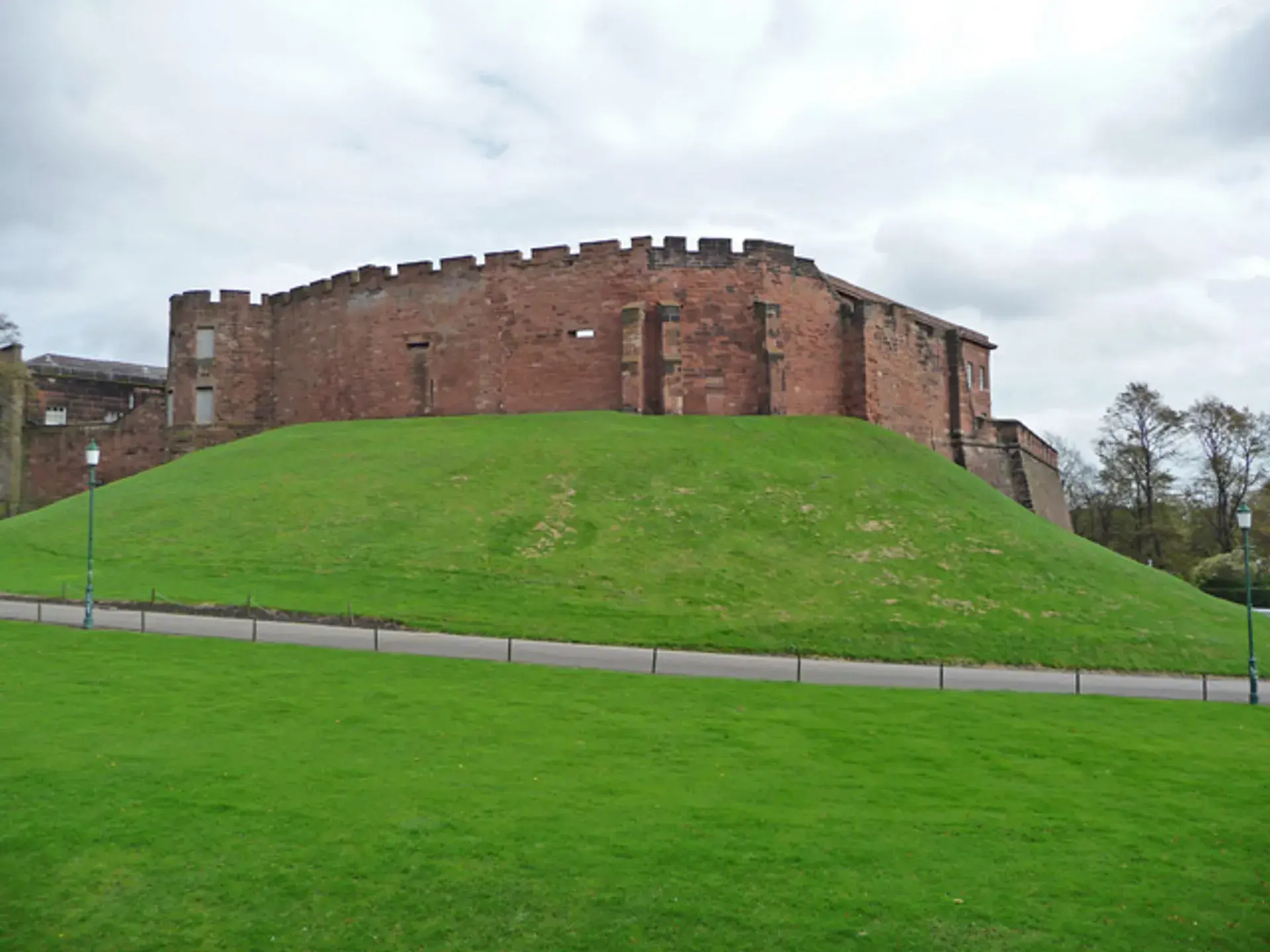
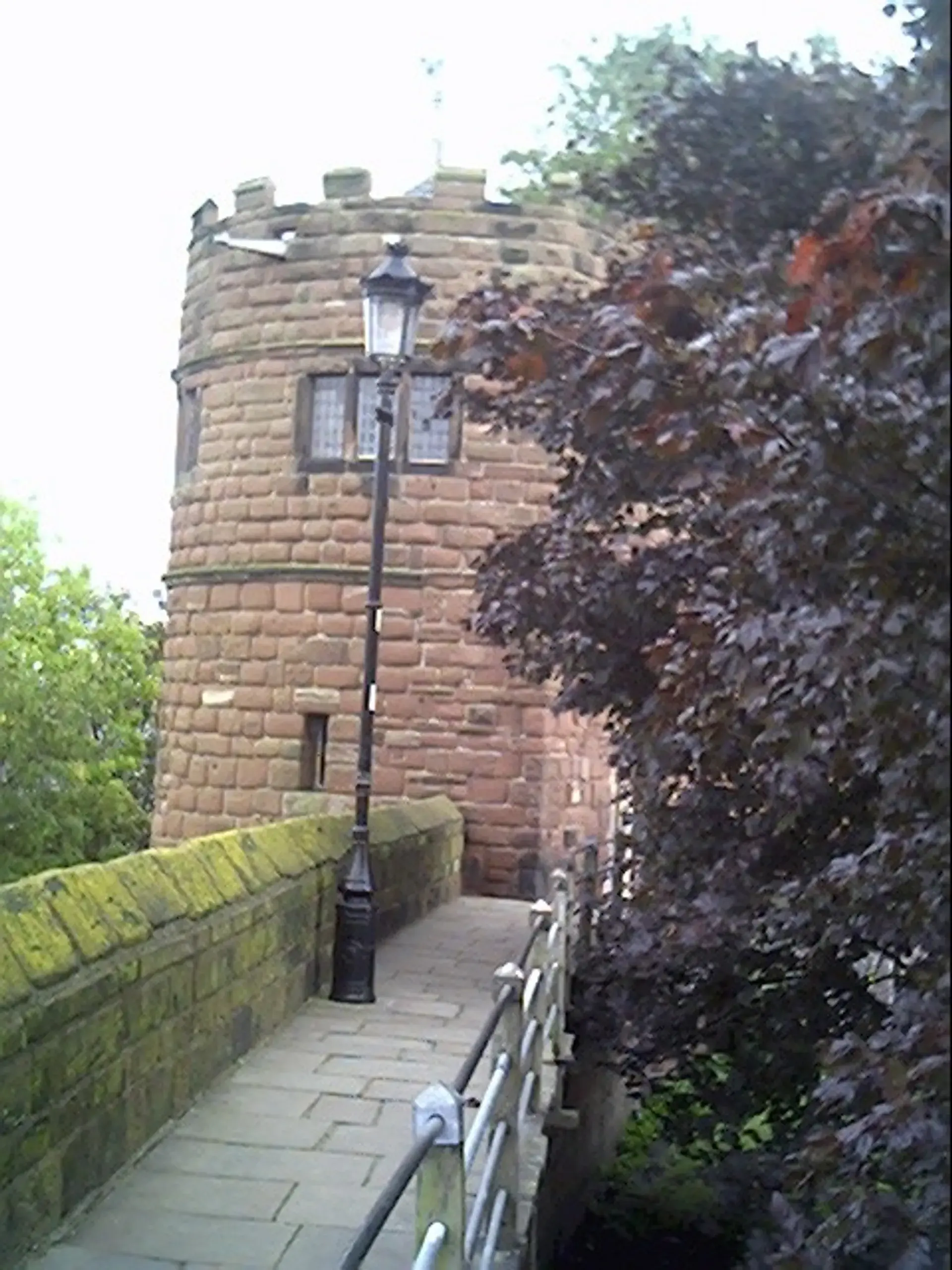
Chester Castle stands as a testament to a millennium of English history, a dramatic mix of medieval remnants and 19th-century reconstruction. Anchored by the imposing Agricola Tower and robust Castle Walls, the site showcases its evolution from a Norman fortress to a grand administrative center.
Norman Origins and Royal Power
Founded in 1070 by William the Conqueror, Chester Castle began as an earthwork motte-and-bailey fortress designed to enforce Norman rule after a rebellion in Mercia. To build it, half of Chester's Saxon houses were razed. In 1071, William's nephew, Hugh d'Avranches, became the first Earl of Chester and took command of the stronghold.
The castle's initial timber structures were gradually replaced with stone. Significant rebuilding began around 1189 under Ranulf de Blondeville, with the Agricola Tower emerging in the 12th century. The castle's strategic importance grew after Henry III acquired it in 1237. It became a primary base for Edward I's conquest of Wales between 1275 and 1301, during which he spent over £1,400 on improvements.
A Stage for History
Throughout the centuries, Chester Castle played a role in major national events. During the English Civil Wars (1642–46), it served as the Royalist headquarters for John, Lord Byron, enduring a lengthy siege by Parliamentarian forces. The castle also served as a prison for notable figures, including Eleanor Cobham, Duchess of Gloucester, who was held here in 1442 for conspiring against King Henry VI. In 1399, the future Henry IV brought the deposed Richard II to the castle.
In 1696, a mint was established on the grounds and managed by the renowned astronomer Edmund Halley. Later, in 1777, a critical report by prison reformer John Howard, who described the gaol's conditions as akin to the 'Black Hole of Calcutta', spurred significant change.
The Greek Revival Transformation
From 1788 to 1822, architect Thomas Harrison dramatically reshaped the castle's outer bailey. Having studied in Rome, Harrison implemented a grand neoclassical design, which is now considered a significant example of the Greek Revival style in England. His work included a new prison, Shire Hall, barracks, and an armoury.
The monumental entrance to this new complex, known as the Propylaeum, was designed to mimic the grand entrance to the temple complex on the Acropolis in Athens, symbolizing the site's judicial and administrative authority.
The Agricola Tower and Chapel
The 12th-century Agricola Tower is one of the earliest surviving parts of the medieval castle. Inside, it houses the Chapel of St Mary de Castro, which contains rare and precious wall paintings dating to the 13th century. In a surprising turn, the sacred chapel was repurposed as a gunpowder store in the early 19th century, and a new doorway was crudely cut through its wall to move barrels.
Chester Castle Today
Chester Castle continues to serve judicial and administrative functions. The neoclassical Shire Hall now houses the Crown Courts, and the former barracks block is home to the Cheshire Military Museum. The medieval Agricola Tower and its chapel are accessible to the public through guided tours during the season. The chapel remains consecrated and serves as the regimental chapel of the Cheshire Regiment. After the military's withdrawal in 1999, the castle gates were opened for more regular public access in 2017.
FAQ
When was Chester Castle built?
Chester Castle was founded as an earthwork fortress in 1070 by order of William the Conqueror. Significant rebuilding in stone, including the Agricola Tower, began in the 12th century.
Who was the architect of the neoclassical buildings at Chester Castle?
Thomas Harrison was the architect responsible for the extensive neoclassical redesign of the castle's outer bailey between 1788 and 1822. His work is a notable example of the Greek Revival style.
What is the Chapel of St Mary de Castro?
The Chapel of St Mary de Castro is located within the 12th-century Agricola Tower. It is known for its rare 13th-century wall paintings and remains a consecrated chapel for the Cheshire Regiment.
Can you visit Chester Castle?
Yes, parts of the castle are open to the public. The medieval Agricola Tower and its chapel can be visited on guided tours. The former barracks building now contains the Cheshire Military Museum.