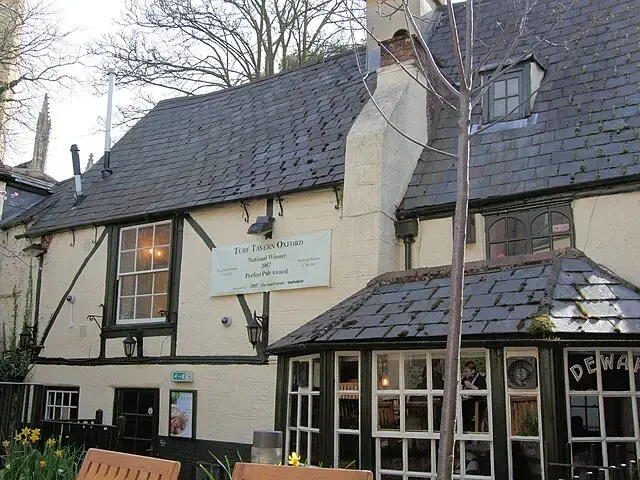
Turf Tavern Oxford: History of the Hidden Inn
Oxford’s Hidden Medieval Pub
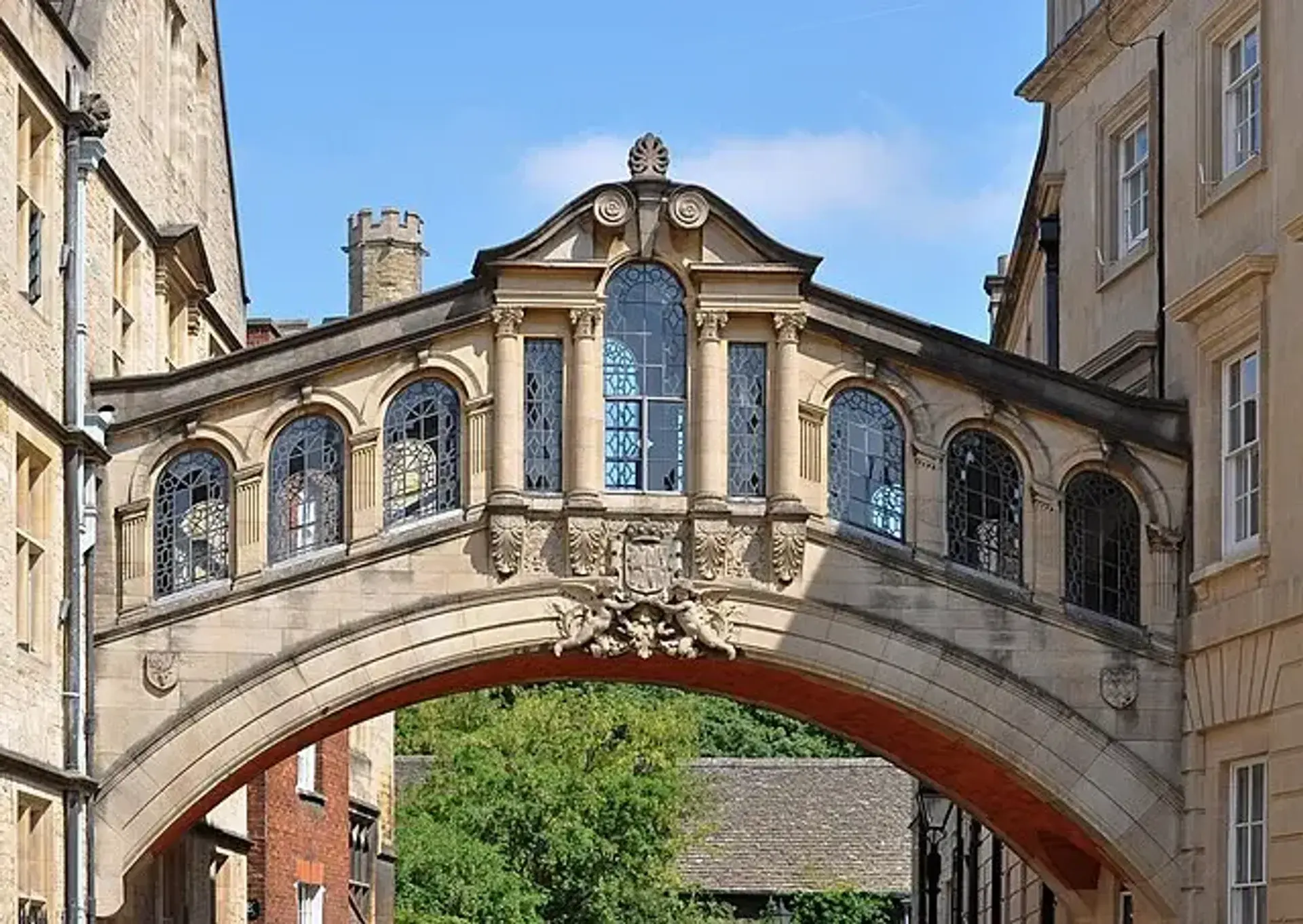
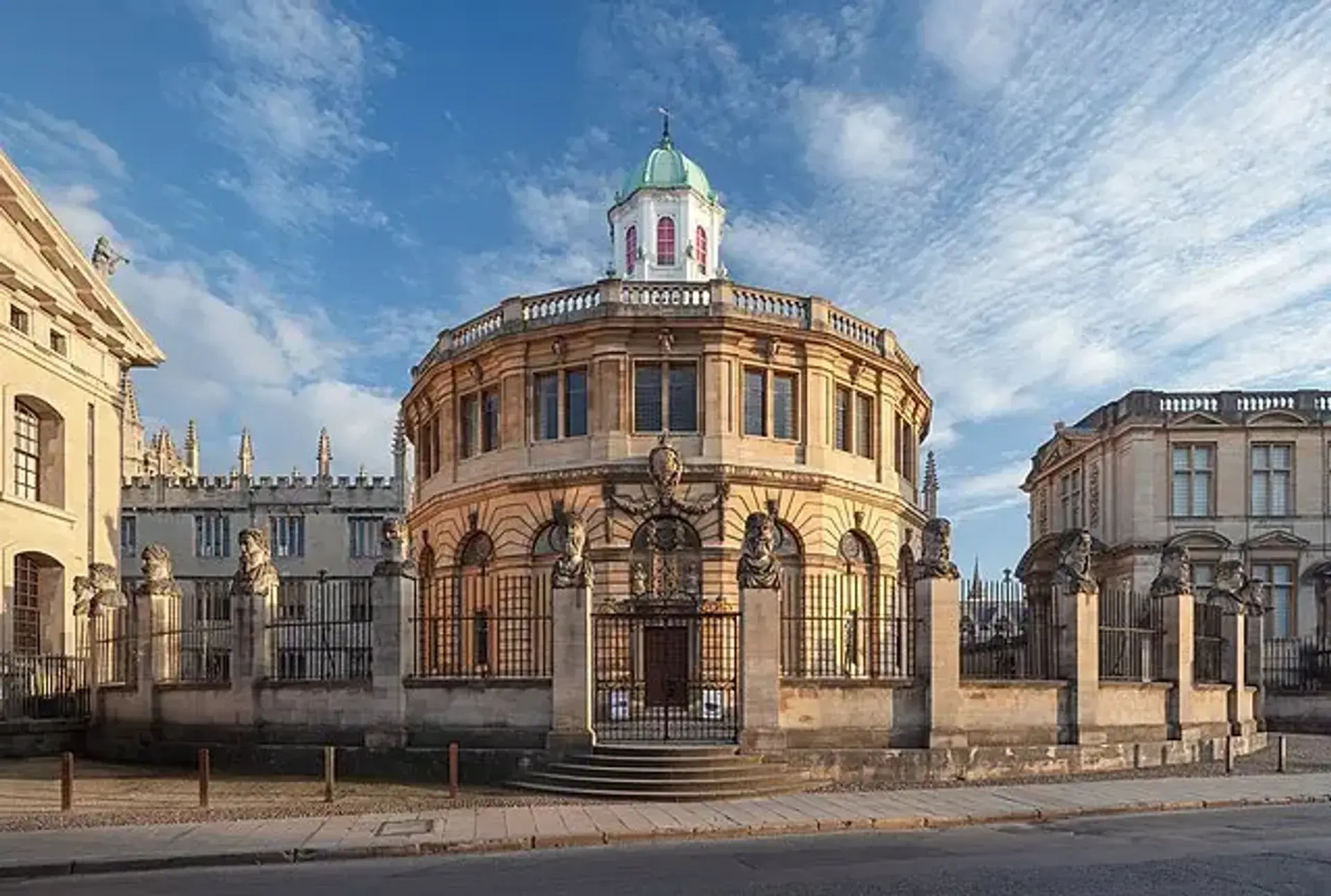
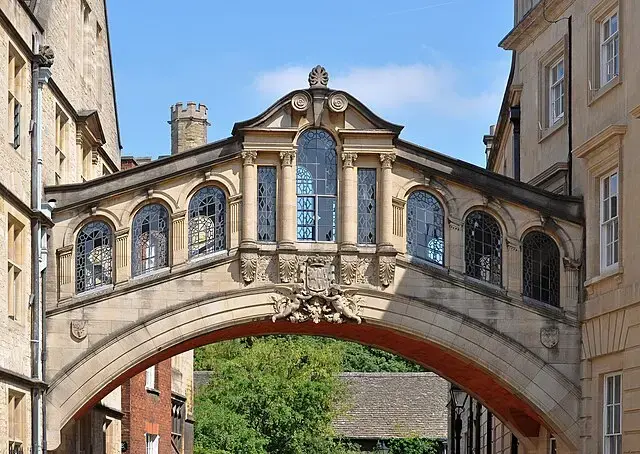
Tucked away at 4–5 Bath Place, the Turf Tavern is one of central Oxford's most recognizable historic public houses. Wedged directly between New College and Hertford College, the tavern occupies a tightly packed parcel within the city's ancient core. The site is reached via narrow pedestrian corridors, most notably St Helen's Passage—historically known as Hell Passage—just steps from the Bridge of Sighs.
The establishment is Grade II listed and reflects the layered architectural history of the university town. Built against an intact stretch of Oxford's medieval city wall, the pub occupies the physical footprint of the former defensive moat ditch.
Oxford self guided walking tour with Ciceru
1.5 hours10 stopsAudio guideStart any day, at your own paceTicket on your phone · 30-day refundArchitecture and Physical Character
The Turf Tavern features 17th-century timber-framed construction alongside 18th-century remodelling, a barrel-vaulted cellar, and low-beamed interiors. The structure preserves ancient wooden lintels and doorways measuring under six feet in height, requiring visitors to duck repeatedly when stepping between the courtyard beer gardens and the interior taprooms. High stone college walls enclose the pub's courtyards, creating a secluded atmosphere within the historic academic precinct.
From Medieval Brewhouse to Student Sanctuary
Site records indicate brewing and malt house activity dating back to 1381, when it originally supplied local stonemasons and residents. Because the premises stood directly outside the fortified medieval city wall, it fell outside the disciplinary jurisdiction of university proctors. As a result, the tavern developed an early reputation as a countercultural refuge for students evading collegiate curfews and restrictions.
Originally called The Spotted Cow, the tavern was officially renamed the Turf Tavern in 1842. The name derived from "turfmen," a contemporary term for bookmakers, reflecting the establishment's association with illicit gaming and betting during the nineteenth century.
Folklore, Screen Fame, and Modern Operation
Over the decades, the tavern has accumulated extensive local folklore. Commemorative signage inside the pub credits former Australian Prime Minister Bob Hawke with setting an 11-second yard of ale record on the premises during the 1950s; however, historical records and Hawke's own recollections confirm the event took place elsewhere, such as University College. Local tradition also identifies the pub as the setting where future U.S. President Bill Clinton experimented with cannabis as a Rhodes Scholar in the late 1960s, giving rise to his famous remark that he did not inhale. In addition, local lore claims that actor Richard Burton proposed to Elizabeth Taylor on the tavern grounds.
The venue has also made appearances on screen, serving as a filming location for episodes of the television series Inspector Morse. Cast members filming the nearby Harry Potter movies regularly used the pub as an off-set gathering spot.
Today, the Turf Tavern is managed by the Greene King pub group and operates as a traditional public house and gastropub. It serves pub food, rotating real ales, and ciders to a regular clientele of Oxford University and Oxford Brookes University students, resident academics, and visitors.
FAQ
Where is the Turf Tavern located?
The Turf Tavern is situated at 4–5 Bath Place in central Oxford, accessed via narrow pedestrian routes such as St Helen's Passage between New College and Hertford College.
Why was the pub renamed the Turf Tavern?
Originally called The Spotted Cow, the pub was renamed the Turf Tavern in 1842 after 'turfmen' (bookmakers) due to its reputation for illicit tavern betting and gaming.
Did Bob Hawke set a drinking record at the Turf Tavern?
Although the pub displays signage commemorating Bob Hawke's 11-second yard of ale record, historical documentation and Hawke's own accounts indicate the feat actually took place at University College rather than the Turf Tavern.