Mother Emanuel AME Church: A History of Resilience
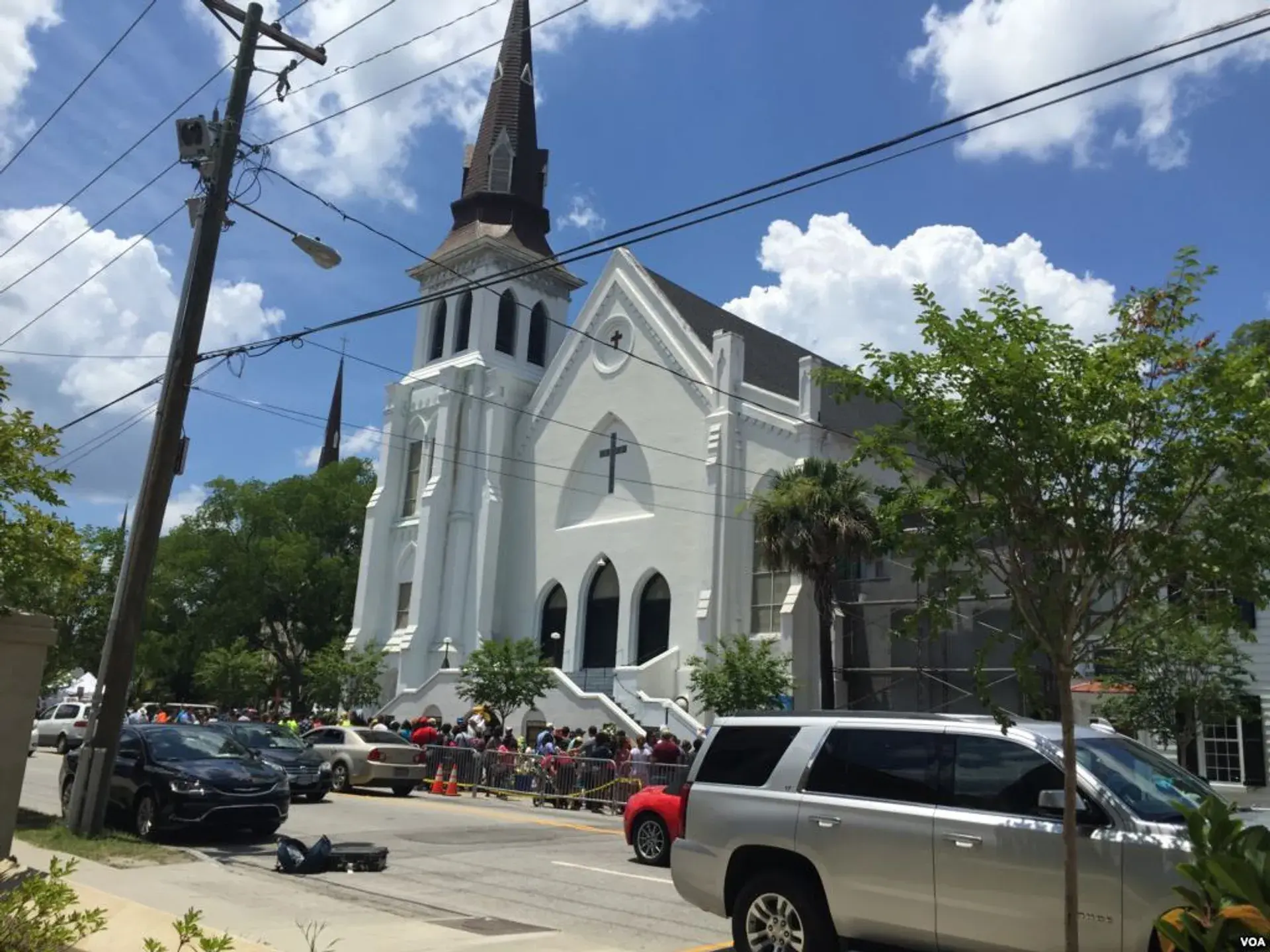
Mother Emanuel AME Church stands as a dignified beacon of faith and resilience, its enduring presence testifying to Charleston's African American history and civil rights struggles. As the oldest African Methodist Episcopal (AME) church in the southern United States, it houses one of the nation's oldest Black congregations, representing a story of autonomy, resistance, and grace.
Founding and Early Persecution
The congregation's origins date to 1816-1818, when about 1,000 free and enslaved Black Charlestonians, led by Morris Brown, seceded from white Methodist churches due to discriminatory practices, such as disputes over burial grounds. They formed the 'African Church' of Charleston and affiliated with Richard Allen's newly established AME denomination in Philadelphia. The church quickly faced opposition; in 1818, Brown and other ministers were jailed for violating state laws that prohibited independent Black religious services.
The Denmark Vesey Plot and Aftermath
A pivotal moment in the church's history occurred in 1822. Denmark Vesey, a prominent founder and member who had purchased his own freedom, planned a major slave revolt. When the plot was discovered, the church was implicated. A white mob burned the building to the ground, and Vesey, along with 34 co-conspirators, was executed. The state's response culminated in 1834 when all-Black churches were outlawed, forcing the congregation to meet in secret for over three decades.
Reconstruction and Rebuilding
With the end of the Civil War in 1865, the church was formally reorganized and named Emanuel. Bishop Daniel Alexander Payne, who had been forced out of Charleston 30 years earlier for operating an illegal school, returned to help lead the congregation, which swelled to 3,000 members. A new wooden church was built on the site between 1865 and 1872, with Robert Vesey, son of the executed Denmark Vesey, serving as the lead architect. This structure was later severely damaged in the 1886 Charleston earthquake.
The Gothic Revival Edifice
Following the earthquake, the congregation raised $35,000 to construct the present-day building. Under the leadership of Reverend Lewis Ruffin Nichols, the stately Gothic Revival church was built from 1891 to 1892. Much of its historic interior remains, including the original altar, communion rail, pews, light fixtures, and stained glass windows. A massive pipe organ, purchased in 1908 for $800, is still played during Sunday services.
A Legacy of Activism and Tragedy
Throughout its history, Mother Emanuel has been a center for Black community organizing and activism. Post-Civil War pastor Reverend Richard Harvey Cain was later elected to the U.S. Congress in 1872. In the 21st century, Senior Pastor and State Senator Reverend Clementa Pinckney continued this legacy, advocating for social reforms. Tragically, on June 17, 2015, Reverend Pinckney and eight other church members were murdered by a white supremacist during a Bible study session, a horrific event that brought national attention to the church's long struggle against racial violence.
Mother Emanuel Today
Mother Emanuel AME Church continues to be an active place of worship and a vital center for community engagement in Charleston. The historic building, with a capacity of 2,500, is currently undergoing extensive renovations to preserve it for future generations. The church is open to the public Monday through Friday from 9 a.m. to 1 p.m. and from 2 p.m. to 4 p.m., with Sunday services held at 9:30 a.m.
FAQ
When was Mother Emanuel AME Church founded?
The Mother Emanuel AME Church congregation was founded between 1816 and 1818 by free and enslaved Black Charlestonians who seceded from white Methodist churches over discriminatory practices.
Why is Mother Emanuel AME Church historically significant?
It is the oldest AME church in the southern United States and has been a central site in the struggle for civil rights, from its connection to the 1822 Denmark Vesey slave revolt plot to its role in the post-Civil War Reconstruction era and the 2015 mass shooting.
Who was Denmark Vesey?
Denmark Vesey was a founder and member of Mother Emanuel who planned a large-scale slave revolt in 1822. After the plot was discovered, the original church was burned down by a mob, and Vesey was executed.
Can the public visit Mother Emanuel AME Church?
Yes, Mother Emanuel is an active church that is open to the public. Current visiting hours are Monday through Friday from 9 a.m. to 1 p.m. and 2 p.m. to 4 p.m.