Athens Explained: What It Is Known For, When to Go and What to See
Last updated: October 2026
Intro
Athens is known for the Acropolis and the Parthenon, for being the place Western democracy and drama are traced back to, and for a loud, sunny modern city built around the ruins. Many visitors give it two days before a ferry to an island, so the useful question is what to do with 48 hours. The freshest thing to know is the price: the Acropolis is €30 all year, the Acropolis Museum and the Ancient Agora are €20 each, and the single combined archaeological ticket that older guides still mention is reported to have ended in 2025. Prices below were checked in October 2026.
For a first look on foot, Ciceru has a self-guided walk in the Ciceru app with a story and a quiz question at each stop, and a free 500 MB global eSIM.

⚡ Quick answer
- What Athens is known for: the Acropolis and Parthenon, ancient Greek history, the Acropolis Museum, souvlaki and late dinners, and a centre where ruins sit between apartment blocks
- Freshest changes: Acropolis €30 all year, the old combined ticket reported gone, each site priced separately, the Acropolis Museum and Ancient Agora at €20
- Best time to go: April, May and October, with average highs of 21°C, 26.5°C and 24.4°C
- Worst time: July and August, with average highs of 34.3°C and the Acropolis shut at midday in past heatwaves
- How many days: two covers the five big places, three lets you add the museum most visitors skip
🏛️ What Athens is actually known for
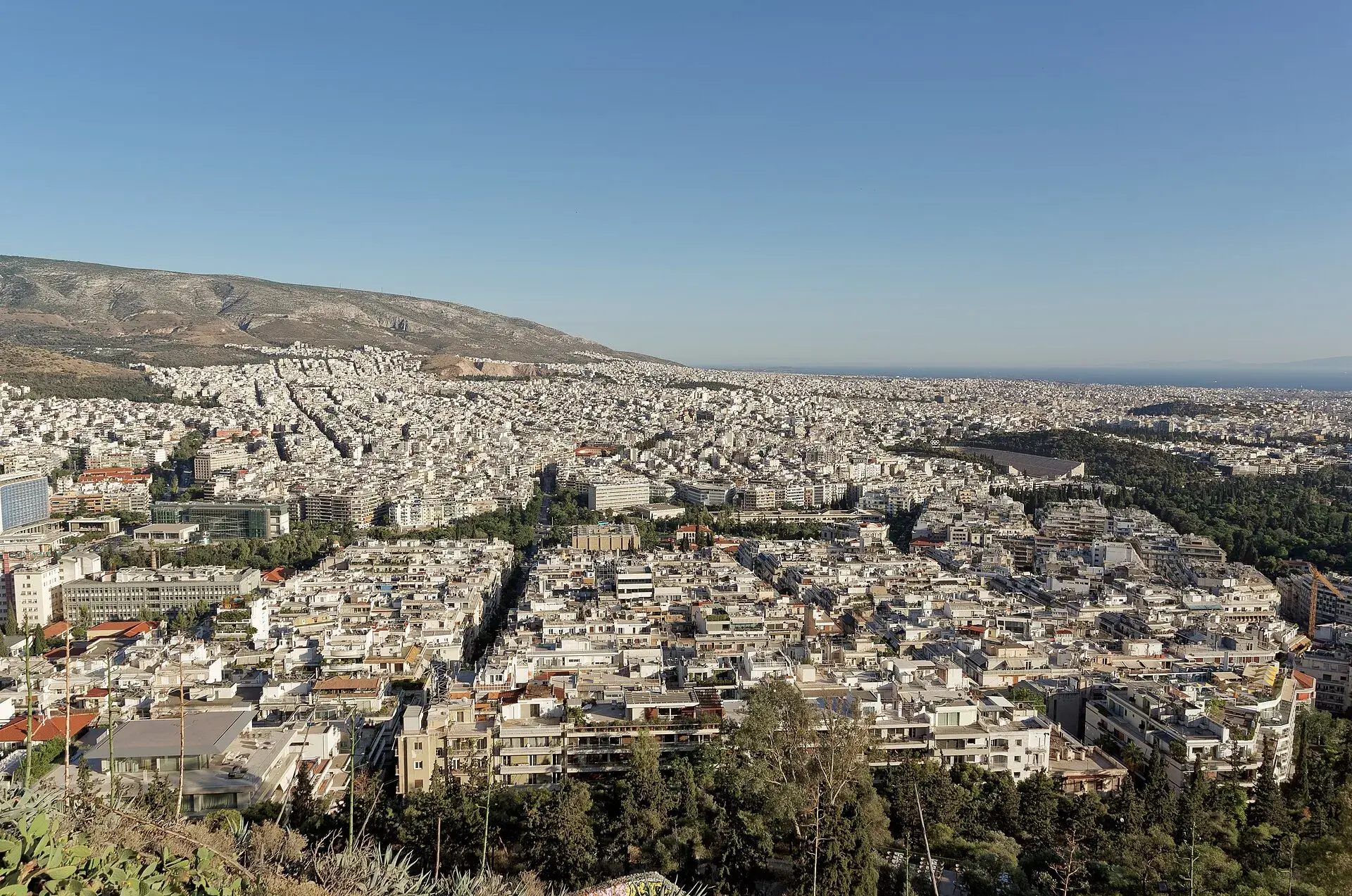
Athens is known as the city of the Acropolis, the rock with the Parthenon on top, and as the origin of ideas still named in Greek: democracy, theatre, philosophy. The Parthenon was built between 447 and 432 BC. What visitors often miss is that it is not a museum city set apart from daily life. People live, eat and drive around the ruins, and the modern capital, which has held that role since 1834, is busy, noisy and informal. Come for the monuments, then plan to spend evenings the way Athenians do, outside and late.
🗺️ The short history that explains the layout
Everything makes sense once you treat the Acropolis as the anchor. It is a rock hill above the centre, and almost every sight is either on it, at its foot, or visible from it.
- Plaka is the old neighbourhood on the slope below the hill, with narrow lanes and the highest density of tourist cafés
- Monastiraki sits to the north, a square with a station, the flea market and the metro link to Piraeus
- Syntagma is the modern political centre to the east, with the Parliament and the changing of the guard
- Koukaki lies south of the hill, near the Acropolis Museum, and feels more like a residential neighbourhood
- The Ancient Agora, the old market and meeting place, lies at the northern foot, and the Kerameikos cemetery is further west
Ancient, Roman, Ottoman and modern layers all sit within a short walk. That is why the centre rewards walking more than any bus tour.
📍 The five places everyone goes
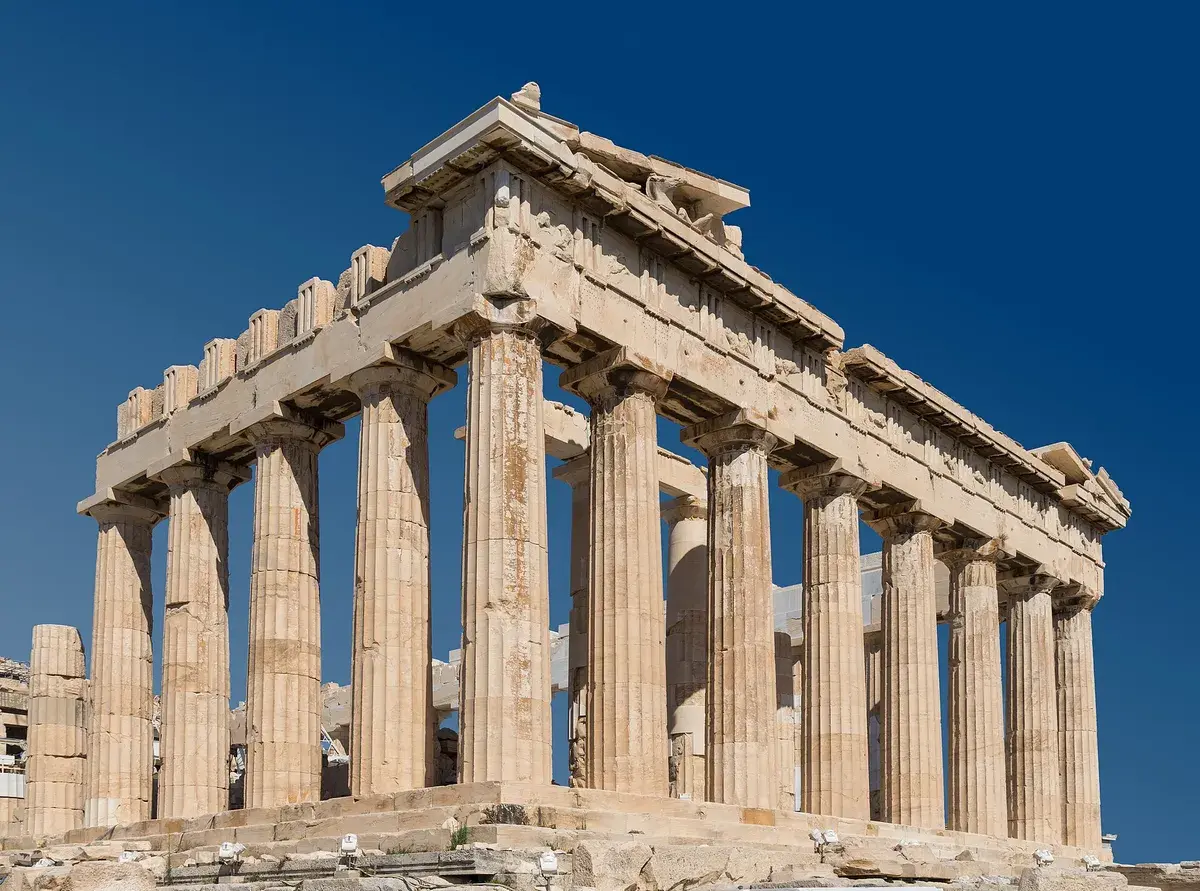
Acropolis 💶 €30 full price, €15 reduced 🕐 summer schedule 08:00 to 20:00, last entry 19:30, winter 08:00 to 17:00, last entry 16:30, per the Ministry of Culture's page, which says closing times step down gradually through September and October. Verdict: worth it, and the reason most people come. Going early beats the heat and the queues. Secondary guides say the ticket is for a timed slot and that the 08:00 slots go first. The ministry page does not mention slots, so confirm when you book. The Acropolis has closed at midday in past heatwaves, so check the day's notice. It is free on 28 October, per the ministry's list.
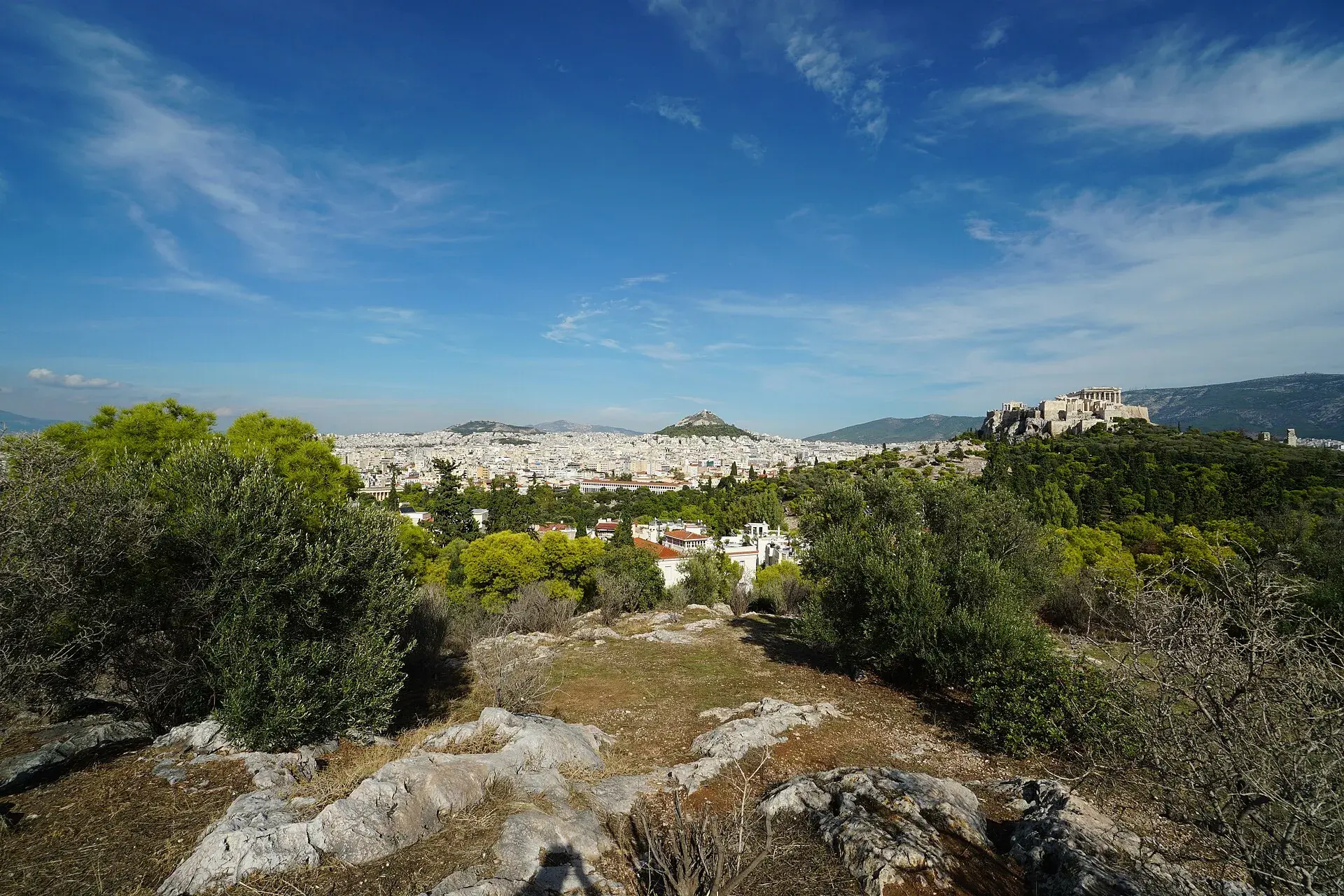
Parthenon 💶 included in the Acropolis ticket. Verdict: worth it, and it is the building most people mean when they say Athens. Restoration is ongoing, so scaffolding may appear in your photos. The best long views of it come free from Filopappou Hill, below.
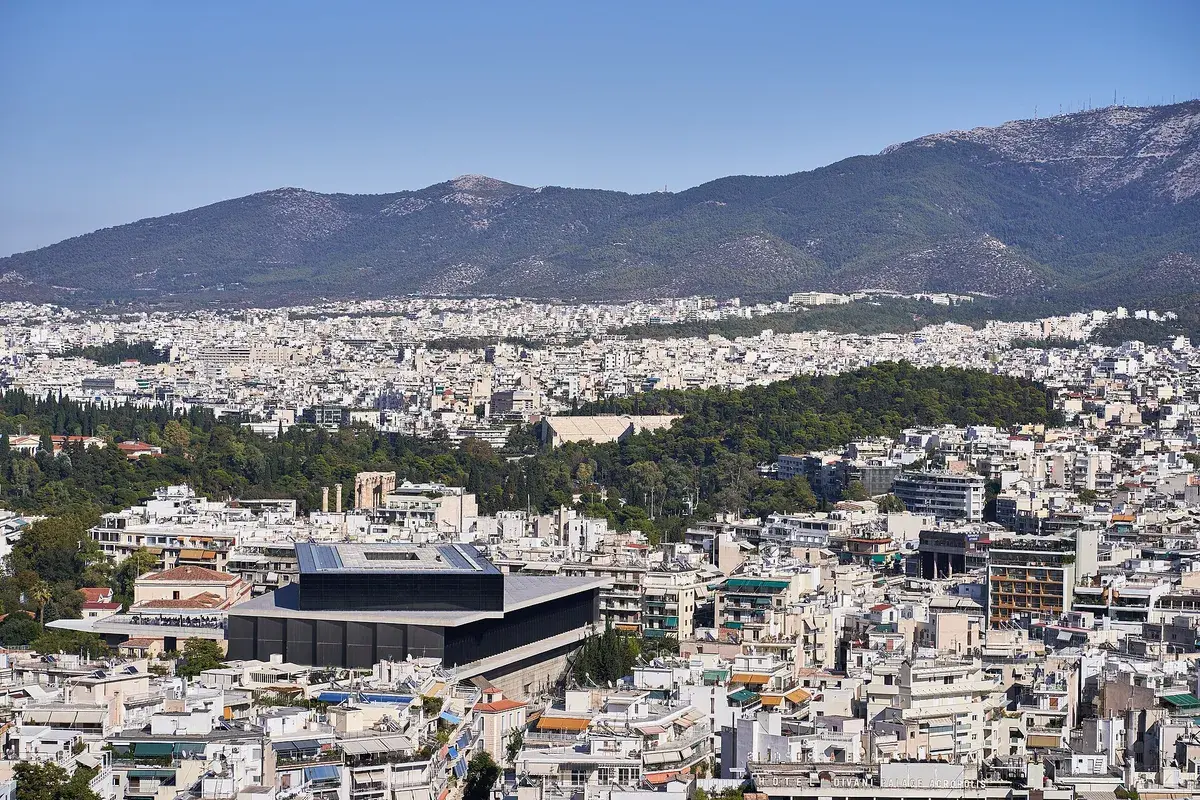
Acropolis Museum 💶 €20, €10 reduced 🕐 summer (to 31 October) Tuesday to Sunday 09:00 to 20:00, Monday 09:00 to 17:00, Friday to 22:00. From 1 November, Monday to Thursday 09:00 to 17:00, Friday to 22:00, Saturday and Sunday 09:00 to 20:00. Verdict: worth it, and a good choice for a hot afternoon. It sits at Dionysiou Areopagitou 15, below the hill, and holds finds from the rock itself. Free on 28 October. Closed 1 January, Orthodox Easter Sunday, 1 May and 25 and 26 December.
Ancient Agora 💶 €20, and the ticket includes the Museum of the Ancient Agora in the reconstructed Stoa of Attalos 🕐 summer 08:00 to 18:30 (Tuesday from 10:00), winter 08:00 to 16:30 (Tuesday from 10:00). Verdict: worth it if you like ruins you can walk through, skip if you are short of time. It closes earlier than the Acropolis, so do it in the morning and keep the hilltop for later.
Plaka 💶 free. Verdict: yes for a stroll, no for a long lunch. It is the postcard Athens, and it is also where menus aimed at tourists cluster. Eat elsewhere, and see What to Eat in Athens.
Add the three paid places together and the bill is €70 per person at full price, so decide which two matter most before you book.
🙈 Three places most visitors skip and shouldn't
- National Archaeological Museum 📍 44 28th of October (Patission) Street 💶 €20 🕐 4 May to 15 November 2026, Wednesday to Monday 08:00 to 20:00, Tuesday 13:00 to 20:00, last entry 19:30. The largest archaeological museum in Greece, and the one that makes the Acropolis make sense. Winter hours start after 15 November, so check before you go.
- Kerameikos 📍 west of Monastiraki 💶 €10, including the on-site museum 🕐 summer 08:00 to 18:30, winter 08:00 to 17:00, Tuesday from 10:00. An ancient cemetery, at half the price of the Agora. A calm hour away from the centre.
- Filopappou Hill and the Pnyx 📍 south-west of the Acropolis. An open hill with views back at the Parthenon, and no ticket gate on the paths. Wear proper shoes, take water and check access before you go.
🌦️ Weather month by month
These are average daily highs and lows for central Athens, 1991 to 2020 normals as shown on Wikipedia, which cites National Observatory of Athens data. The Hellenic National Meteorological Service (HNMS) publishes its own normals, which could not be checked here, so treat the figures as close guides, not official values.
- January: 13.3°C high, 7.1°C low
- February: 14.2°C high, 7.3°C low
- March: 17.0°C high, 9.2°C low
- April: 21.1°C high, 12.3°C low
- May: 26.5°C high, 17.0°C low
- June: 31.6°C high, 21.6°C low
- July: 34.3°C high, 24.2°C low
- August: 34.3°C high, 24.4°C low
- September: 29.6°C high, 20.4°C low
- October: 24.4°C high, 16.2°C low
- November: 18.9°C high, 12.2°C low
- December: 14.4°C high, 8.7°C low
Rain is mostly November to January, with about 71 mm in November and 76 mm in December, against about 5 mm in August. These are averages, and heatwaves can run well above them, so check the forecast.
🗓️ Best and worst months
Best: April, May and October. Highs run from 21°C to 26.5°C. Late September also works, at about 30°C.
Worst: July and August. Mean highs reach 34.3°C, and the stone, the steps and the queues have no shade. If you must go, book the first slot and finish outdoor sights by late morning.
Quietest: November to March. Mild at 13°C to 19°C, but wetter, and the winter schedule closes the Acropolis at 17:00.
Free days: the ministry lists 6 March, 18 April, 18 May, the last weekend of September and 28 October for the Acropolis, plus the first and third Sunday of each month from 1 November to 31 March. The Acropolis Museum lists 6 March, 25 March, 18 May and 28 October.
📅 How many days
Two days is the realistic visit for most travellers, and it works. Day one: Acropolis in the morning, then the Acropolis Museum or the Agora. Day two: Plaka, Monastiraki and Syntagma on foot, then the National Archaeological Museum if you have energy. A third day adds Kerameikos and Filopappou Hill. If you are going on to the islands, the port is at Piraeus, about 17 minutes from Monastiraki on Metro Line 1 according to the transport guide, so leave time before a ferry. Working remotely for a stretch? See coworking spaces in Athens.
🚶 A two-hour essentials walk
If you only have a couple of hours, keep it to the centre. Start at Syntagma, drop down through Plaka, and finish at Monastiraki. Stop for a drink in the shade rather than pushing on, because heat matters more than distance in summer.
Ciceru's Authentic Athens walk is €7, about 4 km and 2 hours, with 6 quiz stops, and it starts at Hadrian's Arch. It runs in the Ciceru app, with a story and a quiz question at each stop.
❓ FAQ
What is Athens known for?
The Acropolis and the Parthenon, the Acropolis Museum, ancient Greek history and a lively modern city, with late dinners and open-air evenings.
What is the best month to visit Athens?
April, May and October. Highs of about 21°C to 26.5°C, and less heat than July and August, when the average high is 34.3°C.
How many days do you need in Athens?
Two days for the Acropolis, the Acropolis Museum or the Agora, and a walk through the old quarters. A third day adds the National Archaeological Museum or Kerameikos.
✅ Before you go
Book the Acropolis first, check the day's heat notice in summer, and price each site separately rather than trusting an old combined ticket. See Getting Around Athens for the airport, Piraeus and luggage, Athens on a Budget for real daily costs, What to Eat in Athens for dishes, Free Things to Do in Athens for what costs nothing, and Cheapest Coworking Spaces in Athens for laptop work. To walk it, try the Ciceru Athens walk, or see ciceru.com/tours/greece/athens.