Free Things to Do in Athens: What Is Still Free in 2026
Last updated: October 2026
Intro
The hills, the National Garden, the changing of the guard and the street around the Acropolis cost nothing in 2026. The Acropolis itself does not: a ticket is €30, and the Acropolis Museum is not part of the state free-entry scheme. Older lists also repeat that sites are free on the first Sunday of the month, when the ministry's own page says the first and third Sundays from 1 November to 31 March. Here is what really costs nothing, checked in October 2026.
Ciceru's €7 self-guided walk starts at Hadrian's Arch and takes about 2 hours over 4 km, with a story and a quiz question at each of its 6 stops and a free 500 MB global eSIM. It is in the Ciceru app.

⚡ Quick answer
- Best free views: Filopappou Hill and the Areopagus, both open, unfenced and looking straight at the Acropolis
- Free entry to paid sites: first and third Sunday from 1 November to 31 March, plus 6 March, 18 April, 18 May, the last weekend of September and 28 October
- Biggest catch: the Acropolis costs €30 on a normal day, and the Acropolis Museum runs its own, shorter list of free days
- Next free day: Wednesday 28 October, then Sunday 1 November and Sunday 15 November
🚫 What is not free, or not as free as lists say
Acropolis. 💶 €30 full ticket and €15 reduced, per the Ministry of Culture's Acropolis page, sold on tickets.hh.gr. Guides say entry is by booked time slot, even on free days. The ministry page does not mention slots, so check when you book.
Acropolis Museum. It runs under its own rules, so the Sunday scheme does not apply. Its own page lists free entry on 6 March, 25 March, 18 May and 28 October.
Panathenaic Stadium. 💶 €12 for adults and €6 reduced, per the stadium's own site, listed as from 1 October 2025. Tickets are sold at the desk or online. Some older pages, including a Greek tourism board listing, still show €3.
Lycabettus funicular. 💶 €13 return, €10 one way, according to the operator. The walk up is free.
Temple of Olympian Zeus, Ancient Agora, Kerameikos. All ticketed. The Ancient Agora is €20 and Kerameikos €10, per the ministry's pages, and Olympian Zeus is reported at about €20, so check before you go. The free route for Olympian Zeus is a look over the fence, covered below.
⛰️ Free hills and views
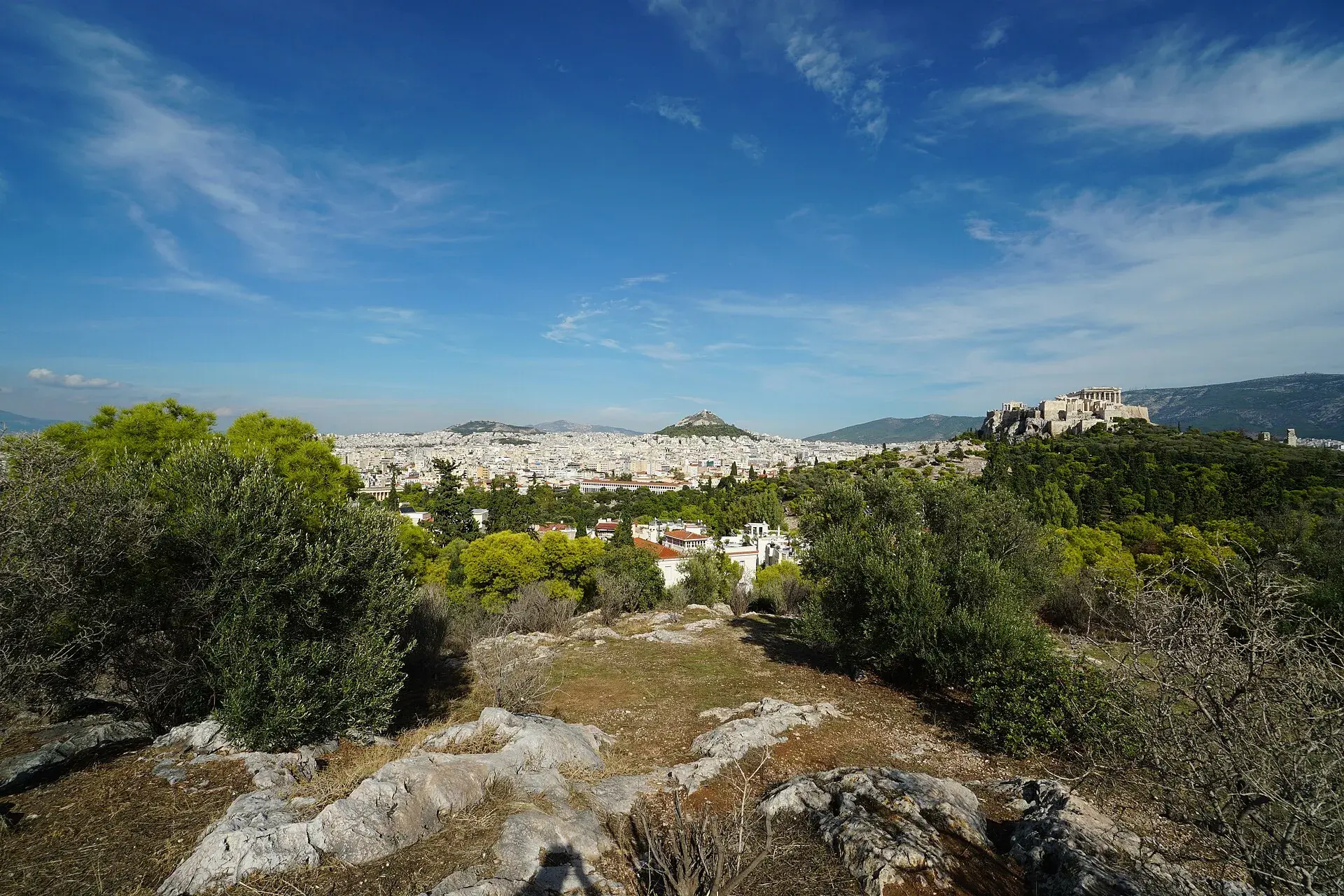
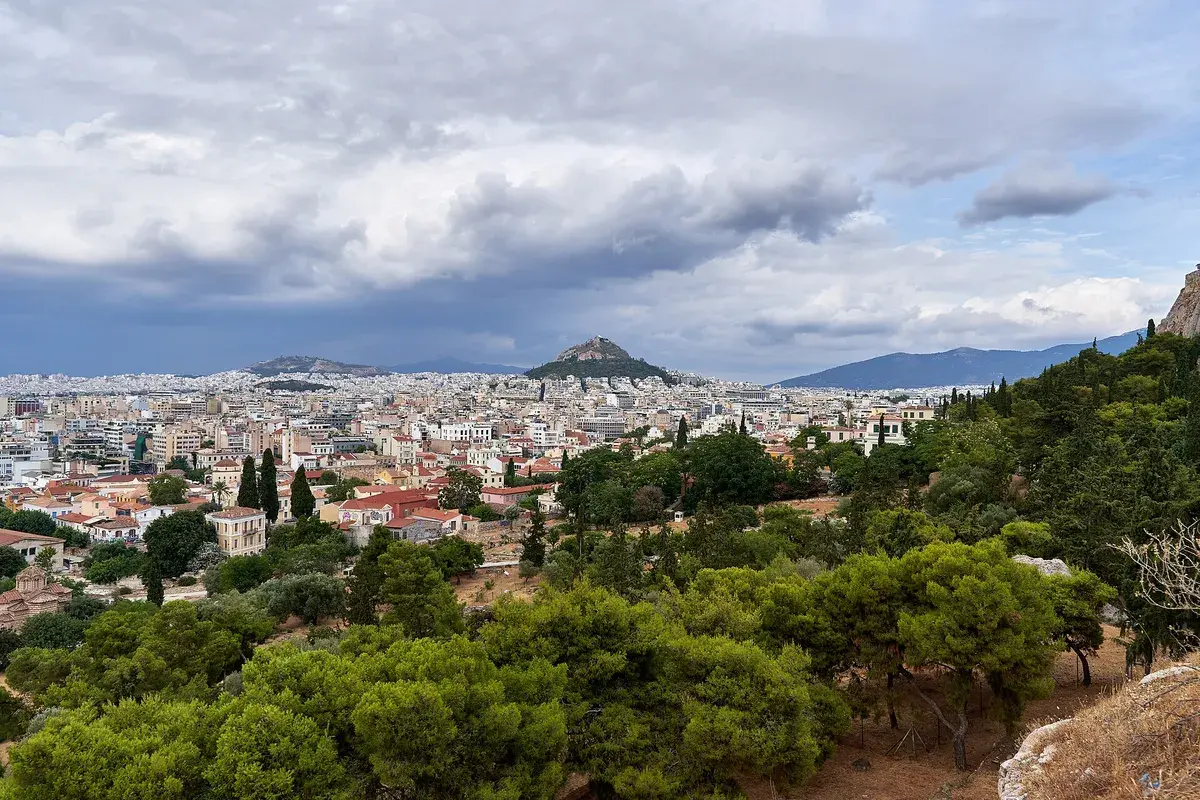
Filopappou Hill (also spelled Philopappos) 📍 Koukaki, south-west of the Acropolis. Open ground with pine trees, paths and a Roman monument on top, built in the 2nd century for a Roman consul. It looks straight across at the Parthenon and out to the sea. No ticket. Go at the end of the day and carry water.
Areopagus Hill 📍 just below the Acropolis entrance, off Apostolou Pavlou. An unfenced rock with steep stone steps. The stone is slippery when wet, so wear rubber soles and skip it after rain. It is the nearest free Acropolis view to the ticket queue.
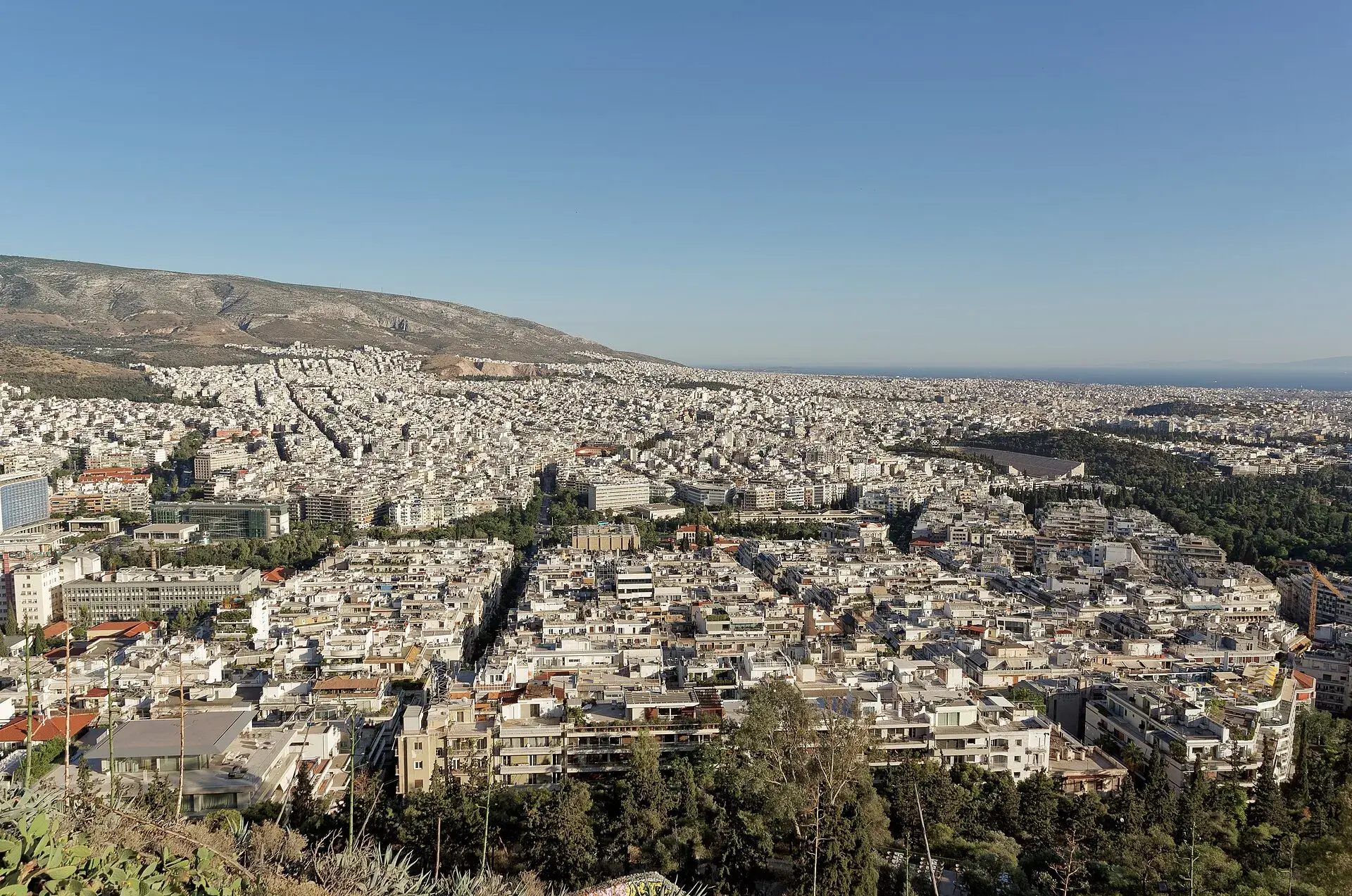
Lycabettus Hill 📍 above Kolonaki. At 277 metres, the best-known viewpoint in the centre, with the church of Saint George and a café at the top. Walk up for nothing, ideally for sunset. The funicular costs €13 return and runs every 30 minutes, 09:00 to 02:30, but only in a short tunnel, so you lose nothing by walking. Winter hours can be shorter. The paths can be dim after dark, so take the funicular down if you stay late.
Dionysiou Areopagitou 📍 the pedestrian street along the south side of the Acropolis. A wide, car-free promenade that runs past the Acropolis Museum and the Areopagus. Free and flat.
🌳 Free gardens and landmarks
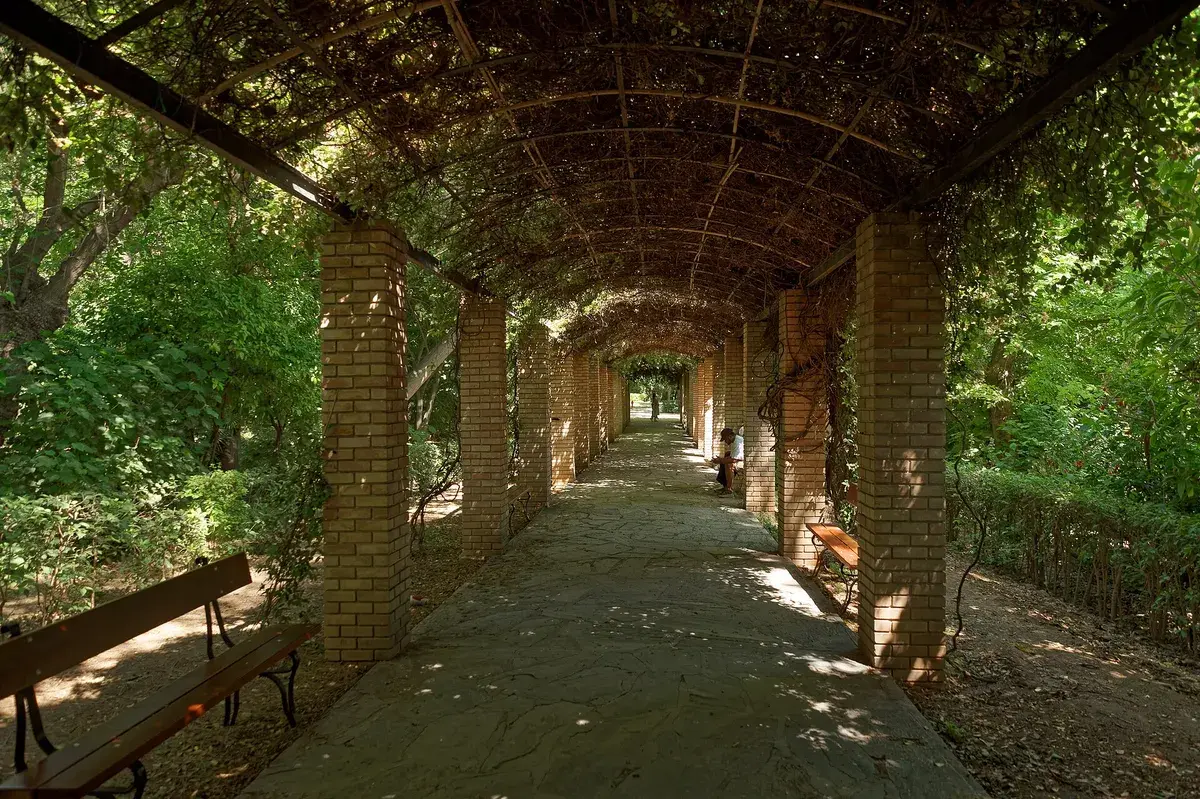
National Garden 📍 behind the Parliament, Syntagma. 🕐 sunrise to sunset, per the City of Athens tourism site. About 15.8 hectares of paths, ponds and shade, with a Roman mosaic floor at the north end. Renovation work started in 2022 and is being done in phases, so some corners may be fenced.
Zappeion 📍 on the south edge of the National Garden. A hall built in 1878, now a conference and events venue, with a Corinthian-style portico. The gardens connect to the National Garden and are free to walk. Check the venue before going inside.
Hadrian's Arch 📍 Leoforos Vasilissis Amalias, by the Olympian Zeus site. A Roman gate on a busy avenue, free to look at from the pavement.
Temple of Olympian Zeus, from outside. 📍 next to the arch. The columns are visible from the fence on the avenue, so you can see them without a ticket. Inside is paid, so check the price on the site's own page.
Changing of the guard 📍 Syntagma Square, opposite the Parliament, at the Tomb of the Unknown Soldier. 🕐 on the hour, every hour, with a larger Sunday ceremony at 11:00, according to a travel guide updated in July 2026. Arrive 10 minutes early on weekdays and about 20 on Sundays. Free. The schedule comes from a travel guide, not an official page, so check before planning around it.
🏘️ Free streets, markets and a church
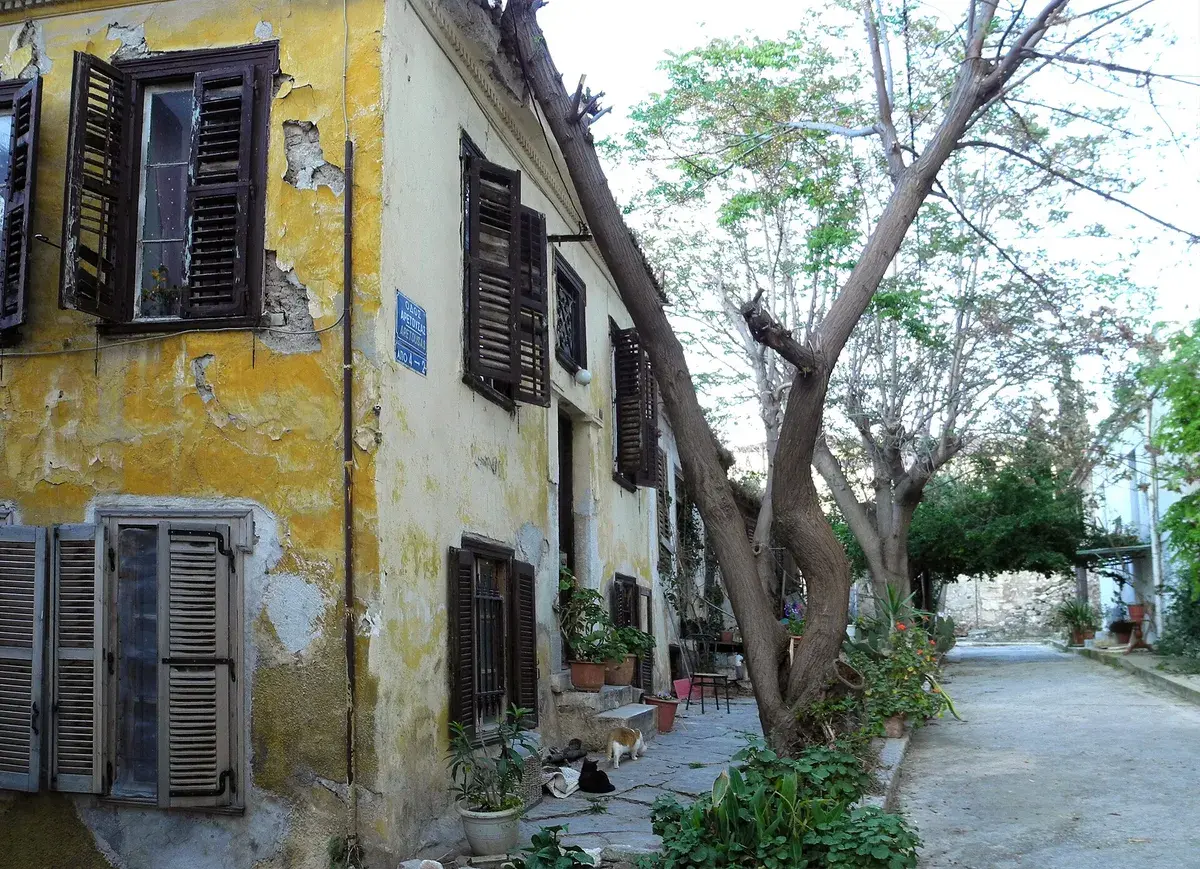
Anafiotika 📍 Plaka, under the north slope of the Acropolis. A knot of narrow whitewashed lanes. People live here, so keep your voice down and stay out of courtyards.
Monastiraki flea market 📍 Avissinias Square, Monastiraki. 🕐 Sunday mornings are the busy time. Browsing costs nothing, and the money goes on whatever you pick up. Hours shift, so check on the day.
Street art in Psyri and Exarchia 📍 the lanes of both neighbourhoods. Murals change every few months, so no list stays right. Walk it in daylight.
Metropolitan Cathedral 📍 Mitropoleos Square, Plaka. A working church, free to step into. Dress covered, and keep voices low during services.
🗓️ Free days for the paid sites
First and third Sunday, 1 November to 31 March. The Ministry of Culture lists free entry on those Sundays. In 2026 to 2027 that means 1 and 15 November, 6 and 20 December, 3 and 17 January, 7 and 21 February, and 7 and 21 March. A press report from January 2026 says the Acropolis, the Ancient Agora and the National Archaeological Museum took part. Many guides, and some site pages, still say first Sundays only.
Fixed dates all year. 6 March, 18 April, 18 May, the last weekend of September and 28 October. In 2026 to 2027, 28 October is a Wednesday, 6 March a Saturday, 18 April a Sunday and 18 May a Tuesday.
Who else gets in free. EU citizens under 25, with ID, and some other groups, per the ministry's page. Check the full list there.
On free days, expect queues. Locals use them too, so go early and book a slot where the site offers one. Opening hours on these days can differ from normal ones, so check the site's own page the week you travel.
💶 Worth paying for
If you pay for one thing, make it the Acropolis, and make it a free Sunday if your dates allow. From November to March that saves €30 a head, though the queues are longer, so book a slot where the site lets you. In summer, spend the money on an early slot instead, before the heat builds. The Panathenaic Stadium at €12 is a fair second choice for the marble and the view of the track. The funicular is the one to skip, since the walk up is free and the ride is a few minutes in a tunnel. For prices side by side, see Athens on a Budget.
❓ FAQ
Is the Acropolis free in Athens?
Only on the free-entry days: first and third Sunday from 1 November to 31 March, and on 6 March, 18 April, 18 May, the last weekend of September and 28 October. On a normal day it costs €30. The Acropolis Museum is not covered by the Sunday scheme.
What is the best free view of the Acropolis?
Filopappou Hill and the Areopagus. The Areopagus is closer and steeper, and slippery when wet. Filopappou is further and gives the wider picture.
Is the changing of the guard free?
Yes. It is at Syntagma Square, on the hour, with a larger ceremony on Sundays at 11:00 according to a recent travel guide. Check the time before you plan around it.
✅ Before you go
Check the ministry's page for free days the week you travel, and confirm the Acropolis slot rule. Wear shoes with grip, because the marble is slick. For the wider picture, start with Athens Explained. For the cost side, see Athens on a Budget, and to reach the hills and the arch see Getting Around Athens. Ciceru's walk, Authentic Athens, starts at Hadrian's Arch and passes the changing of the guard and the Metropolitan Church, with a story and a quiz question at each of its 6 stops.