Beyond the Ramblas: 5 unmissable dedieval towns near Barcelona for a 2025 weekend escape
Five close escapes where Catalonia’s older soul still lives
You have done the Sagrada Familia. You have walked the crowded streets of the Gothic Quarter. Now, drive 90 minutes to find the Catalonia that existed before Gaudí was even born.
Imagine a place where the only traffic jam is a flock of sheep crossing a 12th-century bridge. The region surrounding Barcelona is not merely a collection of scenic photo opportunities. It is a series of historical layers, preserved in stone and silence.
For the traveler willing to slow down, these five towns offer more than just aesthetics. They offer a connection to the past. Do not attempt to visit all five in a single weekend. Select one region to explore properly.

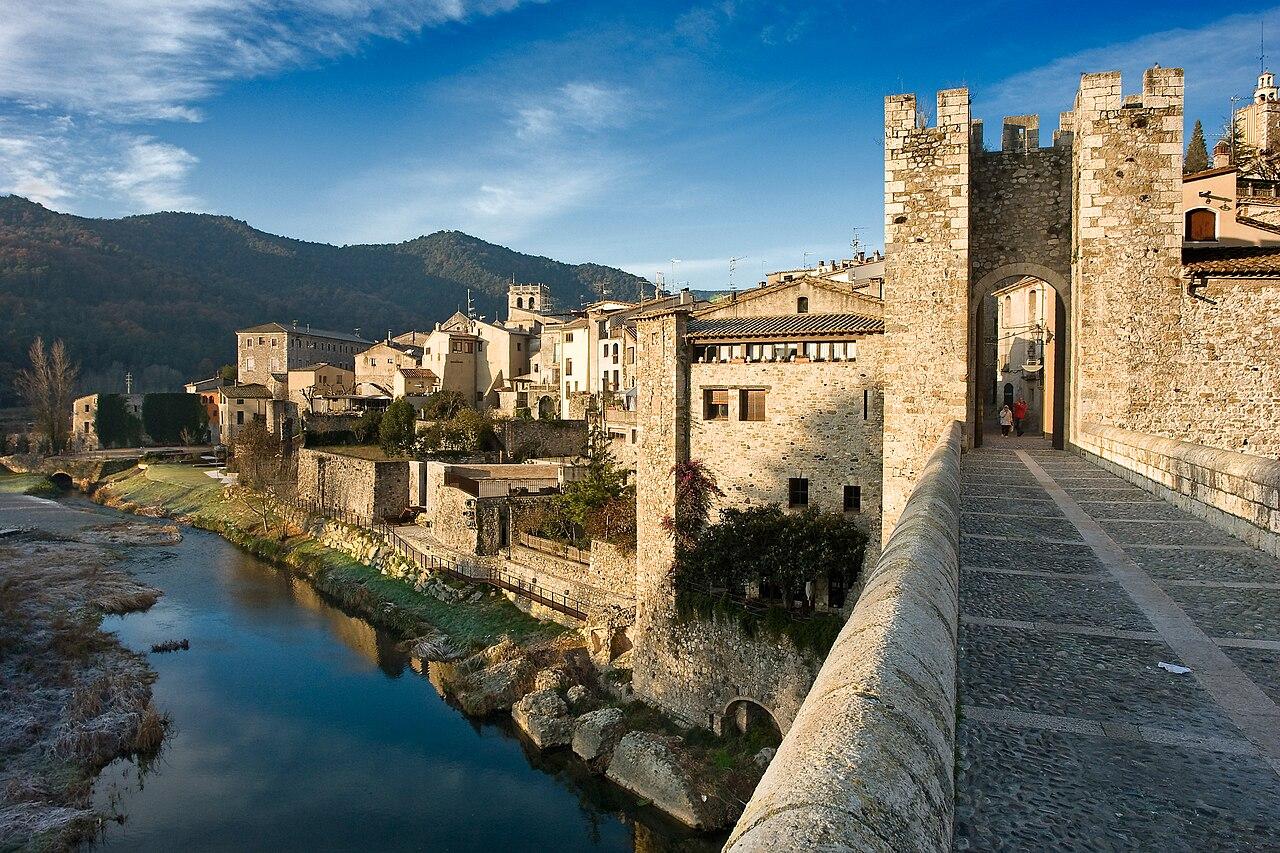
Besalú: The Bridge and the Bathhouse
Besalú is often reduced to a single image on social media: its 12th-century Romanesque bridge. While the bridge is indeed the star, reflecting perfectly in the Fluvià river on a calm morning, the true significance of this town lies deeper.
To understand Besalú, you must look for the Jewish history that shaped it. The town houses a mikveh, a Jewish ritual bathhouse. It is one of the few surviving examples in Europe. It is usually locked. You must book a guided tour through the Tourist Office to enter. The cost is generally between €5 and €10.
The bridge gets crowded with tour buses by noon. Arrive early. Once the crowds descend, retreat to the terrace of Restaurant Pont Vell for lunch. It overlooks the bridge, allowing you to observe the architecture without the noise.
• How to get there: About 1h 30min from Barcelona by car. By public transport, the direct bus from Barcelona (Gran Via) takes around 2 hours, or you can take a train to Girona and connect by bus. • Best time to visit: Early morning for a quiet bridge and soft light. Spring and autumn offer the best mix of weather and crowd levels.
Peratallada: Carved from the Earth
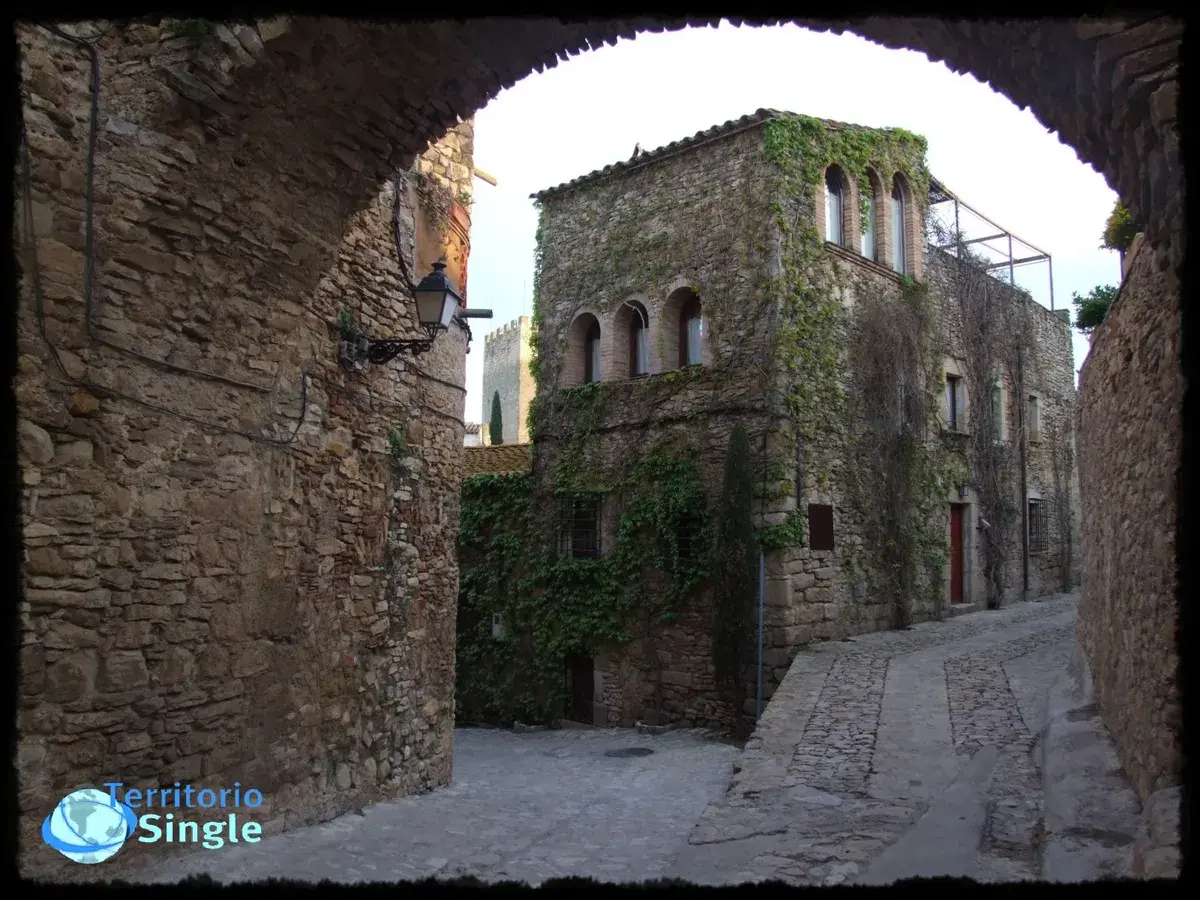
Peratallada does not look built. It looks excavated. Located in the Baix Empordà region, this village was carved directly from the stone substrate. You can still see the moat, cut into solid rock, encircling the fortifications.
As you walk through the Plaça de les Voltes, observe the ground. You will see deep ruts in the stone. These are the marks of centuries of cart wheels. It is a tangible record of daily medieval life.
Gastronomy here is specific. Skip the main street restaurants. Go to Cal Tuset. They are famous for their artisan magdalenas. Order the chocolate and orange one. It costs approximately €2.50. Note that Cal Tuset is closed on Mondays and Tuesdays, so plan your 2025 visit accordingly.
• How to get there: Around 1h 45min by car via AP-7 and C-66. Public transport is possible via train to Girona or Flaçà and a local bus, but schedules are limited. • Best time to visit: Weekdays or shoulder seasons. Narrow stone streets feel calmer and more atmospheric outside summer weekends.
Rupit: Woodsmoke and Suspension
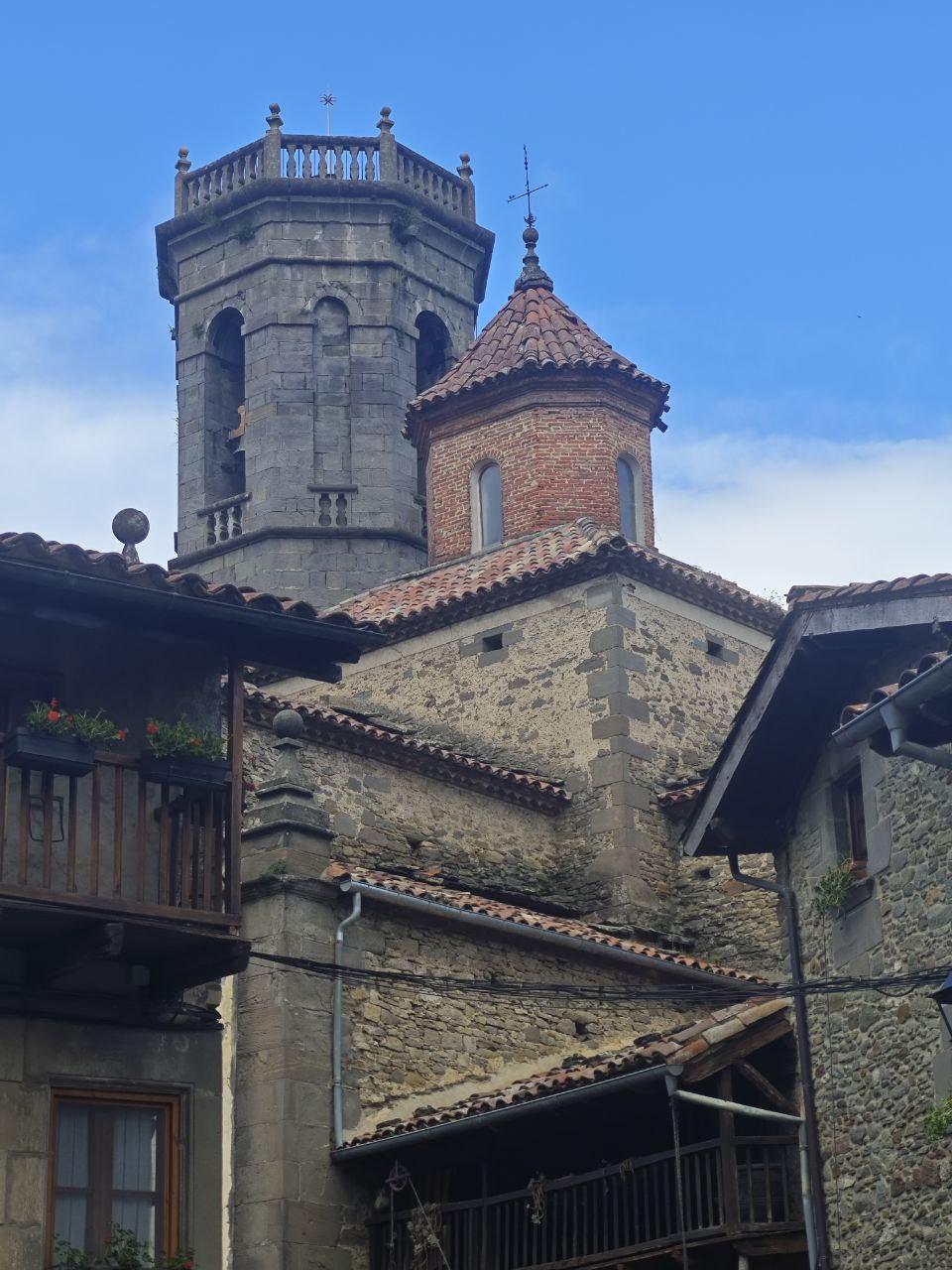
The drive to Rupit involves curves. If you are sensitive to motion, take medication beforehand. The reward is a village that feels like a mountain hideaway in the Osona region. The houses are made of dark stone, blending seamlessly into the forest.
The air here smells of woodsmoke. Cars are banned inside the village. You must leave your vehicle at the entrance parking lot, which costs between €5 and €20 depending on the season.
Access to the village center is often via a hanging suspension bridge. It has a limit of 10 people at a time. Cross before 10 AM to avoid the queue. Once inside, visit Forn de Pa l'Era. Buy a Coca de Forner, a sugar-dusted flatbread. It is best eaten while walking through the stone streets.
• How to get there: Easiest by car; about 1h 40min from Barcelona with a winding final stretch. Public transport exists but involves multiple connections and long waits. • Best time to visit: Mornings, especially outside holidays. Autumn brings mist and woodsmoke, which suit the mountain setting perfectly.
Siurana: The Edge of the Cliff
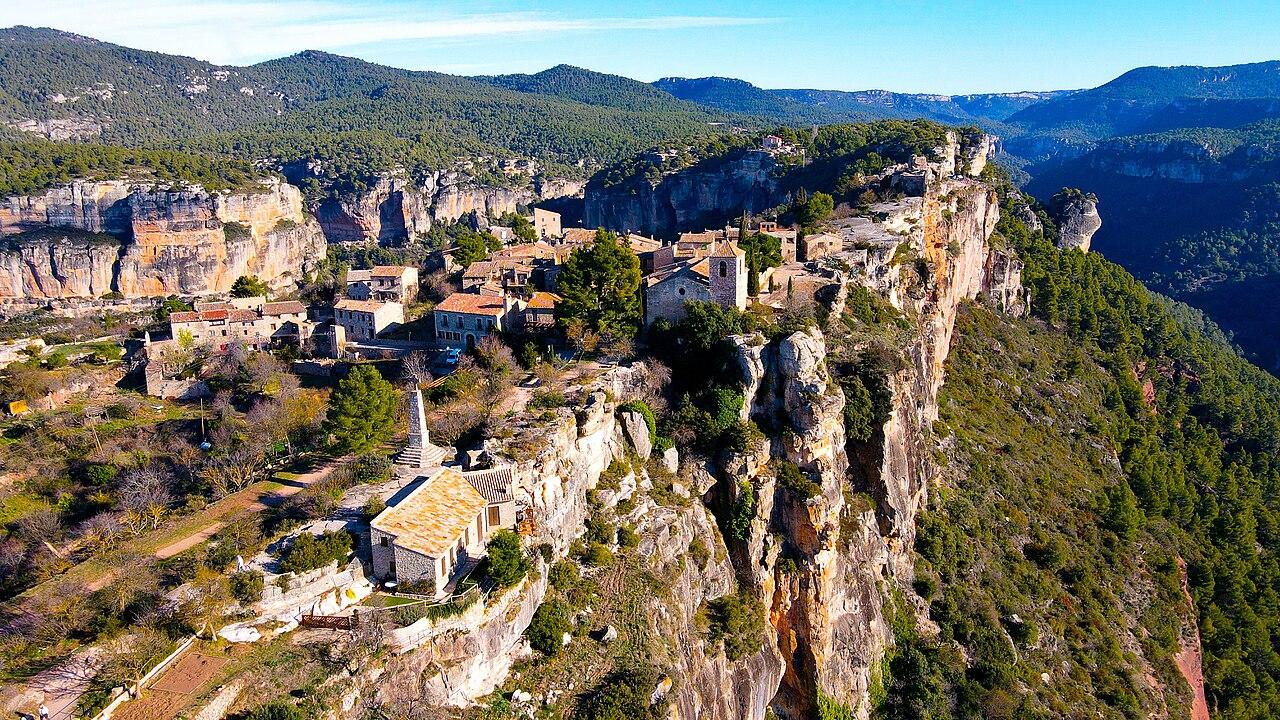
Siurana offers a different perspective. It sits on a limestone cliff edge in the Priorat wine region. The views are vertigo-inducing. You will likely see climbers scaling the cliffs from your vantage point on the village walls.
This was the last Moorish stronghold in Catalonia. The specific spot known as Salto de la Reina Mora offers the best sunset in the region. The light hits the church stone and turns it a warm gold.
Parking is a logistical challenge. The lot costs around €3 and fills up by 11 AM on weekends. During Easter or summer, a shuttle bus is often mandatory. Pack a picnic with local Priorat wine. It is a place to sit and observe, not to rush.
• How to get there: Roughly 2 hours by car via Reus or Cornudella, with a steep final climb. Public transport is minimal, so a car is strongly recommended. • Best time to visit: Late afternoon for warm cliffside light. Spring and early autumn avoid the parking crunch of summer weekends.
Mura: The Quiet Alternative
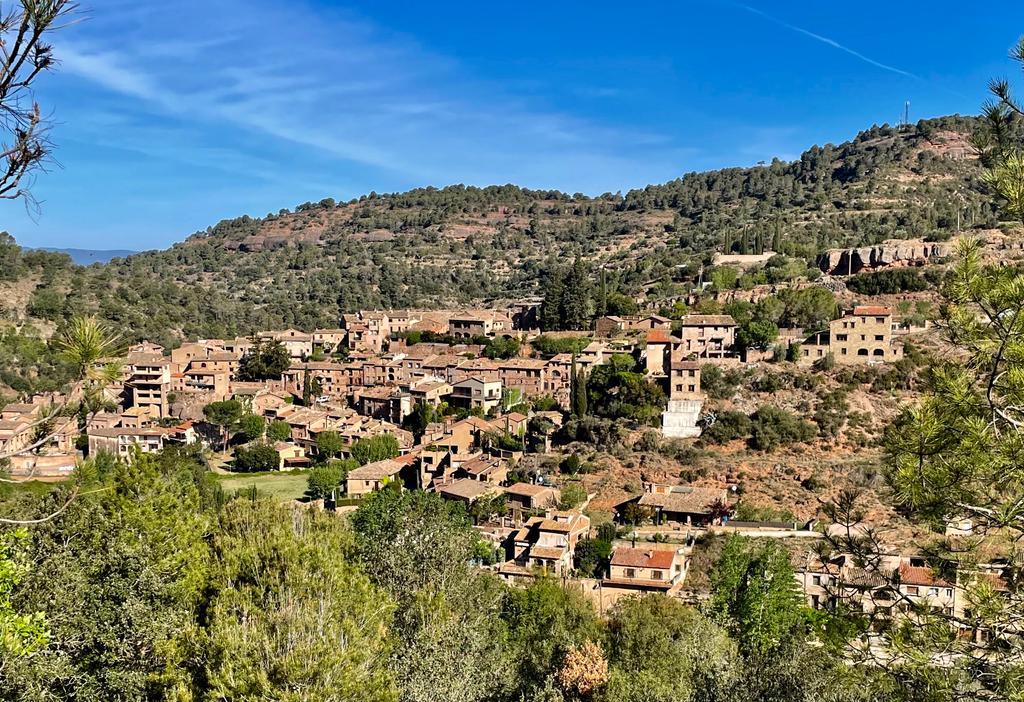
If you seek silence rather than monuments, go to Mura in the Bages region. It attracts fewer tour groups and more hikers. The atmosphere is defined by the Sant Llorenç del Munt nature reserve.
Start with a walk along the Riera de Nespres trail. It is an easy hike suitable for most fitness levels. The physical exertion justifies the meal that follows.
Restaurant Cal Carter is the culinary reason to visit Mura. Their chickpea stew is renowned. Lunch here costs between €30 and €40. You must make a reservation weeks in advance for a weekend table. Do not expect to walk in without a booking.
• How to get there: Best reached by car, about 1h 15min from Barcelona. Public transport is limited and slow, with infrequent regional buses. • Best time to visit: Spring or autumn for comfortable hikes and quiet lanes. Weekdays offer the most peaceful experience.