Budapest Explained: What It Is Known For, When to Go and What to See
Last updated: October 2026
Intro
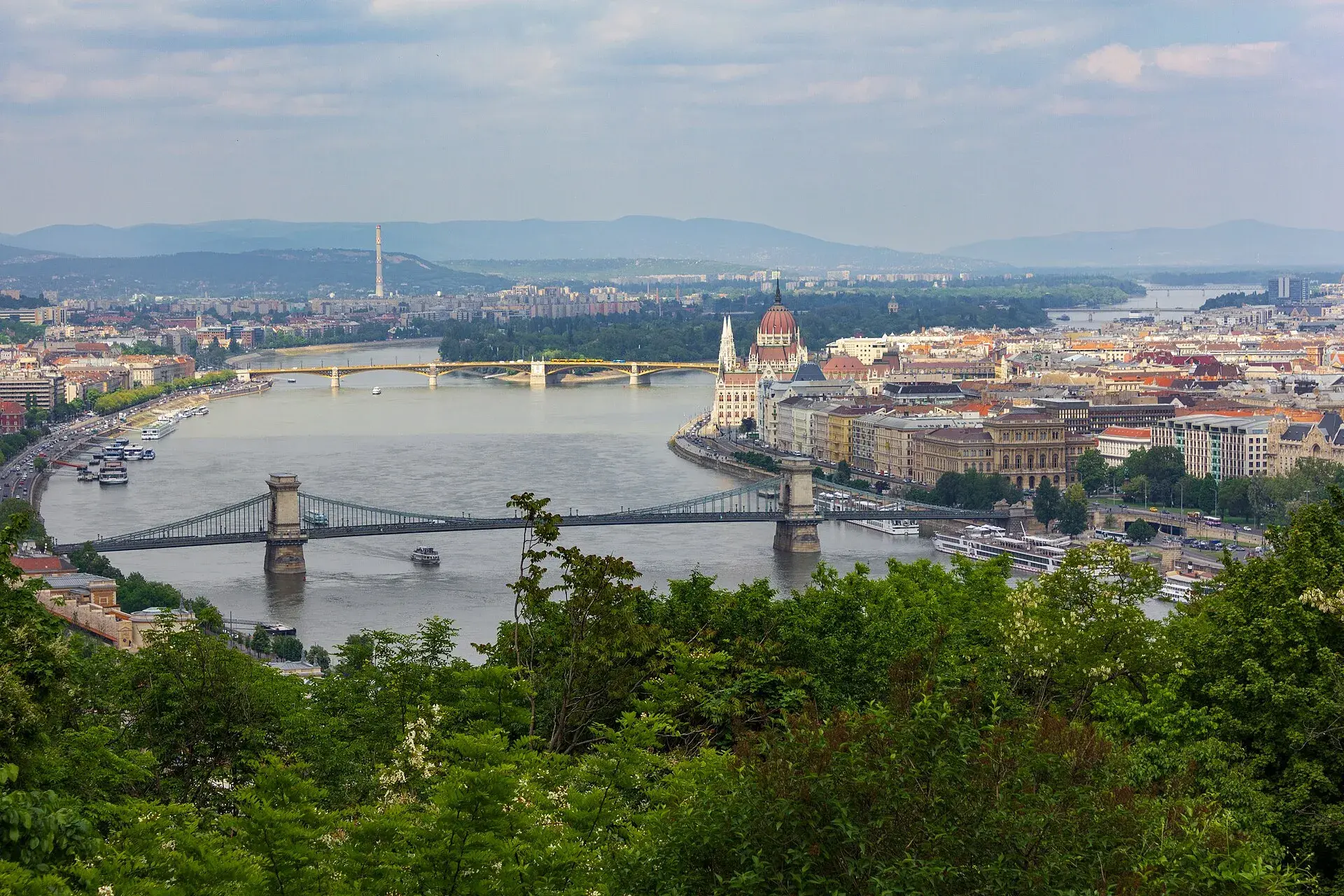
Budapest is known for its thermal baths, a wide Danube lined with grand Habsburg-era buildings, and a city that is really two places with one name: hilly Buda on the west bank and flat Pest on the east. The freshest thing to know in 2026 is what costs what. The Parliament tour is 14,000 Ft for visitors from outside the EEA and 7,000 Ft for those inside it since 1 January 2026, the Fisherman's Bastion charges 1,700 Ft and takes cards only, and a weekday daily ticket with a locker at Széchenyi bath is 13,200 Ft. Prices below were checked in October 2026, in forints (Ft), because Hungary does not use the euro.
Ciceru offers a self-guided walk in the Ciceru app, with a story and a quiz question at each stop and a free 500 MB global eSIM. The Budapest walking tour is €7, 4 km and about 3 hours, with 7 quiz stops, starting at the Hungarian Parliament.

⚡ Quick answer
- What Budapest is known for: thermal baths, the Danube, Parliament and Castle Hill, grand 19th-century architecture, and evenings in old courtyard buildings
- Buda or Pest: Buda is hilly, quieter and has the Castle District. Pest is flat, bigger and has Parliament, the Basilica, the market hall and most of the nightlife
- Freshest changes: Parliament 7,000 Ft for EEA citizens and 14,000 Ft for others, Fisherman's Bastion 1,700 Ft by card, free on three national holidays, Gellért bath closed since 1 October 2025, reopening expected in 2028
- Best time to go: late April to June and September to mid October, with highs of roughly 19°C to 27°C
- Worst time: July and August for heat, and mid winter for cold, grey days
- How many days: three full days; two works if you skip the baths
🌉 What Budapest is actually known for
Budapest is known for water. The Danube runs through the middle, and hot springs under the city feed bath houses that have been in use for centuries, from Neo-Baroque halls to Ottoman-era domes. It is also known for its look: domes and spires along the river, much of it built around the 1890s, when Hungary celebrated a thousand years of statehood. The third thing is the evening scene: bars in old apartment blocks, wine bars and late dinners.
🏛️ The short history that explains the layout
Budapest was not one city for most of its life. Buda, Óbuda and Pest were officially unified in 1873 and renamed Budapest. Before that they were separate towns on either side of the river, and you can still feel the join.
Buda is the west bank: hills, steep streets and the Castle District on top. It was the royal side, with the palace, Matthias Church and the Fisherman's Bastion. Óbuda, the oldest part, lies further north.
Pest is the east bank, flat, and where trade, theatres and housing grew. Parliament, St Stephen's Basilica, the Great Market Hall, the old Jewish Quarter and the long avenue towards the City Park are all here, along with most restaurants and bars.
The practical point: visitors often book on the wrong side for their plans. Stay in Pest for evenings, food and easy walking. Stay in Buda for quiet streets and views, and accept the hills. You will cross the river daily either way. Tickets and transfers are in Getting Around Budapest.
📍 The five places everyone goes
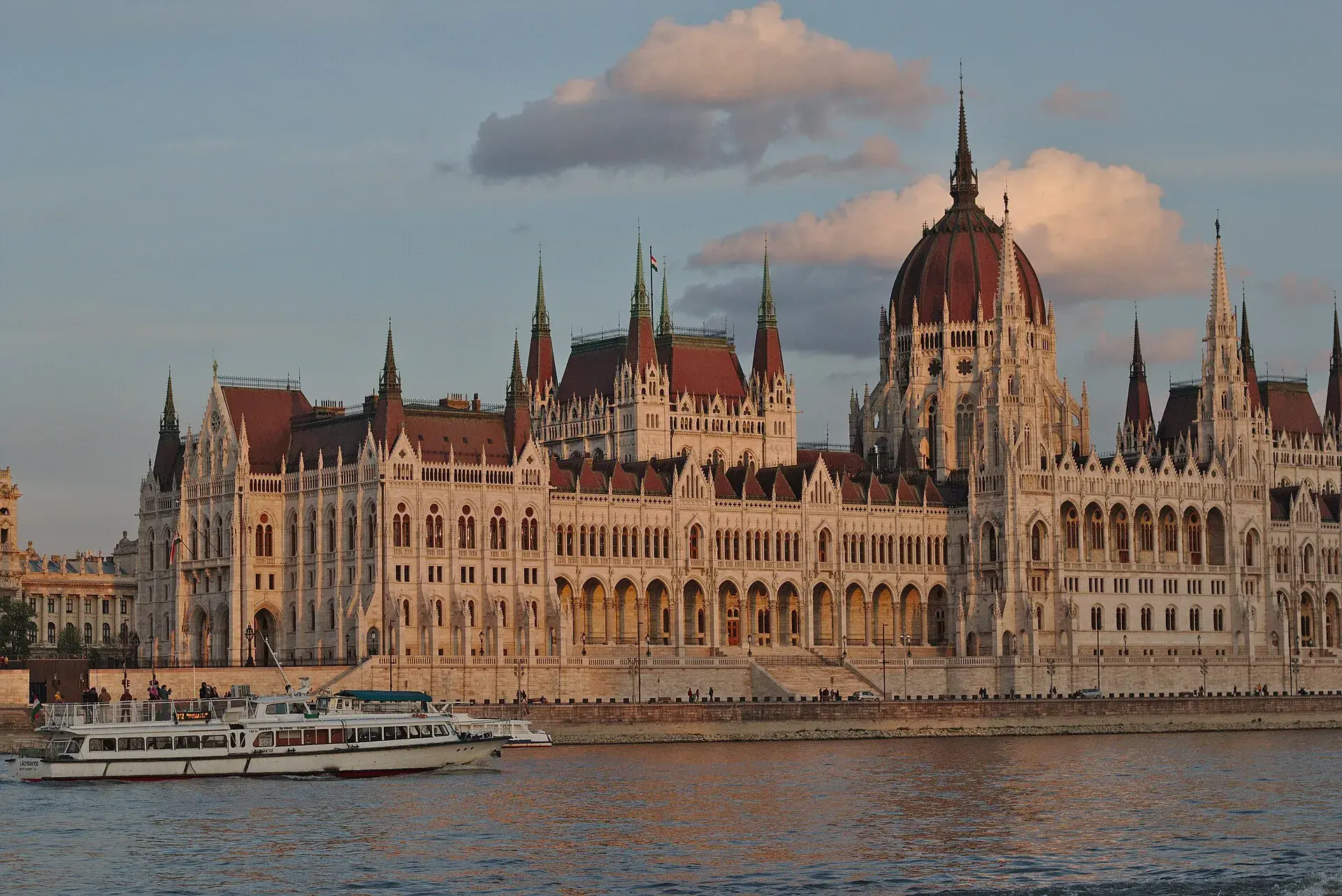
Hungarian Parliament 📍 Kossuth Lajos tér, Pest 💶 7,000 Ft for EEA citizens, 14,000 Ft for non-EEA citizens, half price for students aged 6 to 24, free under 6. These are the Parliament's own prices from 1 January 2026, up from 6,500 and 13,000 Ft. 🕐 Guided tours last about 45 minutes, in several languages including English. Buy only on the Parliament's official ticket platform, and bring proof for any discount. Verdict: worth it for the interior, less so at the non-EEA price. The outside costs nothing and looks best from across the river.
Fisherman's Bastion 📍 Castle District, Buda 💶 1,700 Ft, half price for students, children aged 6 to 14 and EU seniors. The cashier takes cards only and is staffed 09:00 to 17:00. 🕐 09:00 to 19:00 from 2 January to 31 May and 1 October to 23 December, 09:00 to 21:00 from 1 June to 30 September. Free on 15 March, 20 August, 23 October and 24 to 31 December. Verdict: yes, for the terraces and the view to Parliament.
Buda Castle district 📍 Castle Hill, Buda 💶 free to walk. Verdict: worth a slow hour for the streets and courtyards. Matthias Church charges 3,400 Ft for an adult church ticket and 4,000 Ft for the tower, which runs in timed slots with a 10-minute guided tour.
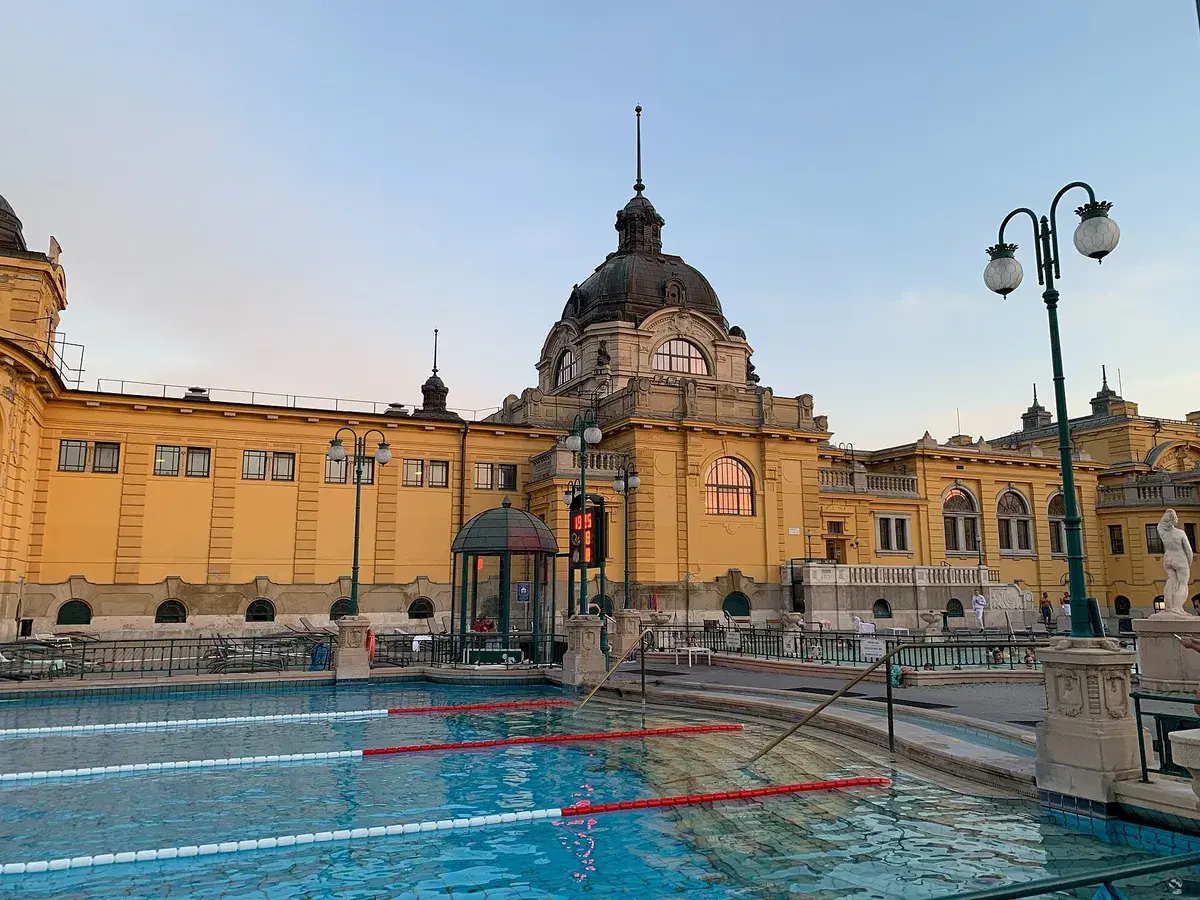
Széchenyi bath 📍 Állatkerti körút 9 to 11, City Park, Pest 💶 daily ticket with a locker: 13,200 Ft on weekdays, 14,800 Ft on Fridays and weekends, 15,800 Ft in peak season. The "Good morning Budapest" ticket (entry until 09:00) is 10,500 Ft on weekdays and 11,800 Ft on Fridays, and not sold at weekends. Desk sales take bank cards only. 🕐 Monday to Thursday 07:00 to 20:00, Friday 07:00 to 22:00, Saturday and Sunday 08:00 to 20:00. Verdict: worth the money, ideally on a weekday morning. The cost picture is in Budapest on a Budget.
Great Market Hall 📍 Vámház körút 1 to 3, Pest 🕐 Monday to Friday 06:00 to 18:00, Saturday 06:00 to 16:00, Sunday 10:00 to 16:00, closed on public holidays. Entry is free. Verdict: yes, and go early. What to order is in What to Eat in Budapest.
The Chain Bridge is free and you will cross it anyway. The Basilica in Pest charges for its church interior, which its own site lists as 09:00 to 18:00 Monday to Saturday and 13:00 to 18:00 on Sunday, with the panorama terrace and treasury daily 09:00 to 19:00. Prices are published only as images, so check them on the day.
🙈 Three places most visitors skip and shouldn't
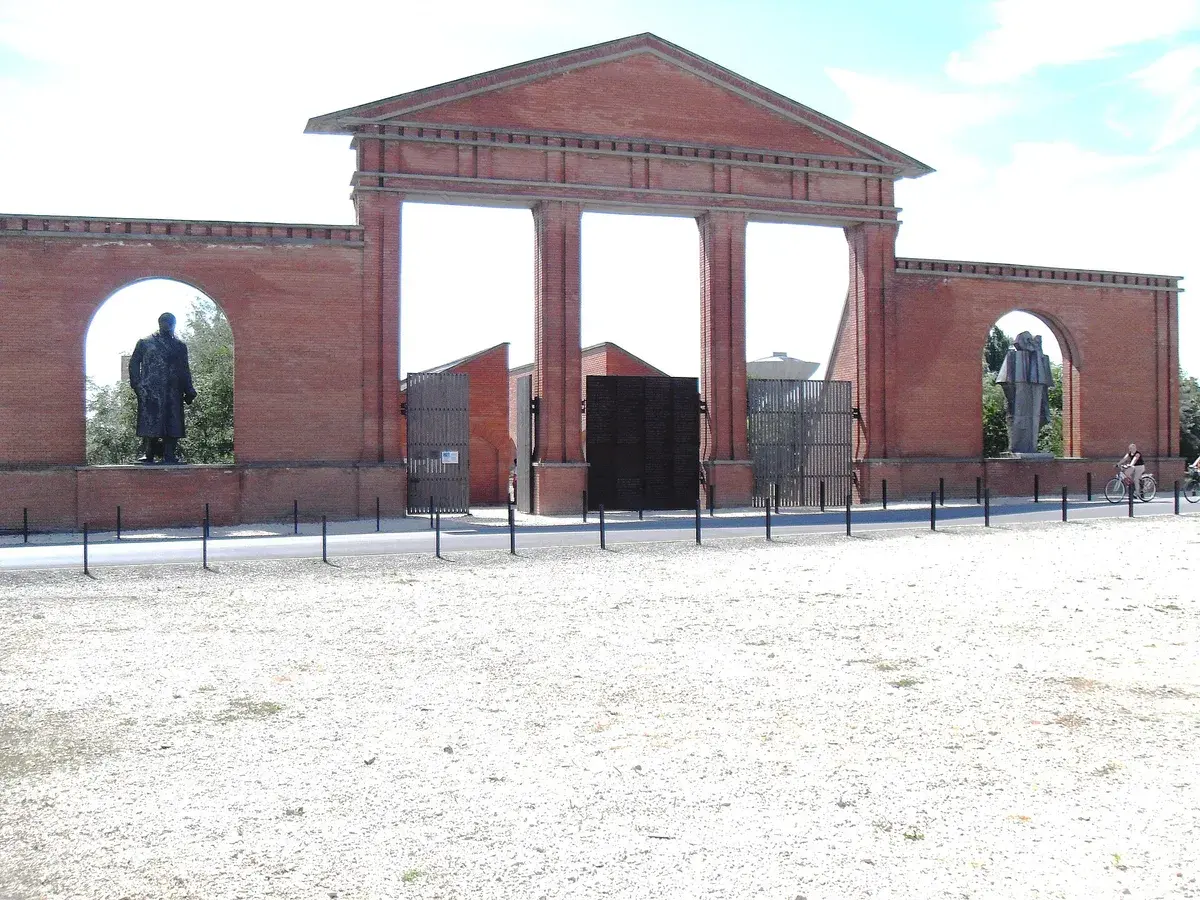
- Memento Park 📍 corner of Balatoni út and Szabadkai utca, XXII district. Communist-era statues, moved out of the centre and displayed together. 💶 3,000 Ft adult, 1,800 Ft students, 1,200 Ft children under 14, free under 6. 🕐 Its ticket page gives 10:00 to 18:00 from May to October and 10:00 to 16:00 from November to April, but its visitor page says 10:00 to 17:00, so confirm on the day. Allow a half day for the trip out.
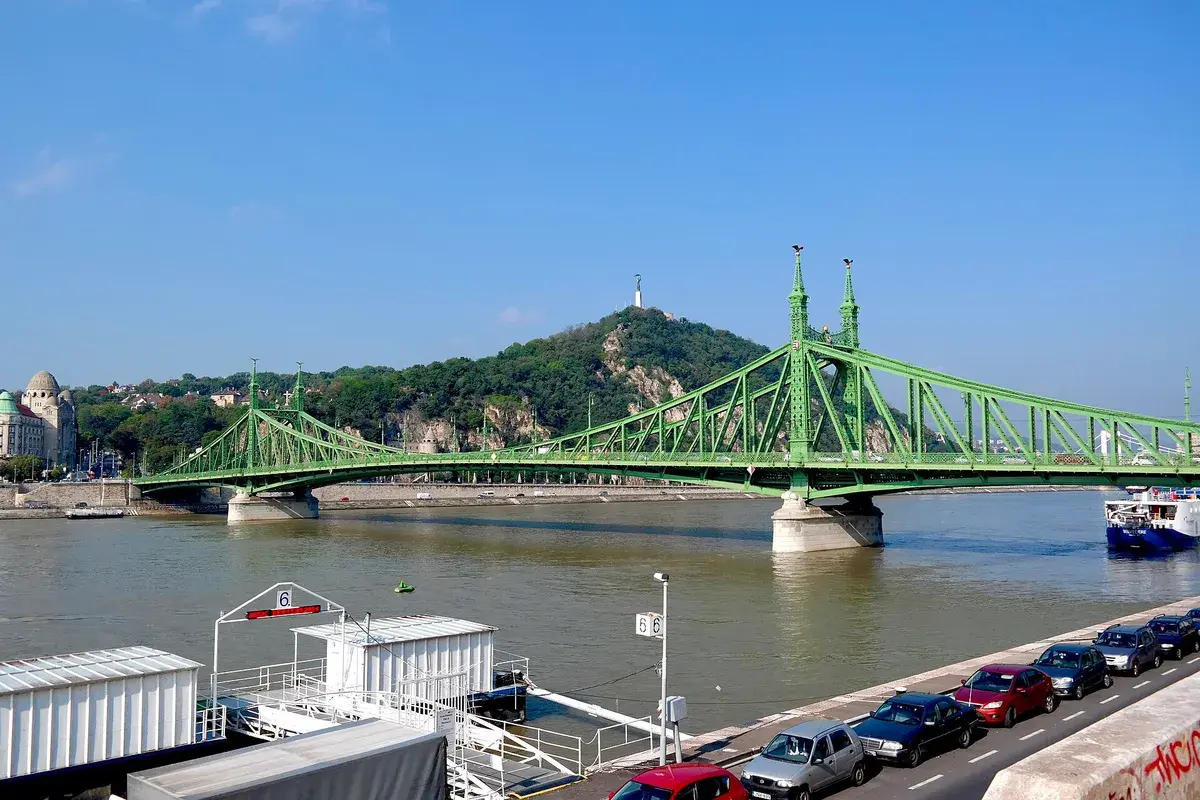
- Gellért Hill and the Citadella 📍 Buda, beside the Liberty Bridge. A steep, free climb to a wide view over both halves of the city. Wear shoes with grip.
- Margaret Island 📍 in the Danube between Margaret Bridge and Árpád Bridge. A long park in the river, good for a flat walk or a bike ride after the stone streets.
More free ideas, and what is not free any more, are in Free Things to Do in Budapest.
🌦️ Weather month by month
Average daily highs and lows, 1991 to 2020 normals for the central Budapest station (WMO 12840), as compiled on Wikipedia. HungaroMet publishes its own series on met.hu, so treat these as close, not official.
- January: 5°C high, minus 1°C low
- February: 7°C high, 0°C low
- March: 12°C high, 4°C low
- April: 19°C high, 9°C low
- May: 23°C high, 13°C low
- June: 27°C high, 16°C low
- July: 29°C high, 18°C low
- August: 29°C high, 18°C low
- September: 23°C high, 13°C low
- October: 17°C high, 9°C low
- November: 11°C high, 4°C low
- December: 5°C high, 0°C low
HungaroMet's climate notes say most rain falls between May and July and January is now the driest month. These are averages, so check the forecast the week you travel.
🗓️ Best and worst months
Best: late April to June, and September to mid October. Highs run from the high teens to the high twenties, and May and September are the sweet spots.
Hottest: July and August, with highs around 29°C on average. Do sights in the morning and save the bath for the evening.
Winter: December to February is cold and grey, though the baths suit it, and December has the Christmas markets. The Fisherman's Bastion is free from 24 to 31 December.
Public holidays: 15 March, 20 August and 23 October are national days, and the Bastion is free on all three. Check hours for anything else.
Big events: the summer festival and Formula 1 weekends push up hotel prices. Check dates before you book.
📅 How many days
Three full days is the right length. Day one: Parliament, the Basilica and the Great Market Hall. Day two: Castle Hill and the Bastion in the morning, Gellért Hill after lunch. Day three: a bath, then an evening in the old Jewish Quarter. Two days works if you skip the bath. A fourth day suits Memento Park, Margaret Island or a slow afternoon. Working remotely? See coworking spaces in Budapest.
🚶 A two-hour essentials walk
With two hours, start at the Great Market Hall, at the Pest end of the Liberty Bridge, and spend half an hour in the stalls (it opens at 10:00 on Sundays). Cross the Liberty Bridge on foot, climb Gellért Hill to the Citadella for the view back over the river, and walk down to the water. Allow about two hours at an easy pace, with the climb the hard part.
For a longer look at the centre, the Ciceru Budapest walking tour starts at the Hungarian Parliament, covers 4 km in about 3 hours, and has 7 quiz stops with a story at each.
❓ FAQ
What is Budapest known for?
Thermal baths, the Danube, Parliament and Castle Hill, grand 19th-century architecture and evenings in old courtyard buildings. The split between hilly Buda and flat Pest explains most of how the city feels.
What is the best month to visit Budapest?
May and September. Highs average 23°C in both, and the crowds are lighter than in July and August.
How many days do you need in Budapest?
Three full days for the main sights and one bath. Two days works if you skip the bath, and a fourth gives room for Memento Park or a slower pace.
✅ Before you go
Book Parliament only on its official page, carry a card for the Bastion cashier, and book the bath for a weekday morning. See Getting Around Budapest for transport and luggage, Budapest on a Budget for real costs, What to Eat in Budapest for dishes, Free Things to Do in Budapest for what costs nothing, and The Cheapest Coworking Spaces in Budapest for working on the road. To walk the centre, try the Ciceru walk, or see all Budapest tours at ciceru.com/tours/hungary/budapest.