Do You Need an eSIM in Europe? An Honest Answer
Last updated: August 2026
Introduction
Europe is not one roaming market for every traveller. An eSIM can be a useful way to get data after landing, but it can also be an unnecessary purchase if your home plan already includes roaming. The right answer depends first on where your SIM is from, then on the countries you will visit, your data allowance and whether you need your normal phone number.
The simplest rule is this: an EU or EEA resident travelling within the EU or EEA will usually do better using their existing SIM. A visitor from the United States, Canada, Brazil or another country with expensive roaming will usually find a travel eSIM cheaper. The United Kingdom, Switzerland and the western Balkans need a plan-by-plan check.

Quick answer by traveller type
- EU or EEA resident visiting EU or EEA countries: usually no. Roam Like at Home normally lets you use your domestic allowance at domestic rates, subject to fair-use limits.
- EU or EEA resident visiting Switzerland, the United Kingdom, Turkey or the Balkans: maybe. These destinations are outside the statutory EU roaming area, so check your operator before departure.
- UK resident with an inclusive European plan: often no. O2 is a good example, while EE, Vodafone and Three vary by plan or charge a daily or multi-day fee.
- US resident on AT&T or Verizon: usually yes. A one-week operator roaming pass can cost US$84, while a 3 GB regional eSIM can cost about US$11 to US$13.
- US resident on an eligible T-Mobile premium plan: often no. Check the plan’s included high-speed data before buying anything.
- Canadian or Brazilian resident without inclusive European roaming: usually yes. Operator day passes can be substantially more expensive than a small regional data plan.
- Anyone who needs ordinary calls, SMS or bank verification: perhaps, but keep the home line active if the travel eSIM is data-only.
Who does not need one
If your home mobile subscription is from an EU or EEA country and your trip stays in the EU or EEA, start by checking the existing SIM. EU Roam Like at Home rules cover the 27 EU member states plus Iceland, Liechtenstein and Norway. The European Commission’s framework means that a normal finite plan generally works abroad at the same price as at home.
That does not always mean unlimited data. Operators can apply a fair-use limit to unusually cheap or unlimited domestic plans. The regulated calculation is based on twice the monthly retail price excluding VAT divided by the wholesale data cap. For 2026, the dossier’s worked example uses a €20 monthly price excluding VAT and a €1.10 per GB wholesale cap, producing roughly 36.4 GB of minimum roaming data. Your operator should show the actual allowance in its app or terms.
A one- or two-week holiday is also not permanent roaming. Operators monitor use over a four-month period. Surcharges can follow if both presence and consumption are predominantly abroad, but an ordinary holiday is nowhere near that pattern.
The same conclusion can apply outside the EU when your operator has a generous travel benefit. A T-Mobile premium US plan, for example, may include high-speed data in more than 200 destinations. Buying another eSIM in that situation gives you another activation to manage without solving a real problem.
The major exception is destination coverage. Switzerland is not covered by statutory EU roaming, and the United Kingdom, Turkey, Albania, Bosnia and Herzegovina, Serbia, Montenegro, North Macedonia, Kosovo, Andorra, Monaco, San Marino and Vatican City also require a separate check. Some home operators include them, some do not. Do not infer the answer from the country’s proximity to the EU.

Who does need one
A travel eSIM is most useful when your home operator charges a daily roaming fee, sells an expensive data bundle or offers no usable roaming in the destination. It is also helpful when you want a fixed amount of data and do not want to visit a shop for a local SIM.
The price gap is clearest for visitors from North America. AT&T and Verizon both list a US$12 International Day Pass or TravelPass in the relevant European destinations, making seven days US$84 before taxes or other conditions. Bell lists C$16 per day, and TELUS is around C$18 per day. A Brazilian visitor may face about R$39.90 to R$39.99 per day on the major operators. A small travel eSIM can be much less.
An eSIM is not automatically the best option. A local physical SIM can provide a local number and more data, especially for a longer stay. The tradeoff is time, identity checks, shop opening hours and the need to remove or store your existing SIM. For a short visit, the convenience of an eSIM often wins. For a month of heavy data use, compare local prepaid offers before paying for an unlimited-looking travel plan.
Buy one when roaming is expensive, destination coverage is confirmed and you mainly need data. Skip it when your existing plan already covers the trip at a fair price. Treat it as wasteful when it duplicates included roaming and you have no need for another data line.

How eSIM works and what goes wrong
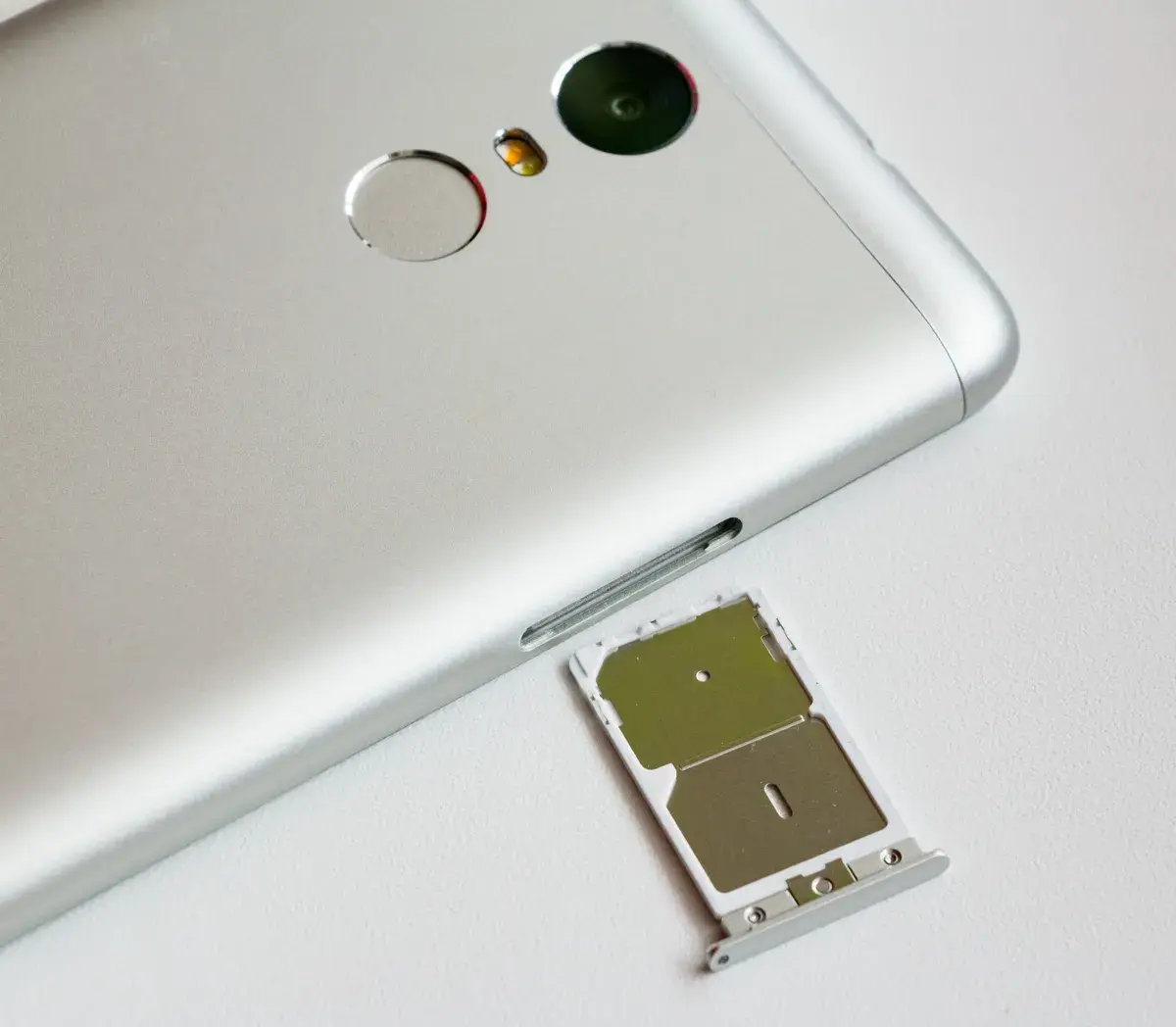
An eSIM is a digital SIM profile downloaded to a compatible device. It does not automatically unlock a phone or guarantee a phone number. Before buying, check that the handset supports eSIM and is carrier-unlocked. On an iPhone, Settings, General and About should show Carrier Lock as “No SIM Restrictions”. iPhone XS and XR models and later generally support eSIM, with regional and model exceptions. Pixel 4 and later support it, while Samsung support depends on the exact model and market. Look for an “Add eSIM” option in the mobile-network settings.
Install the profile while connected to Wi-Fi or while another line still provides data. Waiting until arrival with all roaming switched off can leave you unable to download the profile. Installation and activation are different: some plans start when the eSIM first connects to a destination network, while others start at installation or require activation within a stated window. Read the provider’s rule before scanning the QR code.
Many travel eSIMs are data-only. They may support messaging apps, email and internet calling, but they usually do not replace the ordinary mobile number used by a bank or service. Keep the home line enabled for incoming SMS if necessary, set the travel eSIM as the data line and turn off data roaming on the home line. Receiving SMS is usually different from using mobile data, but charges depend on the home operator, so confirm its policy.
Do not assume a travel eSIM can move to a second phone. Airalo says its profiles generally cannot be transferred, and deleting one can prevent reinstallation. Apple or Google device-transfer features do not override the travel provider’s terms. If your phone is lost, reset or replaced, support may be the only route to recovery.

What the options cost
Prices change, and the comparison below is a snapshot checked on 31 August 2026. Taxes, promotions, speed limits, hotspot rules and activation conditions can alter the result.
- Small regional eSIM: Airalo listed 3 GB for 7 days in Europe at about US$11. Nomad listed 3 GB for 30 days at about US$12, with a 1 GB, 7-day option around US$5.50. Saily listed 3 GB for 30 days at about US$12.49.
- Unlimited-style travel eSIM: Holafly listed 7 days at about €25.50. “Unlimited” still requires checking fair-use, speed and tethering conditions.
- Operator roaming: O2 UK’s major European plan can be £0 extra, while Vodafone UK listed an £16 8-day pass and Three’s newer chargeable plans can total £19.25 for seven days. AT&T and Verizon can each reach US$84 for seven days. Bell can reach C$112 and TELUS about C$126.
- Local prepaid SIM: examples included a German Vodafone CallYa offer at €9.99 for 4 GB over four weeks, an Italian Iliad offer at €7.99 plus a €9.99 SIM activation, and a French Bouygues tourist SIM from €19.90. Local availability and first-month conditions need checking at the point of purchase.
- Ciceru’s included option: Ciceru includes a free 500 MB global eSIM with every tour, powered by NINJA TRAVEL eSIM. It is a useful safety net for maps, messaging and boarding passes for a day or two. It is not a video or tethering allowance and will not cover a fortnight.
For a one-week, 3 GB trip, an EU or EEA resident with enough domestic allowance may pay €0 extra through statutory roaming. A traveller on a chargeable North American plan may save substantially with an $11 to $13 regional eSIM. The included Ciceru allowance can cover arrival tasks and basic communication, but a longer or data-heavy trip needs a larger plan or included roaming.
Coverage
The country name on an eSIM product page is not the same thing as a guaranteed experience. Check the listed partner networks, 4G or 5G availability, fair-use terms and whether hotspot use is allowed.
The research snapshot found Airalo listing O2 as a primary network in Germany, Orange in Spain and WindTre in Italy, with some additional Italian networks verified by independent checks. Ubigi listed O2 in Germany, Iliad and WindTre in Italy, Orange in Spain, and several networks in France and Portugal. Exact partner mappings for Saily, Holafly and Nomad were not consistently available from operator-direct sources and should not be presented as certain without checking the current product page.
Switzerland and the United Kingdom deserve particular attention because they are outside statutory EU roaming. A regional Europe plan may include them, exclude them or place them in a different zone. San Marino and Vatican City can also be treated differently from nearby Italy by a provider. Confirm the exact destination list before payment.
Coverage can also vary by congestion, local network priority and the handset’s supported bands. If reliable data matters for work, compare network partners and keep a second line or Wi-Fi fallback.
FAQ
Do I need an eSIM if I live in the EU?
Usually not for travel within the EU or EEA, provided your domestic allowance covers the expected use. Check fair-use data and any countries outside the statutory area before departure.
Will a travel eSIM give me a phone number and bank SMS?
Often not. Many are data-only. Keep the home SIM available for normal SMS and verification, and check the operator’s costs for calls, texts and data roaming.
When should I install it?
Install it before departure on reliable Wi-Fi, but read the activation rule first. Some plans begin at the first connection in the destination, while others begin at installation or expire after a fixed window.
Is the 500 MB Ciceru eSIM enough for a whole trip?
Ciceru includes a free 500 MB global eSIM with every tour, powered by NINJA TRAVEL eSIM. It is designed for light arrival use, such as messaging, boarding passes and map apps for a day or two. It is not enough for video, regular tethering or a two-week trip.
Before you go
- Check your home operator’s roaming countries, price and fair-use allowance.
- Check the handset is eSIM-compatible and carrier-unlocked.
- Install the travel profile on Wi-Fi and label the lines clearly.
- Set the travel eSIM as the data line, with data roaming off on the home line.
- Keep the home line active if you need bank SMS or your normal number.
- Read the provider’s activation, expiry, refund, hotspot and transfer rules.
- Save the provider’s support details and keep a Wi-Fi fallback for arrival.
The honest answer is not “always buy an eSIM”. It is “compare the roaming you already have with the data you actually need”. For many European residents, the existing SIM is the cheapest option. For visitors facing daily roaming charges, a modest regional eSIM can be the practical alternative.