Europe in Autumn: 10 Cities at Their Best
Last updated: September 2026
Europe in Autumn: 10 Cities at Their Best
The best European city for autumn depends on what you want autumn to do. In Seville and Athens, it removes the worst summer heat. In Edinburgh, Copenhagen and Prague, it adds foliage and a stronger seasonal atmosphere, but also shorter days and more rain. Vienna brings vineyards and wine taverns into the decision, while Porto makes food and wine appealing at the cost of a real wet-weather risk.
This is a practical shortlist of ten cities where the season changes the reason to go. Use the timing below to match your trip to the weather, daylight and experience you want.

Quick answer by traveller type
- For warmth without the height of summer: Seville, Athens, Lisbon or Rome.
- For food and wine: Vienna or Porto.
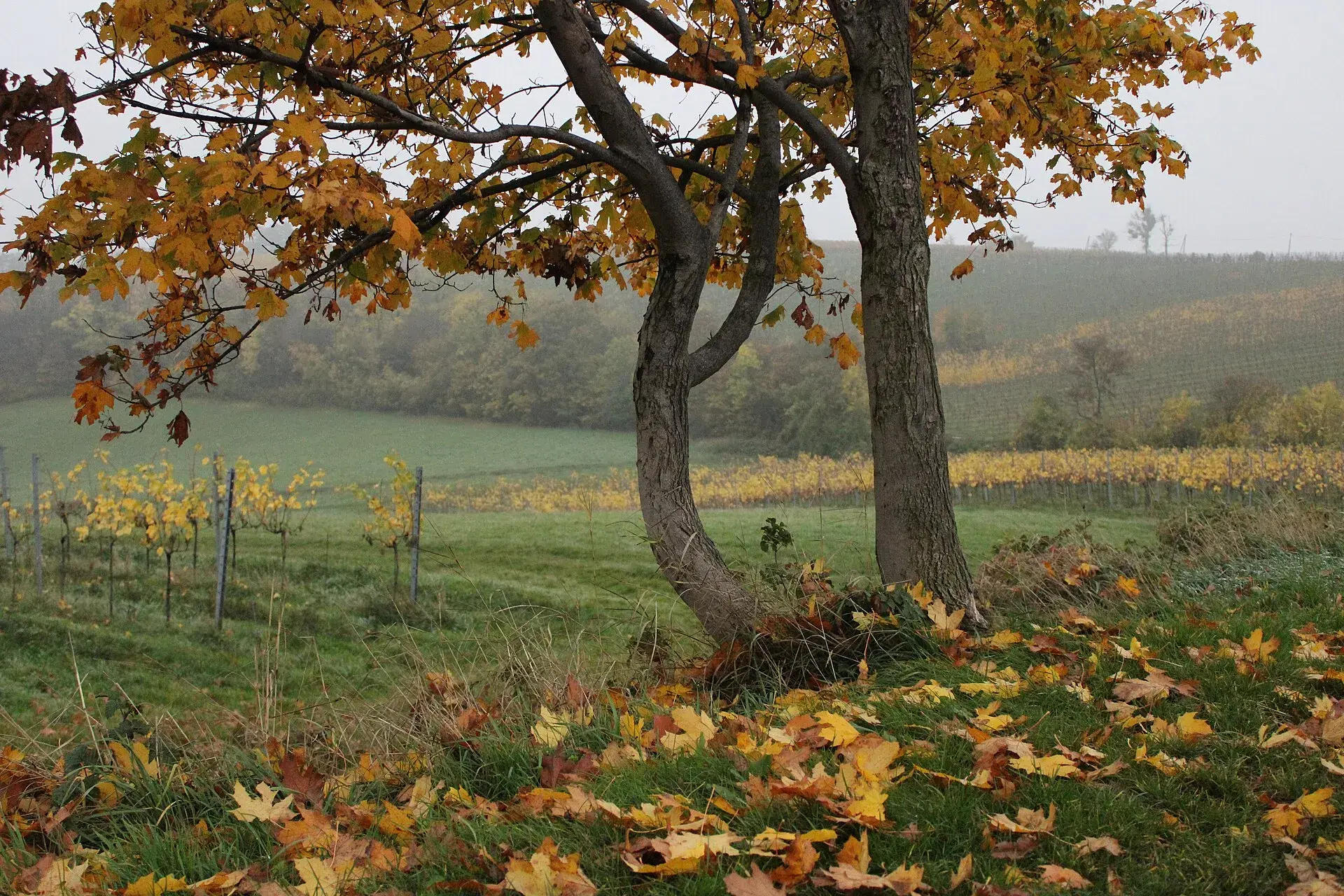
- For foliage and a clear fall atmosphere: Edinburgh, Copenhagen, Prague or Vienna.
- For museums plus comfortable outdoor time: Florence, Vienna or Copenhagen.
- For a relatively dry October walking pattern in the climate data used here: Athens, Prague or Vienna. This is an average comparison, not a forecast.
- For late autumn: Lisbon, Seville, Rome and Athens are generally more forgiving than the northern choices.
What makes autumn a useful city-break season?
Autumn is three different seasons across Europe. September in Athens can still feel like summer, while November in Copenhagen can feel close to winter. Average rainfall tells you which destinations carry a higher structural risk, but not whether your particular weekend will be wet. Foliage timing is a normal window, not a fixed appointment. Prices and visitor levels depend on weekends, conferences, school holidays and exhibitions as much as on the season.
The useful question is therefore not “Where is Europe best in autumn?” It is “Which city’s trade-offs suit this month and this kind of day?”
1. Rome, Italy
Best window: Late September through late October, with October the clearest choice.
Rome’s autumn case has a local name. Turismo Roma describes October’s mild, bright spell as the Ottobrata Romana, a seasonal idea historically connected with end-of-harvest outings and wine. Autumn also makes long outdoor days more comfortable than the hottest part of summer.
October climate normals are approximately 23°C highs and 12°C lows, with around 75 mm of precipitation. November is cooler and somewhat wetter, so do not use “autumn” as if October and November were interchangeable. Villa Borghese and other historic green spaces add foliage to a city otherwise chosen for archaeology, architecture and food.
Major sights can still need timed reservations. There is not enough current evidence for a blanket claim that Rome is cheap or uncrowded in October. If your priority is dependable dry weather, Seville or Athens is a safer comparison. For independent city exploration, see Ciceru’s Rome city tour.
2. Florence, Italy
Best window: Late September to around mid-October.
Florence is strongest when art and outdoor time share the same day. October averages are roughly 22°C highs and 12°C lows, while rainfall rises to about 90 mm, considerably above the August figure. The heat recedes, but the month is not a dry-weather guarantee.
The seasonal frame is Tuscan harvest food and wine reaching the city, combined with an autumn exhibition calendar that can be checked through FeelFlorence. Historic gardens are the main operational watch-out because outdoor venues may move to shorter schedules. Do not assume that Uffizi, Accademia or Duomo booking pressure disappears in autumn.
Florence suits art-first travellers who want to spend time outside without July or August heat. If gardens and outdoor photography are the whole purpose of the visit, check the forecast and hours carefully. Ciceru’s Florence self-guided city experience is a relevant option to explore alongside the museums.
3. Seville, Spain
Best window: October through early November.
Seville has the clearest “autumn fixes summer” story on this list. AEMET climate normals move from an average August high of about 35.5°C to approximately 26.0°C in October. October lows average around 14.4°C, precipitation is about 68 mm, and around six days receive at least 1 mm of rain.
That change makes outdoor life much easier. Architecture, plazas, neighbourhood streets and outdoor dining become practical at midday instead of a test of heat tolerance. Daylight is also generous compared with Central and Northern Europe. November is cooler and wetter, so October is the stronger anchor.
Some summer-specific rooftop, pool and late-night operations may reduce hours, but no broad autumn shutdown was identified. Do not promise low prices: October is attractive precisely because the weather is usable. Seville suits warmth seekers, food travellers and anyone who dislikes cold autumn evenings. Ciceru’s Seville self-guided tour is the natural internal link for readers ready to explore the city.
4. Athens, Greece
Best window: Late September through October.
Athens uses autumn to make exposed outdoor history more comfortable. October averages are around 24°C highs and 17°C lows, compared with an August high near 34°C. Precipitation remains modest at roughly 28 mm, although November becomes significantly wetter.
The strongest seasonal experience is not a special decoration or a single event. It is the return of practical outdoor time around archaeological sites and neighbourhoods. The official Athens tourism guide also promotes October outdoor activities and visits to Attica wineries, which gives food and wine travellers a second reason to choose the month.
Greek archaeological sites can move toward shorter winter hours later in autumn. Check the Culture Ministry’s current schedule before committing to a late-day visit. Athens suits travellers who want ancient history with warmth still in the forecast. If your priority is orange leaves and cool air, Prague or Edinburgh will feel more seasonal. See Ciceru’s Athens city experience.
5. Porto, Portugal
Best window: September to early October.
Porto’s autumn reason is food and wine, not reliable weather. Visit Porto explicitly presents autumn flavours around fresh produce, gastronomy and wine. September and early October let you use that seasonal frame while retaining more outdoor flexibility than late autumn.
October averages are around 21°C highs and 13°C lows, but precipitation rises to about 131 mm. November is wetter again. River and marine excursions are particularly sensitive to conditions, and exact service reductions vary by operator. Plan an indoor alternative before you need one.
There is no defensible city-wide autumn price claim here. Porto suits travellers who are happy to make food the fixed point and let the rest of the day move around showers. If dry weather is non-negotiable, Lisbon, Seville or Athens is a safer choice. No live Porto Ciceru tour was verified in the current catalogue on 2 September 2026, so there is no product link to invent.
6. Lisbon, Portugal
Best window: Late September through October.
Lisbon stays mild after summer without carrying Seville’s heat. October normals are approximately 23°C highs and 15°C lows, with about 70 mm of precipitation. That makes the city’s hills easier to handle while sunset viewpoints and neighbourhood exploration remain practical later in the year than in the northern cities on this list.
The Atlantic brings a clearer rain transition as autumn progresses. Ferries, viewpoints and outdoor plans can be affected, and individual monuments may reduce hours later in the season. No strong current evidence supports a blanket fall discount or a claim that the city is empty.
Lisbon suits warmer city breaks, food and travellers who want to spend time outside without peak-summer heat. Porto is the more distinctive choice if harvest food and wine are the central reason. Ciceru’s Lisbon self-guided city experience gives readers a relevant next step.
7. Prague, Czechia
Best window: Late September through roughly 20 October.
Prague offers a stronger fall atmosphere than the southern cities, without the same wind exposure as the far north. October averages are approximately 13°C highs and 5°C lows, with about 34 mm of precipitation. Schedule parks and gardens earlier in the day because daylight becomes a real constraint by late October.
Petřín, Letná and Stromovka provide foliage and open space, while Prague City Tourism foregrounds the city’s parks, gardens and vineyards. The trade-off is seasonal hours. Prague Castle Gardens move to 10:00 to 17:00 in October, compared with 10:00 to 20:00 in July and August. The Palace Gardens below Prague Castle use an October schedule of 10:00 to 18:00. The Straka Academy garden’s 2026 public Saturday season ends on 28 October.
Prague suits architecture, cafés and travellers who do not mind jacket weather. If warmth matters, Seville, Athens or Lisbon will fit better. Continue with Ciceru’s Prague city experience.
8. Vienna, Austria
Best window: Late September through late October.
Vienna has one of the most complete autumn propositions here. Vienna Tourism specifically points visitors toward vineyards, Heuriger wine taverns, parks and fall art and design exhibitions. The city’s seasonal identity extends beyond the historic centre into its wine-growing edges.
October averages around 15°C highs and 7°C lows, with roughly 39 mm of precipitation. Wind can make the conditions feel colder, especially later in the month. Autumn arts weekends may create their own demand, so “cheap season” is not a safe shorthand.
Vienna suits food and wine travellers, museum visitors and people who want a substantial city with a real seasonal landscape nearby. It is a poor match for anyone hoping for Mediterranean warmth. Ciceru’s Vienna self-guided city experience is the relevant internal link, while the wine-growing districts belong to a separate planning decision.
9. Copenhagen, Denmark
Best window: Mid-September to early October for outdoor balance; mid to late October for stronger fall atmosphere.
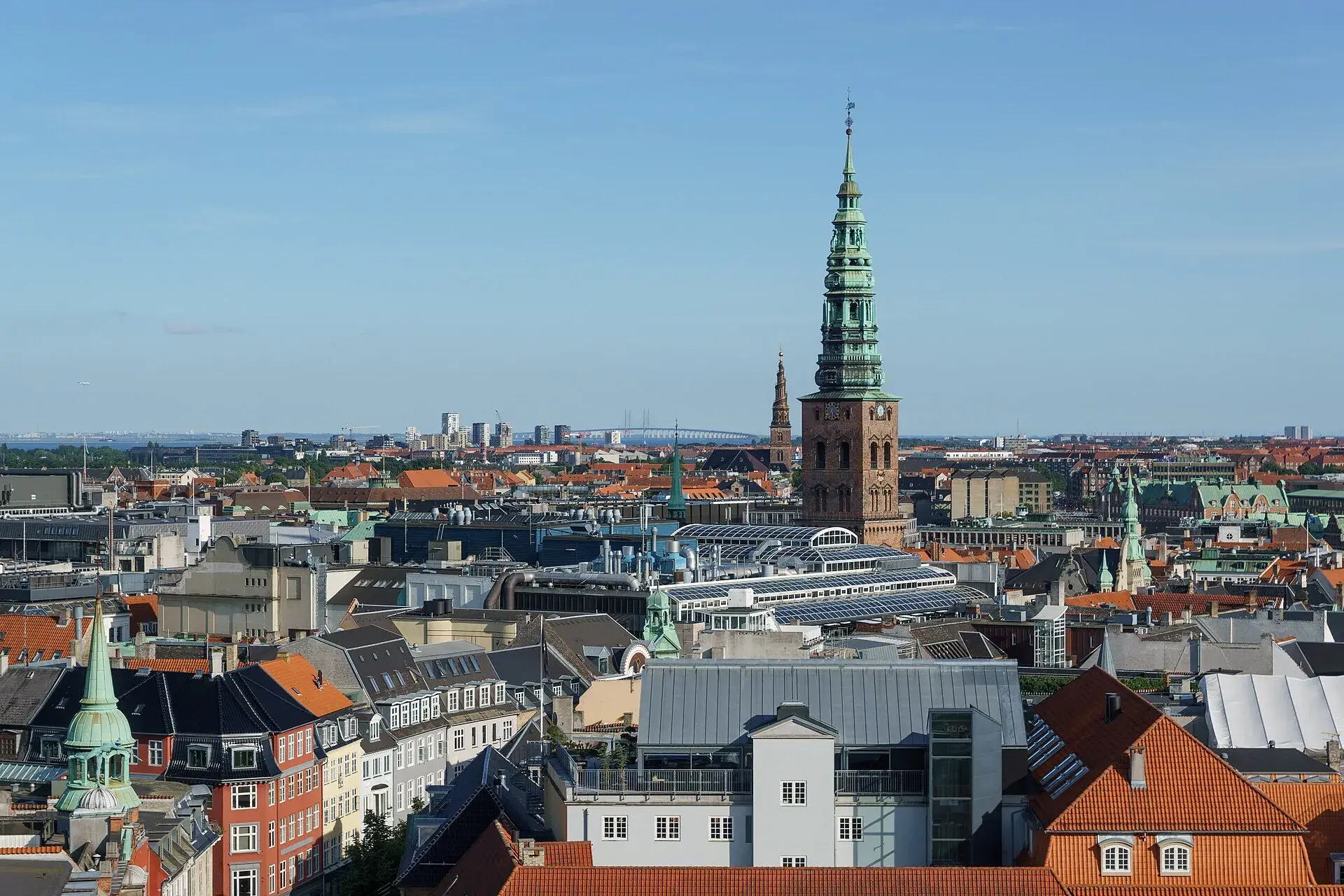
Visit Copenhagen has a dedicated autumn proposition built around foliage, indoor culture and hygge. October averages are around 12.1°C highs and 6.7°C lows, with about 58 mm of precipitation and meaningful wind exposure. By late October, daylight separates Copenhagen from Lisbon, Athens and Seville in a way that temperature alone does not explain.
Kongens Have and the Rosenborg area offer foliage, while museums and their autumn exhibitions give you a reliable indoor half of the day. Outdoor and seasonal attractions can move between summer and Christmas schedules, so check the exact venue. High-demand restaurants may need advance booking even outside August.
Copenhagen suits food, design, museums and travellers who want autumn to feel like autumn. Choose a southern city if you want warm evenings. Ciceru’s Copenhagen city experience can sit beside that indoor and outdoor planning.
10. Edinburgh, Scotland
Best window: Mid-October to early November for foliage; September for longer days.
Edinburgh has the clearest foliage timing in the research. Forever Edinburgh places peak autumn colour roughly from mid-October to early November. October averages about 13°C highs and 6°C lows, with around 64 mm of precipitation, high humidity and strong wind exposure.
Parks, elevated viewpoints and the central historic environment work well together, but the daylight shrinks quickly. Core museums and major landmarks remain substantially year-round, while specific countryside and tourism products need checking each year.
The August festival pressure is past, but there is not enough current accommodation data to quantify a city-wide autumn price drop. Choose Edinburgh for foliage, history and changeable-weather tolerance, not for a dry forecast. Ciceru’s Edinburgh city experience is a useful related link.
How to choose between the ten
Start with your month. For late September, all four warm-weather cities remain plausible, while Edinburgh and Copenhagen give you longer daylight than later in the season. For October, the widest range is open: Seville and Athens for warmth, Rome and Florence for culture, Vienna and Porto for food and wine, and Prague, Copenhagen or Edinburgh for foliage.
For November, be more selective. Lisbon, Seville, Rome and Athens are the most forgiving of the ten. Porto can still work if food is the priority and you accept rain. Prague, Copenhagen and Edinburgh can be rewarding, but daylight and wet-weather planning should be part of the decision rather than a footnote.
Booking and weather checklist
- Define autumn precisely: late September, October or November.
- Compare daylight as well as temperature, especially for Copenhagen, Edinburgh, Prague and Vienna.
- Treat climate normals as context, not as a forecast.
- Check seasonal hours for gardens, archaeological sites, river excursions and summer-only venues.
- Reserve high-demand museums and restaurants when the exact date requires it.
- Keep an indoor alternative in the wetter cities and recheck seasonal openings before travelling.
FAQ
Where is best for autumn colours?
Edinburgh has the clearest official timing, roughly mid-October to early November. Vienna, Prague and Copenhagen also offer a real foliage component.
Is Europe cheaper in autumn?
Not as a general rule. Prices depend on weekends, school holidays, conferences, exhibitions and demand in the specific city. Avoid booking based on an assumed seasonal discount.
Which city is best for food and wine?
Vienna and Porto have the strongest seasonal food-and-wine logic in this set. Rome and Florence can support the same theme, but it is less distinctive in the evidence used here.
Before you go
- Match the city to the exact month, not to the broad word “autumn.”
- Check official climate, attraction and seasonal-event sources close to departure.
- Confirm Ciceru tour availability and plan one indoor fallback.