Rome in 3 Days: A Self-Guided Itinerary
Last updated: September 2026
Rome in 3 Days: A Self-Guided Itinerary
Rome in three days is enough for a first visit if the plan respects distance, ticket times and human energy. It is not enough to see every museum, church, ruin and neighbourhood without making the trip feel like a queue-management exercise. This itinerary uses one major booking anchor per day, keeps nearby areas together, and leaves room for lunch and a change of plan.
Day 1 joins Ancient Rome with the historic centre. Day 2 is the Vatican, with a complete alternative if Vatican Museums tickets are gone. Day 3 slows down around the Jewish Ghetto and Trastevere. You can add Aventine or another museum if energy allows, but the basic plan works without them.

Quick answer: the three-day shape
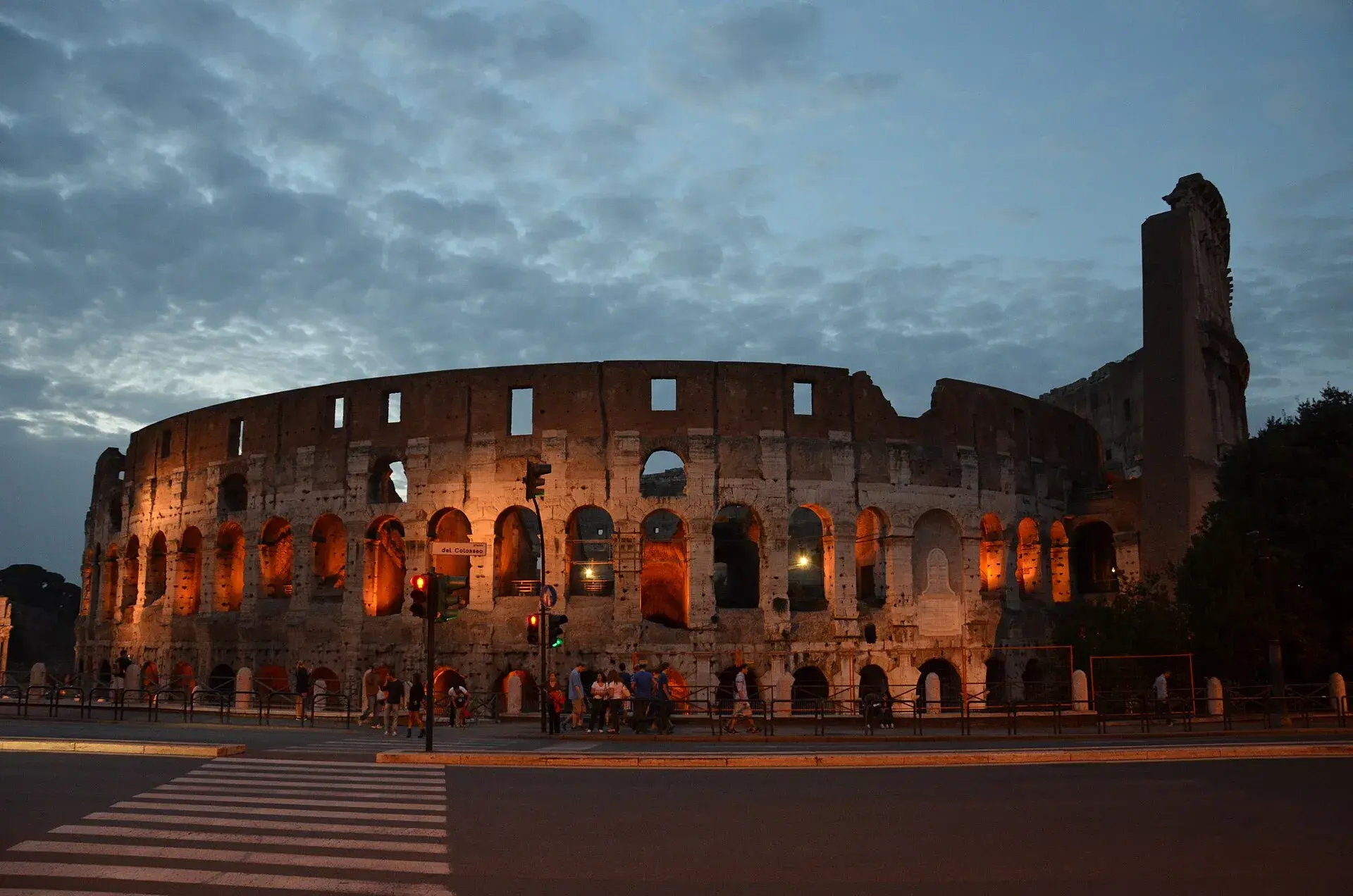
- Day 1: Colosseum, Roman Forum and Palatine in the morning, then Campidoglio, Pantheon and Piazza Navona. Add Trevi Fountain in the evening if you still want it.
- Day 2: Vatican Museums and Sistine Chapel, lunch in Prati, St Peter’s Basilica, then the square and Castel Sant’Angelo area.
- Day 3: Jewish Ghetto, Portico d’Ottavia, Tiber Island and Trastevere, with an optional Aventine extension for stronger walkers.
- Book first: Colosseum and Vatican Museums. Pantheon and Trevi also have current 2026 ticket changes that older itineraries often miss.
- Budget rule: do not buy the Roma Pass or a 72-hour transport ticket automatically. Work out your actual paid visits and journeys.
Before you book anything
Rome’s three-day plan works best when fixed reservations are surrounded by flexible streets and meals. Colosseum admission requires a timed slot. Vatican Museums entry is tied to the issued day and the official reservation system. Galleria Borghese also requires a reservation, so it is a planned alternative rather than a same-day rescue.
The official sites should be your starting point. The Colosseum park says tickets are released 30 days before the visit and that tickets are nominative, so bring identification. The Vatican warns visitors to use its official online portal. Do not rely on a search result that still quotes old prices or an outdated release window.
The archaeology and museums involve more walking than their location pins suggest. Ancient paving, slopes and steps are part of the Colosseum, Forum and Palatine visit. Vatican Museums and St Peter’s Basilica are close geographically but are separate visits with separate security procedures. This is why the itinerary puts them on different days.
Day 1: Ancient Rome and the historic centre
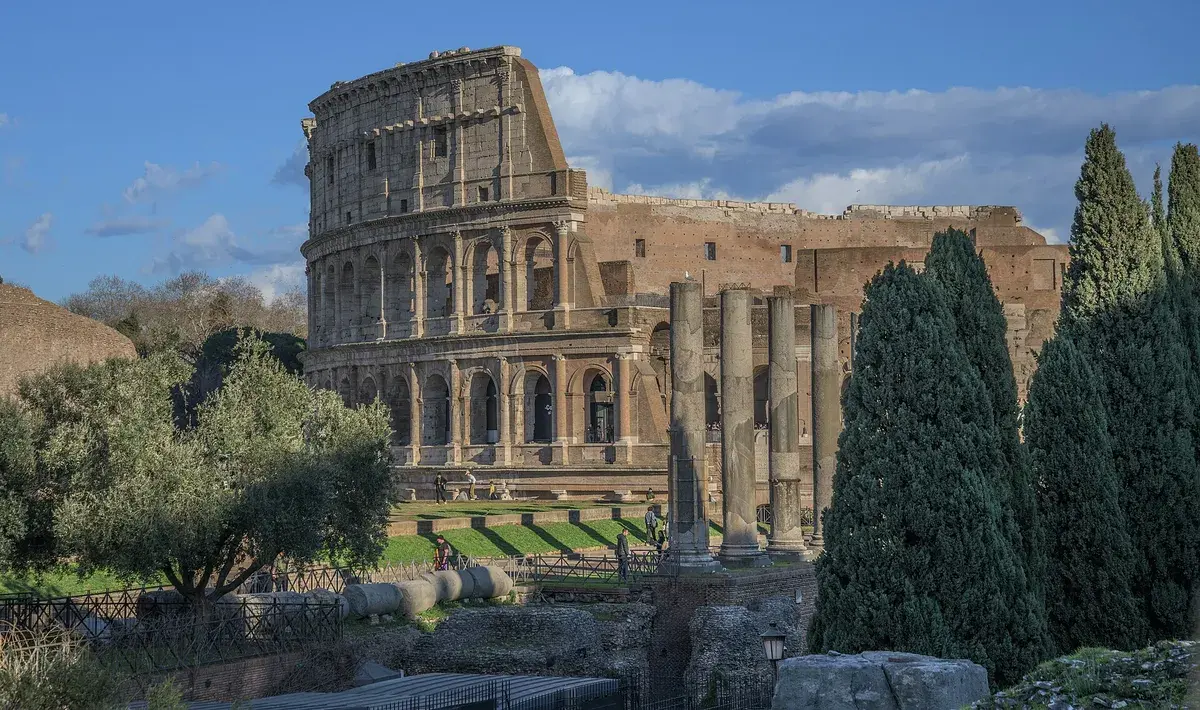
Morning: make the Colosseum your fixed anchor
Book the Colosseum first thing in the morning where possible. The standard combined ticket is currently €18 and includes one booked Colosseum entry plus one Forum and Palatine entry within the ticket’s validity. Colosseum entry is timed, so arriving at the wrong time is not a small inconvenience that the ticket will automatically absorb.
Allow a substantial morning for the Colosseum, Roman Forum and Palatine. The park contains uneven surfaces, slopes, rough paving and irregular ancient steps. Treat it as one archaeological visit with internal walking, not as three quick photo stops. If your Colosseum slot is later, the ticket conditions may allow you to use the Forum and Palatine around it, so follow the current official instructions rather than assuming the order is fixed.
From October, the archaeological park closes earlier than in the summer. The 2026 park closure dates include 25 December and 1 January 2027. Recheck the current calendar for your date, particularly if you are travelling around Christmas.
Lunch: sit down before the next block
After the archaeological park, stop for lunch around Monti, the Via Cavour side or the Campidoglio edge. This is not dead time. The morning’s uneven ground and stairs can make an afternoon that looked easy on paper feel much longer.
If you are visiting between June and September, Rome’s tourism service specifically advises sun protection. Carry a refillable bottle: the city’s nasoni fountains supply potable water free of charge.
Afternoon: Campidoglio to Piazza Navona
Use the afternoon for a slower progression into the historic centre. Campidoglio and the Largo Argentina area provide a change of scale after the ruins, then the Pantheon and Piazza Navona make a sensible pair. This is a city walk, not another timed attraction sequence. Take the street that looks interesting, pause for coffee, and remove a stop if the morning ran long.
The Pantheon’s current full price is €7, following an increase that took effect on 1 July 2026. Older Rome articles still quote €5. Official tickets are sold through Musei Italiani or at the site, with exemptions including residents of Rome, under-18s and eligible first-Sunday visits. Check the live rules before you go.
Evening: Trevi only if it still fits
Treat Trevi Fountain as an evening extension, not as a compulsory item to squeeze between every other sight. Since 2 February 2026, tourists and non-residents pay €2 to enter the controlled inner perimeter during the published access hours. The surrounding public space remains part of the city without that inner-area ticket.
If you want to continue toward the Spanish Steps, make it an optional final block. A first day that already contains the Colosseum, Forum, Palatine, Campidoglio, Pantheon and Navona has done enough.
What not to add to Day 1
Capitoline Museums can be excellent, but adding them after the full archaeological park creates a museum-heavy day rather than a natural continuation. A strong walker may complete it. It should not be the default promise to every first-time visitor.
Day 2: Vatican City and the river
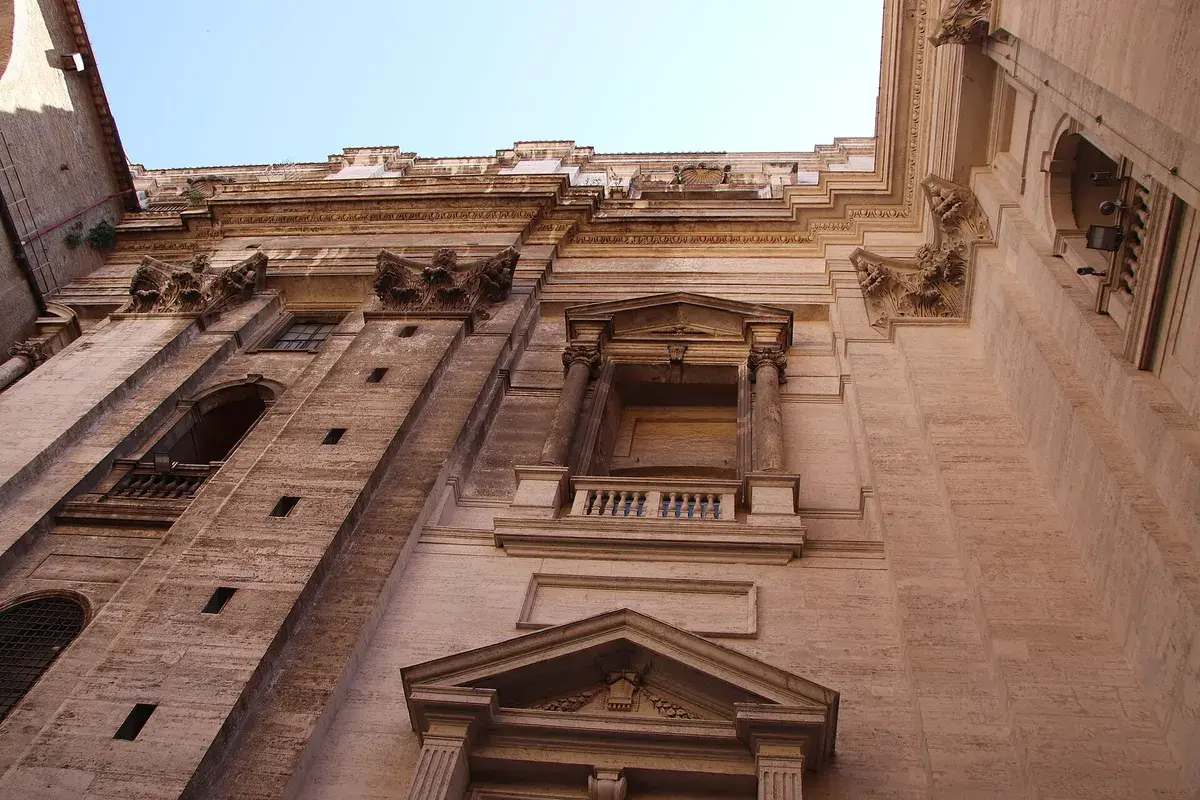
Morning: Vatican Museums and Sistine Chapel
Make the Vatican Museums the fixed booking on Day 2. Current official hours are Monday to Saturday 08:00 to 20:00, with last entry at 18:00. On the last Sunday of each month, the museums open 09:00 to 14:00, with last entry at 12:30 and free admission when the date is eligible. Ordinary Sundays are closed, subject to the Vatican’s calendar.
Full admission is currently €20 without online reservation or €25 with the official online reserved-entry surcharge. The Deep Research report did not find a current official universal release rule such as “60 days before.” Do not publish one as fact.
Allow a substantial block. The museums and Sistine Chapel are not a two-hour shortcut between breakfast and lunch. Visitors must pass security, follow dress rules and manage a very large interior collection. Sleeveless or low-cut garments, shorts above the knee, miniskirts and hats are prohibited. Large luggage and unsuitable backpacks must go to the free cloakroom, but the Vatican specifically warns visitors continuing to St Peter’s not to leave baggage there because doing so requires returning to the museum entrance.
Photography is prohibited in the Sistine Chapel. Personal photography without flash is allowed in most other areas. Rest areas with seating are available, which matters for families and anyone who needs to divide the museum into manageable intervals.
Lunch: use Prati as the buffer
After leaving the museums, eat in Prati before going to the Basilica. This geographical choice prevents the common mistake of walking out of a long museum and immediately starting another major visit. Give yourself time to sit down, eat and check the Basilica’s current access conditions.
Afternoon: St Peter’s Basilica and Square
From 1 June 2026, St Peter’s Basilica’s general hours are 07:00 to 20:00 daily, with last entry by 19:15, subject to visitor flow and security. Entry involves State Police security screening. The Basilica warns that high attendance can slow the process, but there is no reliable universal queue time to publish.
Church clothing rules apply: excessively short garments, sleeveless tops and hats are not permitted. Wednesday, when the Papal Audience usually takes place, and Sunday, around the Angelus, can have materially different visitor flow. If those events matter to your trip, check the Basilica’s official visitor information before fixing the rest of the day.
Late afternoon: Castel Sant’Angelo area
From St Peter’s Square, continue toward Castel Sant’Angelo and Ponte Sant’Angelo if you still have time and energy. The exterior and the riverside provide a coherent end to the Vatican day without requiring another cross-city transfer.
The museum interior is optional. Castel Sant’Angelo normally closes weekly on Monday, although a special first-Monday afternoon programme was introduced in late 2026. Check the date-specific notice instead of building the itinerary around a standard assumption.
For a relevant self-guided option, see Ciceru’s Rome and Power city experience. It can add independent storytelling to the day, but it does not replace Vatican, Basilica or museum tickets and should not be treated as a substitute for their security or opening hours.
If Vatican Museums tickets are sold out
Do not make the fallback “wait outside and hope.” Keep St Peter’s Basilica as a separate possibility, then replace the museum block with an attraction whose access is more practical on the day.
A complete alternative Day 2
- Morning: Musei Capitolini. Current normal hours are 09:30 to 19:30 daily, with last entry one hour before closing. Ordinary non-resident admission is €15 when no temporary-exhibition surcharge applies, and same-day tickets can be bought at the museum ticket office.
- Midday: Campidoglio and the Jewish Ghetto area, followed by lunch.
- Afternoon: St Peter’s Basilica and St Peter’s Square, subject to security and the day’s visitor flow.
- Evening: Castel Sant’Angelo exterior, Ponte Sant’Angelo and the river.
This alternative keeps Ancient Rome and the Vatican side of the city separate while avoiding a second fixed-slot museum as a false emergency solution.
What about Galleria Borghese?
Galleria Borghese is a strong art-led alternative when you can reserve it. It is open Tuesday to Sunday, 09:00 to 19:00, with mandatory reservations and standard two-hour visits. Full admission is €16 plus a €2 reservation fee, with temporary exhibitions potentially changing the total. It is not a robust same-day fallback if you discover that morning that the Vatican is unavailable.
Day 3: the Jewish Ghetto and Trastevere
Day 3 should feel different from the two monumental days. The aim is not to assemble another list of ten formal sights. It is to give the trip neighbourhood scale, a proper lunch and spare capacity.
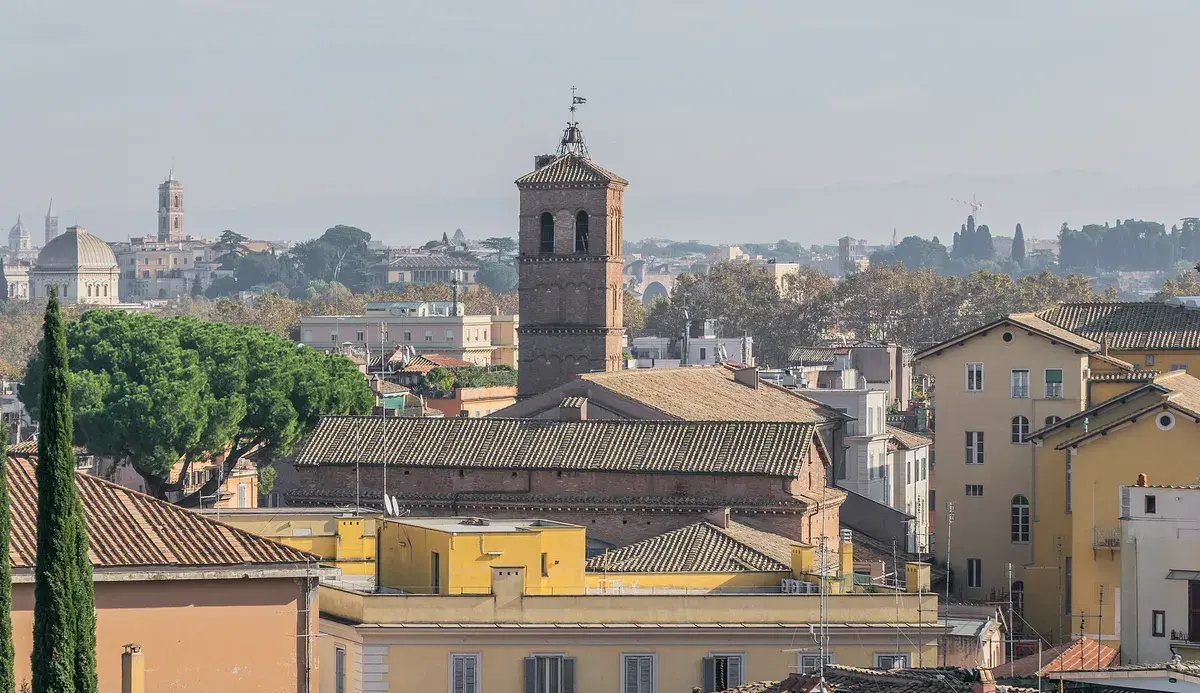
Morning: Jewish Ghetto and Tiber Island
Start around the Jewish Ghetto and the Portico d’Ottavia area, then continue toward Tiber Island. The historic fabric and river crossings provide enough substance for a morning without requiring another major admission ticket.
Keep this block flexible. If you spent longer than planned at the Colosseum or Vatican, Day 3 is the place to absorb the delay rather than to punish the rest of the trip.
Late morning and lunch: Trastevere
Cross into Trastevere for lunch. A proper meal works better here than trying to force a restaurant between the Vatican Museums and St Peter’s Basilica. After lunch, wander through the neighbourhood at a slower pace. Santa Maria in Trastevere can be a useful landmark, but the value of this block is the area as a living district, its streets and food, not the number of locations you can tick off.
Afternoon options
- Standard pace: Stay in Trastevere, then return across Ponte Sisto when you are ready.
- Active pace: Continue toward the Aventine, the Orange Garden and the Circus Maximus edge. Treat the climb as optional.
- Low-energy pace: Remain around Trastevere and use the afternoon for coffee, an unplanned meal or anything missed in the centre.
This is also a good day to use Ciceru’s Rome city experience as an optional independent layer. The article does not reproduce its route, and the product does not provide admission to the ticketed sites above.
Transport, tickets and airport arrivals
Should you buy ROMA72H?
The current BIT ticket costs €1.50 and is valid for 100 minutes under ATAC’s rules. ROMA24H is €8.50, ROMA48H is €15 and ROMA72H is €22. A visitor who takes two journeys per day for three days spends €9 on six BIT tickets, so the 72-hour pass is not an automatic financial win for a central itinerary. Convenience can still make it worthwhile if you expect much heavier transit use.
ATAC supports digital tickets and contactless Tap & Go. Its official app launched in January 2026 with ticket purchases, journey planning and real-time information. Metro accessibility is not uniform, so check current station conditions if a lift is important to your plan.
Does Roma Pass save money?
The current official Roma Pass 72-hour price is €58.50 and includes public transport plus the first two participating museums or archaeological sites. A representative total of Colosseum €18, Capitoline Museums €15 and ROMA72H €22 is €55 before any later discounted attraction. On that simple itinerary, the pass costs more. The Vatican uses its own ticket system and should be budgeted separately at €20 walk-up or €25 with official reserved entry.
Some ATAC pages still surface an older €52 Roma Pass figure. Use the current Roma Pass operator page and recalculate against your exact attractions before buying.
Fiumicino
The Leonardo Express links Fiumicino Airport and Roma Termini in 32 minutes. The current fare is €14 one way, with normally quarter-hourly departures. Contactless TAP&TAP is supported at the station readers. ROMA72H does not cover this airport rail connection.
Ciampino
Ciampino does not have a directly equivalent Leonardo Express. Bus, bus-plus-metro and private-transfer choices depend on your arrival time and destination. Exact current fare comparisons are UNVERIFIED in this research pass, so choose an operator after checking the live airport and transport information rather than trusting a universal “best” option.
Adjusting the itinerary for different travellers
Slower walkers
Reduce the Forum and Palatine portion, keep the Pantheon and Navona block short, and use rest stops in the Vatican Museums. Skip the Castel Sant’Angelo interior and make Day 3 Trastevere-only or Capitoline Museums plus a short Ghetto block. Difficulty depends on slopes, paving, stairs and museum interiors, not just on kilometres.
Families
Keep the geographic structure but reduce formal interiors. The Colosseum requires children under 12 to be accompanied by an adult. The Vatican Museums may suit some children and exhaust others, so do not label them universally child-friendly. For open space, Villa Borghese is a possible Day 3 alternative.
Hot-weather visits
Put the Forum and Palatine first, avoid a second large outdoor archaeological area at 14:00, use lunch or churches for the hottest period, carry water and keep clothing compatible with Vatican rules.
FAQ
Which Rome tickets should I book first?
Book the Colosseum and Vatican Museums first because their entry is tied to timed or date-specific systems. Reserve Galleria Borghese if it is a priority. Check the current Pantheon and Trevi rules because their 2026 prices differ from older articles.
Is the Pantheon still €5?
No. The current full price is €7 from 1 July 2026, subject to exemptions and future changes.
Is Roma Pass worth it for three days?
Not automatically. Compare the current €58.50 price with the exact attractions and transit you will use. A simple Colosseum, Capitoline and ROMA72H calculation is slightly cheaper separately, before additional discounts.
Before you go
- Book Colosseum and Vatican Museums through their current official channels.
- Recheck the €7 Pantheon price, €2 Trevi inner-area fee and €58.50 Roma Pass.
- Keep Vatican Plan B available before you arrive.
- Allow more time for archaeology and security than a map suggests.
- Check St Peter’s Basilica hours and event-day visitor conditions.
- Choose individual transit tickets unless your actual journeys justify a pass.
- Carry water, comfortable shoes and clothing suitable for Vatican entry.