The real history of Tarot: from Renaissance card game to the 2026 self-care ritual
Tarot is not ancient magic. It is a 600-year conversation between art, psychology, myth and personal meaning.
People often think Tarot came from Egyptian temples or secret mystical orders. It did not. The earliest Tarot cards were created in 15th-century Italy as an elite card game. The mystical layer arrived centuries later through scholars, occultists and philosophers who saw symbols in the cards that the original creators never intended.
Today Tarot sits at an intersection of culture, identity, psychology and creativity. Some use it as a meditation tool, some as therapy, some as entertainment, some as a private ritual. Whether you believe in intuition, archetypes or pure chance, Tarot persists because it gives people a structured way to reflect on their lives through images that feel timeless.
This guide cuts through mythology, misinformation and Hollywood tropes. It explains what Tarot really is, why it evolved, and how people use it in 2025.
1. The real origin story: a Renaissance card game, not an ancient mystery
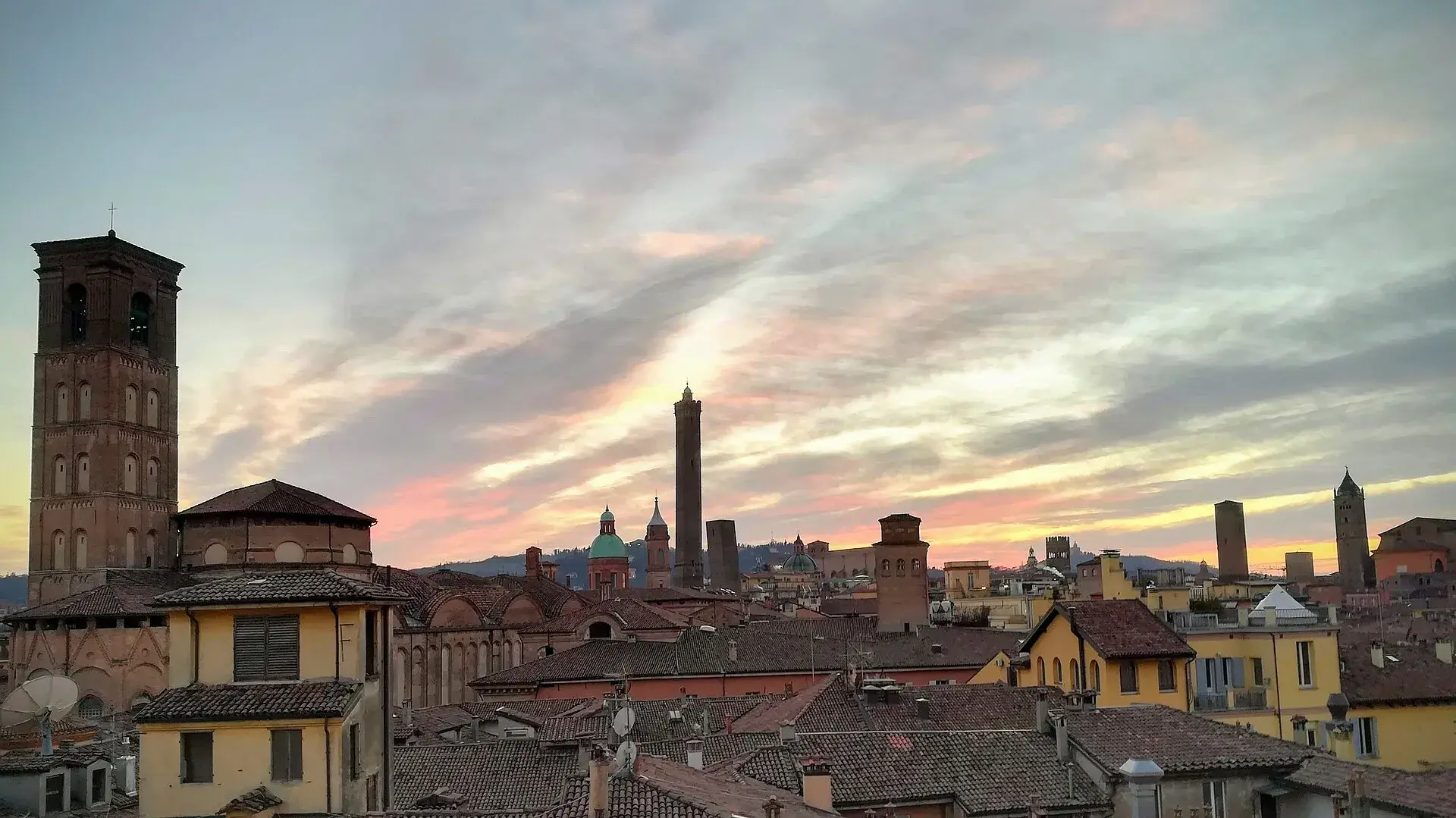
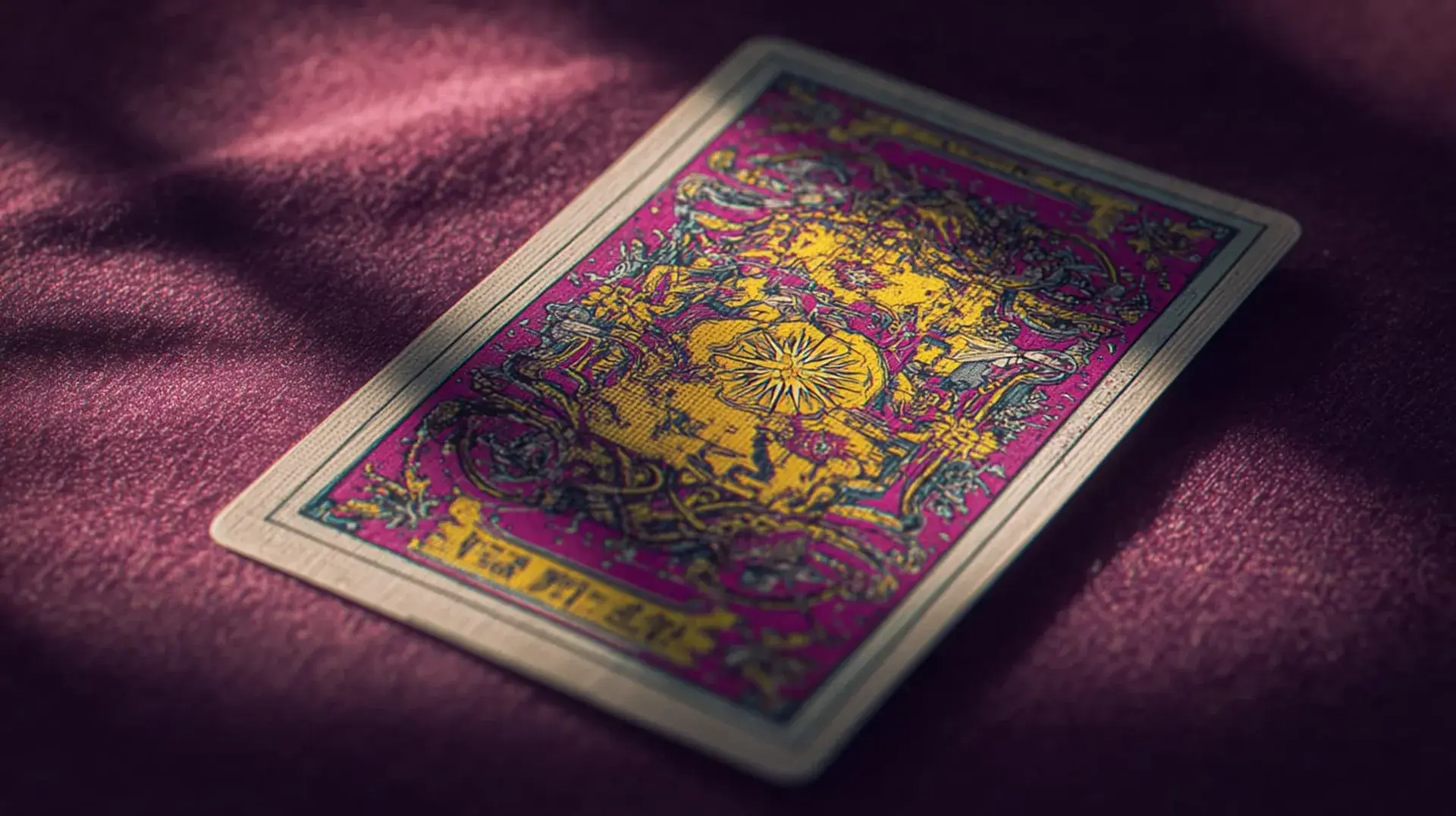
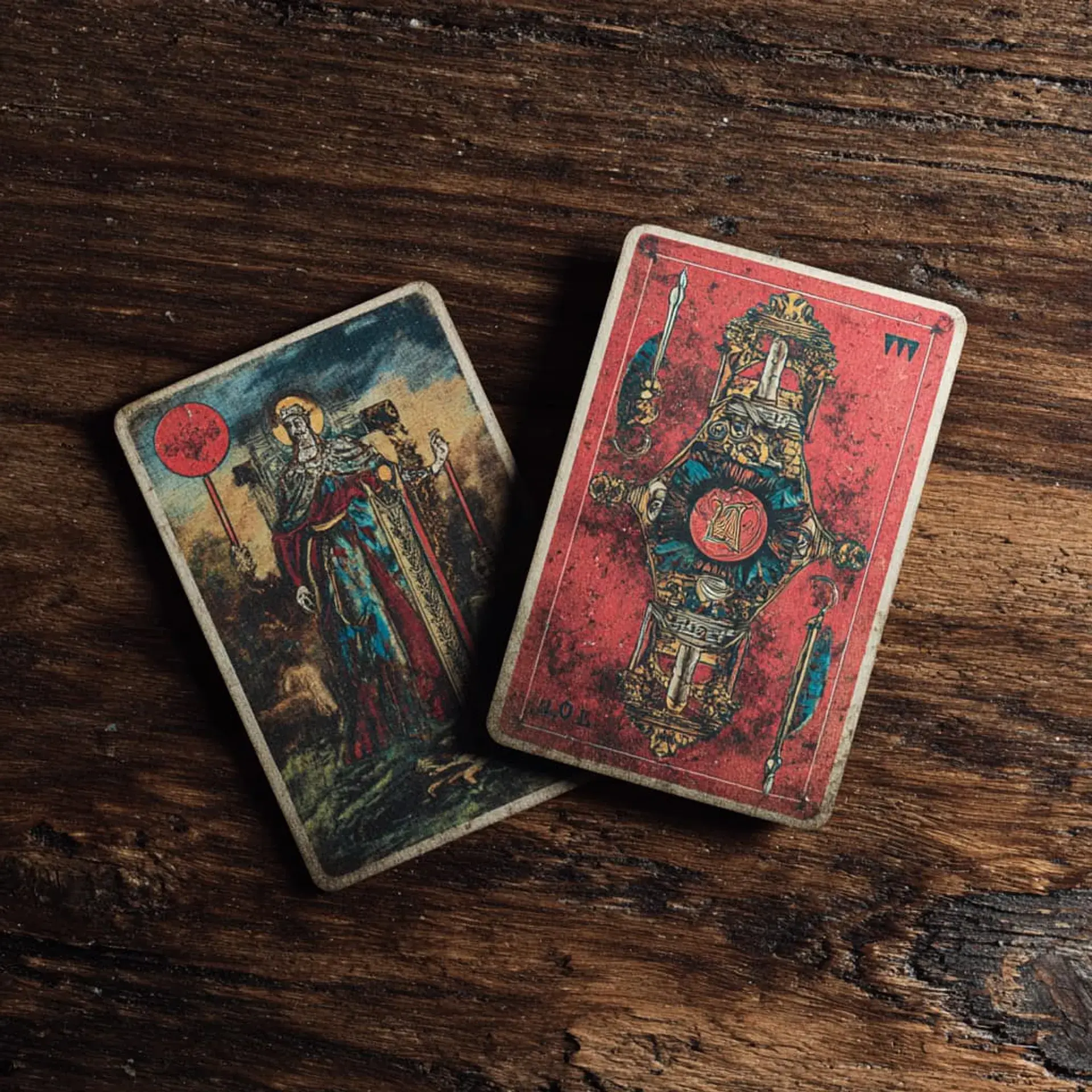
The earliest Tarot decks appeared in northern Italy in the early 1400s. They were luxury objects, hand painted for aristocratic families, and used to play a trick-taking game called trionfi. There was no magic, no fortune telling and no sacred doctrine in the cards. They were simply a decorated playing deck with extra illustrated cards that added new rules to the game.
The mystical reinterpretation began in the late 1700s, when the French writer Court de Gébelin claimed Tarot preserved the secret knowledge of ancient Egypt. There was no evidence for this, but the idea spread quickly because it sounded mysterious and exotic. Soon after, the first professional card reader, Etteilla, created the earliest guide to divinatory meanings and assigned new esoteric interpretations to the images.
From that point on, Tarot slowly shifted from a game of nobles to a symbolic tool for intuition, philosophy and personal exploration.
2. The three great Tarot families that shaped the modern imagination
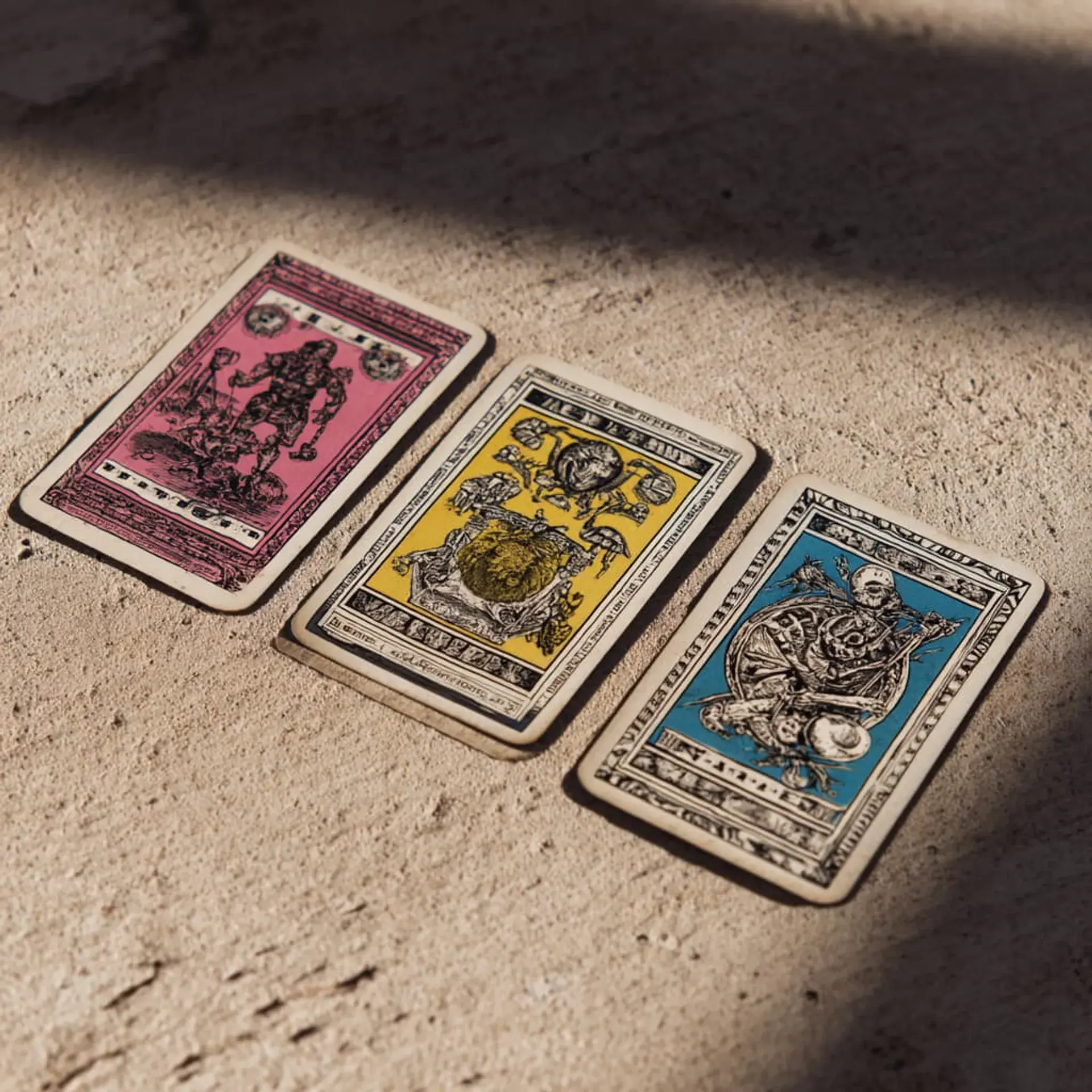
Despite thousands of contemporary decks, most descend from three main lineages. Each one offers a different artistic language and a different way to read.
Tarot de Marseille: the traditional skeleton
This family is the backbone of European Tarot. The imagery is woodcut inspired and often abstract. Many cards contain minimal gestures or facial expression, which forces the reader to focus on number, color and symbolic geometry. Readers who prefer Marseille often describe it as more direct and less sentimental.
Rider–Waite–Smith: the storytelling deck you have seen everywhere
Published in 1909, this is the most influential deck in the world. Artist Pamela Colman Smith added scenes to the Minor Arcana, turning each card into a small narrative. Because every card tells a micro story, beginners find it approachable. Most English language Tarot books are based on this system.
Thoth Tarot: symbolic, philosophical, intense
Designed by Aleister Crowley and painted by Lady Frieda Harris, this deck blends astrology, Kabbalah, sacred geometry and color theory. It is dense and intellectually demanding. Many readers use it as a visual philosophy tool rather than a casual deck.
These three families are not just artistic variations. They represent distinct approaches to meaning making: abstract, narrative and esoteric.
3. Why Tarot feels accurate even if you do not believe in magic
You do not need supernatural explanations to understand why Tarot resonates deeply with people.
The projection effect
Humans read themselves into images. When you describe a card, you are also describing your own concerns, values and emotions.
The Barnum effect
We naturally interpret open statements as personally specific. Tarot cards use symbolic language, which allows people to find relevance in them without manipulation.
Cold reading and pattern recognition
Tarot gives structure to thoughts that were already present. It encourages language like “this reminds me of” or “this makes me think about”, which guides self reflection.
Jungian archetypes
Many Tarot images resemble the archetypes Carl Jung catalogued in psychology. They awaken intuitive recognition across cultures: the hero, the hermit, the tower, the lovers. Even without mystical belief, these motifs feel meaningful because they exist in literature, dreams and collective imagination.
In short, Tarot works because it mirrors you back to yourself.
4. Tarot in 2025: identity, art and the new spiritual landscape
Tarot is not a relic of the past. It is evolving faster than ever.
The therapy-adjacent approach
Many people use Tarot as a reflective tool similar to journaling. It helps articulate feelings, clarify dilemmas and explore internal narratives.
A tool for identity and representation
Modern decks challenge the cultural limitations of older imagery. Queer decks, feminist decks and BIPOC centered decks reimagine archetypes in ways that reflect contemporary identities. This makes Tarot feel more inclusive and personal.
Spiritual minimalism and the decline of fatalism
Younger generations approach Tarot as guidance rather than prediction. The question is no longer “What will happen to me?”, but “What can I understand better?” or “How can I move forward?”
The indie deck boom
Artists use Tarot as a canvas for experimentation. Watercolor decks, collage decks, abstract decks and thematic decks (plants, myths, cities) turn Tarot into an art collectible as much as a reflection tool.
TikTok and the ritual of the daily pull
Short readings, aesthetic visuals and morning-card rituals have made Tarot a daily habit for millions. The platform transformed Tarot from a niche hobby into a mainstream practice.
5. Should you read Tarot? A grounded answer
Tarot is not about predicting destiny. It is about giving shape to questions that are difficult to express. It slows down thought, reframes problems and makes emotions visible.
You do not need belief, intuition or symbolic training. You only need curiosity and a willingness to look at images as mirrors.
Used well, Tarot becomes:
- a storytelling tool
- a personal reflection device
- a cultural artifact
- a conversation with yourself
It will not tell you what will happen. It will help you understand what is already happening inside you.
6. A simple spread for beginners: Situation, Obstacle, Advice
Many spreads are theatrical or complex. You do not need them.
Here is a clear, three-card structure supported by psychological research on narrative framing.
Card 1: Situation
What is active in your life right now. What needs attention.
Card 2: Obstacle
What complicates the situation. What is blocking clarity or progress.
Card 3: Advice
What to focus on. What perspective might help you move forward.
This spread avoids prediction and empowers reflection. It is ideal for anyone beginning a daily Tarot ritual.
7. A final thought
Tarot survived six centuries because it adapts to the culture that holds it. It has been a game, a mystical system, a philosophical map, a psychological tool and an art form. Tarot’s power comes from its ability to shift with the world and with the reader.
In 2025, Tarot is less about destiny and more about understanding the stories we tell ourselves. Whether you treat it as curiosity, comfort or creative exploration, Tarot offers something unusual: a quiet moment to slow down and listen to your own mind.