Where to find snow and mountains near Barcelona in winter
A practical guide to the Pyrenees, trains, buses, and real choices
Introduction
Barcelona is a coastal city, but winter doesn’t stop at the Mediterranean. Within two to four hours, the landscape flips completely: Romanesque villages, frozen lakes, pine forests, ski slopes, and quiet snowshoe trails.
The real challenge isn’t where to go. It’s choosing the right mountain experience for how much time, effort, and stress you want to invest.
This guide cuts through the noise and explains, clearly, where to go from Barcelona in winter — whether you want skiing, snow without skis, silence, or just one perfect snowy day.


The fast decision guide
Pick your mountain based on how you actually travel
If you want the easiest snow day from Barcelona ➜ La Molina or Masella (Alp 2500)
If you want snow without cars, crowds, or stress ➜ Vall de Núria
If you want the biggest ski domain and resort feel ➜ Andorra (Grandvalira)
If you want quiet forests and family-friendly snow ➜ Port del Comte or Rasos de Peguera
If you want the wildest landscapes and fewer people ➜ Aragon Pyrenees (Benasque, Ordesa)
If you want top-tier skiing + culture ➜ Baqueira-Beret and the Vall de Boí
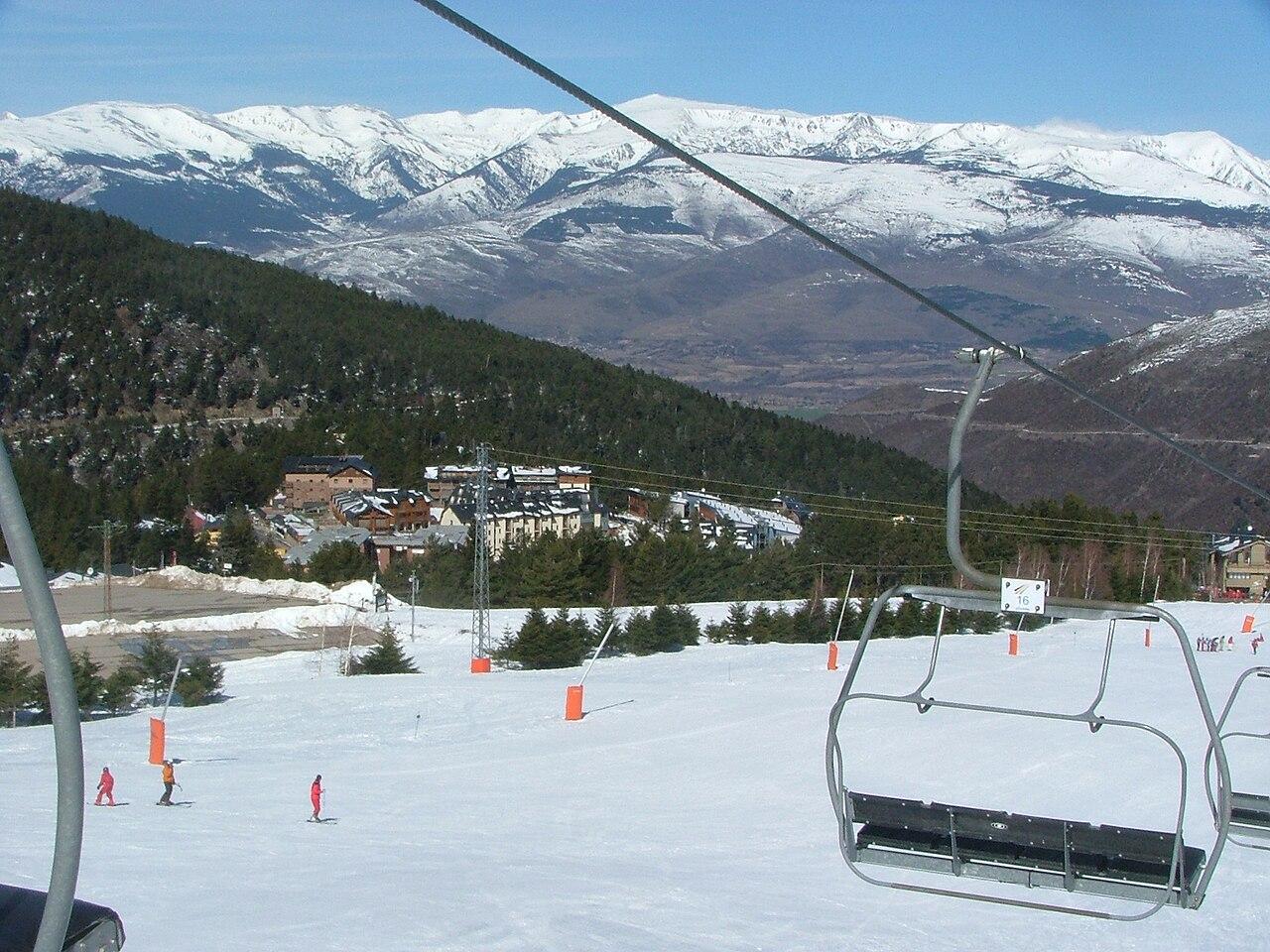
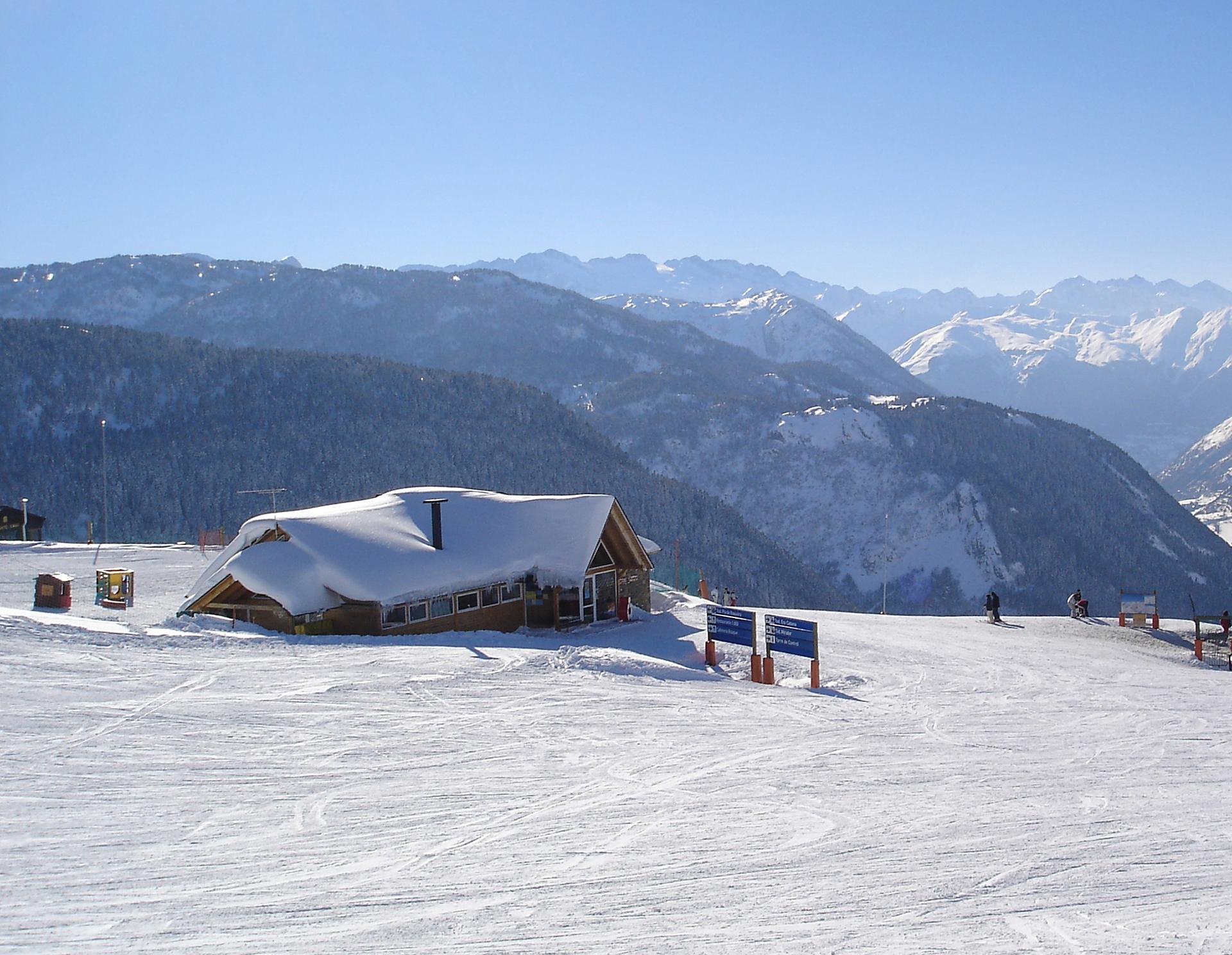
The closest snow: La Molina & Masella (Alp 2500)
This is Barcelona’s winter reflex. Two resorts, physically connected, forming one large ski domain in the Cerdanya valley.
Why people choose it:
- Largest ski area reachable in a day
- Excellent beginner and intermediate terrain
- Direct train + ski pass options (Skitren)
- Reliable artificial snow coverage
La Molina is open, friendly, and historic — Spain’s oldest ski resort. Masella faces north, holds snow longer, and offers night skiing, which makes it perfect for quick weekend escapes.
If you live in Barcelona, this is where you go when you want snow without overthinking logistics.
The calm alternative: Vall de Núria (car-free)
Vall de Núria feels like a different century.
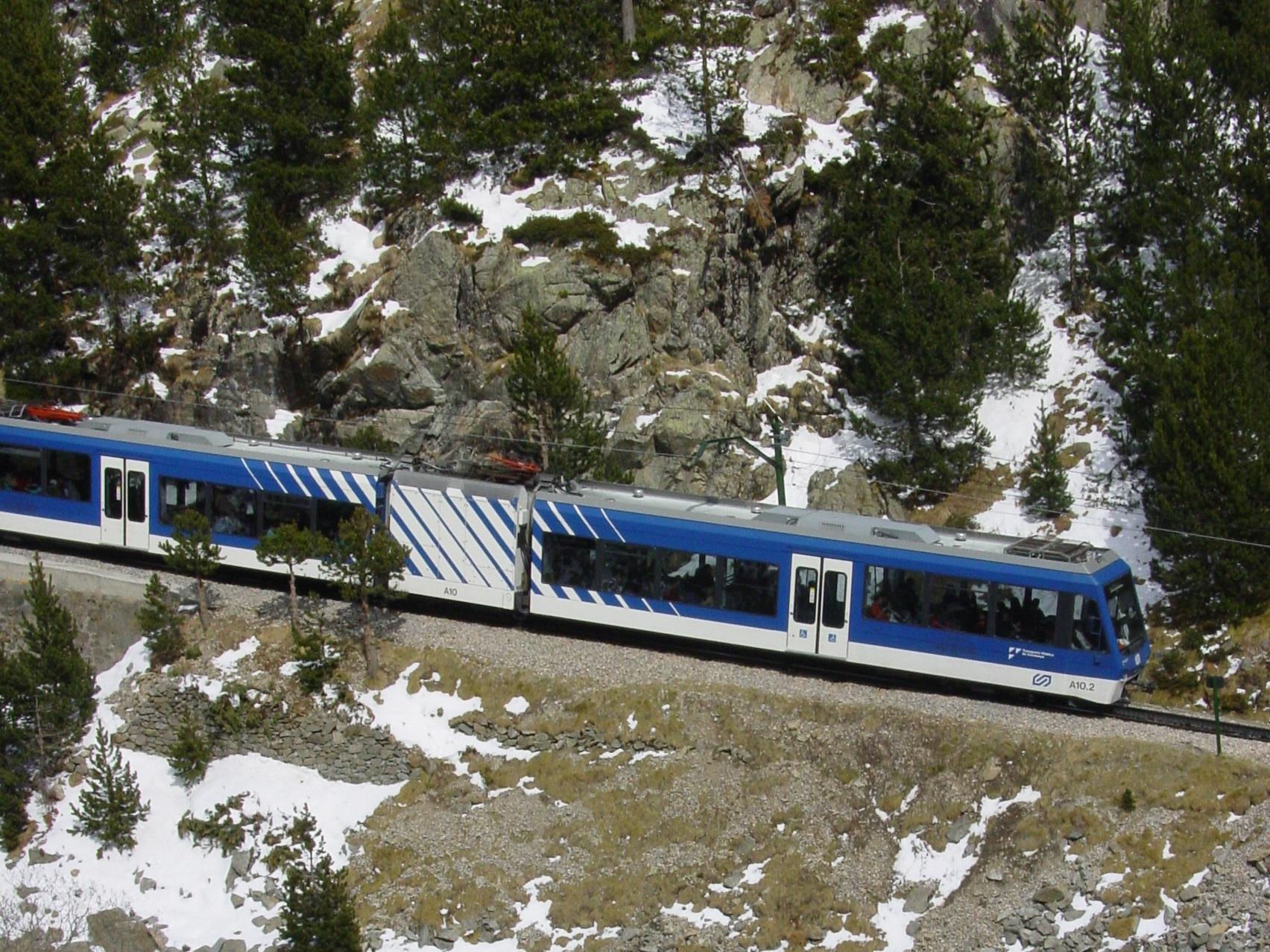
You reach it by rack railway only. No cars. No traffic. No noise.
What makes it special:
- High altitude bowl with reliable snow
- Snowshoeing, sledding, tubing, family activities
- A Romanesque sanctuary at the center
- One of the most peaceful winter environments in Catalonia
It’s not about ski performance here. It’s about silence, landscape, and slowing down.
If you want snow without ski pressure, this is the most emotionally satisfying choice.
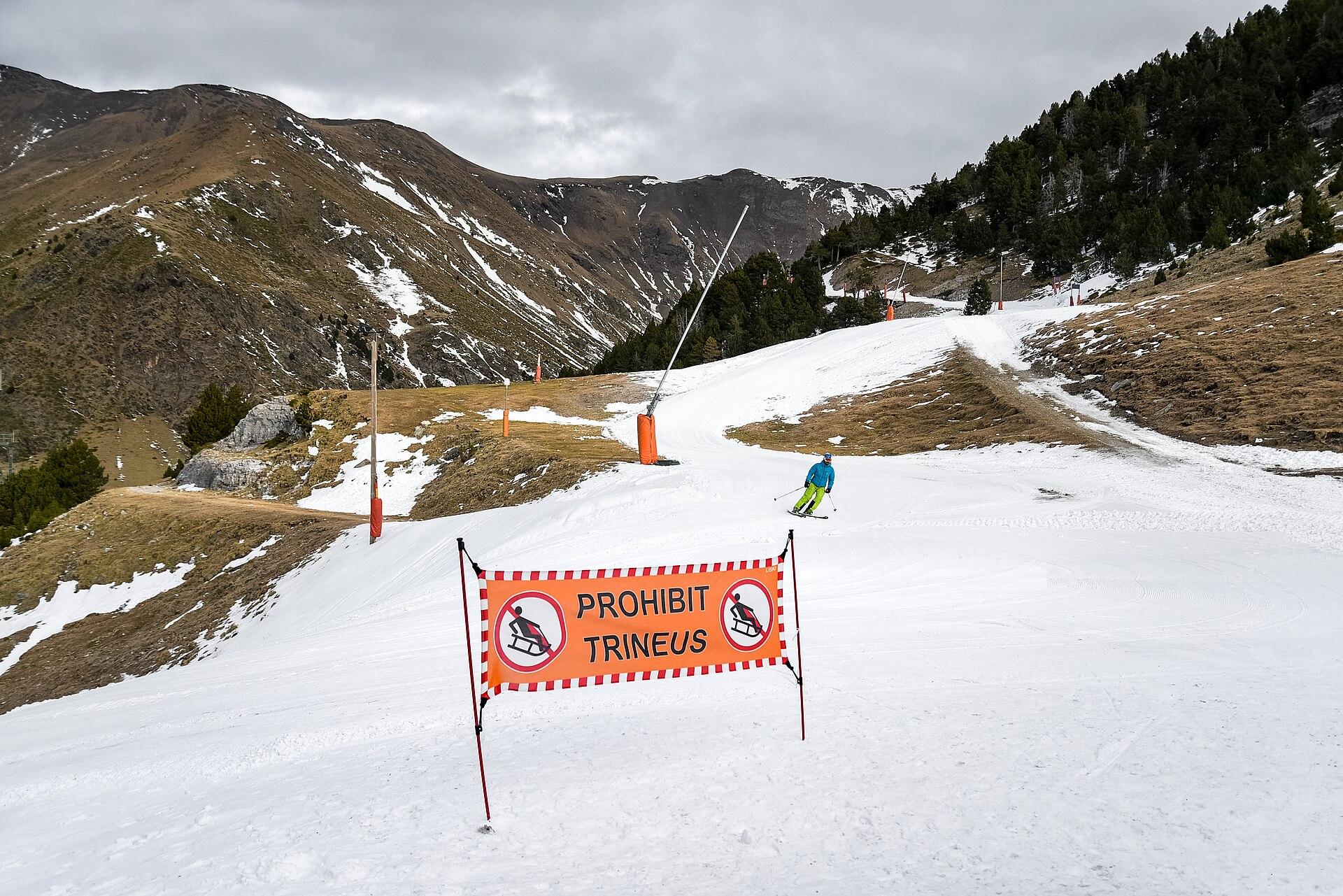
The big playground: Andorra
If scale matters to you, Andorra wins.
Grandvalira is one of the largest ski domains in Europe, split into distinct sectors:
- Pas de la Casa for snow reliability
- Soldeu for technical skiing and hotels
- El Tarter for freestyle and families
- Grau Roig for natural, rugged scenery
Why people go:
- Massive terrain variety
- Excellent infrastructure
- Non-ski activities (mushing, snowmobiles, tubing)
Downside:
- Crowds on weekends
- Longer travel time
- More “resort energy” than mountain quiet
If you want maximum options, Andorra delivers.
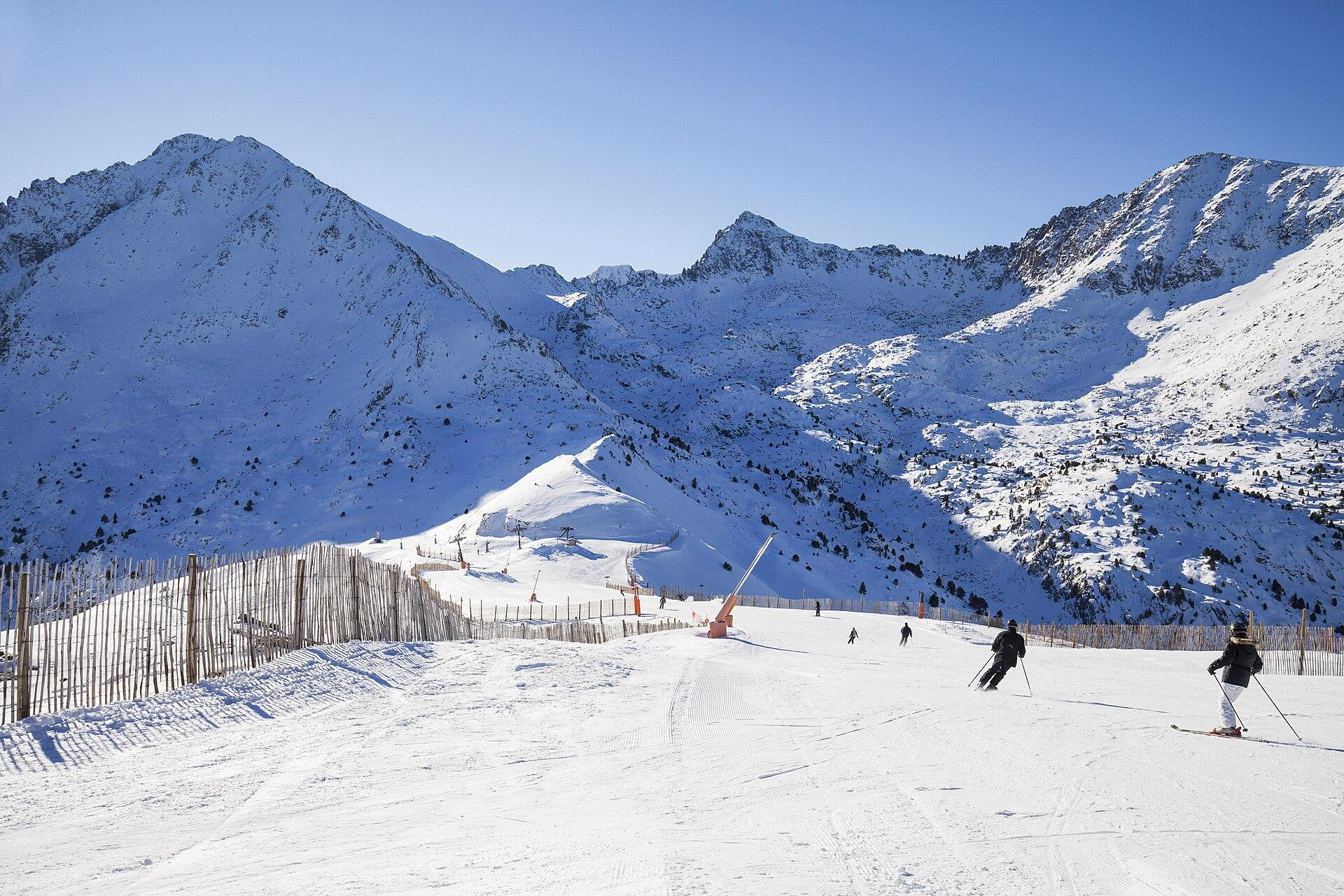
The forested, family-friendly zone: Port del Comte & Rasos de Peguera
These Pre-Pyrenean areas are less famous — and that’s the point.
Port del Comte
- Surrounded by black pine forests
- Sheltered slopes, less wind
- Excellent for beginners and snowshoeing
- Calm, contained atmosphere
Rasos de Peguera
- No ski lifts anymore
- Dedicated to snowshoeing, sledding, Nordic skiing
- Closest deep-snow experience to Barcelona
- Feels wild and surprisingly quiet
These places are for travelers who want nature over adrenaline.
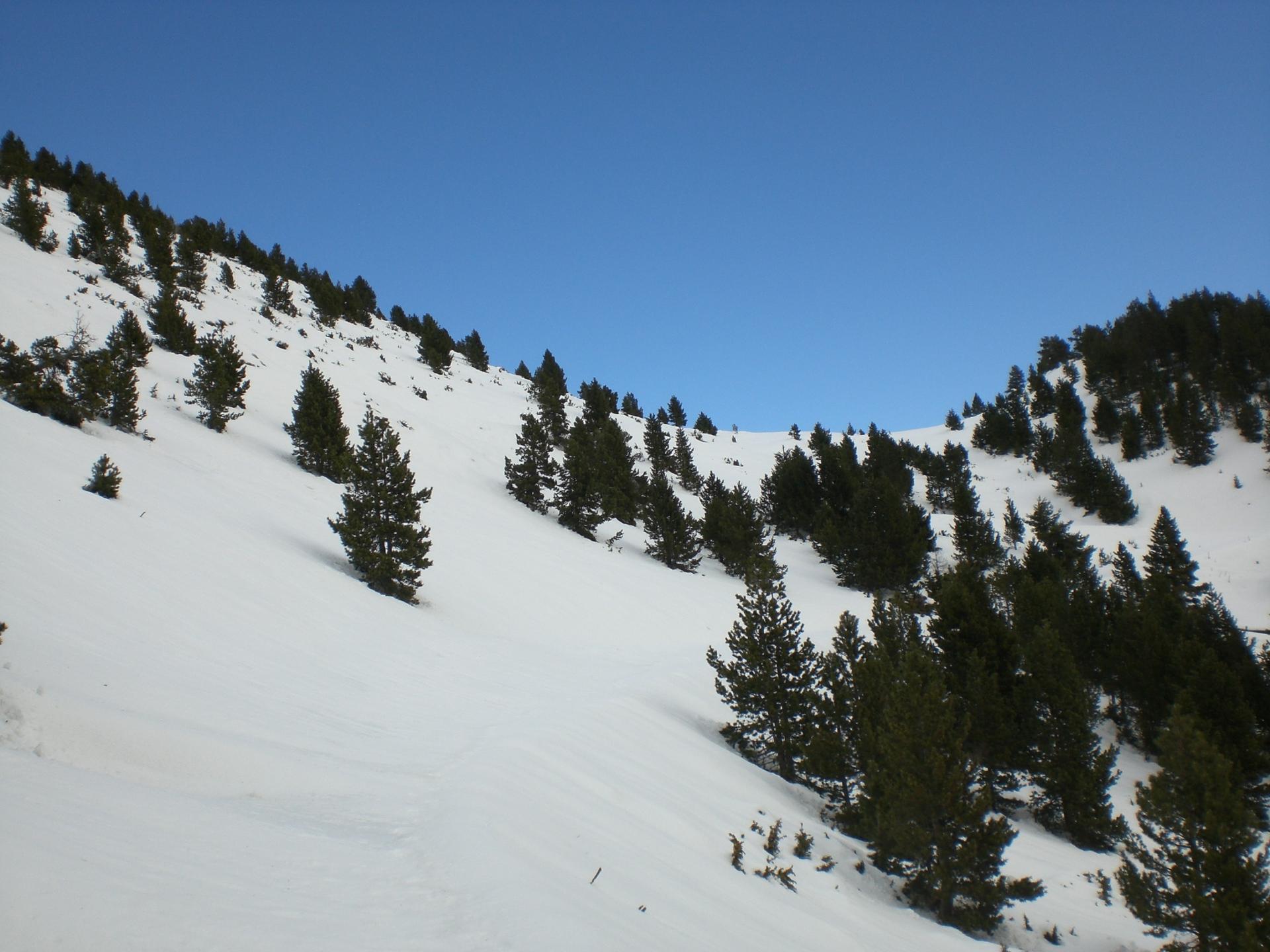
The wild side: Aragon Pyrenees
This is where the mountains feel serious.
The Benasque Valley and Ordesa y Monte Perdido National Park offer:
- Dramatic limestone peaks
- Fewer crowds
- Longer travel times
- More planning required
Benasque is the gateway to high peaks like Aneto and the Cerler ski resort. Ordesa is about winter hiking, snowshoeing, frozen waterfalls, and scale.
This is not casual winter tourism. It’s for people who want to feel small in the landscape.
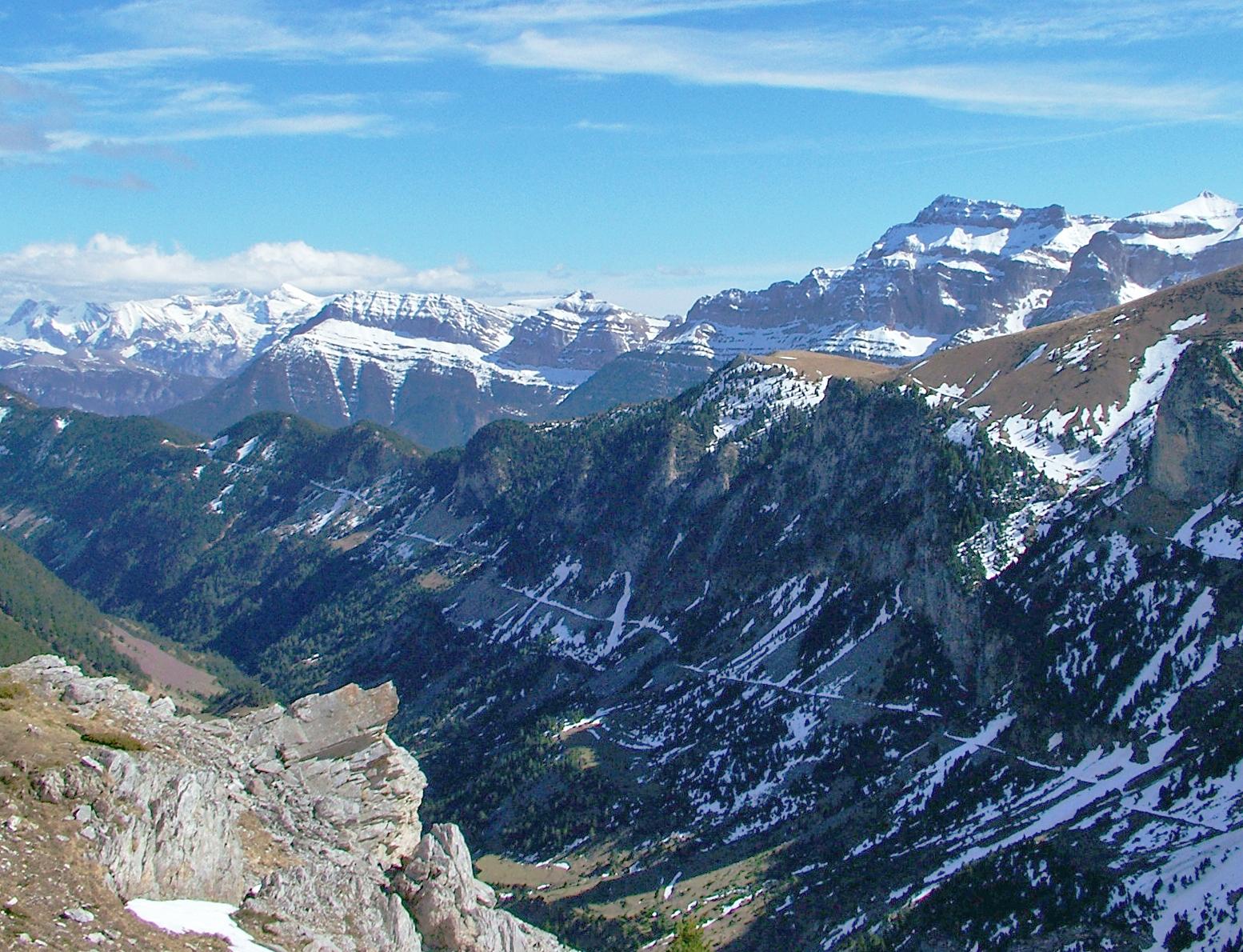
High prestige + heritage: Baqueira-Beret & Vall de Boí
Baqueira-Beret is Spain’s most prestigious ski resort — and it shows.
Why it stands out:
- Atlantic snowfall influence
- Long, technical runs
- Excellent snow reliability
- Refined mountain gastronomy
Pair it with the Vall de Boí and you get something rare:
- UNESCO-listed Romanesque churches
- Snow-covered medieval stone villages
- One of the most beautiful cultural-mountain combinations in Europe
This is the slow luxury version of winter in the Pyrenees.
How to get there without a car
Barcelona is unusually well-connected to the mountains 🚆🏔️
Best options:
🚄 Skitren (train + ski pass) ➜ La Molina & Masella
🚞 Cremallera rack railway ➜ Vall de Núria
🚌 Direct Skibus services ➜ major resorts
🚌 Long-distance buses ➜ Andorra & Benasque
🚗 Driving works — but winter equipment laws are strict, and conditions can change fast ❄️⚠️
😌 Least stress ➜ trains + rack railways
🧭 Maximum flexibility ➜ car with proper winter tires or chains
One final thought
Barcelona’s winter mountains aren’t one destination.
They’re a spectrum.
From silent valleys to floodlit night skiing, from family snow days to high alpine solitude — the right choice depends entirely on how you want to feel, not how many kilometers of slopes a resort advertises.
And once you stop chasing “the best,” the mountains near Barcelona start making a lot more sense.