Belfry of Bruges: History, Architecture & Tower Guide
The Civic Heart of Medieval Bruges
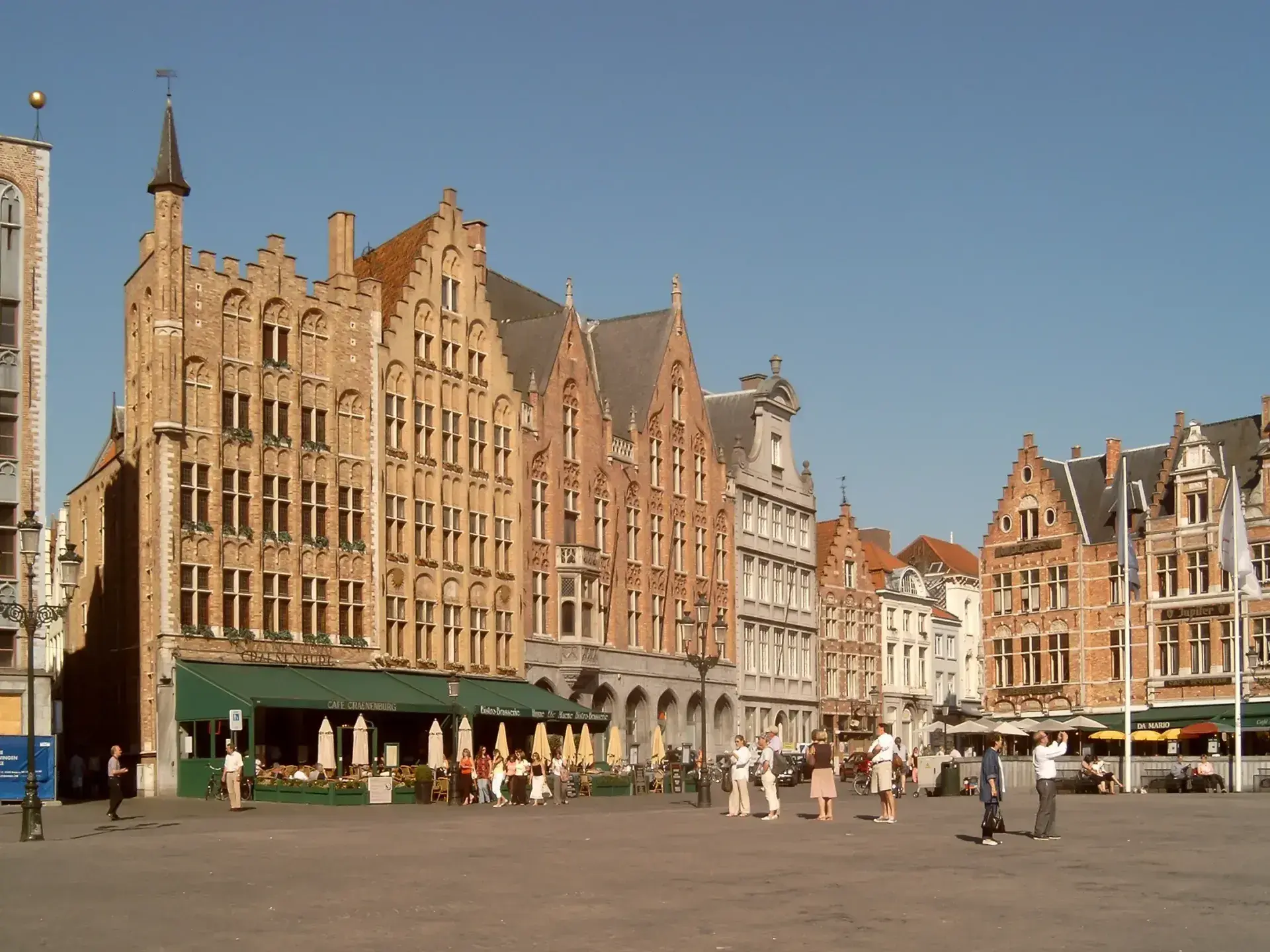
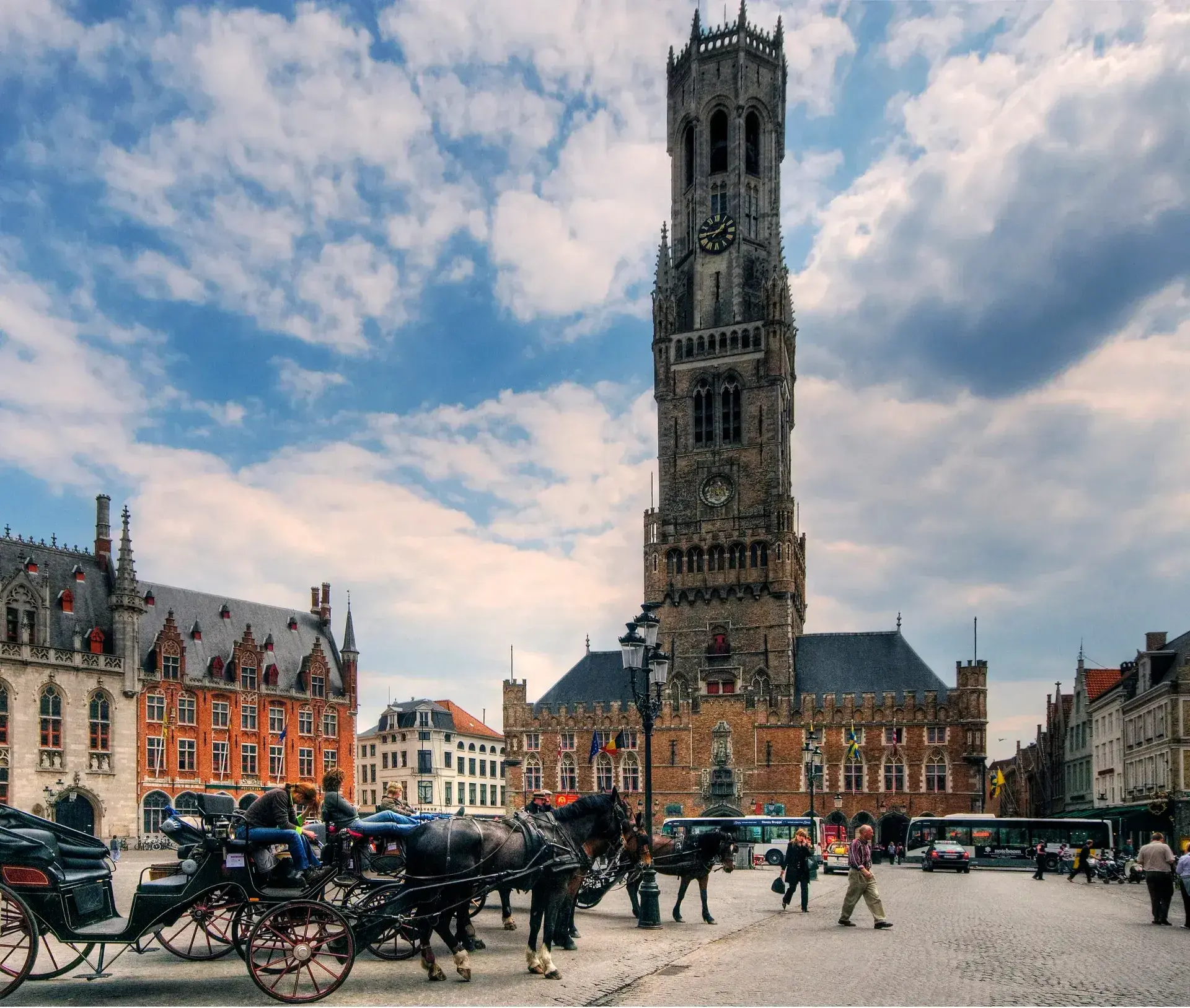
Rising 83 meters above the bustling Markt (Market Square), the Belfry of Bruges (Belfort van Brugge, also known as the Halletoren) stands as one of Belgium's most prominent municipal monuments. Constructed around 1240, the tower was built directly over the medieval cloth halls (Stadshallen) when Bruges was flourishing as a key commercial hub in northwestern Europe.
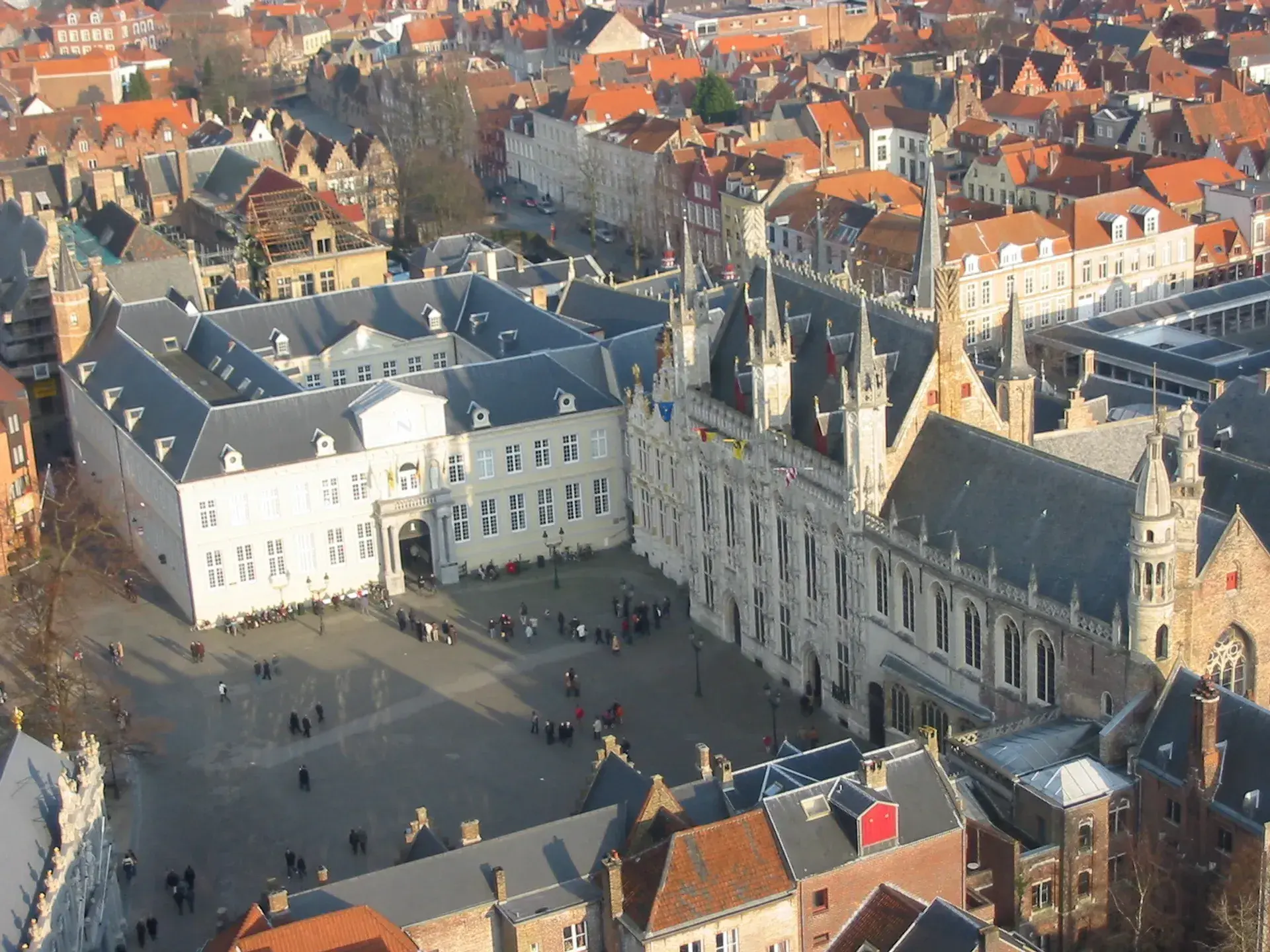
Unlike traditional church spires of the era, the Belfry was entirely civic in nature. It served as a proud declaration of municipal autonomy, guild charters, and commercial privileges granted by the Count of Flanders. Standing in stark architectural counterpoint to the clerical and administrative power historically seated at the nearby Burg square, the tower forms a signature component of Bruges' medieval skyline alongside Saint Saviour's Cathedral and the Church of Our Lady.
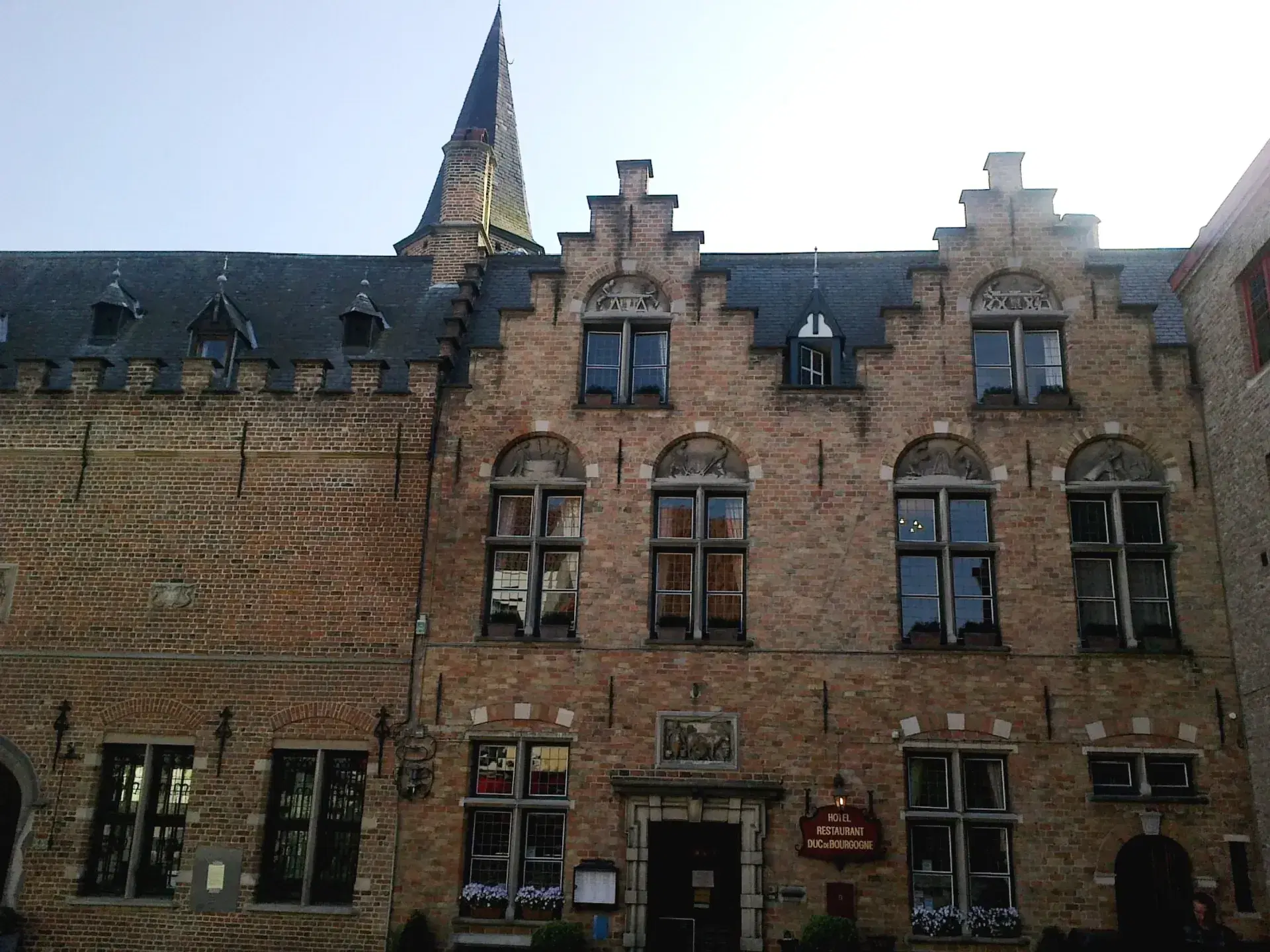
Bruges walking tour with audio and quizzes: Belfry, canals and beer
2 hours10 stopsAudio guideStart any day, at your own paceTicket on your phone · 30-day refundArchitectural Evolution and Historic Fires
The tower visible today is the product of centuries of rebuilding following repeated fires. In 1280, a disastrous fire destroyed the original wooden upper structure and incinerated the municipal archives stored within. In response, city authorities rebuilt the lower brick tower between 1285 and 1296, deciding to permanently move administrative charters and records to a separate town hall to safeguard them from future blazes.
Between 1482 and 1487, master builders added an octagonal lantern crafted from white Brabant sandstone to enhance the tower's height and project the sound of its bells across the city. For centuries, this lantern supported tall timber spires that repeatedly attracted disaster: a lightning strike destroyed the spire in 1493, and another fire gutted its successor in 1741. Following the 1741 fire, the wooden spire was abandoned altogether, reducing the original 102-meter profile to 83 meters. The current flat roofline was completed in 1822 with an openwork stone parapet built in the Gothic Revival style. In 1999, the belfry achieved international recognition when it was inscribed as a UNESCO World Heritage site under the Belfries of Belgium and France listing.
The Leaning Tower and the 366-Step Climb
A lesser-known structural detail of the Belfry is its gradual tilt: the monument leans roughly 87 centimeters toward the east. This inclination developed over centuries as the immense weight of the brick and stone settled into soft Flemish soil. While the tilt remains structurally sound, it is subtle enough to go largely unnoticed from the square below.
Administered by Musea Brugge, the tower is open to the public daily through timed-entry ticketing. The ascent consists of 366 steps that transition from wide stone spirals near the ground to narrower, steeper passageways higher up. Along the climb, visitors pass through several historic levels, including the medieval Treasury Room, the mechanical clock room, and the carillonneur's console, before reaching the open-air gallery offering panoramic views across Bruges.
The 47-Bell Carillon and Chiming Drum
At the acoustic core of the Belfry is its historic carillon, comprised of 47 cast bells with a combined weight of approximately 27.5 tons. The heaviest among them is the six-ton Victory Bell (Triumphklok), cast in 1680. The carillon operates mechanically via a massive automated brass chiming drum weighing 9,000 kilograms, which activates every quarter of an hour to fill the upper chambers with deep physical reverberations.
In addition to the automatic chiming mechanism, the city carillonneur plays live concerts from the tower's console on Wednesdays, Saturdays, and Sundays. Because of the sheer acoustic volume produced at close range, the museum provides visitors climbing during these performance times with complimentary ear protection.
Literary and Cultural Legacy
Over the centuries, the Belfry has accrued a rich layer of folklore and cultural prominence. Regional lore claims that the gilded dragon weather vane on the Belfry of Ghent was originally taken from Bruges in 1382, and that the pack animal tasked with carrying it balked at departing, giving name to Bruges' Blinde Ezelstraat (Blind Donkey Alley).
The monument has also inspired international artists. American poet Henry Wadsworth Longfellow ascended the tower before dawn in 1842, penning his 1845 poem The Belfry of Bruges. In contemporary culture, the tower achieved widespread modern recognition as the central visual symbol and setting for the 2008 feature film In Bruges.
FAQ
Why does the Belfry of Bruges lean?
The Belfry leans approximately 87 centimeters to the east due to centuries of soil subsidence, caused by the heavy brick and stone structure settling into the soft Flemish ground.
How many stairs lead to the top of the Belfry?
Visitors must climb 366 steps to reach the 360-degree observation deck at the top of the 83-meter tower.
When do live carillon concerts take place?
The city carillonneur plays live concerts from inside the Belfry on Wednesdays, Saturdays, and Sundays, during which Musea Brugge provides complimentary ear protection to visitors in the tower.