De Burg Square: The Historic Heart of Bruges
The Administrative Heart of Bruges
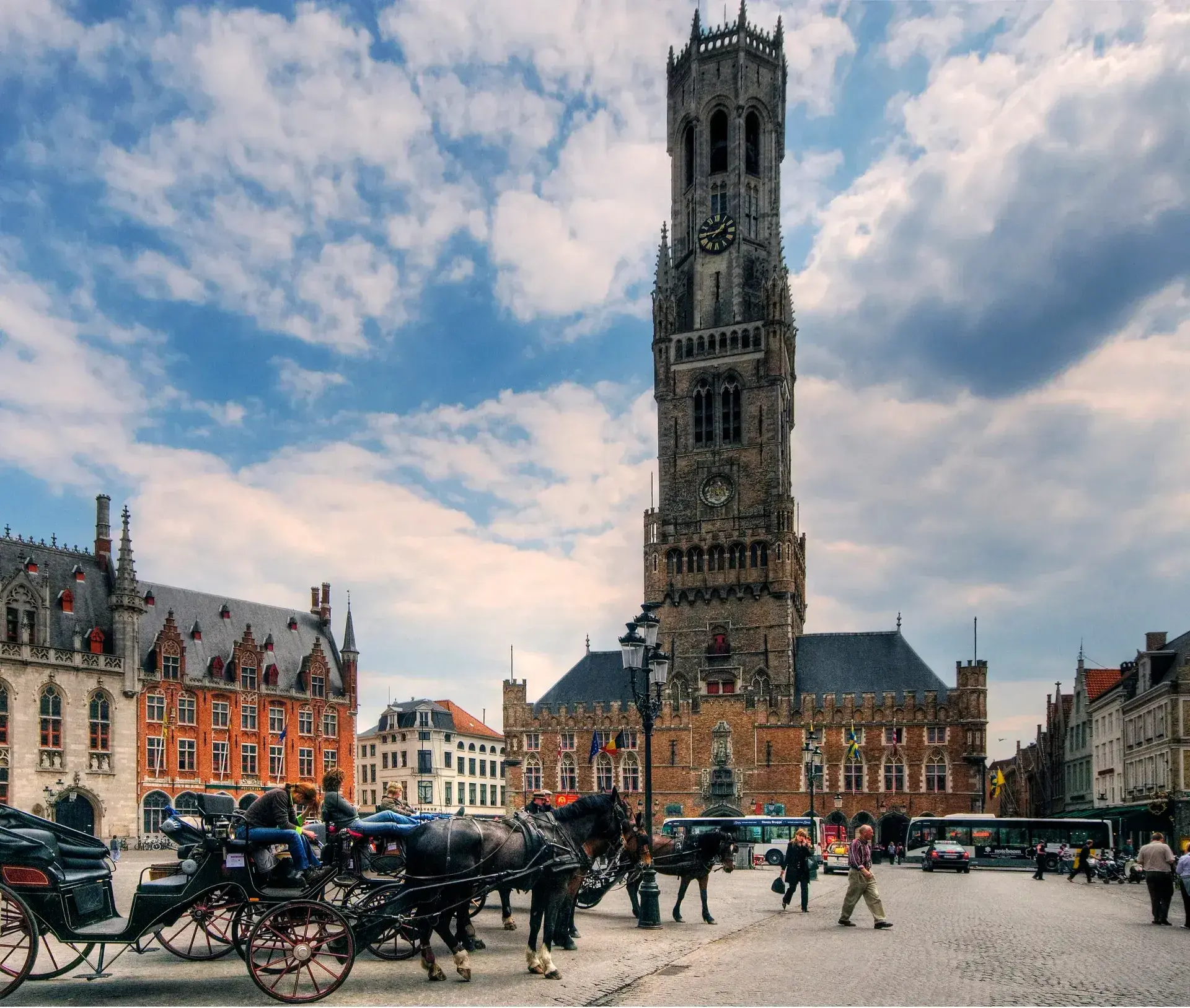
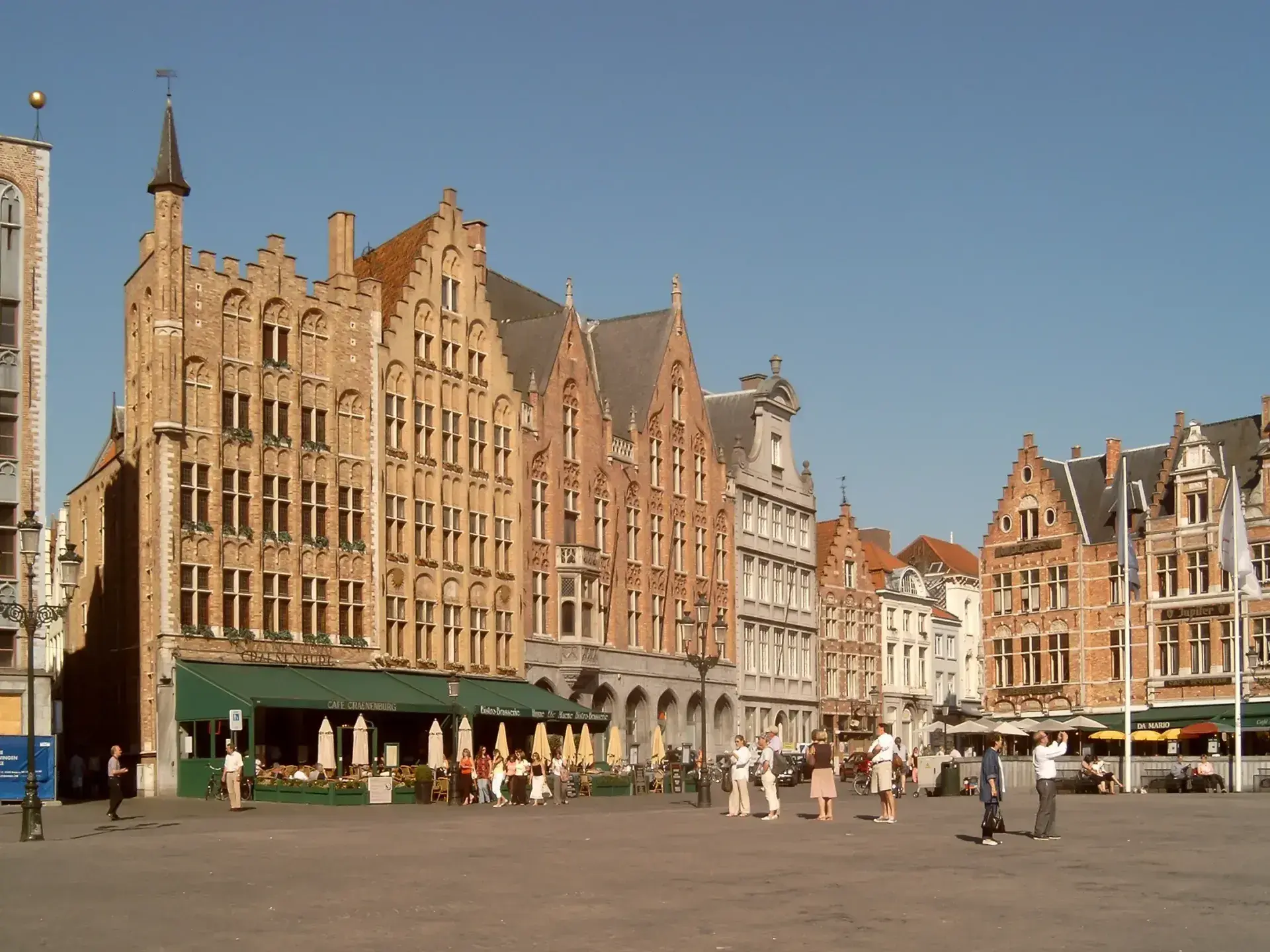
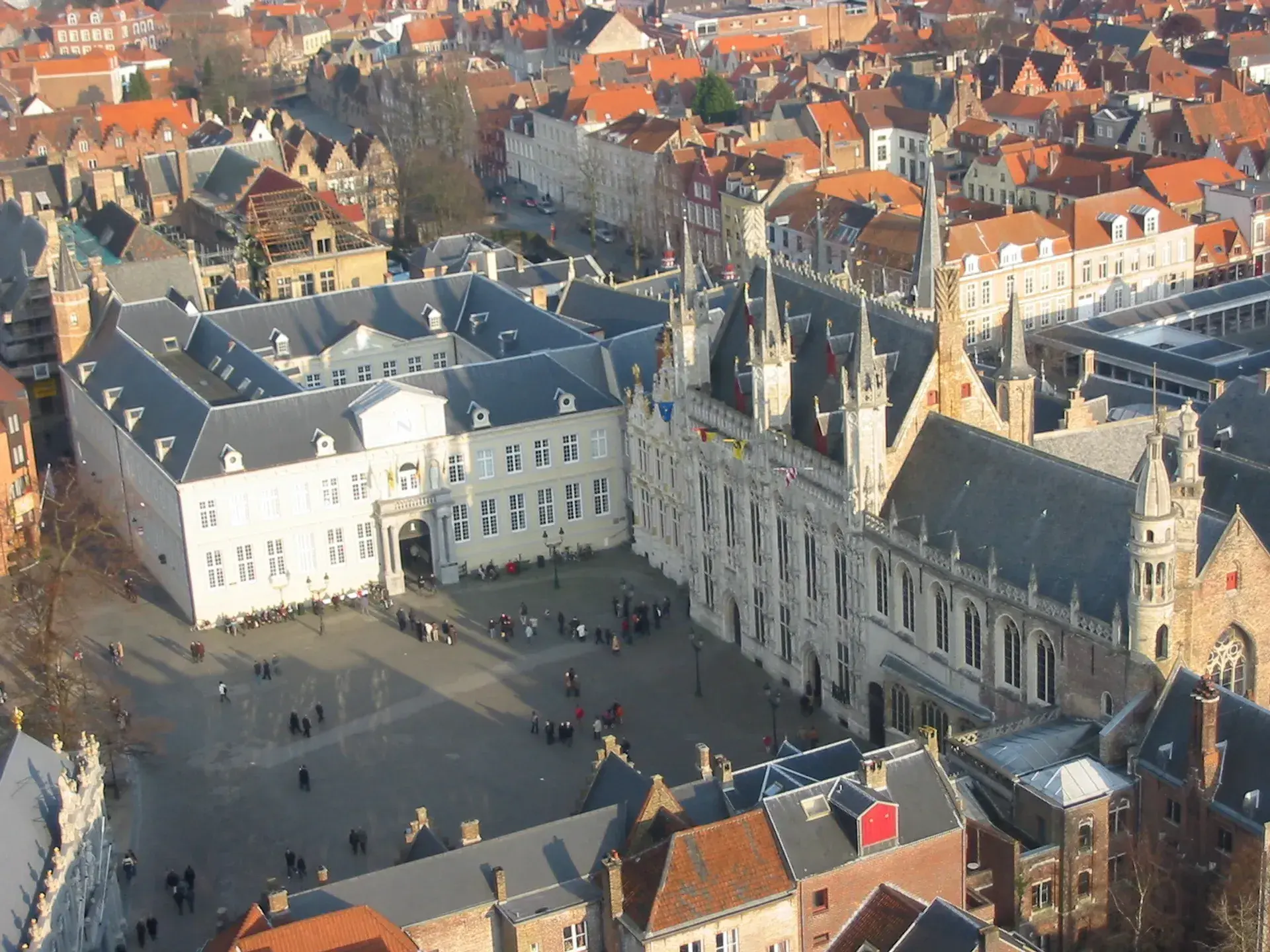
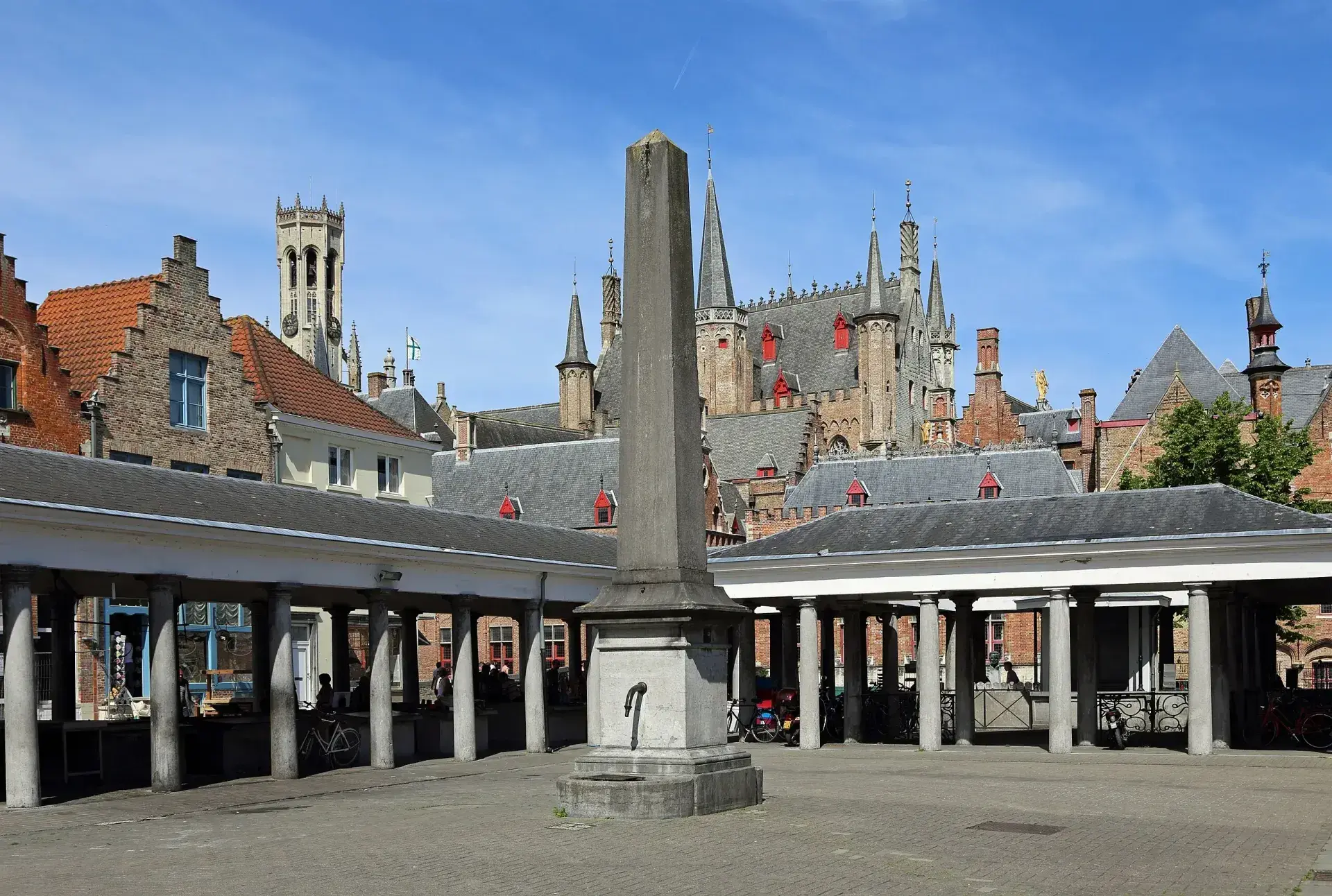
Situated approximately 300 meters east of the bustling Markt, De Burg is a paved pedestrian square that has served for centuries as the civic, administrative, and religious center of Bruges. While the neighboring Markt developed primarily as a hub for commercial trade, De Burg concentrated the governing and spiritual powers of the city. Today, the square forms an essential passage in central Bruges, linking the Markt via the Blinde Ezelstraat archway to the historic Fish Market and canal quays along the Groenerei and Dijver.
Bruges walking tour with audio and quizzes: Belfry, canals and beer
2 hours10 stopsAudio guideStart any day, at your own paceTicket on your phone · 30-day refundFortified Origins and Centuries of Governance
Settlement activity on the site dates as far back as the 2nd and 3rd centuries, but the square took its defining role in the 9th century. Count Baldwin I of Flanders, known as Baldwin Iron Arm, established a fortified stronghold here to defend the territory against Viking incursions. Over time, this fortified enclave evolved into the focal point of regional authority.
In 1127, De Burg became the scene of significant political upheaval when Count Charles the Good was assassinated by rival nobles inside St. Donatian’s Church, sparking widespread civil conflict. Civic administration became permanently anchored to the plaza with the construction of the Gothic City Hall (Stadhuis) in 1376, establishing an institutional presence that has governed Bruges from the same site for over six centuries.
An Ensemble of Architectural Styles
De Burg is notable for displaying several distinct architectural eras within a single perimeter:
- Gothic City Hall (Stadhuis): Built between 1376 and circa 1421, it is among the oldest surviving Gothic town halls in the Low Countries. In 1435, painter Jan van Eyck was commissioned by the municipal government to polychrome and gild its original facade statues.
- Basilica of the Holy Blood: This complex features a double chapel consisting of an austere 12th-century Romanesque lower chapel dedicated to St. Basil and an ornate Gothic upper chapel.
- Old Civil Registry (Oude Civiele Griffie): Completed in 1537, this early Renaissance structure displays sculpted gables, natural stone carvings, and gilded bronze details.
- Palace of the Liberty of Bruges (Brugse Vrije): An 18th-century neoclassical complex that historically administered the surrounding rural region and later functioned as a law court.
- Provostry of St. Donatian: A 17th-century Baroque building constructed between 1665 and 1666 in the Antwerp Counter-Reformation style.
Connecting the City Hall to the Old Civil Registry is the ornate covered archway of the Blinde Ezelstraat (Blind Donkey Street), where footsteps echo sharply against the stone paving as visitors transition between the square and the waterways beyond.
The Lost Cathedral and Subterranean Ruins
The open, tree-shaded area on the northern flank of De Burg marks the former footprint of St. Donatian's Cathedral. In 1799, under French revolutionary administration, the historic cathedral was confiscated, stripped of valuables, and dismantled to sell its building materials for scrap. Its demolition dramatically altered the square's spatial layout and exposed the interior eastern wall of the adjacent Baroque Provostry; it was not until 1865 that a matching half-bay and finished exterior facade were constructed to seal the exposed side.
Although the cathedral no longer stands above ground, its physical remains were not entirely lost. Excavations revealed substantial masonry foundations of both St. Donatian's Cathedral and Count Baldwin's original 9th-century fortress. These structural remnants are preserved directly within the basement conference rooms and cellars of the Crowne Plaza hotel on the northern edge of the square.
Modern Civic Life and Visiting De Burg
De Burg remains fully integrated into daily municipal and spiritual life. The pedestrian plaza is open to the public 24 hours a day at no charge. The Stadhuis continues to house active city offices and civil marriage rooms, while its historic Gothic Hall operates as a paid museum. Meanwhile, the Basilica of the Holy Blood serves as an active Catholic place of worship, holding daily services and regular veneration ceremonies for its relic.
FAQ
What is the difference between De Burg and the Markt?
While the nearby Markt served as the commercial center for trade and markets, De Burg developed as the administrative, judicial, and religious center of Bruges, housing the city hall, civic courts, and key religious institutions.
Where are the remains of St. Donatian's Cathedral located?
The above-ground footprint of the demolished cathedral is marked by an open, tree-lined space on the north side of the square. Below ground, its excavated foundations and remnants of the 9th-century count's fortress are preserved inside the basement cellars of the modern Crowne Plaza hotel.
Can the buildings on De Burg be entered?
Yes. The square itself is freely accessible 24 hours a day. The Basilica of the Holy Blood is an active church open for worship, and the Gothic Hall inside the historic City Hall (Stadhuis) can be visited with an admission ticket.