Rozenhoedkaai: Brugge's Iconic Rosary Quay
Brugge's Defining Canal Panorama
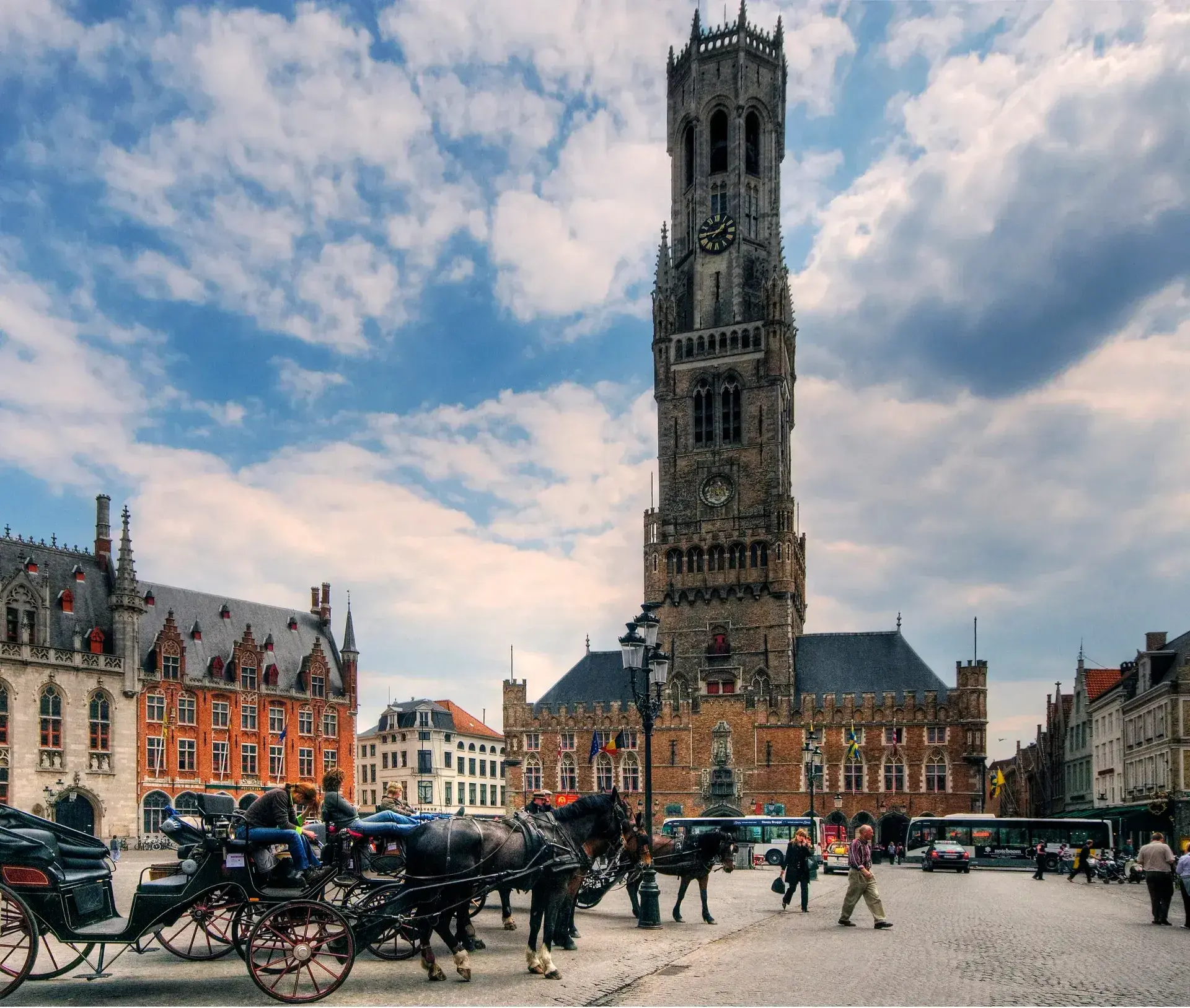
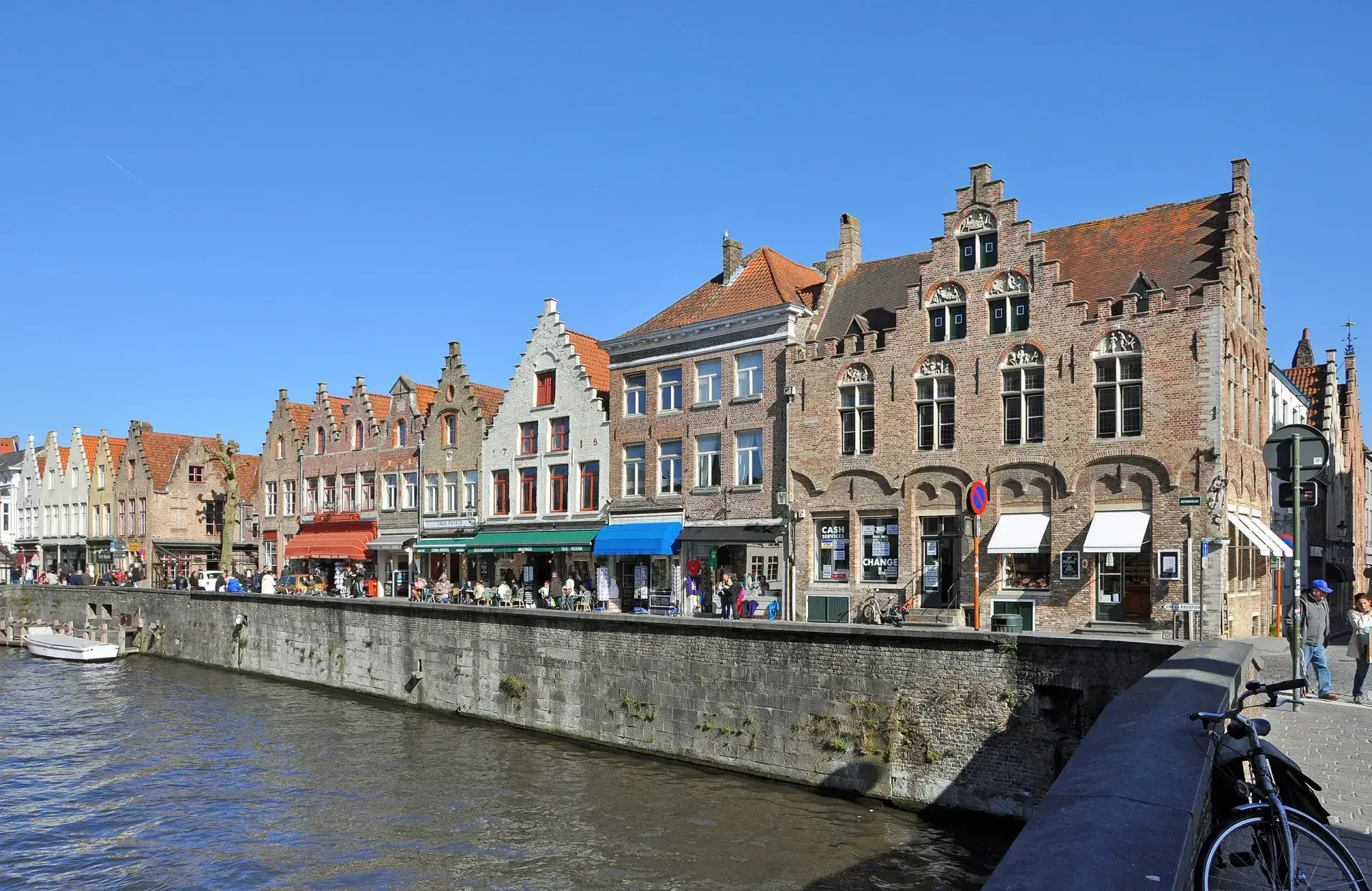
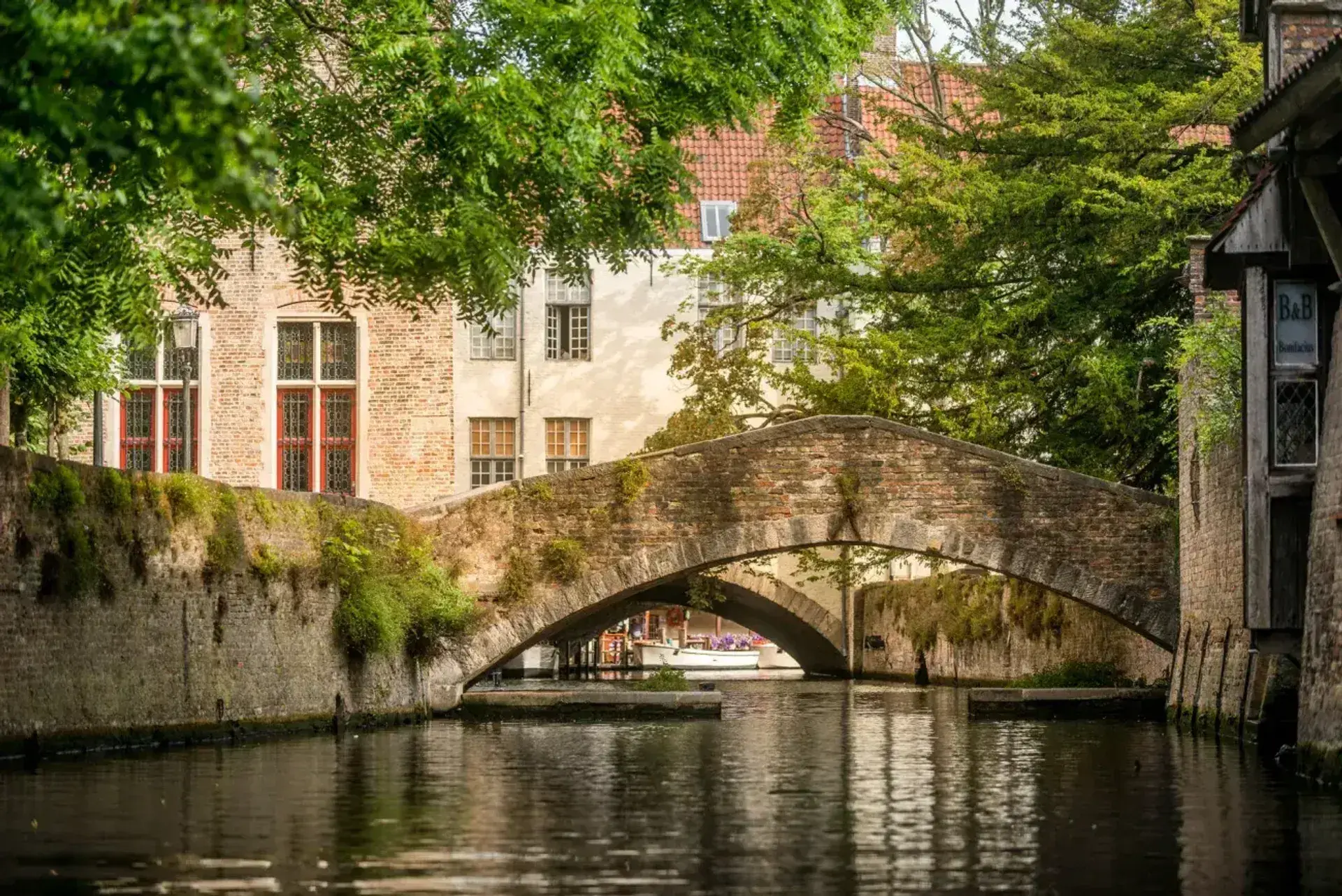
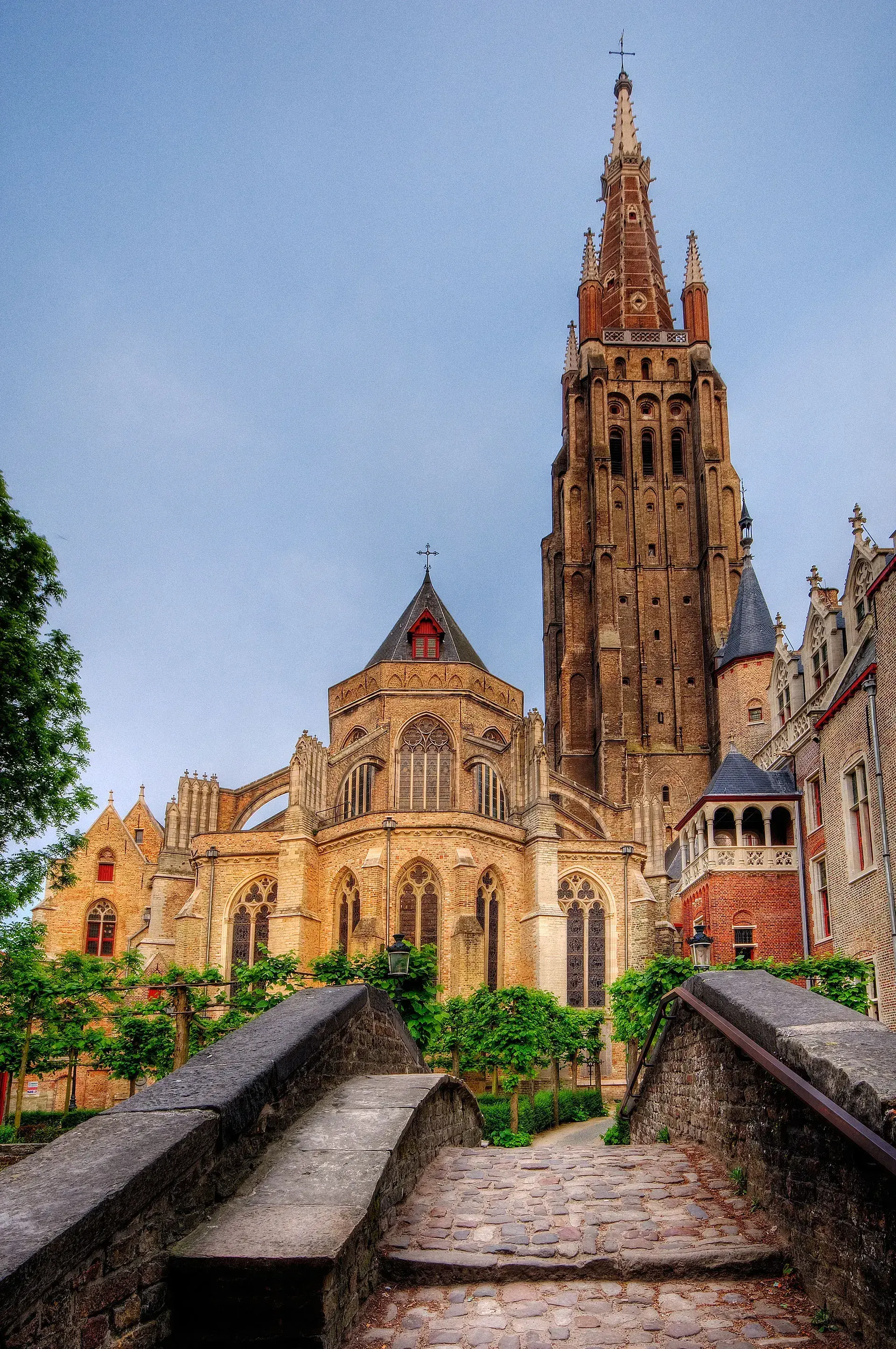
Situated at the bend where the Dijver and Groenerei waterways converge, Rozenhoedkaai (Rosary Quay) represents the most recognizable and photographed perspective in Brugge. Running between the Dijver and Braambergstraat, this vantage point frames traditional brick step-gabled buildings rising directly from the water's edge, an overhanging weeping willow, and the towering 83-meter Belfry in the background.
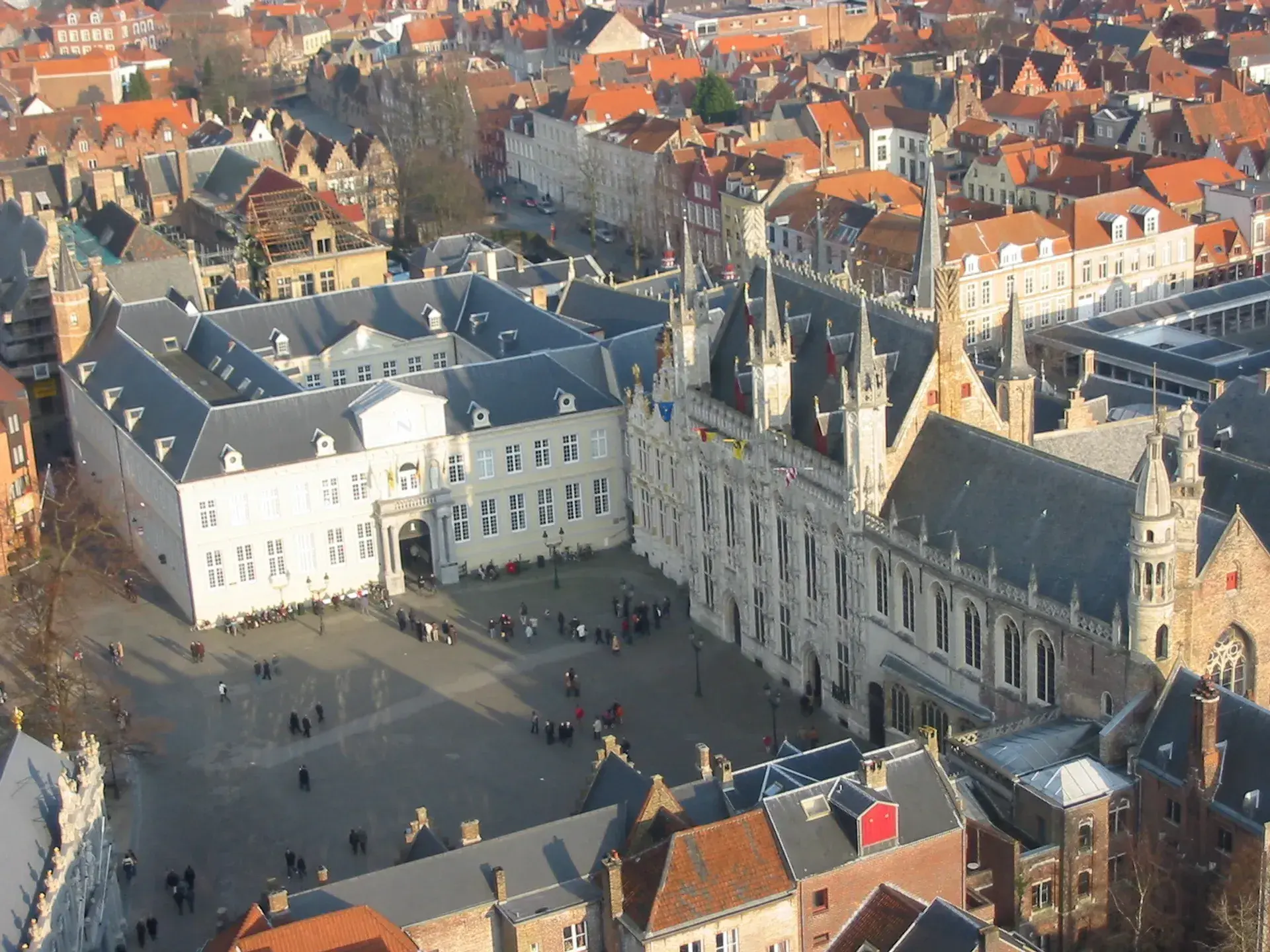
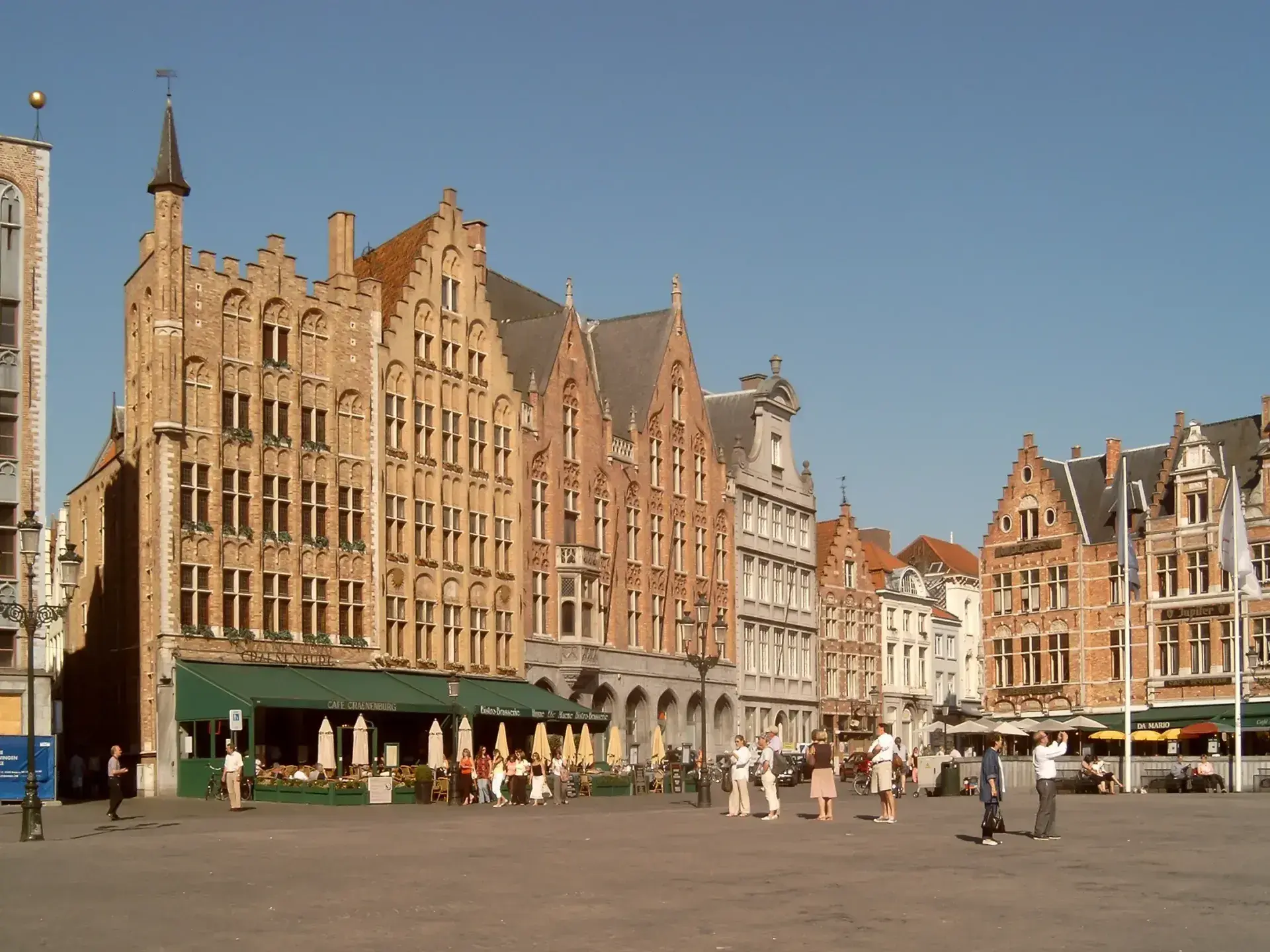
Beyond its visual appeal, the quay illustrates how Brugge's historical urban layout was designed around water transit rather than rigid street grids. Rozenhoedkaai serves as a natural pedestrian hinge linking the city's civic administrative center—consisting of the Burg and the Markt—to the cultural museum quarter along the Dijver, where institutions like the Groeningemuseum and Gruuthusemuseum reside.
Bruges walking tour with audio and quizzes: Belfry, canals and beer
2 hours10 stopsAudio guideStart any day, at your own paceTicket on your phone · 30-day refundFrom Salt Wharf to Pilgrim Stalls
While celebrated today for its scenic charm, the quay spent centuries operating as a utilitarian commercial dock. From the Middle Ages through the 18th century, the location was known as the Zoutdijk (Salt Dike). Archival documents dating back to 1390 identify the site as die zoutsteeghere bi den Eechoutte (the salt wharf near Eeckhout Abbey), a dedicated mooring where transport boats unloaded raw salt critical for medieval food preservation.
The transition to the name Rozenhoedkaai occurred during the 18th century. Vendors began erecting stalls along the waterfront to sell devotional items and rosary strings to travelers and pilgrims journeying toward local places of worship, including the nearby Basilica of the Holy Blood. The name derives from the older Dutch term rozenhoed, which referred to a wreath of roses or a string of prayer beads.
Literary Fame and Tourism
In 1892, Belgian Symbolist author Georges Rodenbach immortalized the quay by choosing it as the fictional residence of Hugues Viane, the protagonist of his influential novel Bruges-la-Morte. Rodenbach intended the work to evoke a quiet, somber city in decline, but the novel’s international success had the opposite effect. Its evocative atmosphere captured global attention, inadvertently fueling the modern wave of tourism that turned the quiet residential quay into a primary destination.
Modern Atmosphere and Curiosities
Today, Rozenhoedkaai is an accessible 24/7 public viewpoint framed by flower boxes on stone parapets and active outdoor restaurant terraces. The location doubles as a bustling canal transport hub, with open-air tour boat boarding docks located directly along the embankment and around neighboring Huidenvettersplein. The setting carries a distinct auditory backdrop composed of low excursion boat motors, multilingual tour commentary echoing against brick facades, water lapping the quay, and carillon melodies sounding from the Belfry.
While the sweeping weeping willow brushing the canal surface appears ancient, it is a decorative landscaping feature rather than an original medieval element. The location also remains a celebrated spot for photographers, who often practice the precision timing required to capture an open-air tour boat passing through the inverted reflection of the Belfry on the water.
FAQ
What does the name Rozenhoedkaai mean?
Rozenhoedkaai translates to Rosary Quay. In older Dutch, a rozenhoed referred to a garland of roses or a rosary prayer string. The name arose in the 18th century when stalls alongside the water sold devotional chaplets to passing pilgrims.
What was Rozenhoedkaai used for before it was a tourist site?
From the Middle Ages until the 18th century, the site was named the Zoutdijk (Salt Dike). It served as an active cargo wharf where river barges unloaded raw salt used primarily for preserving food.
Is the weeping willow at Rozenhoedkaai historical?
No. Although the tree has become a central feature of classic photographs of the quay, it is a modern decorative landscaping addition rather than a medieval feature.
Which novel popularized Rozenhoedkaai?
Georges Rodenbach's 1892 Symbolist novel Bruges-la-Morte placed the home of its protagonist on the quay. The book's popularity helped establish Brugge's international reputation and spurred modern tourism.