Bear Tower (Medvjed Kula) in Jajce: A Medieval Fortress
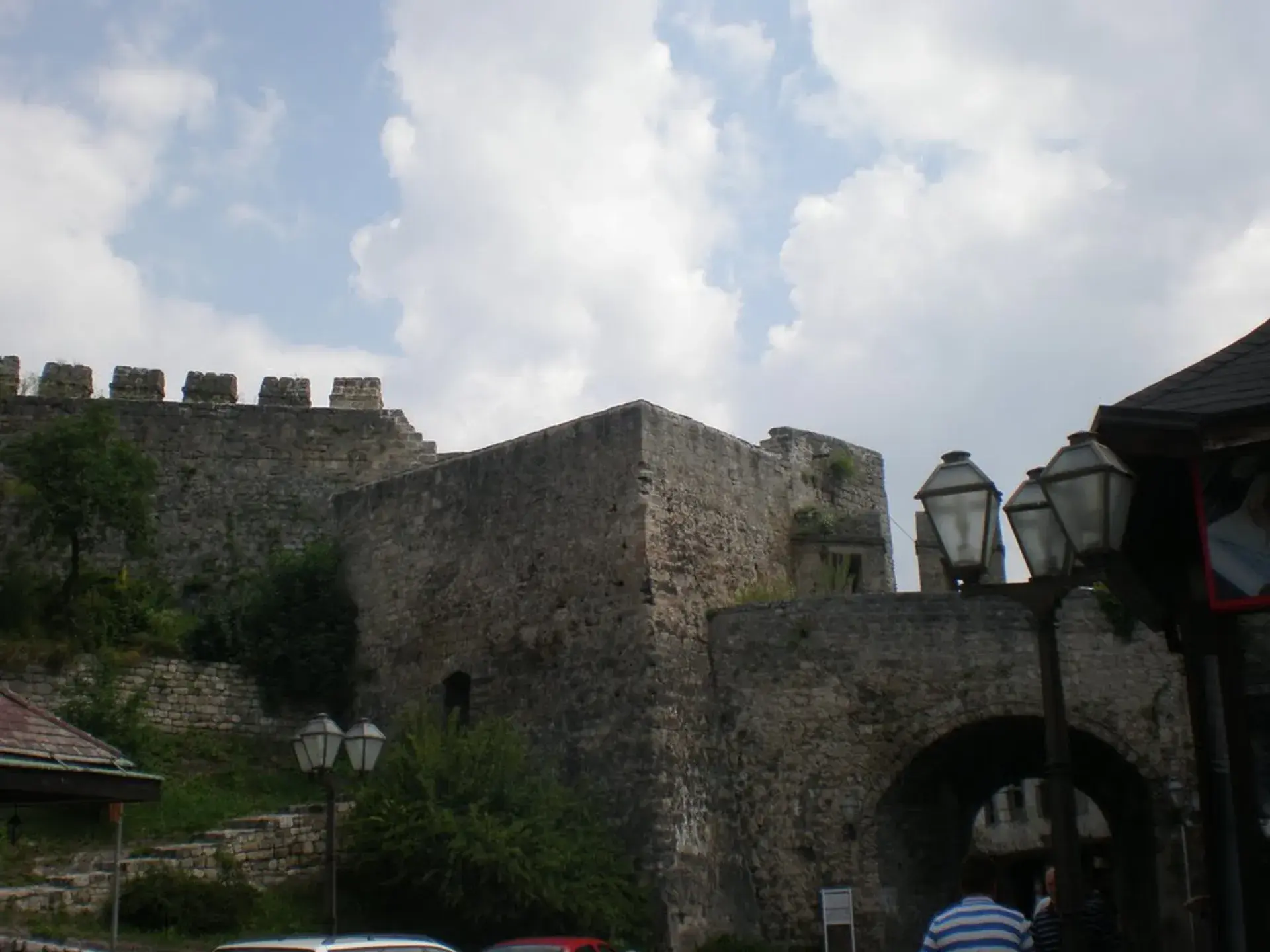
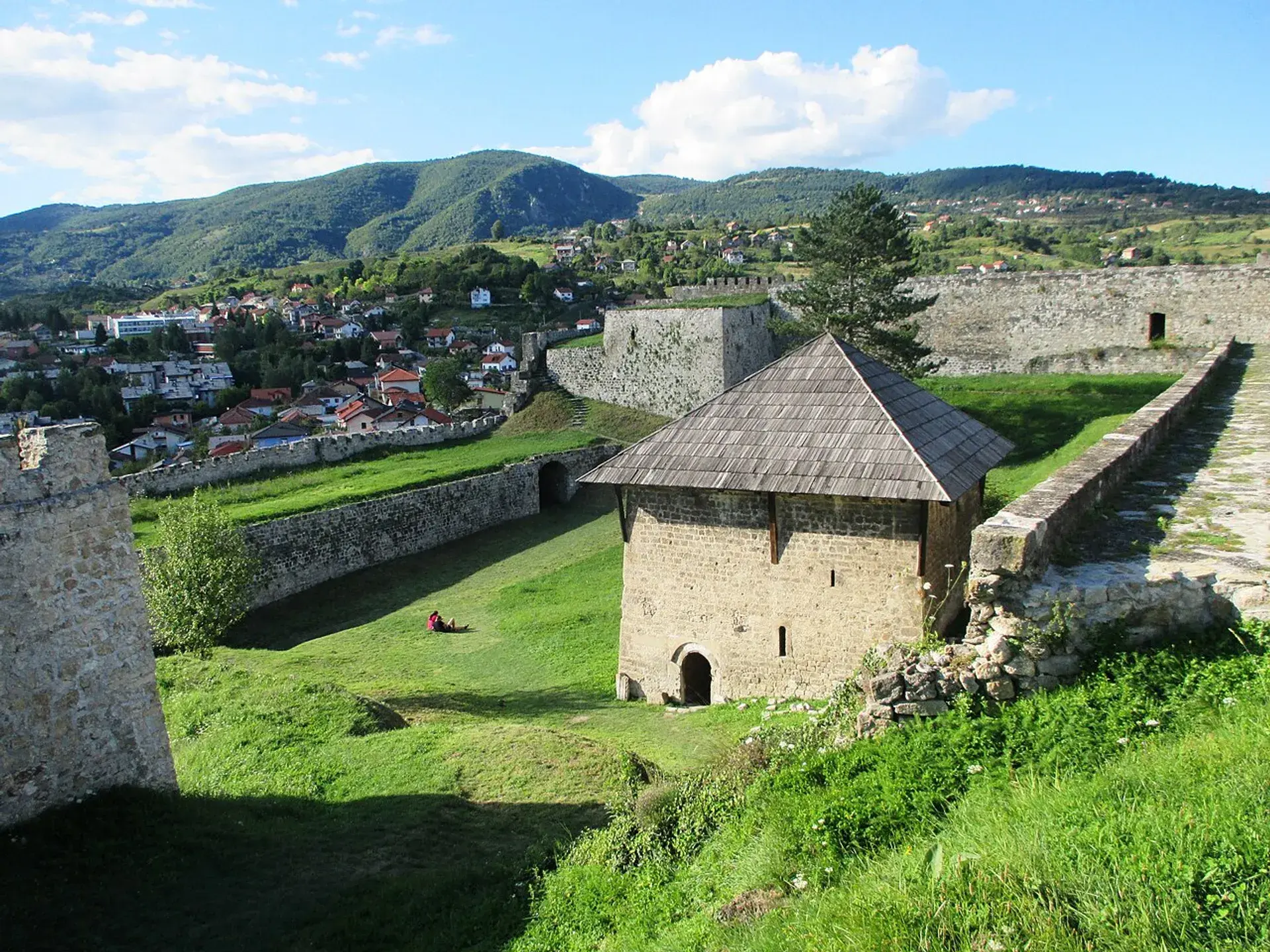
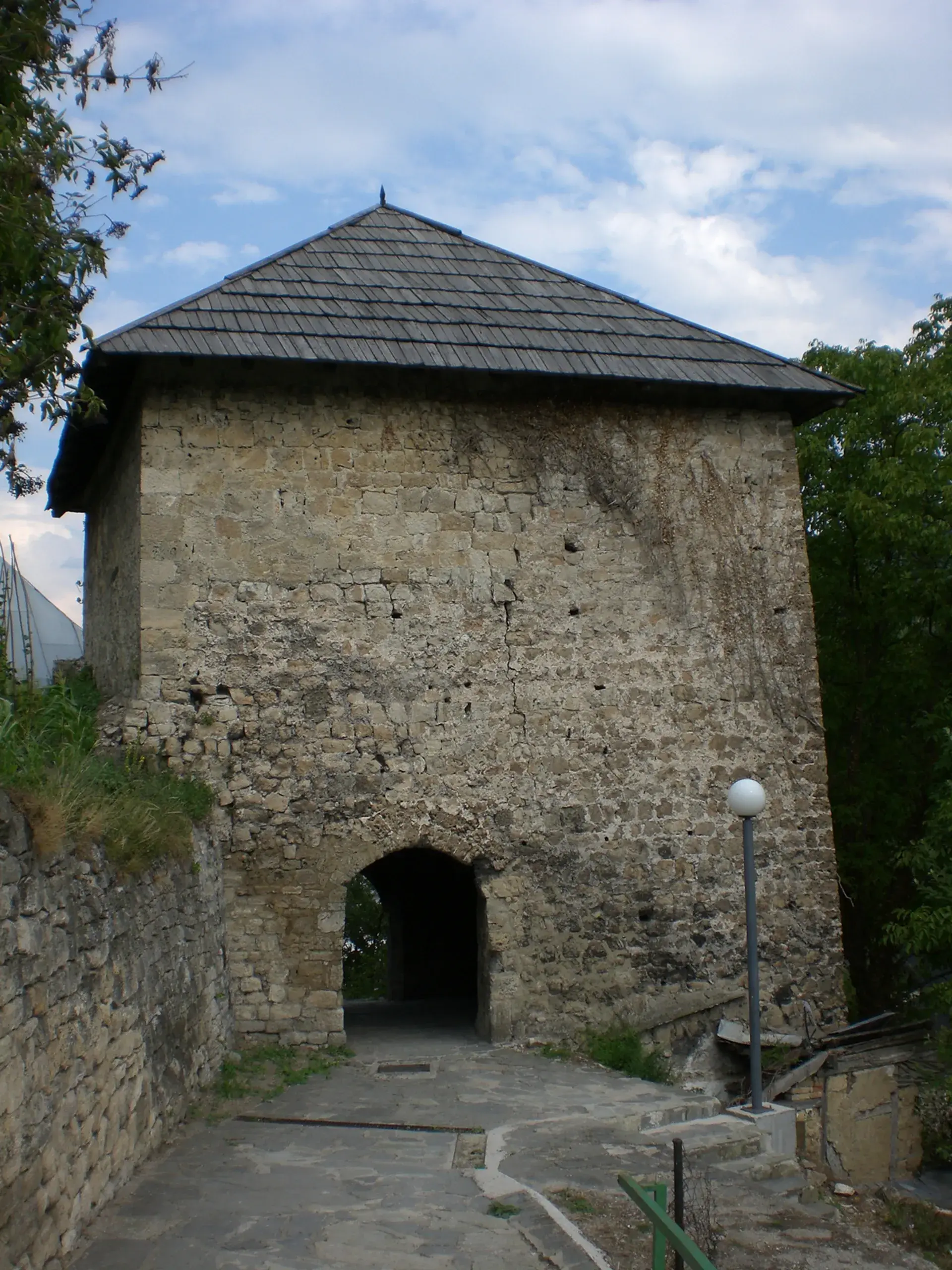
The Bear Tower, or Medvjed Kula, stands as one of the oldest and most formidable medieval structures within the fortifications of Jajce, Bosnia and Herzegovina. This massive defensive tower was a statement of military power, strategically positioned on the city's western wall to guard against attack and serve as a final refuge for its defenders.
A Fortress of Royal Bosnia
Constructed between 1448 and 1463, the Bear Tower dates to the final decades of the independent Kingdom of Bosnia. During this period, Jajce served as the royal capital and the last stronghold of the kingdom. The tower's creation occurred during the reign of Bosnian kings who succeeded the city's founder, Hrvoje Vukčić Hrvatinić.
The tower witnessed the kingdom's decline. In 1463, the last King of Bosnia, Stjepan Tomašević, who had been crowned in Jajce, was executed by the Ottomans, marking the end of the independent Bosnian Kingdom. Historical evidence also suggests the tower may have been built on the site of an earlier Roman watchtower used to control river transport.
Architecture Built for Battle
The tower's design is a testament to medieval military engineering. Its massive, round form and exceptionally thick walls—ranging from 4.70 to six meters—were specifically built to withstand the force of early firearms. This architectural style underscores its critical defensive role.
Originally, the entrance was located 8.5 meters above the ground for security. A more accessible entrance with stairs was added around 1890, and a ground-level opening was created by partisan units during World War II.
The Legend of the Bear Tower
The origin of the name 'Medvjed Kula' is the subject of two main theories. One suggests it simply refers to the tower's imposing, bear-like massiveness. However, a more prevalent and macabre local belief holds that bears were kept inside the tower, and prisoners and convicts were thrown to them as a form of execution.
The Tower Today
Today, Medvjed Kula is a protected historical landmark and a key tourist attraction within the fortified city of Jajce. It was declared a national cultural monument of Bosnia and Herzegovina in 2003 and underwent restoration in 2013 to ensure its preservation. As part of the Jajce Historic Site, the tower offers visitors panoramic views of the surrounding landscape and serves as a powerful reminder of the city's resilient past.
FAQ
When was the Bear Tower in Jajce built?
The Bear Tower is estimated to have been constructed between 1448 and 1463, during the final years of the independent Kingdom of Bosnia when Jajce was the royal capital.
Why is it called the Bear Tower?
One theory is that the name refers to its massive, bear-like appearance. A more popular local legend claims it was named because bears were kept inside, and prisoners were thrown to them.
How thick are the walls of the Bear Tower?
The walls of the Bear Tower are remarkably thick, ranging from 4.70 meters to six meters. This was a defensive design feature to help it withstand attacks from early firearms.
What is the Bear Tower used for today?
Today, the Bear Tower is a historical landmark and tourist attraction. It is part of the Jajce Historic Site, a designated National Monument of Bosnia and Herzegovina, and offers visitors panoramic views.