Travnik Gate: Jajce's Ottoman Fortress Entrance
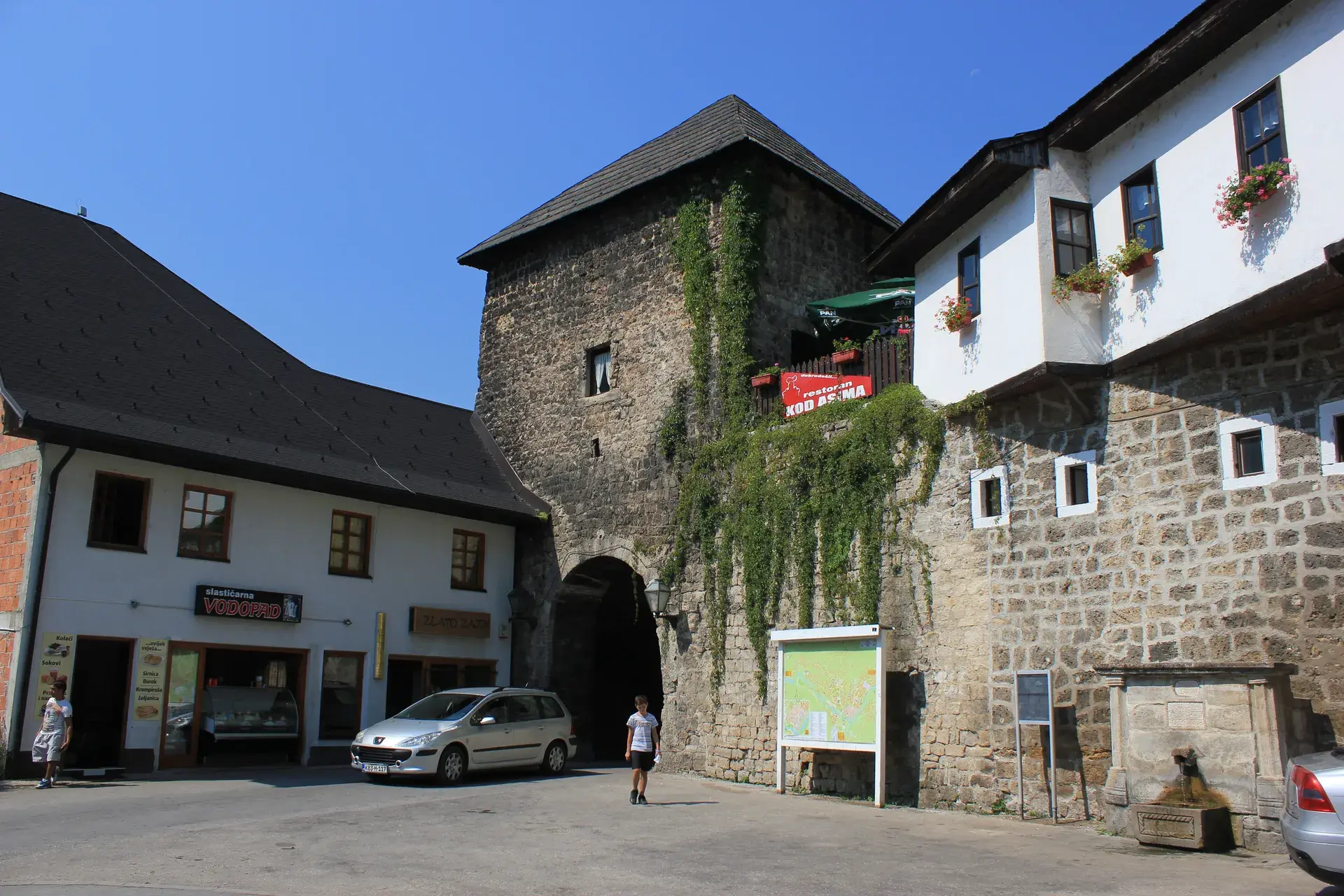
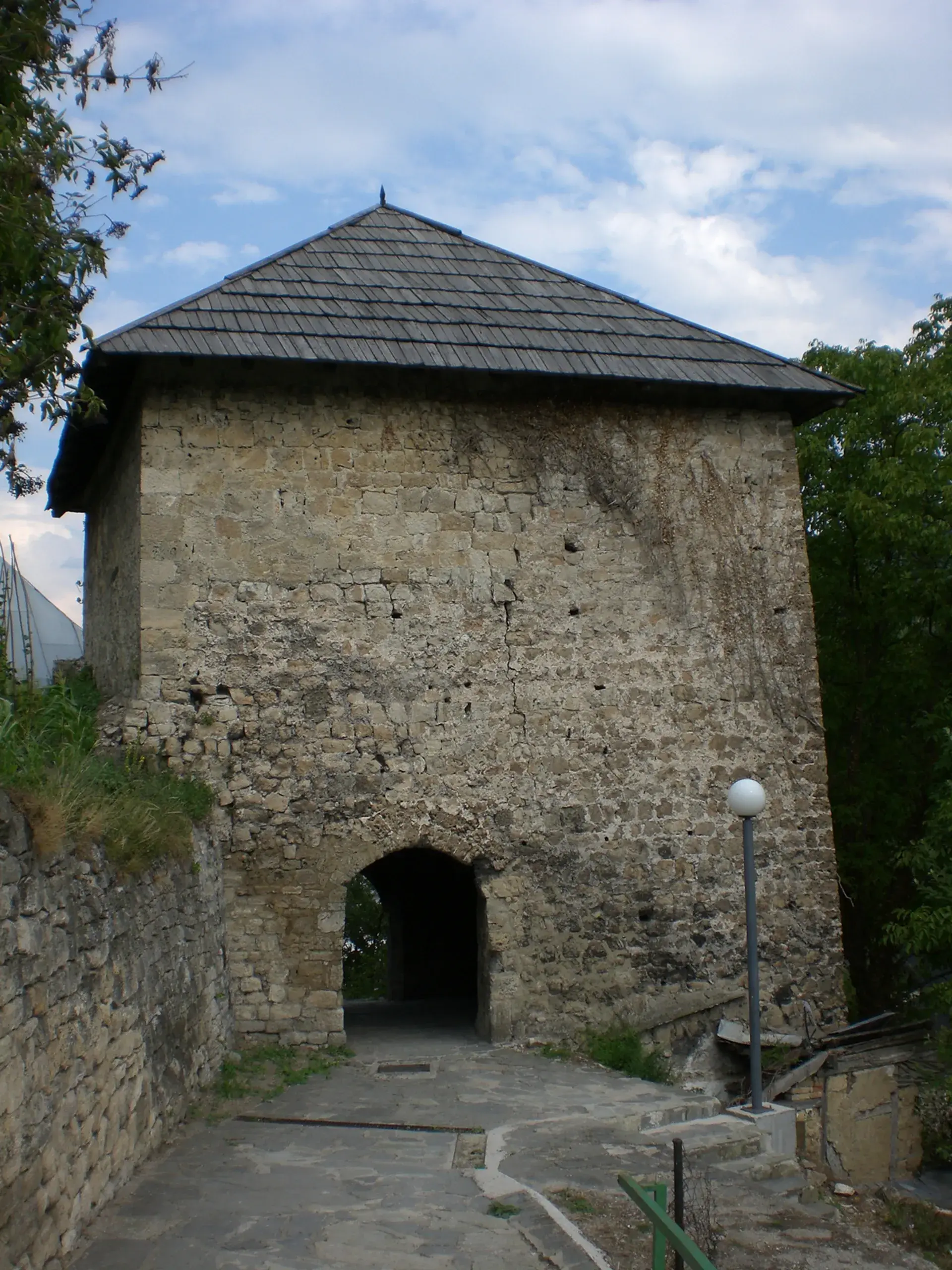
The Travnik Gate, or Travnička kapija, is a formidable stone gate-tower that served as the primary southern entrance to the old city of Jajce in Bosnia and Herzegovina. This imposing structure is a significant landmark from the Ottoman period, representing a key phase in the city's long and complex history.
A Shift to Ottoman Defense
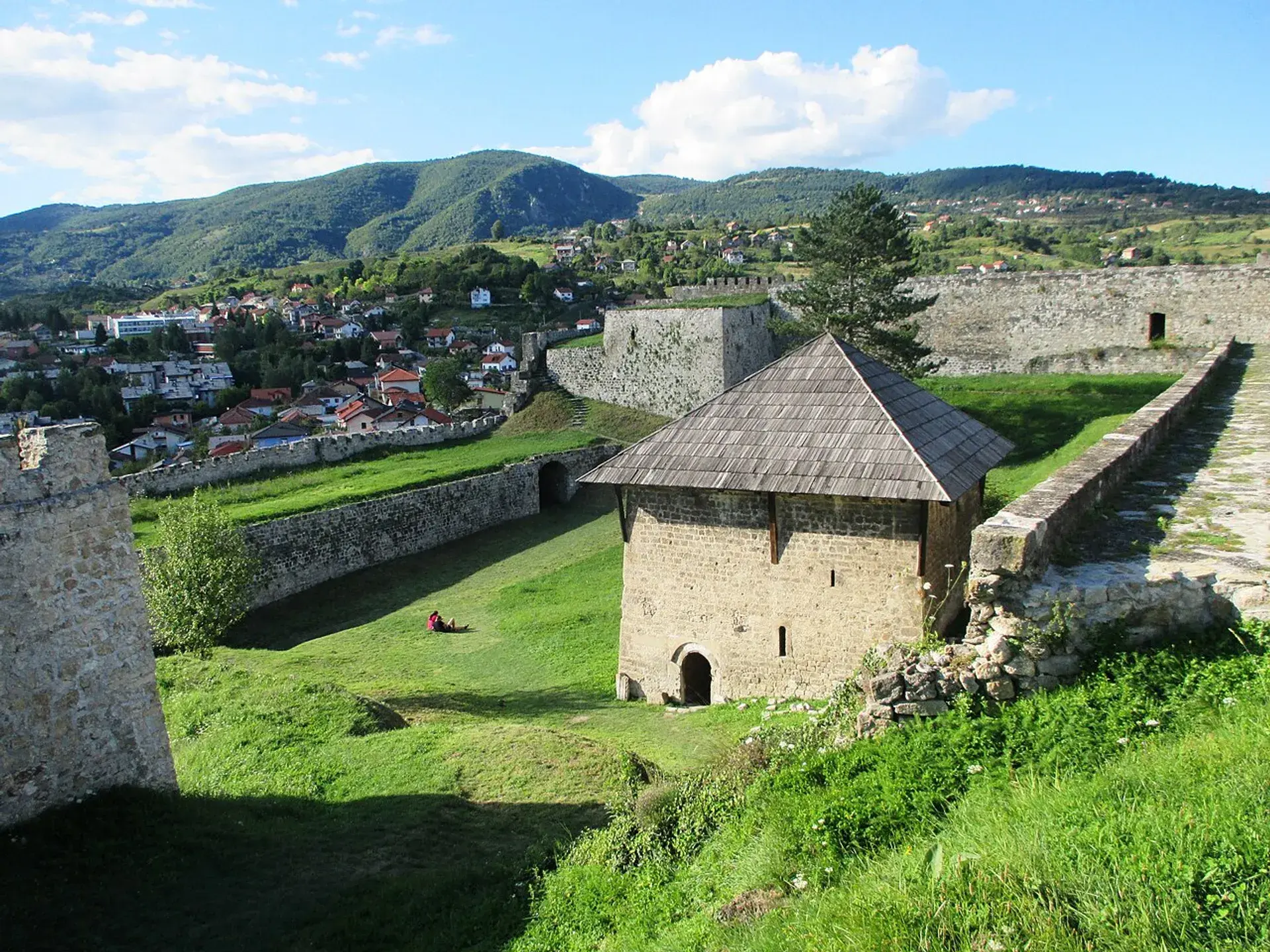
The gate was constructed in the late 17th or early 18th century. This was a period when the Ottoman Empire, which had ruled Jajce since 1527, was experiencing strategic setbacks after military defeats near Vienna and Senta. The gate's construction reflects a shift in imperial strategy from conquest to defensive consolidation, reinforcing Jajce's enduring importance. The grounds before the gate were likely further protected by deep ditches and movable bridges.
Architectural and Strategic Design
Typical of Ottoman gate-towers of its era, the Travnik Gate has a rectangular base measuring 8.75 by 9.10 meters. It is built from broken stone, with walls designed for maximum defense. The exterior southern wall is a massive 3.30 meters thick, while the interior northern wall is a slimmer 1.45 meters, highlighting its strategic purpose of repelling attacks from outside the city.
A unique feature within Jajce's fortifications is the gate's stone vault above the ground floor, the only tower in the system with this characteristic. The first floor housed a guard room, measuring 6.82 by 5.93 meters, which featured loopholes for defense and was accessible from the city ramparts.
The Gate in a Historic City
While the gate is an Ottoman creation, the city of Jajce has a much longer history. It was founded in the late 13th or early 14th century by the Grand Duke of Bosnia, Hrvoje Vukčić Hrvatinić. Jajce later became the capital of the independent Kingdom of Bosnia and the seat of its kings, including Stjepan Tomašević, the last Bosnian king, who was crowned in the city before his execution by the Ottomans in 1463.
The Travnik Gate Today
Today, the Travnik Gate stands as a well-preserved historical monument. It continues to serve as a primary entry point into Jajce's old town, particularly for visitors arriving from the main bus station and crossing the 'Eiffel Bridge'. Adjacent to the gate is the Omerbegova kuća, a 17th-century house that now operates as a restaurant serving traditional Bosnian cuisine.
FAQ
When was the Travnik Gate built?
The Travnik Gate was built during the Ottoman period, likely in the late 17th or early 18th century, after the empire suffered significant military losses and shifted its focus to defense.
What is unique about the Travnik Gate's architecture?
The Travnik Gate is the only tower in Jajce's entire fortress system that features a stone vault directly above its ground floor. Its walls are also significantly thicker on the exterior-facing side (3.30 meters) for defensive purposes.
Who founded the city of Jajce?
The city of Jajce was founded by Hrvoje Vukčić Hrvatinić, the Grand Duke of Bosnia, in the late 13th or early 14th century. It later became the capital of the Bosnian Kingdom.