Kujundžiluk: Mostar's Historic Old Bazaar
Ottoman Origins and Guild Traditions
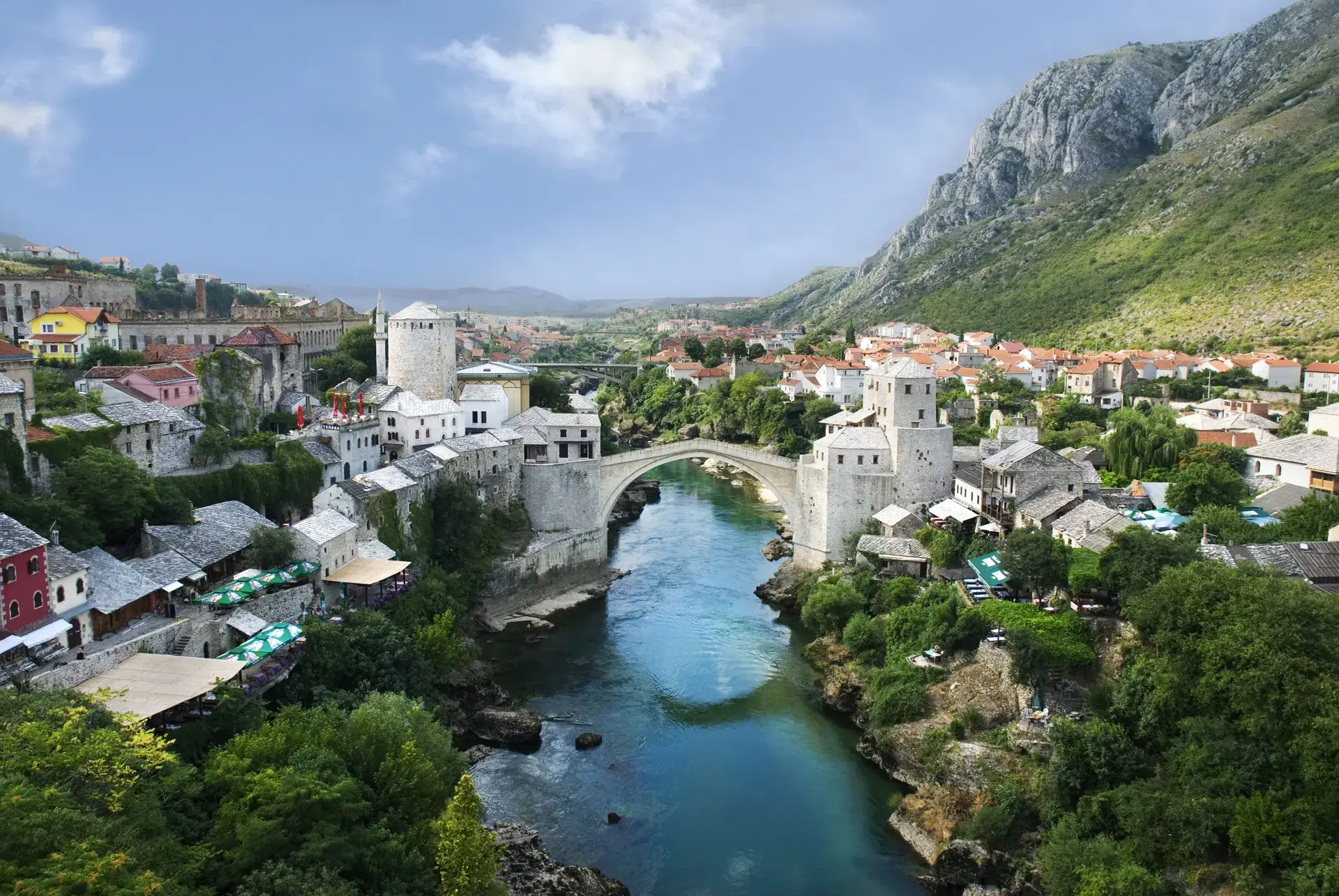
Kujundžiluk is a mid-16th-century Ottoman commercial street positioned along the east bank of the Neretva River in Mostar. Developed concurrently with the construction of the stone Stari Most (Old Bridge) in 1566, the bazaar evolved into the primary commercial and artisanal hub for the wider region of Herzegovina.
The street's name originates from the Ottoman Turkish term kuyumcu (or kujundžija in Bosnian), meaning goldsmith or jeweler. In its formative decades, the quarter was recognized primarily for precious-metal artisans who specialized in silver filigree and intricate bridal belt buckles (pafte). Trade guilds (esnafi) strictly regulated operations along the street; historical records from 1631 document prominent craftsmen such as the goldsmith Hadži Osman working within the market. During its peak in the 17th and 18th centuries, Kujundžiluk accommodated more than 500 workshops and storefronts.
Architecture and Recovery
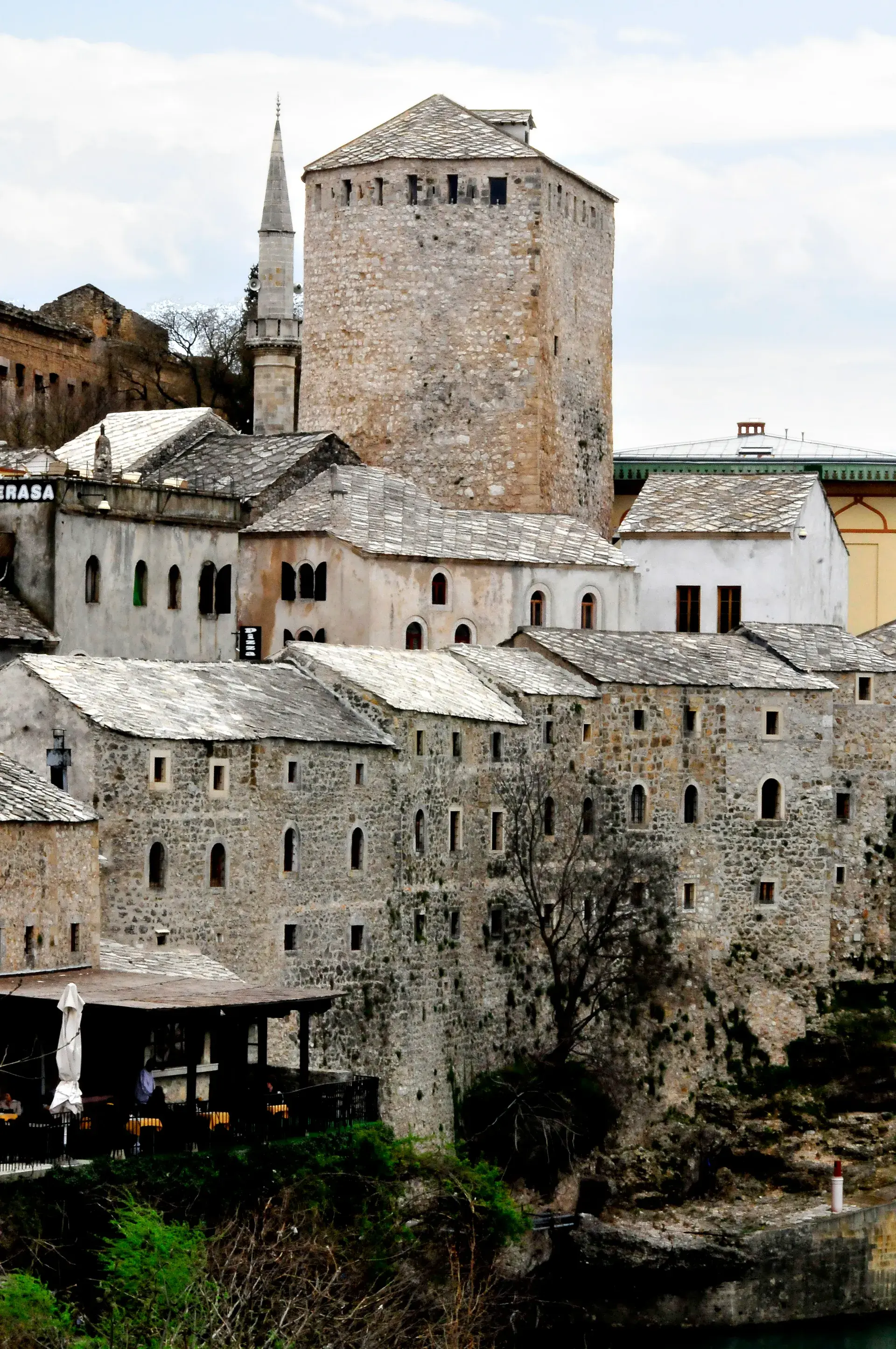
The architectural identity of Kujundžiluk is defined by traditional stone masonry and historic streetscapes. The pedestrian thoroughfare is paved in kaldrma, a masonry style using rounded, smooth stones gathered directly from the Neretva River bed. Flanking the street are rows of low, single-room stone workshops (dućani), characterized by traditional wooden shutters and limestone slab roofs.
The bazaar has endured several cycles of destruction and rebuilding. In 1861, a major fire devastated almost the entire commercial district, prompting extensive reconstruction of its stone and timber storefronts. More than a century later, the street suffered severe damage and shelling during the 1992–1995 conflict in Bosnia and Herzegovina. Under international oversight and UNESCO coordination, the historic workshops and cobbles were restored, reopening in 2004 alongside the reconstructed Old Bridge. In 2005, the bazaar was formally inscribed on the UNESCO World Heritage List as part of the Old Bridge Area of the Old City of Mostar.
Modern Artisans and Market Life
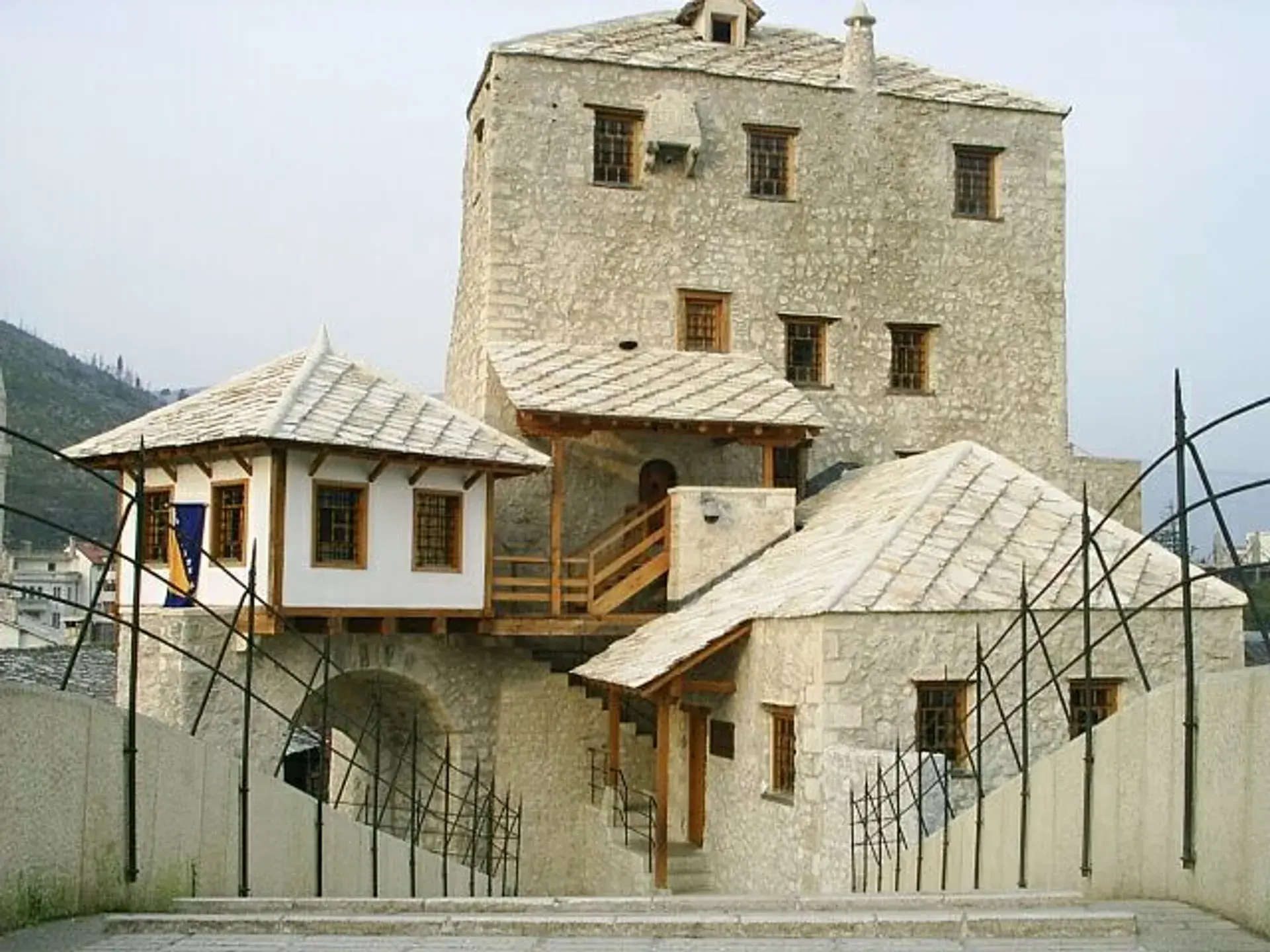
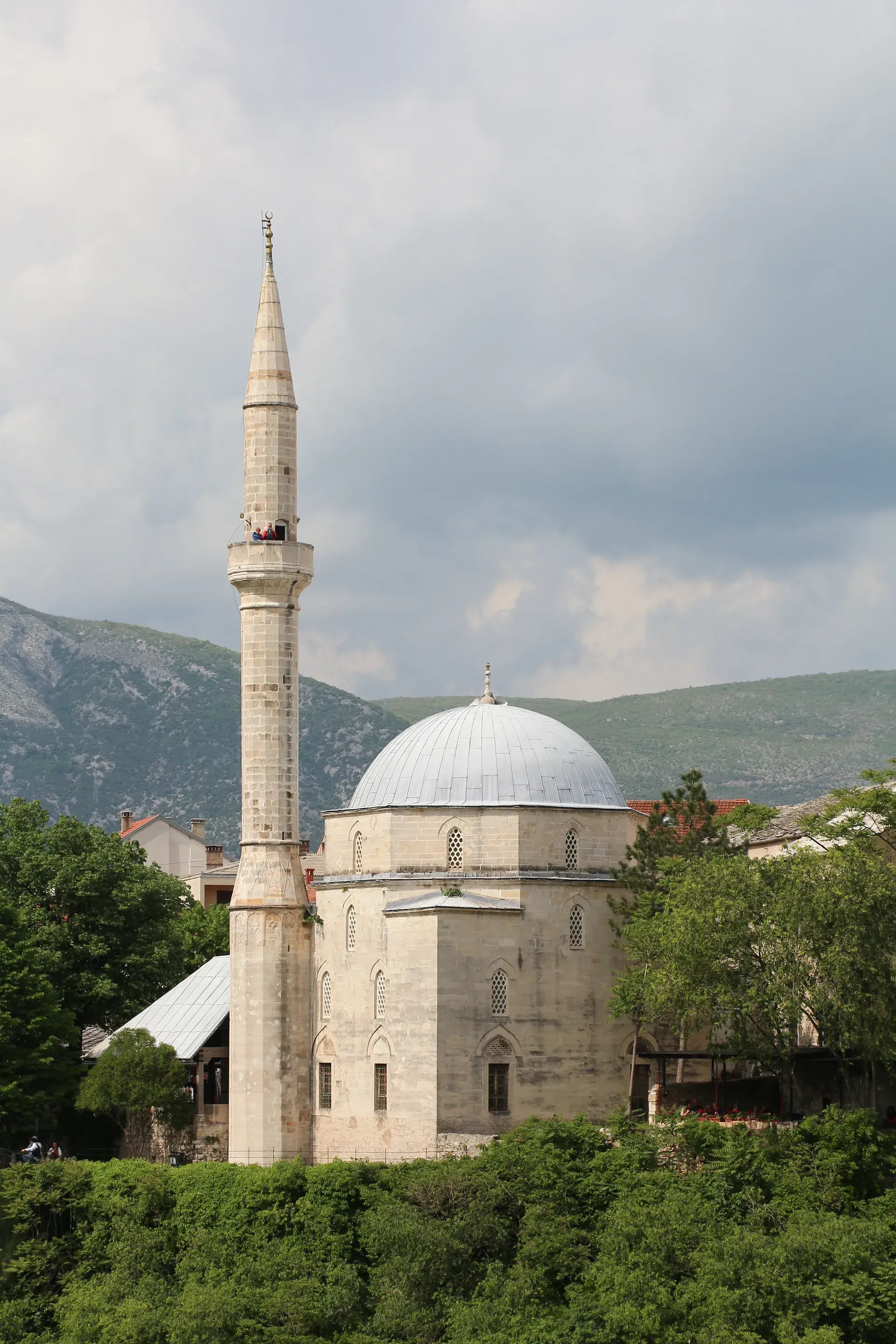
Today, Kujundžiluk serves as an active pedestrian market connecting the defensive Tara Tower to the Koski Mehmed-paša Mosque and the Mala Tepa market area to the north. While goldsmiths initially established the bazaar's reputation, coppersmiths (kazandžije) gradually became the street's defining trade as domestic demand for metal cookware and coffee implements increased.
Open-front workshops remain filled with the metallic tapping of chisels and hammers engraving copper sheets. Artisans produce traditional hand-hammered coffee pots (džezve), serving trays, ceramics, woven rugs (ćilimi), and mosaic glass lamps. Small cafés (kafane) situated among the stalls serve roasted Bosnian coffee, while polite bargaining (cjenkanje) remains a recognized custom between merchants and patrons purchasing handcrafted goods.
Repurposed Wartime Relics
Among the market's traditional copper and silver goods is a distinctive category of trench art developed following the 1992–1995 war. Artisans salvage spent brass artillery shells and bullet casings remaining from the siege and convert them into decorative, functional objects. Craftsmen engrave the polished casings with intricate floral motifs or depictions of the Stari Most, transforming military remnants into pens and small vases.
FAQ
What does the name Kujundžiluk mean?
The name derives from the Ottoman Turkish word 'kuyumcu', which means goldsmith or jeweler. The street was historically celebrated for gold and silversmiths who made traditional bridal belt buckles before coppersmithing became the dominant trade.
Where is Kujundžiluk located in Mostar?
It is situated on the eastern bank of the Neretva River, running north from the foot of the Old Bridge and the Tara Tower toward the Mala Tepa market and the Koski Mehmed-paša Mosque.
What traditional crafts are found in the bazaar?
The street is famous for hand-beaten copperware such as džezve coffee pots and trays, silver filigree, woven rugs, mosaic glass lamps, and decorative pens or vases crafted from repurposed brass shell casings.
Is bargaining accepted in Kujundžiluk?
Yes, polite bargaining, locally called cjenkanje, is an accepted and common practice along the street, particularly when purchasing hand-engraved metalwork and textiles.