Počitelj Clock Tower: The Historic Sahat-kula
An Ottoman Landmark on the Karst Hillside
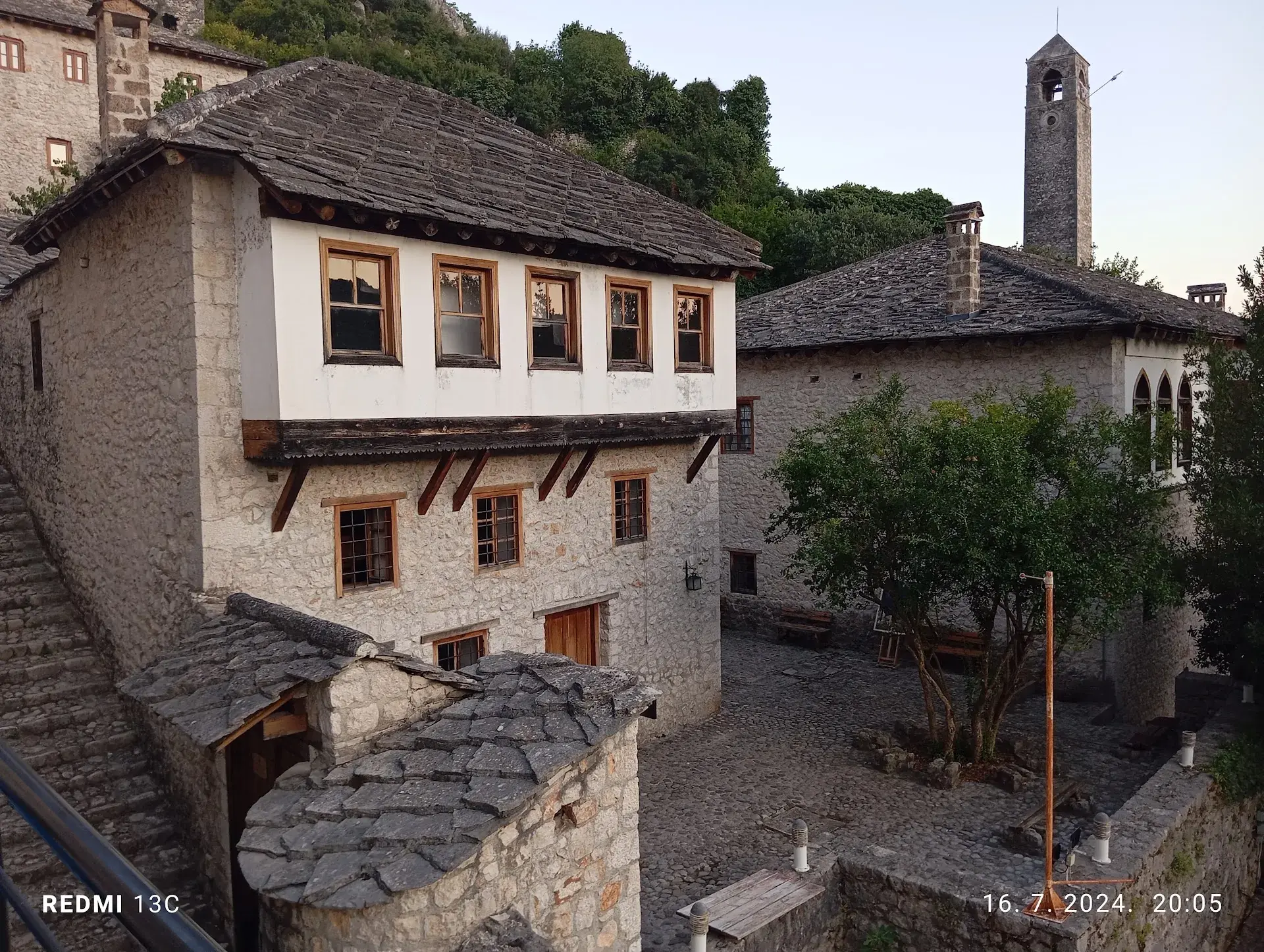
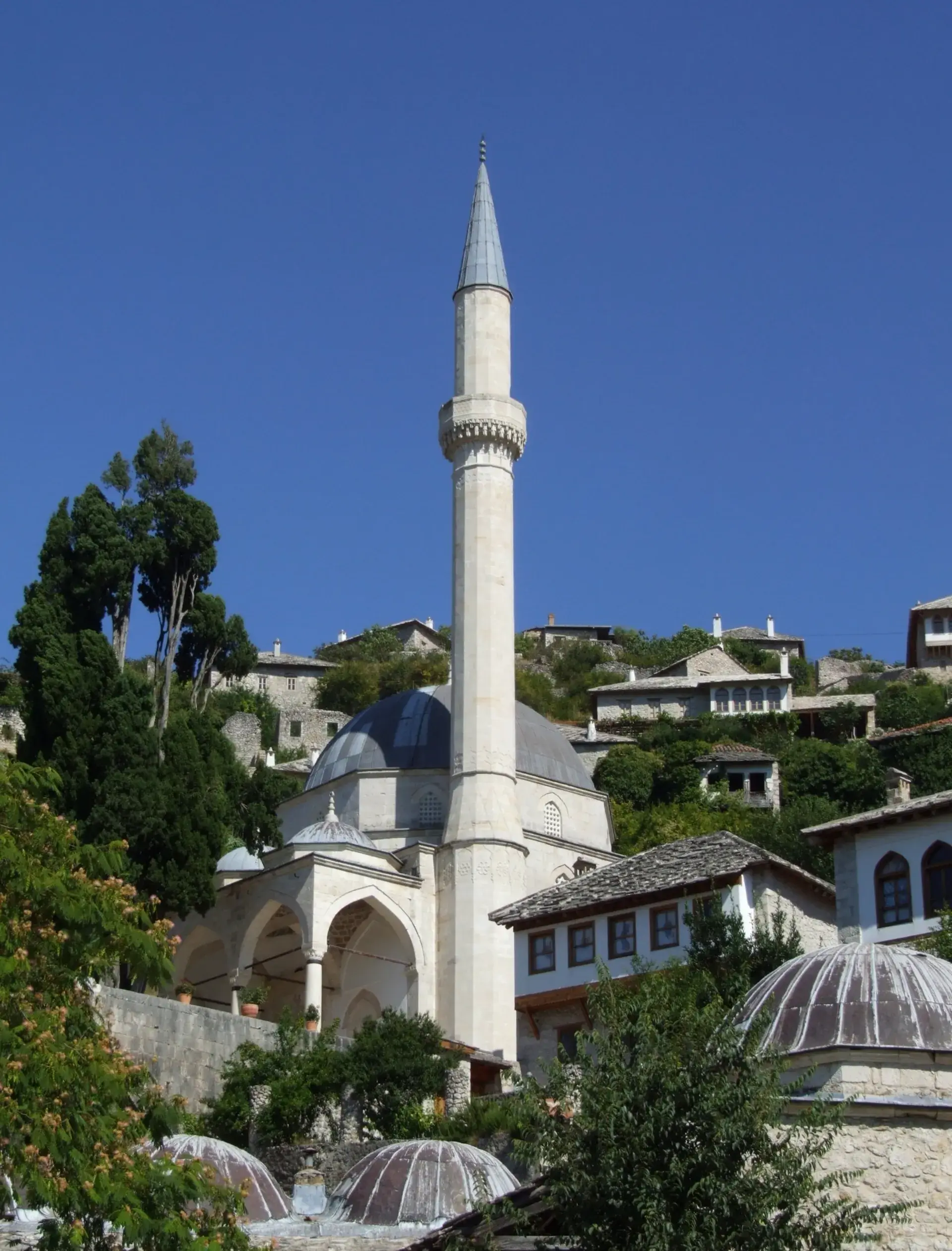
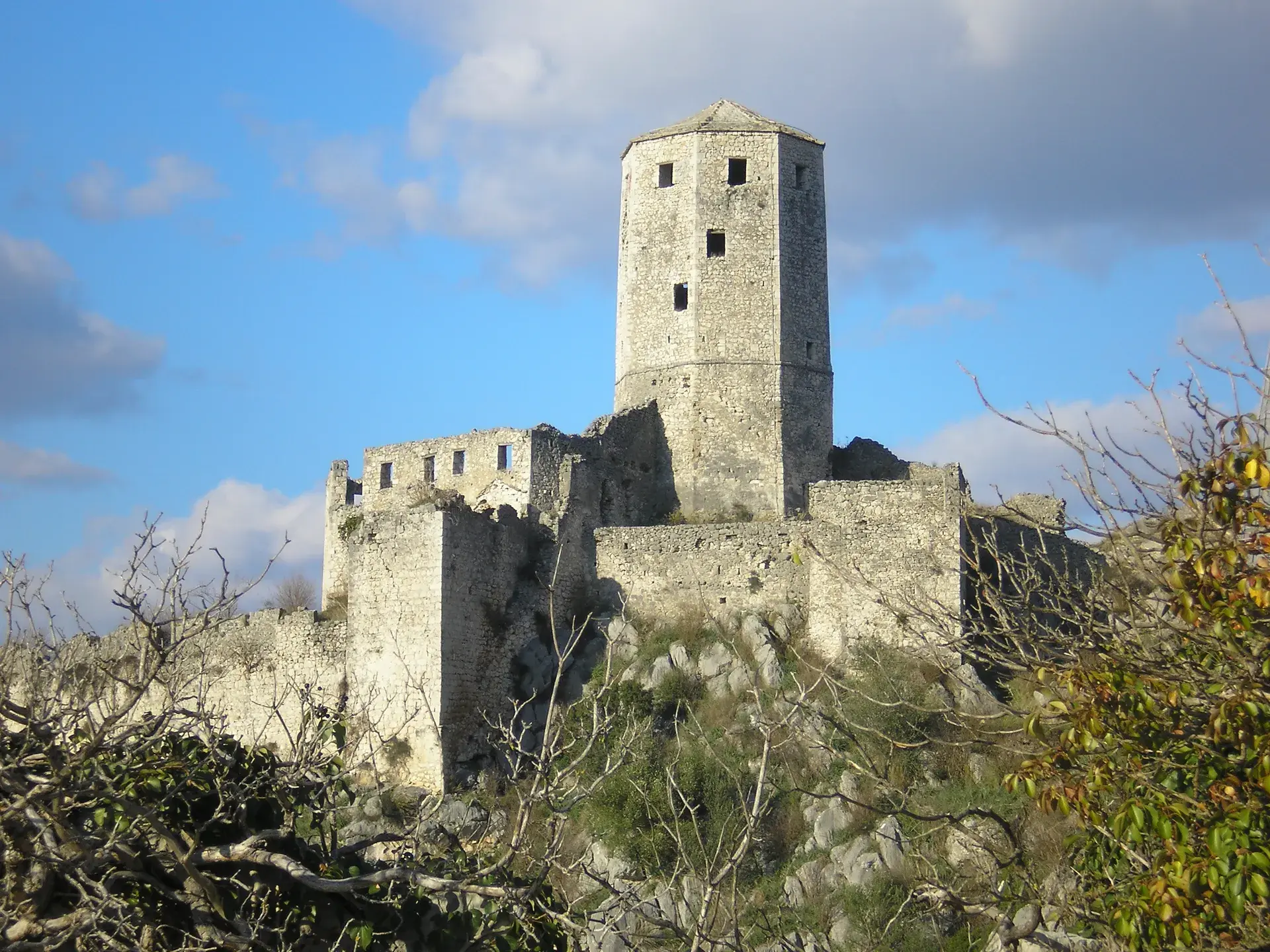
Standing halfway up the steep, terraced karst slope of Počitelj, the Sahat-kula (clock tower) is one of the most recognizable structures in the historic settlement. Rising between the lower monumental zone along the Neretva River and the medieval fortress above, the tower forms one of two distinct vertical accents that punctuate the hillside, alongside the minaret of the Šišman Ibrahim-pasha Mosque.
Following the Ottoman conquest of 1471, Počitelj developed into a vital administrative and military outpost. The seventeenth century saw significant architectural expansion, including the construction of a public bath (hamam), a religious school (medresa), and the clock tower. While the exact year of its completion is unrecorded, Ottoman traveler Evliya Çelebi did not mention the tower during his visit in 1664, establishing that it was constructed sometime after his journey.
Regional Stone Architecture
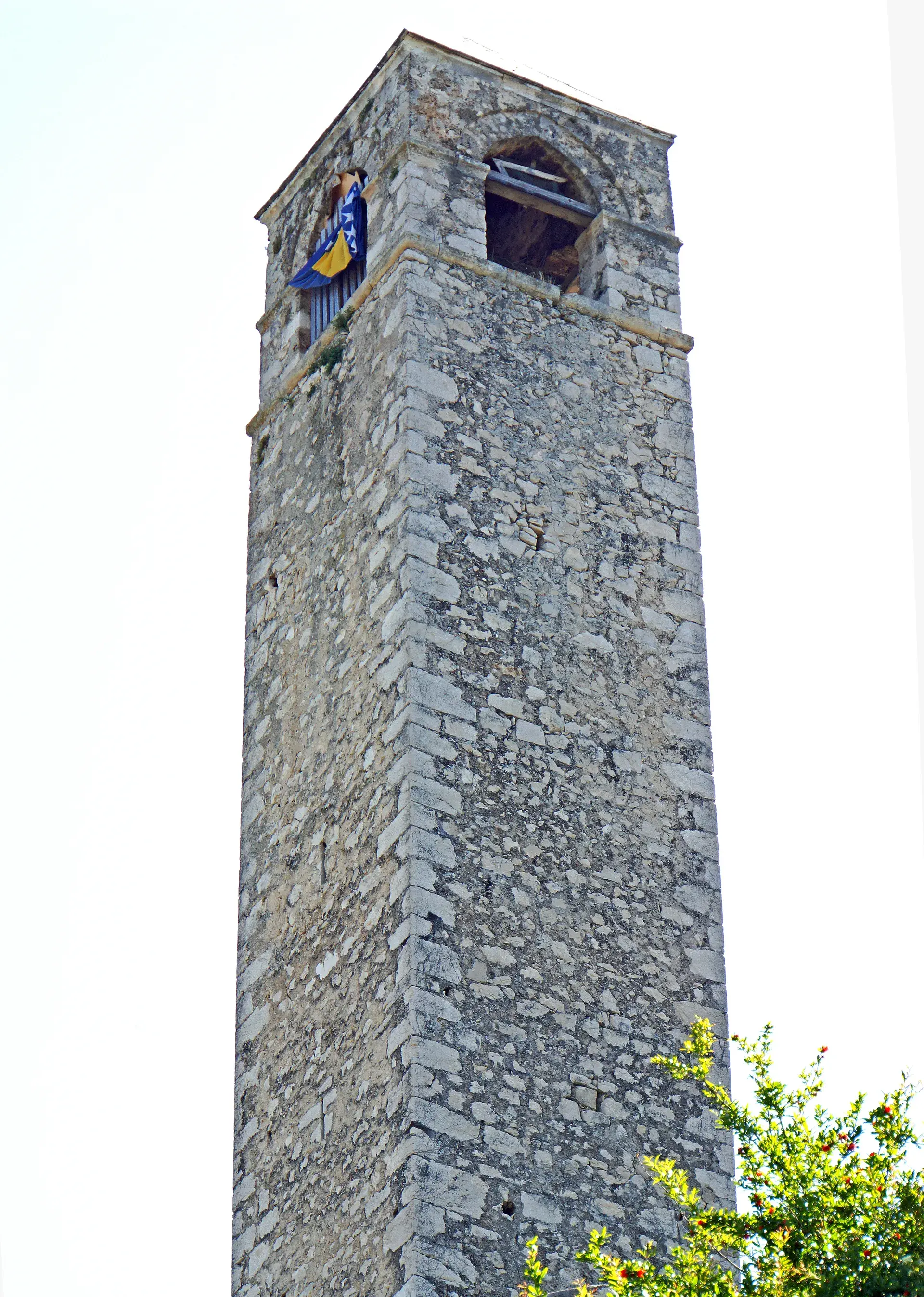
The Sahat-kula exemplifies the Herzegovina variant of Ottoman clock towers, a design also found in Mostar and Stolac. Unlike clock towers in central Bosnia that were typically crowned with timber roofs, this regional style integrated Mediterranean and Dalmatian stone-carving traditions.
The square structure measures approximately 3.22 by 3.26 meters at its base and rises to a height of about 16 meters. It features dressed stone corner quoins, four pointed-arch belfry openings near the top—one on each face—and a solid stone pyramidal cap.
Timekeeping and the Lost Bell
Ottoman clock towers served both civil and religious functions. The Sahat-kula regulated daily life across the settlement and its garrison, coordinating military watch rotations, market activity, and prayer schedules. It tracked standard time as well as alaturka time, an Ottoman system in which hours were calculated starting from sunset.
The soundscape of the Neretva canyon was permanently altered during World War I. Austro-Hungarian military authorities confiscated the tower's bronze bell and melted it down for munitions and artillery shell production. Today, the belfry arches remain empty, filtering only the breeze and the call to prayer from the mosque minaret below.
Local folklore recorded by historian Hamdija Kreševljaković preserves several legends regarding the missing bell. According to oral tradition, the bell was originally seized as war booty from Crete following the Ottoman capture of Candia in 1669. Another local legend claims the chime was so resonant within the river canyon that it could be heard in Gabela, more than 10 kilometers downstream.
Heritage Status and Conservation
The Sahat-kula is protected as an integral component of the Historic Urban Area of Počitelj, which was designated a National Monument of Bosnia and Herzegovina in 2003 and placed on the UNESCO World Heritage Tentative List.
Today, the tower stands as an exterior historic monument alongside the stone pedestrian paths connecting the riverbank to the citadel. Containing no operational clock mechanism or bell, the unmanaged stone structure remains subject to natural weathering, requiring ongoing conservation interventions to preserve its masonry for the future.
FAQ
When was the Sahat-kula in Počitelj built?
The clock tower was constructed after 1664, as the Ottoman traveler Evliya Çelebi made no mention of the structure during his detailed visit to the town that year.
How does the architecture of the Počitelj clock tower differ from central Bosnian towers?
It reflects the Herzegovina regional style, which adopted Mediterranean and Dalmatian stone masonry techniques, featuring dressed stone quoins and a stone pyramidal cap rather than the wooden roofs typical of central Bosnia.
What happened to the bell inside the clock tower?
During World War I, Austro-Hungarian military authorities removed and melted down the bronze bell to produce artillery shells and ammunition.
What was the purpose of tracking alaturka time?
Alaturka time measured the hours of the day starting from sunset, allowing the Ottoman garrison and local townspeople to coordinate daily routines and Islamic prayer times alongside standard civic hours.