Sarajevo's Ashkenazi Synagogue: History & Architecture
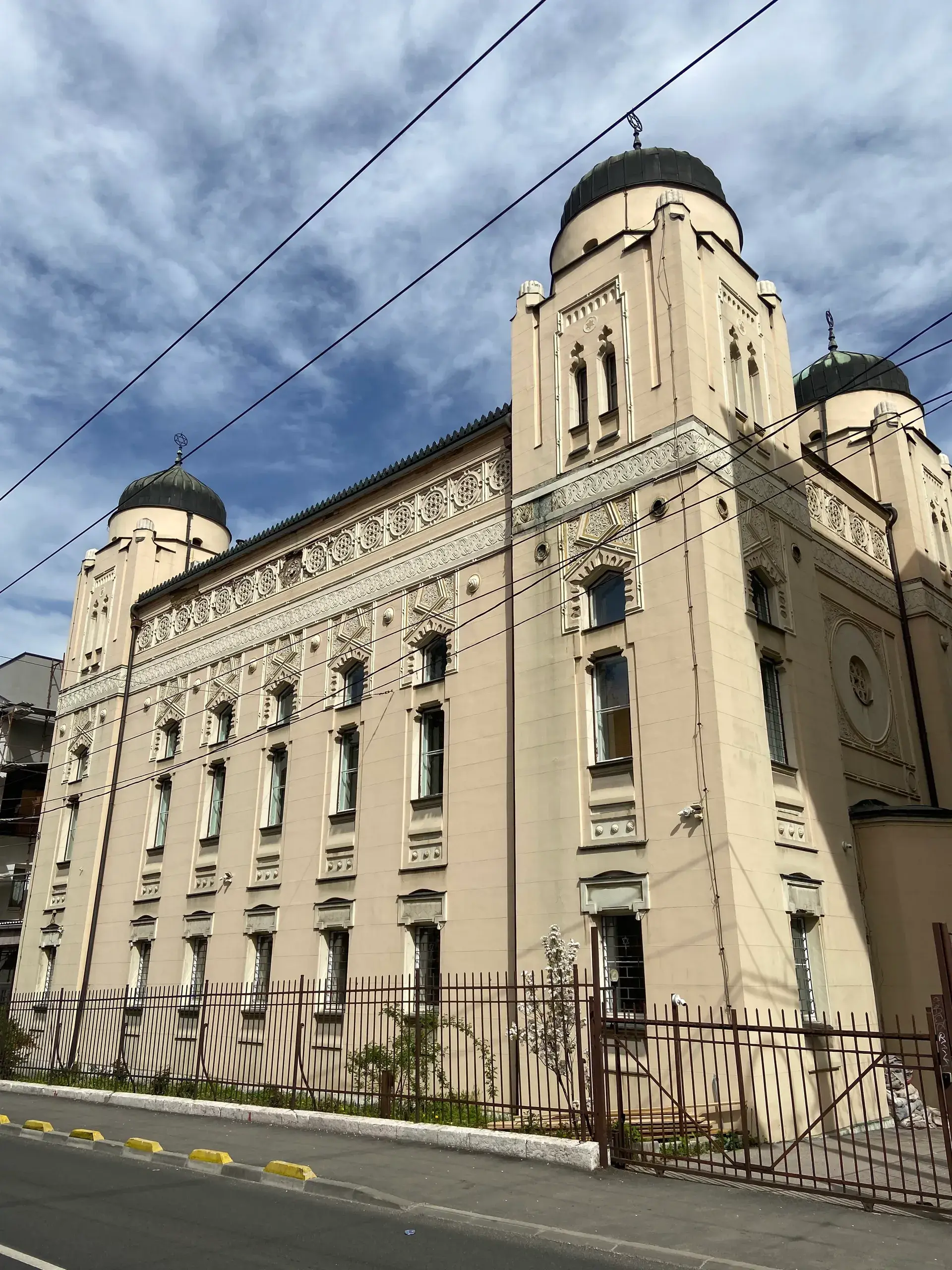
The Ashkenazi Synagogue in Sarajevo stands as a magnificent architectural jewel and a testament to the city's complex history. Built in 1902 during the Austro-Hungarian era, its exquisite Pseudo-Moorish exterior makes it a prominent landmark. Today, it serves as the only active synagogue in Sarajevo, continuing a legacy of faith and resilience.
Austro-Hungarian Origins and Design
The synagogue's construction is directly linked to the arrival of Ashkenazi Jews following the Austro-Hungarian occupation of Bosnia and Herzegovina in 1878. The growing community established itself in 1879 and purchased land for a temple in 1893. The building was designed by the prolific architect Karlo Paržik, who was responsible for around seventy prominent buildings in the region.
Constructed in a striking Pseudo-Moorish style with Neo-Mamluk and Alhambra-inspired details, it was the first religious building in Sarajevo to adopt this aesthetic. This architectural choice, rooted in Islamic design, was a popular trend during the imperial period, creating a unique visual fusion for a Jewish house of worship. After its completion, the synagogue was solemnly consecrated by Chief Rabbi Dr. Samuel Vesel.
A History of Survival and Service
The synagogue has endured through periods of profound conflict. During World War II, the German army repurposed the building as a stable, leading to the destruction of its lower sections and the Holy Ark. Despite this desecration, it was not completely demolished, unlike the city's larger Sephardic Il Kal Grande synagogue, which was destroyed by the Nazis in 1941. After the war, the Ashkenazi Synagogue became the sole functioning Jewish temple in Sarajevo.
Decades later, during the Siege of Sarajevo from 1992 to 1995, the synagogue transformed into a crucial humanitarian hub. Operating through the Jewish charity La Benevolencija, it distributed over 1,000 tons of food, 1,200 tons of medicine, and 500 tons of clothing to all of Sarajevo's citizens, irrespective of their background, embodying a spirit of cross-community solidarity.
The Synagogue Today
Declared a national monument of Bosnia and Herzegovina in 2006, the Ashkenazi Synagogue remains a vital center for Sarajevo's Jewish community. Following a major renovation in the 1960s, the main prayer hall was moved to the upper floor, which had previously been the women's galleries. The ground floor is now used for social functions, including weddings and bar and bat mitzvahs.
The synagogue, located at Hamdije Kreševljakovića 59, is open to visitors and offers guided tours, allowing a wider audience to appreciate its architectural beauty and historical significance.
FAQ
When was the Ashkenazi Synagogue in Sarajevo built?
The Ashkenazi Synagogue was built in 1902. Its construction served the Ashkenazi Jewish community that grew in Sarajevo after the Austro-Hungarian Empire's occupation in 1878.
What is the architectural style of the Sarajevo Synagogue?
The synagogue features a Pseudo-Moorish (or Moorish Revival) architectural style, designed by Karlo Paržik. This style, popular in the Austro-Hungarian era, draws inspiration from Islamic art and architecture from Spain and North Africa.
Is the Ashkenazi Synagogue in Sarajevo still active?
Yes, it is the only active synagogue in Sarajevo. It serves as a place of worship and a community center for social events, and it is also open for visitor tours.
What happened to the synagogue during World War II?
During World War II, the German army used the synagogue as a stable, which resulted in the destruction of its lower sections and the Holy Ark. However, unlike the city's main Sephardic synagogue which was completely destroyed, the Ashkenazi Synagogue survived the war.