Baščaršija: The Ottoman Heart of Sarajevo's Old Town
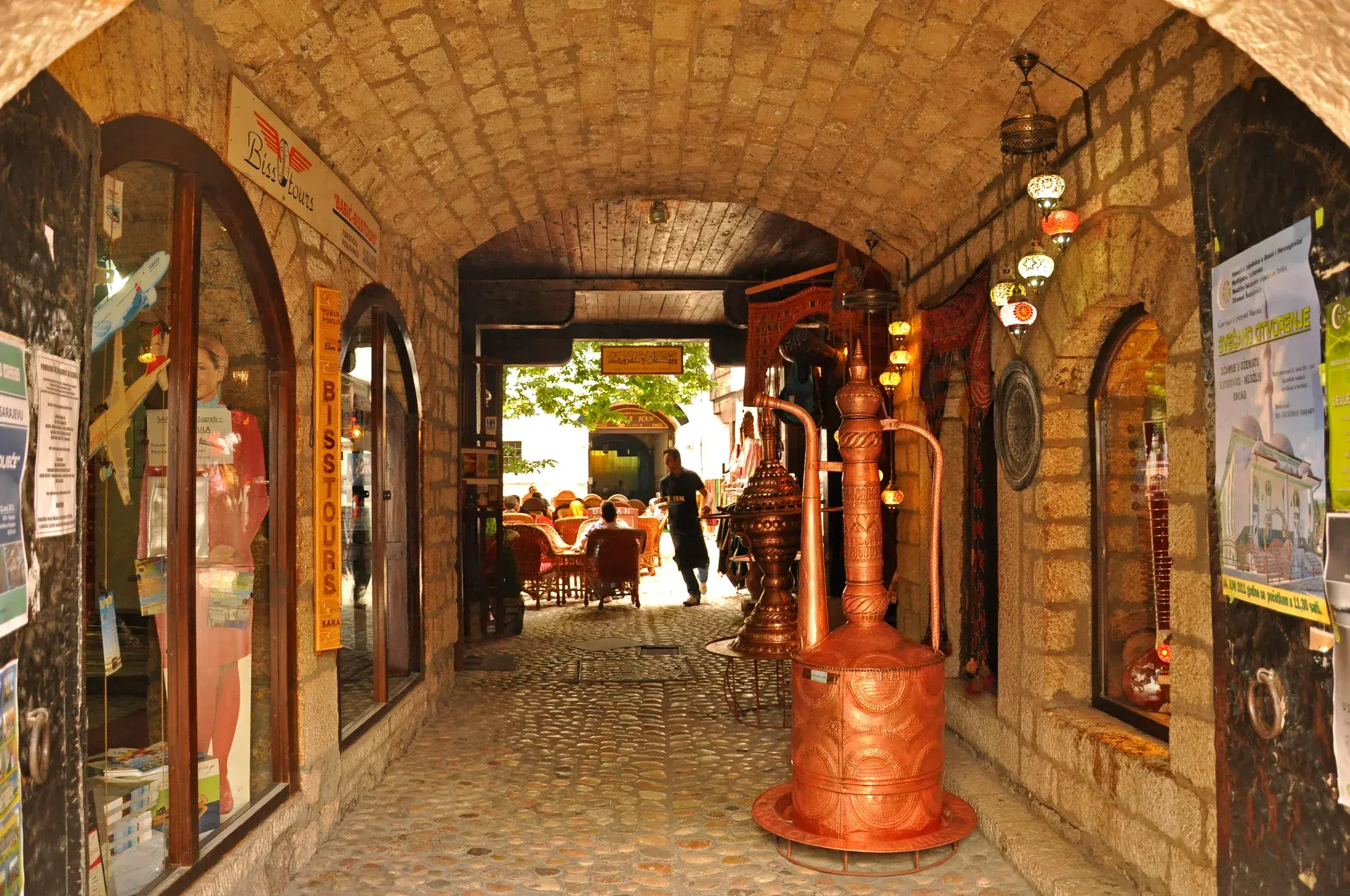
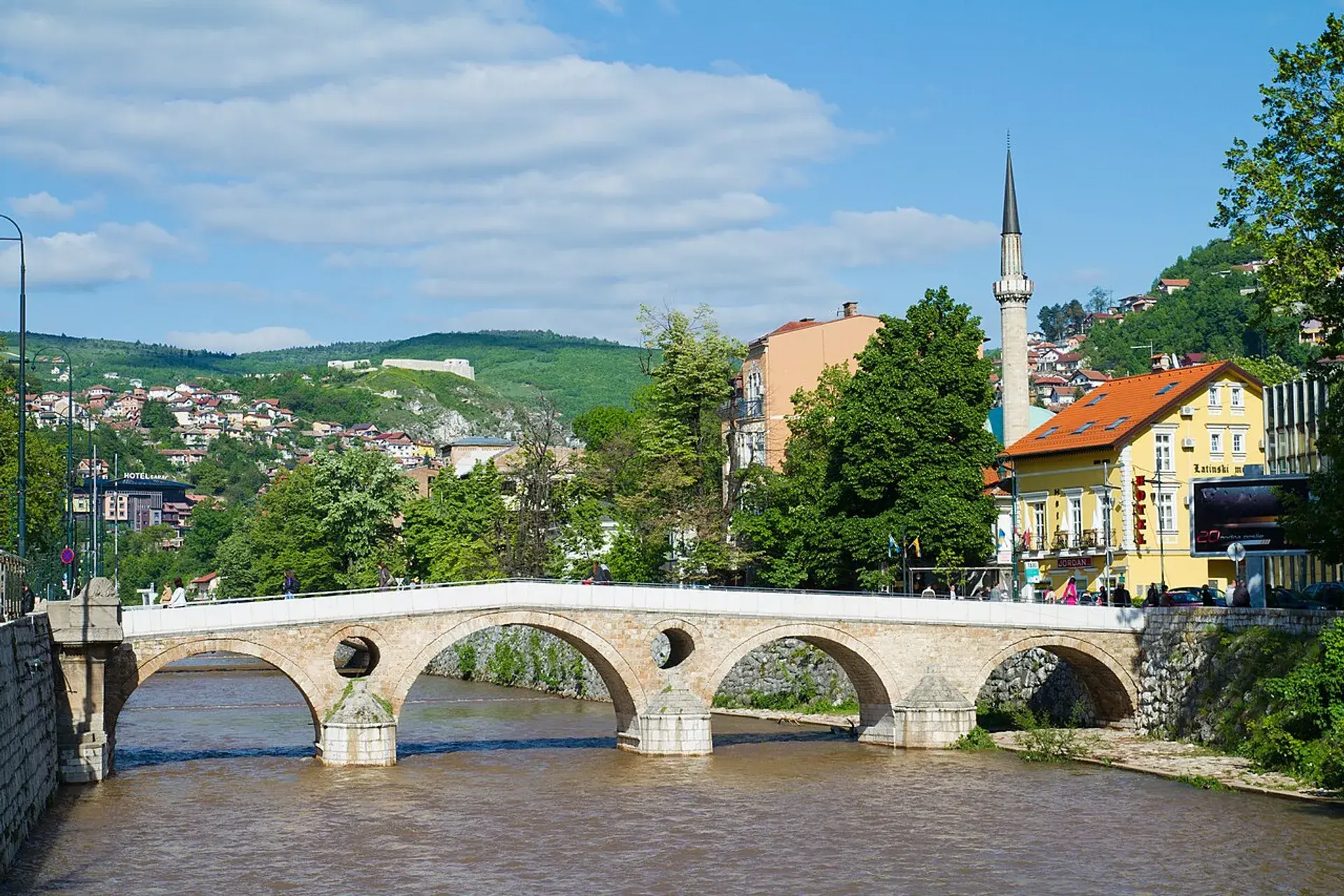
Baščaršija, Sarajevo's historical and cultural center, is the city's old bazaar and the enduring heart of its Ottoman past. Founded in the 15th century, its name derives from Turkish, meaning 'main market-place.' With its distinct Ottoman architectural style, the district features narrow, winding cobbled streets and single-story commercial buildings that create a stark visual contrast to the Austro-Hungarian grandeur found just a short distance away, embodying Sarajevo's unique identity as a city where 'East meets West.'
The Founding and Golden Age
The origins of Baščaršija date to 1462 when the Ottoman governor Isa-beg Ishaković established a han (caravanserai) and shops, connecting the new commercial hub to the existing settlement near the Emperor's Mosque. This laid the foundation for what he reportedly called 'the flower among cities.'
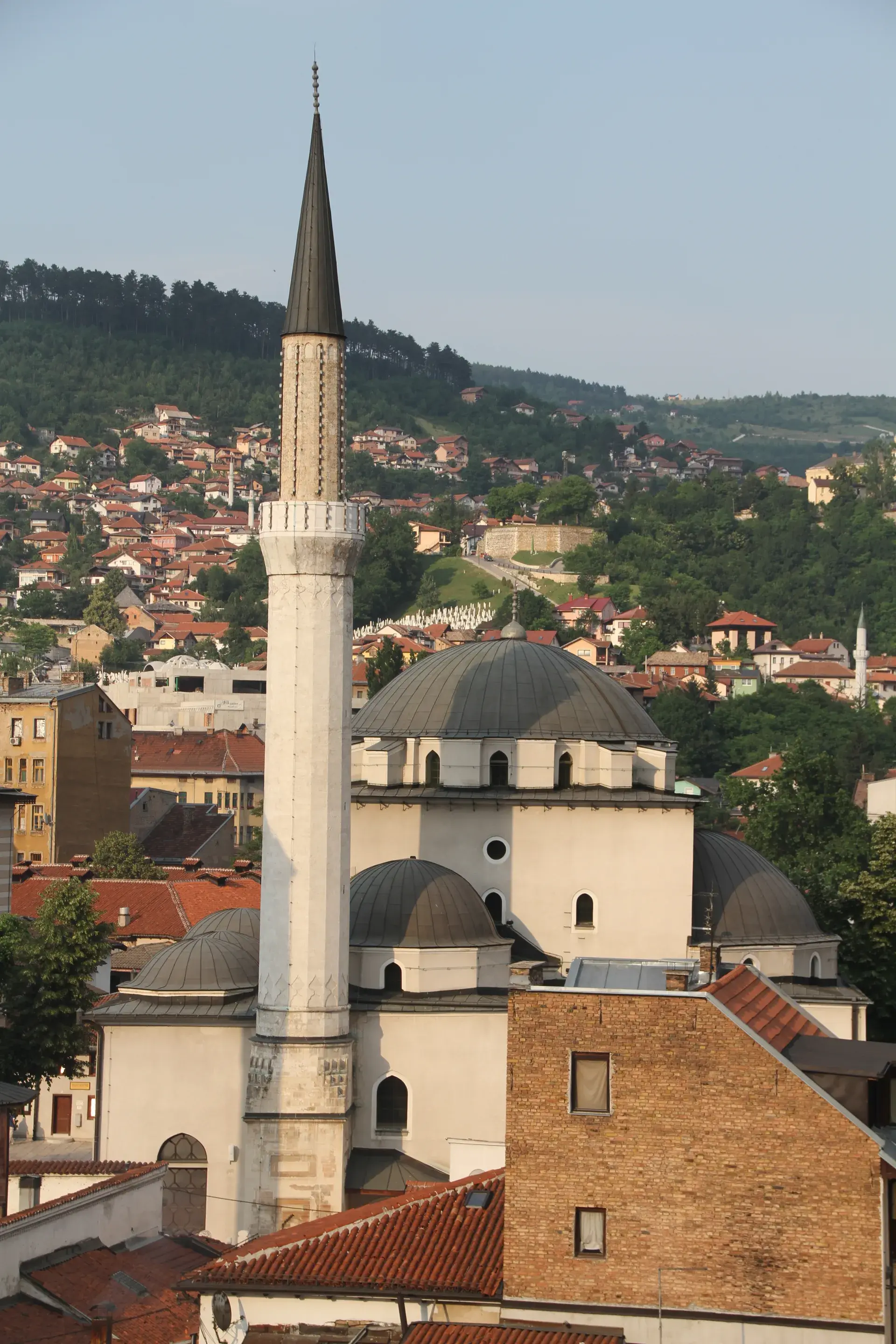
The market experienced its golden age in the 16th century under the influential governor Gazi Husrev-beg. Between 1521 and 1541, he commissioned numerous structures that dramatically expanded the bazaar, including his mosque (completed in 1530 or 1531), a madrasah, library, hammam, and the Morica Han. At its peak, Baščaršija was a sprawling commercial center with an estimated 12,000 shops representing up to 80 different crafts.
A History of Turmoil and Resilience
Throughout its history, Baščaršija has endured significant upheaval. A series of earthquakes and fires in the 17th century, followed by a devastating raid by Austrian forces under Prince Eugene of Savoy in 1697 that burned much of Sarajevo, dramatically reduced the market's size. Further fires in the 19th century meant that by the time of the Austro-Hungarian occupation in 1878, Baščaršija was half its original size.
Despite efforts to modernize Sarajevo, the bazaar largely preserved its Ottoman character. It even survived planned demolition by communist authorities after World War II, a decision that was fortunately abandoned, preserving its unique heritage for future generations. The district was also the site of a shooting incident during a wedding procession in March 1992, an event cited as a catalyst for the ensuing Siege of Sarajevo.
Baščaršija Today: A Living Market
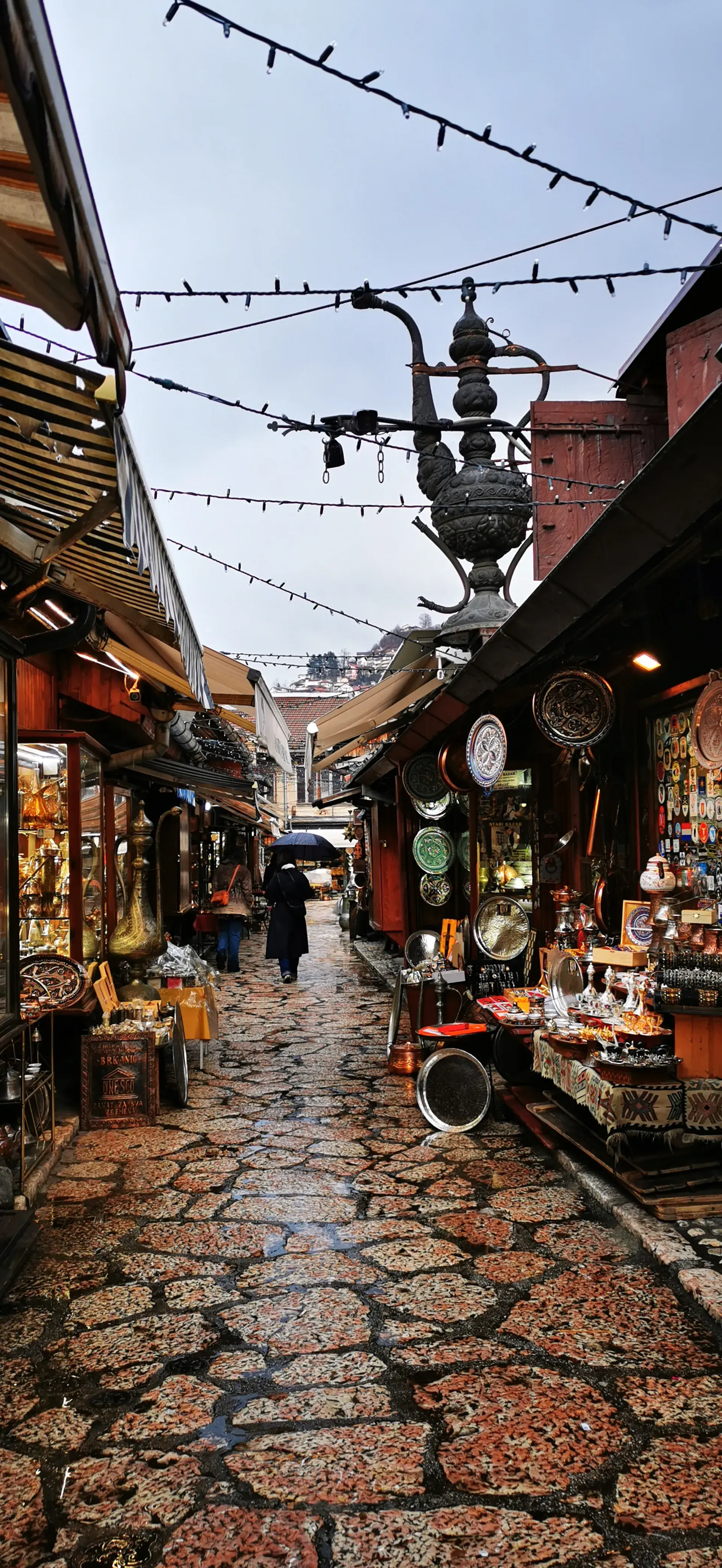
Today, Baščaršija is Sarajevo's primary tourist attraction and a bustling center of daily life for locals. The narrow streets are lined with shops, and the rhythmic clang of hammers can still be heard from the coppersmiths' workshops (kazandžiluk), where artisans shape intricate patterns into džezvas and trays. While historically each street was dedicated to a specific craft, many traditional shops specializing in copperware, leather goods, and jewelry have evolved into souvenir outlets.
The area remains a vibrant social and culinary hub. Locals and visitors gather in cafes to enjoy traditional Bosnian coffee and dishes like ćevapi and burek. The market is particularly lively on summer evenings and possesses a unique atmosphere on quiet winter mornings.
Iconic Landmarks
At the center of Baščaršija stands the Sebilj, an iconic wooden fountain that is a symbol of the city. The current structure is a replica built in 1891 during the Austro-Hungarian administration, replacing an earlier Ottoman fountain. A local legend claims that anyone who drinks its water is destined to return to Sarajevo.
Another unique feature is the Čekrekčinica Clock Tower, dating to 1473. It operates on a lunar calendar, with 12:00 indicating sunset. This allows it to track daily prayer times and automatically mark the end of Ramadan.
FAQ
When was Baščaršija founded?
Baščaršija was founded in 1462 by the Ottoman governor Isa-beg Ishaković, who established a caravanserai (han) and several shops to create a new commercial center for Sarajevo.
What is Baščaršija famous for today?
Today, Baščaršija is famous for its historic Ottoman architecture, narrow cobbled streets, and traditional craft shops specializing in items like copperware. It is also a vibrant culinary hub with cafes serving Bosnian coffee, ćevapi, and burek.
What is the story behind the Sebilj fountain in Baščaršija?
The iconic Sebilj fountain is a symbol of Sarajevo. The current structure is a replica built in 1891 during the Austro-Hungarian period, replacing an earlier Ottoman fountain. Local legend holds that anyone who drinks water from the Sebilj is destined to return to Sarajevo.
What is unique about the clock tower in Baščaršija?
The Čekrekčinica Clock Tower, dating to 1473, is unique because it operates on a lunar calendar. It is set so that 12:00 indicates the moment of sunset, which allows it to track daily prayer times according to Islamic tradition.
Discover Sarajevo like never before
Dive into Sarajevo hidden stories and secret spots with Ciceru interactive tours.
Explore tour
Audioguide
Quizzes
Maps
Solo
Couples
Groups & families

© Photo by N S via Google Maps · Google Places